

Simple Minds released Don’t You (Forget About Me) in 1985, creating one of the most iconic songs of the decade and the defining musical moment of a generation’s high school experience.
Written by Keith Forsey and Steve Schiff specifically for the film The Breakfast Club, the track reached number one on the Billboard Hot 100 and became inseparable from the coming-of-age stories that defined 1980s teen cinema.
Affiliate Disclosure: As an Amazon Associate I earn from qualifying purchases. This helps support the site at no extra cost to you.
| Song | Don’t You (Forget About Me) |
| Artist | Simple Minds |
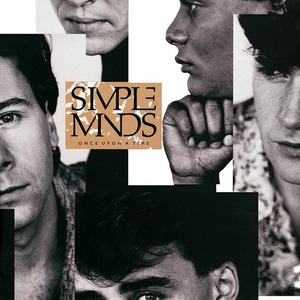
| Album | Standalone single; later on Once Upon a Time |
| Written by | Keith Forsey and Steve Schiff |
| Produced by | Keith Forsey |
| Released | 1985 |
| Genre | New Wave, Rock, Pop Rock |
| Record Label | A&M Records |
| Chart Peak | #1 US Billboard Hot 100 |
Table of Contents
Background and The Breakfast Club
Don’t You (Forget About Me) was written by Keith Forsey and Steve Schiff after director John Hughes approached Forsey seeking a song that would serve as the emotional anchor for his 1985 film The Breakfast Club.
Hughes wanted a track that captured the film’s central theme: that teenagers from very different social groups, forced together in Saturday detention, discover they have more in common than their surface identities suggest.
The song’s lyric is a direct address to someone being asked not to dismiss or forget a meaningful connection once the circumstances that created it have passed, a theme that perfectly matched the film’s emotional arc.
Vocalist Jim Kerr‘s delivery of “Don’t you forget about me” became one of the most emotionally charged moments in 1980s pop, the repetition and urgency of the phrase carrying a weight that transcended its simple lyrical construction.
Why Simple Minds Almost Passed
Don’t You (Forget About Me) was first offered to several other artists before reaching Simple Minds, including Bryan Ferry and Billy Idol, both of whom declined to record it.
Simple Minds were initially reluctant as well, as the band preferred to record their own original material rather than songs written by outside writers, a policy they had maintained throughout their career up to that point.
It was ultimately their management that persuaded them to record the track, and Kerr has acknowledged in interviews that he remains grateful for the decision, even though the band did not fully anticipate how completely the song would come to define their public image.
The recording was completed relatively quickly, with Forsey producing the session himself, and the finished track was so effective that Hughes made it the closing theme of The Breakfast Club, pairing it with the now-iconic image of Judd Nelson raising his fist.
Musical Composition
Don’t You (Forget About Me) opens with a synthesizer figure and drum machine pattern that immediately establishes its mid-1980s new wave credentials before the full band enters to push the arrangement into harder rock territory.
The song builds through its verses with a controlled tension that mirrors the lyric’s pleading emotional register, before the chorus arrives with a melodic release that is both anthemic and genuinely moving.
Guitarist Charlie Burchill provides a melodic guitar presence throughout that elevates the track above pure synth-pop, giving it the rock backbone that made it palatable to classic rock radio alongside its new wave peers.
Forsey’s production is precise and purposeful, every element in the arrangement serving the emotional impact of Kerr’s vocal and the song’s core message rather than drawing attention to itself.
The fade-out ending, with Kerr repeatedly singing the title phrase over the arrangement, has become one of the most remembered musical conclusions of the decade, each repetition landing with increasing emotional weight.
Chart Success and Legacy
Don’t You (Forget About Me) reached number one on the US Billboard Hot 100 in 1985, giving Simple Minds their only American chart-topper and their breakthrough into mainstream American rock consciousness.
The song’s placement at the climax of The Breakfast Club, which became one of the most influential teen films in American cinema history, ensured that it would be culturally embedded for generations regardless of how the wider pop landscape changed.
Rolling Stone included the film in its list of the greatest films of all time, and the song’s role within it has been widely discussed as one of the most effective uses of music in 1980s cinema.
Decades after its release, Don’t You (Forget About Me) continues to appear on classic rock and 80s nostalgia playlists with the same frequency it had when it first charted, its emotional resonance undiminished by the passage of time.
Watch the Official Video
Frequently Asked Questions
FAQ
- Who wrote Don’t You Forget About Me?
-
The song was written by Keith Forsey and Steve Schiff specifically for The Breakfast Club, at the request of director John Hughes who needed a track to anchor the film’s emotional themes.
- Did Simple Minds want to record Don’t You Forget About Me?
-
No, initially. The band preferred to record their own material and the song was offered to several other artists first, including Bryan Ferry and Billy Idol, before Simple Minds were persuaded by their management to take it on.
- What film features Don’t You Forget About Me?
-
The song served as the closing theme of The Breakfast Club (1985), directed by John Hughes, where it accompanied the film’s famous final image of Judd Nelson raising his fist in triumph.
- Did Don’t You Forget About Me reach number one?
-
Yes. The song reached number one on the US Billboard Hot 100 in 1985, giving Simple Minds their only American chart-topper.
- Is Don’t You Forget About Me on a Simple Minds studio album?
-
The song was originally released as a standalone single and does not appear on a Simple Minds studio album from that period, though it was later included on compilations and the 1985 album Once Upon a Time in some regional releases.
You Might Also Like

More than forty years on, Don’t You (Forget About Me) by Simple Minds remains the sound of a generation refusing to be dismissed, a song so perfectly matched to its cultural moment that it has never stopped resonating.