

Led Zeppelin IV Review: The Untitled Masterpiece That Defined an Era
🎸 Key Takeaways About Led Zeppelin IV
- Led Zeppelin IV Release Date: November 8, 1971 through Atlantic Records
- Sales Success: Over 37 million copies sold worldwide, making it one of the best-selling albums of all time
- Iconic Track: “Stairway to Heaven” has become the most-played song in radio history
- Recording Location: Headley Grange mansion using the Rolling Stones Mobile Studio for revolutionary sound
- Commercial Peak: Reached #2 on Billboard 200 and spent 259 weeks on the chart
- Musical Diversity: Seamlessly blends hard rock, folk, blues, and mystical elements into eight perfect tracks
- Legacy Impact: Fundamentally influenced heavy metal, hard rock, and arena rock for decades to come
📑 Table of Contents
Album Context and Background
In 1971, Led Zeppelin IV emerged as the band’s definitive statement after facing intense criticism for their third album. Following the acoustic-heavy experimentation of Led Zeppelin III, which critics had dismissed as unfocused, the band retreated to write and record what would become their most commercially successful and artistically cohesive work.
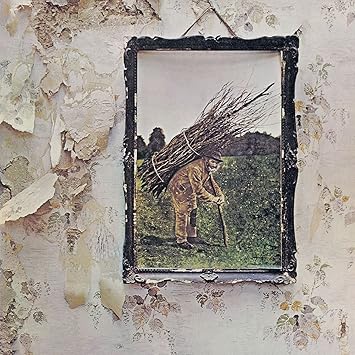
The album arrived at a pivotal moment in rock history. The Beatles had disbanded, Jimi Hendrix and Janis Joplin were gone, and the music world was searching for the next evolution of rock and roll. Led Zeppelin answered with an untitled album that deliberately eschewed conventional marketing, featuring no band name on the cover—only four mysterious symbols representing each band member.
The decision to release the album without a proper title was Jimmy Page’s response to critics who claimed the band’s success stemmed from hype rather than musical merit. He wanted the music to speak entirely for itself. Officially catalogued as “Led Zeppelin IV” by Atlantic Records, the album has been known by various names including “Four Symbols,” “ZoSo,” “Runes,” and simply “The Fourth Album.”
Recording began in December 1970 and continued through March 1971. The band deliberately chose unconventional recording locations, most notably Headley Grange, a decrepit Victorian mansion in Hampshire, England. This decision would prove transformative for both the album’s sound and rock production techniques for years to come. The isolation and atmospheric qualities of the mansion, combined with the Rolling Stones Mobile Studio parked outside, created the perfect environment for capturing the raw, powerful performances that define the album.
🎭 The Mystery of the Four Symbols
Each band member chose a personal symbol for the album cover. Jimmy Page selected the “ZoSo” symbol (though its exact meaning remains debated), Robert Plant chose the feather within a circle representing truth and courage, John Paul Jones picked three interlocking circles symbolizing a person’s confidence and competence, and John Bonham selected three interlocking rings representing the trinity of mother, father, and child.
Track-by-Track Analysis
| Track | Title | Length |
|---|---|---|
| 1 | Black Dog | 4:54 |
| 2 | Rock and Roll | 3:40 |
| 3 | The Battle of Evermore | 5:51 |
| 4 | Stairway to Heaven | 8:02 |
| 5 | Misty Mountain Hop | 4:38 |
| 6 | Four Sticks | 4:44 |
| 7 | Going to California | 3:31 |
| 8 | When the Levee Breaks | 7:07 |
Black Dog
Opening with one of rock’s most distinctive riffs, “Black Dog” announces Led Zeppelin IV with undeniable power. The track features a complex call-and-response structure between Page’s guitar and Plant’s vocals, with the instrumental sections containing intricate 5/4 time signatures that challenge traditional rock conventions. Named after a black Labrador that wandered around Headley Grange during recording sessions, the song showcases John Paul Jones’s compositional genius—he wrote the memorable riff that drives the entire piece.
Plant’s vocal performance on “Black Dog” demonstrates his complete mastery of blues phrasing, hitting impossibly high notes with apparent ease. The unison guitar and vocal lines create a hypnotic effect, while Bonham’s thunderous drums provide the perfect foundation. The song’s structure deliberately leaves space—unusual pauses and breaks that create tension before the band crashes back in with full force.
Rock and Roll
“Rock and Roll” erupted spontaneously during a jam session when John Bonham began playing the distinctive drum intro that mimics Little Richard’s “Keep A-Knockin’.” The band immediately recognized the energy and within 15 minutes had the basic track completed. This pure, unfiltered rock and roll energy represents Led Zeppelin’s tribute to their 1950s rock roots.
The track features Ian Stewart on piano (though uncredited due to his Rolling Stones membership), adding authentic boogie-woogie flavor. Plant’s lyrics celebrate rock and roll’s redemptive power during a lonely time in his life, creating an autobiographical element that resonates with listeners. The song’s infectious energy made it a concert staple and demonstrates the band’s ability to capture lightning in a bottle.
The Battle of Evermore
“The Battle of Evermore” stands as one of Led Zeppelin’s most unique compositions, featuring Robert Plant duetting with Fairport Convention’s Sandy Denny—the only guest vocalist to ever appear on a Led Zeppelin studio album. Inspired by Plant’s reading of J.R.R. Tolkien and Scottish-English border conflicts, the song creates a medieval atmosphere through mandolin, acoustic guitar, and layered vocals.
Page’s mandolin work, his first time playing the instrument, adds an authentic folk quality. The interplay between Plant’s and Denny’s voices—representing the Prince of Peace and the Queen of Light—creates dramatic tension throughout. The song’s lyrics reference ancient battles and mythological imagery, showcasing Plant’s literary influences and storytelling abilities. This track demonstrates Led Zeppelin’s versatility beyond hard rock, proving their mastery across multiple genres.
Stairway to Heaven
“Stairway to Heaven” needs little introduction as the most famous rock song ever recorded. At eight minutes and two seconds, it builds from delicate acoustic fingerpicking to one of rock’s most explosive crescendos. Page’s guitar progression moves through distinct movements like a classical composition, while Plant’s lyrics explore spiritual seeking, materialism’s emptiness, and redemption’s possibility.
The song’s structure revolutionized rock music—proving radio-friendly rock didn’t require three-minute constraints. Beginning with Page’s Renaissance-inspired acoustic guitar and John Paul Jones’s recorder, the song gradually adds electric instruments. Bonham’s drums don’t enter until past the four-minute mark, creating unprecedented patience and build-up in rock music.
Page’s guitar solo, recorded in one take, has become the most analyzed and celebrated in rock history. Every note serves the song’s emotional arc, building intensity until the final release. The song was never released as a single, yet became the most-played song in FM radio history, logging over three million broadcast plays. Its influence on rock composition and arrangement cannot be overstated—countless bands have attempted to replicate its gradual build and emotional impact.
Misty Mountain Hop
“Misty Mountain Hop” bounces along with an infectious groove anchored by Jones’s electric piano and Bonham’s funky drum pattern. The title references Tolkien’s The Hobbit, though Plant’s lyrics actually address a 1970 police raid on an anti-war rally in London’s Hyde Park that he witnessed. This juxtaposition of fantasy imagery with social commentary exemplifies Plant’s lyrical approach.
The song features one of Jones’s most prominent keyboard performances on the album, his electric piano riff driving the entire track. Page’s guitar work provides textural counterpoint rather than dominant riffs, showing the band’s democratic approach to arrangement. The laid-back groove contrasts sharply with the album’s heavier moments, showcasing dynamic range.
Four Sticks
“Four Sticks” earns its name from John Bonham’s remarkable technique—playing with four drumsticks (two in each hand) to achieve the song’s thunderous, rapid-fire drum pattern. The track proved so technically difficult that the band struggled to perform it live, attempting it only once during their 1971 tour before abandoning it from the setlist.
Recorded in one intense take at Island Studios, the song features unusual 5/8 and 6/8 time signatures that create an unsettled, propulsive feeling. Page’s guitar work combines acoustic and electric elements, while Plant’s vocals convey urgency and mysticism. Though often considered the album’s deepest cut, “Four Sticks” demonstrates the band’s willingness to challenge themselves technically and push beyond conventional rock structures.
Going to California
“Going to California” provides the album’s gentle respite, featuring Page and Jones on acoustic guitars and mandolin. The song reflects Plant’s love for Joni Mitchell and California’s singer-songwriter scene, contrasting with the band’s heavy blues foundation. Its intimate acoustic arrangement showcases Led Zeppelin’s range and Page’s masterful fingerstyle guitar technique.
Plant’s vulnerable vocal delivery and introspective lyrics create one of the album’s most personal moments. The song addresses the 1970 Laurel Canyon earthquake and Plant’s search for artistic inspiration, making it autobiographical and wistful. This track proved Led Zeppelin could excel at delicate, nuanced music as convincingly as they dominated heavy rock.
When the Levee Breaks
Closing Led Zeppelin IV with monumental power, “When the Levee Breaks” reimagines Memphis Minnie’s 1929 blues song about the Great Mississippi Flood of 1927. The track features one of the most sampled drum sounds in music history—Bonham’s thunderous kit recorded in Headley Grange’s three-story stairwell.
Andy Johns, the recording engineer, placed microphones at the stairwell’s top and bottom, capturing natural reverb that no studio could replicate. This innovative technique created Bonham’s massive, echo-laden drum sound that has influenced hip-hop, rock, and electronic music for decades. The Beastie Boys, Eminem, Bjork, and hundreds of other artists have sampled this iconic drum break.
Page’s guitar work employs backwards echo effects and slide techniques, creating an apocalyptic atmosphere. Plant’s harmonica and distorted vocals add to the song’s ominous mood. The lyrics, expanded from the original, paint vivid imagery of natural disaster and personal devastation. At over seven minutes, the song builds relentlessly, ending the album on a note of epic, blues-soaked grandeur.
📢 Explore More Led Zeppelin
Discover the band’s evolution from Led Zeppelin IV or experience the music live through Jason Bonham’s Led Zeppelin Evening.
Production and Recording
The production of Led Zeppelin IV represented a quantum leap in rock recording techniques. Jimmy Page, serving as producer, made the revolutionary decision to record at Headley Grange rather than conventional studios. The Victorian mansion’s large, empty rooms provided natural acoustics that no studio could match, fundamentally changing how rock drums would be recorded for decades.
The Rolling Stones Mobile Studio, parked outside the mansion, captured performances in this unique environment. This mobile recording unit had previously been used for albums by Deep Purple and The Rolling Stones themselves, but Led Zeppelin pushed its capabilities further. The isolation of Headley Grange meant the band could record at any volume and any time, experimenting without studio time constraints or neighboring interruptions.
For “When the Levee Breaks,” engineer Andy Johns positioned microphones three stories above Bonham’s kit in the mansion’s stairwell. The natural echo and resonance created a drum sound so powerful and distinctive that it became the most sampled drum break in music history. This wasn’t studio trickery—it was architectural acoustics captured perfectly.
Page’s guitar layering techniques reached new sophistication on this album. Rather than relying on multi-tracking alone, he developed intricate arrangements where different guitar tones and textures complemented each other. His use of a Telecaster through a Vox AC30 amplifier on “Stairway to Heaven” created the bright, clear tones of the intro, while his Les Paul through Marshall stacks delivered the explosive solo. Each song received meticulous attention to sonic detail.
The album was mixed at Sunset Sound Studios in Los Angeles, where Page spent weeks perfecting the final sound. He employed innovative techniques like backwards echo (heard on “When the Levee Breaks”), stereo phasing effects, and careful EQ balancing that made every instrument audible without sacrificing power. The result was an album that sounded enormous yet clear—a production benchmark that engineers still reference.
Island Studios in London hosted some sessions, particularly the difficult recording of “Four Sticks,” which required multiple takes before the band achieved the performance they wanted. Wherever they recorded, Page maintained exacting standards, sometimes driving the band and engineers to exhaustion in pursuit of the perfect take.
Commercial Success and Chart Performance
Led Zeppelin IV achieved unprecedented commercial success despite Atlantic Records’ initial concerns about the album’s lack of conventional marketing. Released November 8, 1971, it reached number two on the Billboard 200 chart (held from number one by Carole King’s Tapestry) and remained on the charts for 259 consecutive weeks.
In the United Kingdom, the album peaked at number one, spending 62 weeks on the UK Albums Chart. This commercial dominance occurred without the album being released with a proper title or band name on the cover—a marketing gamble that proved the band’s confidence in the music’s quality was well-founded.
The album has sold over 37 million copies worldwide, making it one of the best-selling albums of all time. In the United States alone, it has been certified 24× Platinum by the RIAA, representing shipments of 24 million copies. These numbers become even more remarkable considering “Stairway to Heaven” was never released as a single, yet became the most-played song in radio history through album cuts and album-oriented rock format.
Individual tracks achieved massive recognition. “Black Dog” reached number 15 on the Billboard Hot 100 when released as a single. “Rock and Roll” became a concert anthem and radio staple. “Stairway to Heaven” transcended commercial metrics entirely, becoming a cultural phenomenon that defined what FM radio could accomplish.
The album’s longevity proves equally impressive as its initial success. It re-entered the Billboard 200 in the 1990s and continues selling thousands of copies annually. The 2014 remastered edition reached number four on the Billboard 200, demonstrating the album’s enduring appeal across generations.
Globally, Led Zeppelin IV topped charts in Canada, Australia, and throughout Europe. It established Led Zeppelin as the world’s biggest rock band, a position they would maintain throughout the 1970s. The album’s success gave the band complete artistic freedom for future projects and proved that uncompromising artistic vision could achieve massive commercial success.
💿 Own the Best-Selling Classic Rock Album
Add this 24× Platinum certified masterpiece to your collection on vinyl, CD, or digital format. Every music collection deserves this essential album.
Cultural Impact and Legacy
Critical Reception Over Time
Initial critical reception of Led Zeppelin IV proved surprisingly mixed. Rolling Stone magazine gave it a lukewarm review, criticizing the album as derivative. Other critics dismissed “Stairway to Heaven” as pretentious and overlong. This disconnect between critical opinion and popular enthusiasm characterized much of Led Zeppelin’s career—the public adored what critics often dismissed.
Critical reassessment began in the 1980s as music journalists recognized the album’s profound influence. By the 1990s, it appeared regularly on “greatest albums of all time” lists. Rolling Stone, which had panned it initially, later ranked it 66th on their 500 Greatest Albums list. This critical about-face acknowledged both the album’s musical excellence and its massive cultural impact.
Modern critics universally recognize Led Zeppelin IV as a masterpiece. Its influence on hard rock, heavy metal, and progressive rock is considered fundamental. The album’s seamless blend of hard rock power and acoustic subtlety set a template that countless bands have attempted to follow.
Influence on Future Artists and Genres
The album’s influence on heavy metal cannot be overstated. Bands like Black Sabbath, Judas Priest, and Iron Maiden cite Led Zeppelin IV as foundational. The combination of heavy riffs, mystical lyrics, and production power established conventions that define metal to this day. “Black Dog” and “When the Levee Breaks” particularly influenced the genre’s development.
Hard rock and arena rock bands from the 1970s through today acknowledge the album’s impact. Groups like Aerosmith, Van Halen, Guns N’ Roses, and countless others studied its combination of hard and soft dynamics. The quiet-to-loud structure pioneered in “Stairway to Heaven” became a rock composition template used by everyone from Queen to Metallica to Nirvana.
Hip-hop culture embraced the album decades later. “When the Levee Breaks” became one of the most sampled songs in hip-hop history, with the Beastie Boys, Dr. Dre, Eminem, and Mike Oldfield among hundreds who borrowed Bonham’s iconic drum break. This crossover influence demonstrates the album’s rhythmic power transcending rock genre boundaries.
Singer-songwriters learned from “Going to California” and “The Battle of Evermore,” proving rock bands could incorporate folk traditions authentically. These tracks influenced the Americana and alternative country movements that emerged decades later.
Retrospective Evaluations
Modern music scholars view Led Zeppelin IV as one of rock’s essential albums. It appears on virtually every “greatest albums” list compiled by credible publications. In 2003, the album was ranked 66th on Rolling Stone’s “500 Greatest Albums of All Time,” later rising to 58th in the 2020 revision. The Library of Congress added it to the National Recording Registry in 2024, deeming it “culturally, historically, or aesthetically significant.”
The album’s production techniques remain studied in audio engineering programs worldwide. Headley Grange has become a pilgrimage site for recording enthusiasts, and the mansion’s stairwell where “When the Levee Breaks” was recorded is legendary among drummers and producers.
“Stairway to Heaven” transcended the album to become a cultural touchstone. References to the song appear throughout popular culture, from Wayne’s World to The Simpsons. Guitar stores have famously banned playing the opening riff due to countless customers attempting it. This level of cultural penetration is achieved by very few songs.
The album has aged extraordinarily well. While some 1970s albums sound dated, Led Zeppelin IV maintains sonic freshness and power. Jimmy Page’s 2014 remaster enhanced the original recordings without modernizing them, proving the initial production was essentially perfect. New generations continue discovering the album, ensuring its legacy extends far into the future.
The album fundamentally proved that artistic integrity and commercial success weren’t mutually exclusive. By refusing to compromise their vision—even to the point of releasing an album without the band’s name—Led Zeppelin created their most successful work. This lesson influenced countless artists to prioritize artistic vision over commercial calculation.
📢 Dive Deeper into Robert Plant’s Artistry
Explore Robert Plant’s 2026 tour dates or discover his latest musical evolution with Gospel Plough. See how the Led Zeppelin legacy continues through Plant’s current work.
Production Credits and Album Personnel
Band Members:
Robert Plant – Lead vocals, harmonica on “When the Levee Breaks”
Jimmy Page – Guitars (acoustic and electric), mandolin on “The Battle of Evermore,” producer
John Paul Jones – Bass guitar, keyboards, mandolin, recorders
John Bonham – Drums, percussion
Additional Musicians:
Sandy Denny – Vocals on “The Battle of Evermore”
Ian Stewart – Piano on “Rock and Roll” (uncredited)
Production Team:
Jimmy Page – Producer
Andy Johns – Recording engineer
George Chkiantz – Engineer on “Four Sticks”
Recording Details:
Recorded: December 1970 – March 1971
Studios: Headley Grange (Hampshire, England) using Rolling Stones Mobile Studio; Island Studios (London); Sunset Sound Studios (Los Angeles – mixing)
Label: Atlantic Records
Released: November 8, 1971
Catalog Number: SD 7208
Format: LP, 8-track cartridge, cassette (later CD and digital)
🎸 Similar Albums You’ll Love
If you enjoyed Led Zeppelin IV, these classic rock albums offer similar vibes, musical styles, or came from the same era:
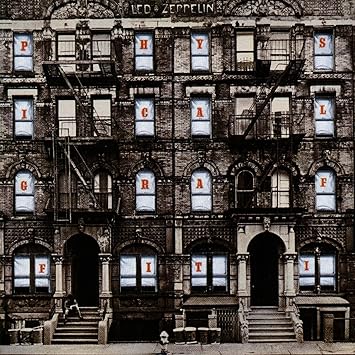
Physical Graffiti
by Led Zeppelin
Led Zeppelin’s sprawling 1975 double album showcases the band’s complete artistic range, from hard rock epics like “Kashmir” to intricate acoustic work. The diverse experimentation and production mastery make it the perfect follow-up for Led Zeppelin IV fans.
Buy on Amazon →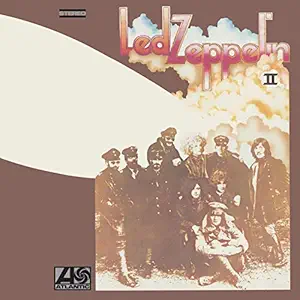
Led Zeppelin II
by Led Zeppelin
The 1969 album that established Led Zeppelin’s heavy blues template, featuring “Whole Lotta Love” and “Ramble On.” Its raw power and innovative production techniques paved the way for Led Zeppelin IV’s perfection.
Buy on Amazon →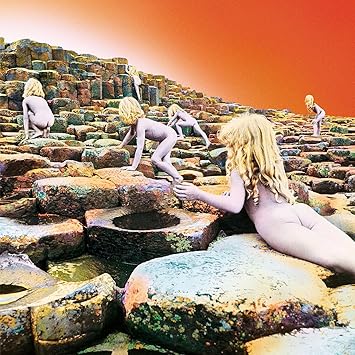
Houses of the Holy
by Led Zeppelin
Led Zeppelin’s adventurous 1973 follow-up to IV expands into reggae, funk, and progressive territory. Songs like “The Rain Song” and “No Quarter” demonstrate the musical exploration that began on Led Zeppelin IV.
Buy on Amazon →
Led Zeppelin
by Led Zeppelin
The explosive 1969 debut that announced Led Zeppelin’s arrival, featuring “Dazed and Confused” and “Communication Breakdown.” This album’s blues-rock foundation evolved into the sophistication of Led Zeppelin IV.
Buy on Amazon →
Led Zeppelin III
by Led Zeppelin
The 1970 album that emphasized acoustic elements and folk influences, including “Immigrant Song” and “Since I’ve Been Loving You.” Critics initially dismissed it, but it directly informed Led Zeppelin IV’s acoustic moments.
Buy on Amazon →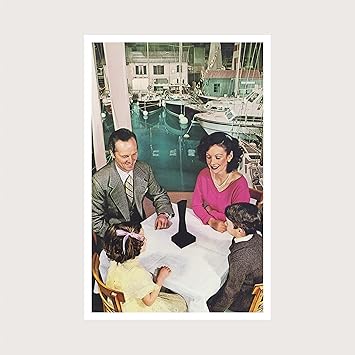
Presence
by Led Zeppelin
Led Zeppelin’s raw, guitar-driven 1976 album recorded under difficult circumstances. “Achilles Last Stand” showcases the band’s power and Page’s production skills that made Led Zeppelin IV legendary.
Buy on Amazon →Frequently Asked Questions About Led Zeppelin IV
Conclusion: Why Led Zeppelin IV Still Matters Today
More than five decades after its release, Led Zeppelin IV remains the definitive hard rock album—a perfect balance of power and subtlety, innovation and tradition, mysticism and earthiness. Its influence permeates modern rock, metal, and even hip-hop, proving that truly great art transcends temporal and genre boundaries.
The album endures because it captures a band at the absolute peak of their creative powers. Every member contributed essential elements: Page’s production genius and guitar mastery, Plant’s soaring vocals and poetic lyrics, Jones’s compositional sophistication and multi-instrumental versatility, and Bonham’s revolutionary drumming. Together they created eight tracks without a weak moment, an achievement rare in any era.
“Stairway to Heaven” alone would secure the album’s legacy, but the brilliance extends across every track. From “Black Dog’s” complex riffs to “When the Levee Breaks'” apocalyptic blues, each song showcases different facets of Led Zeppelin’s artistry. The album proved rock music could be both commercially massive and artistically uncompromising.
For new listeners discovering Led Zeppelin, this album provides the perfect entry point. For longtime fans, it rewards countless revisits with layers of detail and innovation still revealing themselves. Led Zeppelin IV isn’t just a historical artifact—it’s a living, breathing masterpiece that sounds as powerful today as it did in 1971. In an era of disposable music, this album reminds us what timeless artistry sounds like.
Ready to explore more Led Zeppelin history?
Check out our complete album reviews archive or discover more about Led Zeppelin’s early career and the supergroups that followed!