

The Dark Side of the Moon
Pink Floyd’s Masterpiece That Redefined Progressive Rock
Why This Album Is Essential
- 937 weeks on Billboard 200 (longest charting album ever)
- 50+ million copies sold worldwide
- Innovative use of synthesizers and sound effects
- Explores universal themes of time, money, and mental health
- Groundbreaking studio production techniques
The Album That Changed Everything
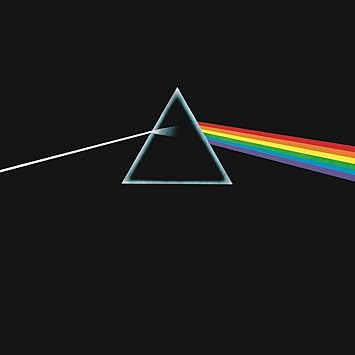
Released on March 1, 1973, The Dark Side of the Moon stands as one of the most influential and commercially successful albums in rock history. Pink Floyd’s eighth studio album transcended the boundaries of progressive rock, creating a sonic experience that resonated with millions across generations. With its iconic prism cover art designed by Storm Thorgerson and Hipgnosis, the album became instantly recognizable and remains a cultural touchstone five decades later.
The album’s unprecedented success is reflected in its remarkable chart performance. Spending 937 consecutive weeks on the Billboard 200 chart – a record that stood for decades – The Dark Side of the Moon proved that experimental rock could achieve mainstream acceptance without compromising artistic integrity. The album has sold over 50 million copies worldwide, making it one of the best-selling albums of all time and cementing Pink Floyd’s status as progressive rock pioneers.
What sets The Dark Side of the Moon apart is its conceptual coherence. Unlike typical rock albums of the era, which were collections of individual songs, Pink Floyd crafted a unified artistic statement exploring themes of greed, conflict, mental illness, aging, and mortality. The band used innovative studio techniques, including multitrack recording, synthesizers, and sound effects to create an immersive listening experience that remains unmatched in its ambition and execution.
Track-by-Track Journey
- 1. Speak to Me 1:13
- 2. Breathe (In the Air) 2:43
- 3. On the Run 3:36
- 4. Time 6:53
- 5. The Great Gig in the Sky 4:36
- 6. Money 6:23
- 7. Us and Them 7:49
- 8. Any Colour You Like 3:26
- 9. Brain Damage 3:49
- 10. Eclipse 2:03
Speak to Me / Breathe (In the Air)
The album opens with “Speak to Me,” an atmospheric introduction featuring a collage of sounds that will appear throughout the album – heartbeats, cash registers, laughter, and snippets of dialogue. This sonic overture, crafted by drummer Nick Mason, establishes the album’s thematic foundation and transitions seamlessly into “Breathe (In the Air).” David Gilmour’s ethereal guitar work and Roger Waters’ introspective lyrics invite listeners to embrace life’s simple pleasures while acknowledging its inevitable end.
On the Run
“On the Run” showcases Pink Floyd’s experimental prowess with synthesizers and sound effects. The pulsating sequences created using a VCS3 synthesizer evoke the anxiety of modern travel and the fear of flying. Richard Wright’s keyboard programming combined with sound effects of footsteps and airport announcements creates an unsettling atmosphere that perfectly captures the theme of life’s relentless pace.
Time
Perhaps the album’s most celebrated track, “Time” opens with an explosion of alarm clocks—a jarring awakening that symbolizes wasted youth and the inexorable march toward death. Gilmour’s guitar solo, widely considered one of rock’s finest, soars over Mason’s precise drumming. The lyrics explore the universal fear of aging and squandered opportunities, resonating deeply with listeners across demographics. The track’s philosophical depth and musical complexity exemplify why The Dark Side of the Moon transcended typical rock album conventions.
The Great Gig in the Sky
Clare Torry’s wordless vocal performance on “The Great Gig in the Sky” represents one of rock’s most extraordinary moments. Her improvised vocals, expressing the five stages of grief, soar over Wright’s gospel-influenced keyboard progression. The track addresses mortality with raw emotional power, transforming fear and acceptance into pure sonic emotion. Torry’s contribution was so integral that she later received a songwriting credit after legal proceedings recognized her creative input.
Money
The album’s most commercially successful single, “Money” features a distinctive 7/4 time signature created from recorded sounds of cash registers, coins, and tearing paper. Waters’ cynical lyrics critique capitalism and greed while Gilmour’s blues-inflected guitar solo provides ironic commentary on the corrupting influence of wealth. The track’s radio-friendly structure helped introduce progressive rock to mainstream audiences without diluting the album’s conceptual integrity.
Us and Them
“Us and Them” explores conflict and division with understated elegance. Wright’s piano and organ work creates a melancholic atmosphere while Waters’ vocals address war, societal divisions, and human indifference. Dick Parry’s saxophone adds jazz influences that expand the album’s sonic palette. The track’s dynamic shifts between quiet verses and powerful choruses mirror the ebb and flow of conflict itself.
Any Colour You Like
This instrumental showcase highlights Wright and Gilmour’s improvisational chemistry. The track’s title ironically references the illusion of choice in modern society – you can have any color you like, as long as it’s what’s already decided. The swirling synthesizers and melodic guitar lines create a dreamlike interlude that bridges the album’s philosophical explorations.
Brain Damage / Eclipse
The album’s conclusion addresses mental illness directly, with “Brain Damage” referencing former bandmate Syd Barrett’s psychological breakdown. Waters’ poignant lyrics acknowledge the fragility of sanity while the musical arrangement maintains an unsettling levity. “Eclipse” brings the conceptual journey full circle, listing life’s various experiences before concluding with the assertion that “everything under the sun is in tune.” The heartbeat that began the album returns, creating a perfect sonic circle that suggests life’s cyclical nature.
Revolutionary Production Techniques
Recorded at Abbey Road Studios from May 1972 to January 1973, The Dark Side of the Moon pushed the boundaries of what was technically possible in the recording studio. Producer Alan Parsons, who had previously worked as an engineer on The Beatles’ Abbey Road and Let It Be, brought technical expertise that helped Pink Floyd realize their ambitious vision. The band spent over 400 hours in the studio, an unprecedented amount of time that allowed for meticulous experimentation and refinement.
One of the album’s most innovative aspects was its use of quadraphonic sound and stereo panning effects. Parsons and the band utilized advanced 16-track recording equipment to create an immersive sonic landscape where sounds moved between speakers, creating spatial depth that home stereo systems were just beginning to reproduce effectively. This attention to the listening experience influenced how subsequent albums were recorded and mixed.
The integration of spoken word samples throughout the album was groundbreaking. Pink Floyd recorded interviews with road crew members, studio staff, and even the band’s doorman, asking philosophical questions about topics like death, violence, and insanity. These authentic responses were edited into the music, adding human dimensions to the album’s abstract themes. Paul and Linda McCartney were among those interviewed, though their contributions weren’t ultimately used in the final mix.
The album’s use of synthesizers represented cutting-edge technology for 1973. Wright’s VCS3 synthesizer created the pulsating sequences on “On the Run” and contributed to the atmospheric textures throughout the album. Unlike earlier progressive rock albums that used synthesizers as novelty instruments, Pink Floyd integrated them organically into their sonic palette, using them to enhance rather than dominate the musical arrangements.
Exploring Universal Human Experiences
Roger Waters’ conceptual framework for The Dark Side of the Moon addressed themes that most rock music avoided in 1973. Rather than focusing on romantic relationships or rebellion, Waters explored the pressures that can drive people to mental illness. His inspiration came from observing Syd Barrett’s deterioration and recognizing that similar pressures – greed, time, conflict, death – affect everyone regardless of circumstances.
Time and Mortality
The album’s central preoccupation with time resonates because it addresses humanity’s most fundamental anxiety. “Time” explicitly warns against wasting youth in comfort only to discover decades have passed. “Breathe” encourages living in the present moment, while “The Great Gig in the Sky” confronts death’s inevitability with visceral emotion. This thematic consistency creates philosophical depth rare in popular music.
Greed and Materialism
“Money” satirizes capitalism’s corrosive effects on human relationships and values. Waters’ lyrics describe how financial success leads to moral compromise and social alienation. The song’s commercial success – becoming one of Pink Floyd’s biggest hits – added layers of irony, as the band profited enormously from a song critiquing profit-seeking behavior. This tension between artistic message and commercial reality became a recurring theme in Pink Floyd’s career.
Conflict and Division
“Us and Them” examines how societies create artificial divisions leading to war and suffering. The lyrics reference the Vietnam War’s ongoing trauma while addressing broader questions about why humans fight. The gentle musical arrangement contrasts sharply with the violence described in the lyrics, highlighting the disconnect between civilian comfort and battlefield horror.
Mental Health and Sanity
Throughout the album, Waters grapples with mental illness’s proximity to normal experience. “Brain Damage” suggests that madness lurks within everyone, requiring only the right circumstances to emerge. This theme had personal resonance given Barrett’s breakdown, but Waters universalized the experience, making it relatable to anyone who has questioned their grip on reality. In an era when mental health discussions were largely taboo, Pink Floyd’s willingness to address these topics represented cultural courage.
Legacy and Cultural Influence
The Dark Side of the Moon’s impact extends far beyond sales figures and chart positions. The album demonstrated that progressive rock could achieve massive commercial success while maintaining artistic ambition. Its influence on subsequent generations of musicians spans virtually every genre, from progressive metal bands like Dream Theater to electronic artists who sample its distinctive sounds.
The album’s visual identity proved equally influential. Storm Thorgerson’s prism design became one of rock’s most recognized images, inspiring countless imitations and homages. The simple yet powerful imagery perfectly complemented the music’s exploration of light, darkness, and the spectrum of human experience. The cover’s minimalism stood in stark contrast to the elaborate artwork common on progressive rock albums, proving that visual impact didn’t require complexity.
The Dark Side of the Moon fundamentally changed how albums were conceived, produced, and marketed. It proved that listeners would engage with extended, conceptually unified works rather than collections of singles. This validation encouraged other artists to pursue ambitious projects, contributing to the album-oriented rock era of the 1970s. Record labels recognized that investing significant studio time and resources could yield both critical acclaim and commercial rewards.
The album’s live presentation established new standards for concert production. Pink Floyd’s tours featured elaborate lighting, projection screens, and quadraphonic sound systems that transformed rock concerts into multimedia experiences. These innovations influenced arena rock presentation for decades, setting expectations for spectacular live shows that persist in contemporary concert culture.
Audiophiles embraced the album as a reference recording for testing audio equipment. Its dynamic range, stereo imaging, and frequency spectrum made it ideal for demonstrating high-fidelity sound reproduction. Record stores and audio equipment retailers routinely used The Dark Side of the Moon to showcase their products, further embedding it in popular culture.
The album’s themes remain remarkably current. Discussions about mental health, income inequality, mortality, and conflict continue resonating with new generations of listeners. This timelessness explains why The Dark Side of the Moon continues selling steadily five decades after release, introducing Pink Floyd to listeners born long after 1973.
Pink Floyd’s later work, including Wish You Were Here, The Wall, and The Division Bell, built upon the foundation established by The Dark Side of the Moon. While these albums achieved commercial and critical success, none quite matched the cultural ubiquity of their 1973 masterpiece. The album’s success also enabled Pink Floyd to maintain creative control throughout their career, refusing to compromise their artistic vision for commercial demands.
The Creative Forces Behind the Masterpiece
Roger Waters – Bass, Vocals, Concept
As the album’s primary conceptual architect, Waters developed the thematic framework exploring life’s pressures. His bass playing provided the foundation for the album’s groove while his lyrics achieved unprecedented directness for Pink Floyd. Waters wrote or co-wrote all the album’s songs, establishing his role as the band’s creative leader – a position that would eventually create internal tensions but proved crucial for The Dark Side of the Moon’s coherence.
David Gilmour – Guitar, Vocals
David Gilmour’s guitar work on The Dark Side of the Moon showcased his ability to serve the song rather than dominate it. His solos on “Time” and “Money” demonstrated technical brilliance tempered by emotional restraint, creating memorable melodies rather than flashy displays. Gilmour’s vocal contributions, particularly on “Breathe” and “Time,” provided warmth that balanced Waters’ more detached delivery. His production suggestions helped shape the album’s final sound, establishing him as more than just the guitarist.
Richard Wright – Keyboards, Vocals
Wright’s keyboard textures and harmonic sophistication provided much of the album’s emotional depth. His organ work on “Us and Them” created haunting atmospheres while his VCS3 synthesizer programming pushed the album’s sonic boundaries. Wright’s vocal harmonies added richness to the group’s sound, and his musical arrangements transformed Waters’ conceptual ideas into compelling compositions. His contributions were so integral that his departure from the band in 1979 significantly altered Pink Floyd’s musical character.
Nick Mason – Drums, Percussion
Mason’s precise, understated drumming provided the rhythmic foundation that allowed the album’s more experimental elements to flourish. His work on “Time,” with its explosive introduction and propulsive groove, demonstrated his ability to balance technical complexity with accessibility. Mason also assembled “Speak to Me,” the album’s introductory soundscape, showing his creative contributions extended beyond conventional drumming.
Alan Parsons – Engineer/Producer
While not a band member, Parsons’ contributions were essential to the album’s sonic achievement. His engineering expertise helped Pink Floyd realize their ambitious production ideas, and his suggestions improved the final product’s clarity and impact. Parsons’ experience with The Beatles informed his approach to studio innovation, and his work on The Dark Side of the Moon launched his own successful career as a recording artist with The Alan Parsons Project.
Album Specifications
| Specification | Details |
|---|---|
| Recording Studio | Abbey Road Studios, London, England |
| Recording Period | May 1972 – January 1973 |
| Release Date | March 1, 1973 (UK) / March 10, 1973 (US) |
| Label | Harvest Records (UK) / Capitol Records (US) |
| Producer | Pink Floyd |
| Engineer | Alan Parsons |
| Total Runtime | 42:49 |
| Genre | Progressive Rock, Psychedelic Rock, Art Rock |
| Recording Format | 16-track analog tape |
| Chart Performance | UK #2, US #1 (937 weeks on Billboard 200) |
Critical Reception and Awards
Contemporary reviews of The Dark Side of the Moon were generally positive, though some critics struggled to contextualize its ambitions. Rolling Stone’s Loyd Grossman praised the album’s sonic innovations while questioning whether its philosophical themes achieved their intended depth. The Village Voice critic Robert Christgau was more skeptical, viewing the album as pretentious despite acknowledging its craftsmanship.
Time has vindicated Pink Floyd’s vision. The album consistently appears on lists of the greatest albums ever recorded. Rolling Stone ranked it #55 on their 2020 list of the 500 Greatest Albums of All Time. The album won numerous awards and continues earning recognition decades after release. In 2012, it was inducted into the Grammy Hall of Fame, acknowledging its lasting cultural significance.
The album’s commercial success surprised even the band members. While they knew they had created something special, none anticipated it would remain on the charts for over 15 years. The album achieved diamond certification in the United States (10 million copies sold) and went platinum in numerous countries worldwide. Its continued sales – still moving thousands of copies weekly – demonstrate enduring appeal across demographic groups.
How It Compares to Pink Floyd’s Other Albums
While Pink Floyd’s entire discography contains exceptional work, The Dark Side of the Moon occupies a unique position. Earlier albums like Atom Heart Mother and Meddle showed the band developing their progressive sound, but they lacked The Dark Side’s conceptual focus and accessibility. The Piper at the Gates of Dawn, recorded with Syd Barrett, represented a different band entirely – psychedelic and whimsical rather than philosophical and somber.
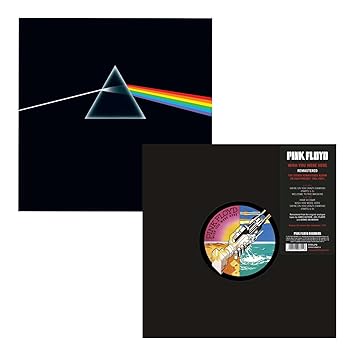
Wish You Were Here (1975) continued exploring themes of absence and alienation, directly addressing Barrett’s departure. While musically sophisticated and emotionally powerful, it never achieved The Dark Side’s commercial dominance. The album’s more overt sadness limited its mainstream appeal despite containing classics like “Shine On You Crazy Diamond.”
The Wall (1979) matched The Dark Side’s commercial success, selling over 30 million copies worldwide. However, its rock opera format and narrative specificity made it less universal. Where The Dark Side explored themes anyone could relate to, The Wall told a specific story about isolation and psychological breakdown. Both approaches proved artistically valid, but The Dark Side’s broader themes gave it wider cultural reach.
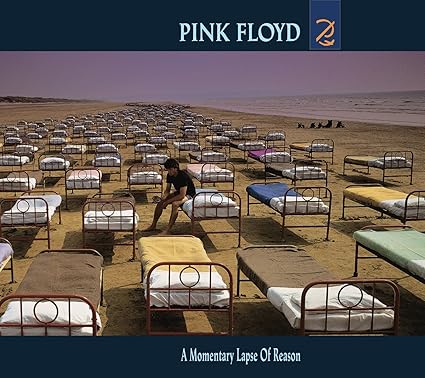
Later albums like A Momentary Lapse of Reason (1987) and The Division Bell (1994) showed Pink Floyd continuing to create quality progressive rock after Waters’ departure. However, without Waters’ conceptual vision, these albums functioned more as collections of songs than unified artistic statements. They demonstrated Gilmour’s musical prowess but lacked the thematic ambition that made The Dark Side of the Moon groundbreaking.
How to Experience The Dark Side of the Moon
The Dark Side of the Moon demands specific listening conditions to fully appreciate its sonic innovations. The album was designed as a continuous listening experience, with tracks flowing seamlessly into each other. Starting the album midway or shuffling tracks undermines the conceptual structure Waters carefully constructed.
Audio quality matters significantly. The album’s dynamic range and stereo imaging showcase high-fidelity equipment’s capabilities. Vinyl pressings offer warm analog sound that many audiophiles prefer, while recent remastered digital versions provide clarity and convenience. The 2011 remaster, overseen by original engineer Alan Parsons and mastering engineer James Guthrie, represents the definitive digital version.
Headphone listening reveals details impossible to catch through speakers. The stereo panning effects, subtle background sounds, and layered instrumentation emerge clearly when listening through quality headphones. However, the album also works beautifully on proper stereo systems, where the spatial effects can fill a room.
Context enhances understanding. Knowing the album’s themes—time, greed, conflict, mental illness—helps listeners appreciate Waters’ lyrical sophistication. Reading about the recording process reveals how innovative the production was for 1973. Understanding Syd Barrett’s story adds poignancy to “Brain Damage” and other tracks addressing psychological fragility.
Many listeners report that The Dark Side of the Moon rewards repeated listening. Initial impressions focus on the well-known tracks like “Time” and “Money,” but subsequent listens reveal the album’s deeper structures and subtler moments. The instrumental passages, sound effects, and harmonic progressions that seem like background elements initially become focal points upon familiarity.
If You Love The Dark Side of the Moon, Try These Albums




Related Pink Floyd Content
The Enduring Power of The Dark Side of the Moon
Fifty years after its release, The Dark Side of the Moon continues demonstrating why certain albums transcend their era to become timeless artistic statements. Pink Floyd created more than just a collection of songs – they crafted a meditation on human existence that speaks to fundamental truths about time, mortality, greed, and sanity. The album’s themes remain as relevant in 2024 as they were in 1973, perhaps more so given accelerating social changes and increasing mental health awareness.
The album’s production quality still impresses modern listeners accustomed to digital perfection. The care and creativity Pink Floyd and Alan Parsons invested in every sonic detail created a listening experience that rewards attention. In an era of compressed streaming audio and distracted listening, The Dark Side of the Moon reminds us that music can demand and deserve our complete focus.
For those discovering The Dark Side of the Moon for the first time, approach it with patience and proper equipment. This isn’t background music – it’s an immersive experience designed to be heard in its entirety, from the opening heartbeat to the final moments of “Eclipse.” The album represents progressive rock at its peak, demonstrating that commercial success and artistic ambition need not be mutually exclusive.
The Dark Side of the Moon stands as Pink Floyd’s crowning achievement and one of rock music’s most important albums. Its influence extends beyond music into visual art, philosophy, and cultural consciousness. Whether you’re a longtime fan or a curious newcomer, this album deserves a place in any serious music collection. It’s not just a classic – it’s essential listening that continues revealing new depths with each encounter.
Own This Masterpiece Today
Experience one of rock’s greatest achievements in your own collection. Available in multiple formats including vinyl, CD, and digital download.