

When you think about progressive rock’s pioneers, names like Rick Wakeman, Steve Howe, and Jon Anderson often come to mind. Yet, before these legends joined Yes, there was Peter Banks of Yes, the original guitarist whose innovative playing style laid the groundwork for what would become one of rock’s most influential bands. His contributions during Yes’s formative years helped define the complex, classically-influenced sound that would characterize the entire progressive rock movement.
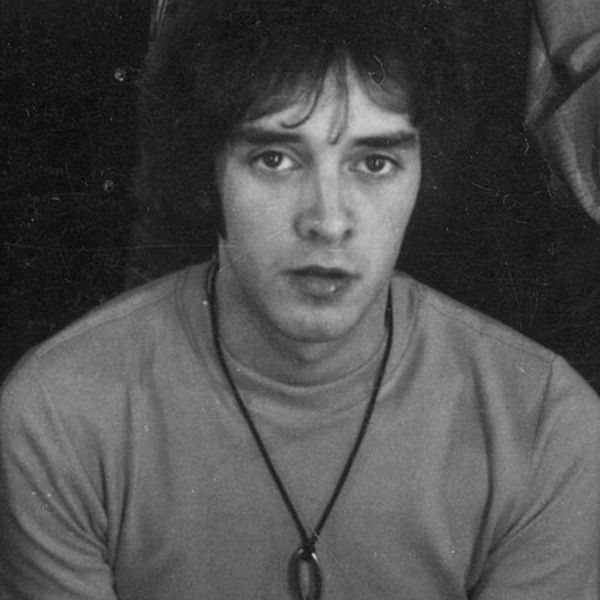
Peter Banks joined forces with Jon Anderson, Chris Squire, Tony Kaye, and Bill Bruford in 1968 to form Yes. At a time when rock music was beginning to experiment with longer compositions and intricate arrangements, Banks brought a distinctive approach to the guitar. Unlike the blues-based rock guitarists dominating the late 1960s, he incorporated jazz influences, unconventional chord voicing, and a willingness to explore uncharted musical territory. His playing wasn’t about flashy solos or raw power – it was about texture, atmosphere, and serving the song’s overall architecture.
The first two Yes albums showcase Banks’ unique musical vision. On the self-titled debut album released in 1969, you can hear his ability to blend aggression with sophistication. Tracks like “Beyond and Before” and “Survival” demonstrate his technical proficiency while maintaining accessibility. He understood how to create space within complex arrangements, allowing each instrument to breathe while contributing to a cohesive whole. This approach would become a hallmark of progressive rock, but Banks was pioneering it when the genre was still taking shape.
Affiliate Disclosure: This article contains Amazon affiliate links. If you make a purchase, I may earn a small commission at no extra cost to you.
Musical Innovations That Defined Early Progressive Rock
Peter Banks of Yes brought several revolutionary techniques to the band’s early recordings. His use of open tunings created ethereal soundscapes that set Yes apart from their contemporaries. He experimented with feedback, distortion, and unusual chord progressions that challenged listeners’ expectations. On “Time and a Word,“ the band’s second album, Banks demonstrated remarkable restraint and maturity. Rather than dominating every track with guitar pyrotechnics, he chose his moments carefully, understanding when to step forward and when to support the ensemble.
His rhythm playing deserves particular recognition. Banks created intricate patterns that interlocked with Chris Squire’s bass lines, forming a foundation that gave Tony Kaye’s keyboards and Jon Anderson’s vocals room to soar. This interplay between instruments became a defining characteristic of Yes’s sound, and Banks’ rhythmic sophistication made it possible. He wasn’t content to simply strum chords, he approached rhythm guitar as an art form unto itself.
The Creative Tensions Behind the Music
Despite his significant contributions, Peter Banks of Yes faced creative differences with other band members, particularly regarding the musical direction of the group. As Yes began incorporating more orchestral elements and extending their compositions, tensions emerged about how far to push the boundaries. Banks favored a slightly more rock-oriented approach, while other members wanted to embrace fuller orchestration and longer, more elaborate pieces.
These artistic disagreements came to a head in 1970, leading to Banks’ departure from the band just as they were on the verge of major commercial success. His exit occurred before the recording of “The Yes Album,” which would become their breakthrough release. While this timing seemed unfortunate, Banks’ influence remained embedded in the band’s DNA. The structures, approaches, and adventurous spirit he helped establish continued to guide Yes through their most successful period.
Life After Yes and Lasting Legacy
Following his departure, Banks formed Flash, another progressive rock outfit that allowed him greater creative control. Flash released three albums between 1972 and 1973, showcasing Banks’ continued evolution as a guitarist and composer. Though Flash never achieved the commercial success of Yes, these albums contain some of Banks’ finest guitar work and demonstrate the musical vision he wanted to pursue.
Throughout the 1970s and beyond, Peter Banks continued recording and performing, releasing several solo albums that explored various musical styles. His work remained respected within progressive rock circles, and he maintained connections with fans who appreciated his contributions to the genre’s early development. He collaborated with other progressive rock musicians and continued pushing his own boundaries as an artist.
The story of Peter Banks reminds you that innovation often comes from those who work in the background, establishing foundations that others build upon. Without his initial contributions, Yes might have taken a completely different path. His willingness to experiment, his technical skill, and his understanding of how to balance complexity with accessibility helped create the template for progressive rock. When you listen to those early Yes recordings, you’re hearing someone who wasn’t afraid to take risks and challenge conventions, qualities that define truly groundbreaking artists across all musical genres.
Musical Contributions and Guitar Techniques That Defined Yes’s First Two Albums
The Foundation of Progressive Rock’s Guitar Identity
Peter Banks of Yes brought a revolutionary approach to guitar playing that helped establish the foundation for progressive rock. When he joined the band in 1968, his technical proficiency and innovative mindset transformed what rock guitar could accomplish within a band setting. His work on the self-titled debut album and “Time and a Word” showcased a musician who understood that complexity and melody could coexist beautifully.
You’ll notice immediately when listening to these early recordings that Banks didn’t simply follow conventional rock guitar patterns. He incorporated jazz influences, classical structures, and experimental soundscapes that gave Yes a distinct sonic signature. His guitar work wasn’t about showing off—it served the songs while simultaneously pushing boundaries.
Technical Mastery Meets Creative Vision
Peter Banks of Yes demonstrated exceptional command over various playing techniques that set him apart from his contemporaries. His fingerpicking accuracy allowed him to execute intricate passages with remarkable clarity. You can hear this precision throughout tracks where his guitar lines weave complex patterns that complement the keyboards and vocals rather than compete with them.
His approach to tone was equally sophisticated. Banks experimented with different amplifier settings and effects to create textures that ranged from crystalline clean sounds to aggressive distortion. This sonic diversity gave the band’s early material a dynamic quality that kept listeners engaged through lengthy compositions.
The guitarist’s use of chord voicings revealed his deep understanding of harmonic theory. Instead of relying on standard rock progressions, he incorporated suspended chords, diminished intervals, and jazz-influenced structures that added sophistication to the arrangements. These choices contributed significantly to the cerebral quality that would become a hallmark of progressive rock.
Compositional Contributions That Shaped the Sound
Beyond his playing abilities, Peter Banks of Yes contributed substantially to the songwriting process. His compositions often featured unusual time signatures and structural shifts that challenged both his bandmates and audiences. This adventurous spirit helped establish Yes as pioneers willing to explore uncharted musical territory.
Several key compositional elements defined his contributions:
- Melodic guitar lines that functioned as counterpoint to vocal melodies
- Complex arrangements that seamlessly transitioned between sections
- Integration of acoustic and electric guitars to create textural depth
- Rhythmic patterns that emphasized odd meters without losing groove
- Harmonic progressions that borrowed from classical and jazz traditions
Interaction Within the Ensemble
What made Peter Banks of Yes particularly effective was his understanding of ensemble playing. He recognized that in a band featuring strong keyboard presence and intricate vocal harmonies, the guitar needed to find its space thoughtfully. His parts locked in with Chris Squire’s bass lines to create a solid foundation while leaving room for Tony Kaye’s organ work.
You’ll find throughout these early albums that Banks demonstrated remarkable restraint when necessary. He didn’t feel compelled to fill every moment with guitar activity. This maturity allowed the arrangements to breathe and gave other instruments their moments to shine. When he did step forward for solos or featured passages, they felt earned and purposeful.
Innovation Through Equipment and Effects
Peter Banks of Yes was also an early adopter of various guitar effects and techniques that weren’t common in rock music at the time. His use of feedback as a musical element rather than something to avoid showed creative thinking. He incorporated volume swells, tremolo effects, and unusual amplifier configurations to achieve sounds that audiences hadn’t heard before.
His acoustic guitar work deserves special recognition. Banks brought the same level of sophistication to acoustic passages that he applied to electric playing. The fingerpicking patterns and chord arrangements on quieter moments demonstrated that his talents extended across the full spectrum of guitar expression.
Legacy of the Early Albums
The musical foundation that Peter Banks of Yes established on these first two albums influenced countless guitarists who followed. His ability to balance technical skill with musical taste created a template for how guitar could function in progressive rock settings. The interplay between complexity and accessibility in his playing showed that challenging music could still be emotionally engaging.
His contributions proved that rock guitar didn’t need to be confined to blues-based patterns and power chords. By drawing from diverse musical traditions and applying them with intelligence and creativity, Banks helped expand what was possible within the rock format. These early recordings remain essential listening for anyone interested in understanding how progressive rock developed its distinctive character.
The Departure from Yes and Formation of Flash: A New Creative Direction
Breaking Away from Progressive Rock’s Giants
When Peter Banks left Yes in 1970, he didn’t just walk away from one of progressive rock’s most promising bands, he stepped into an uncertain future that would ultimately define his creative independence. You might wonder what drives a talented guitarist to leave a group on the verge of massive success, but Banks had his reasons. The musical differences with his bandmates had become increasingly apparent, and his vision for guitar-driven rock didn’t always align with the direction Yes was taking under the influence of newer members.
The departure marked a pivotal moment in Banks’ career. While Yes would go on to achieve commercial success with Steve Howe replacing him on guitar, Banks refused to fade into obscurity. Instead, he channeled his energy into creating something entirely his own, something that would showcase his technical abilities and compositional skills without compromise.
The Genesis of Flash
Peter Banks understood that starting fresh meant surrounding himself with musicians who shared his artistic vision. In 1971, he co-founded Flash, bringing together an impressive lineup that included vocalist Colin Carter, bassist Ray Bennett, and drummer Mike Hough. This wasn’t just another progressive rock outfit trying to capitalize on the genre’s growing popularity, it was Banks’ statement of artistic intent.
Flash represented everything Banks wanted to express musically. The band’s sound combined intricate guitar work with powerful vocals and complex arrangements that rivaled anything Yes was producing at the time. You can hear Banks’ influence throughout their recordings, from the soaring guitar solos to the sophisticated song structures that demonstrated his growth as a composer.
The formation of Flash gave Banks the creative freedom he craved. Unlike his experience with Yes, where compromises were necessary and musical directions were decided collectively, Flash allowed him to explore his ideas more fully. His guitar became the centerpiece of the band’s sound, weaving melodic lines through progressive compositions that challenged both the musicians and their audiences.
Musical Innovation and Artistic Expression
What made Flash distinctive was Banks’ approach to progressive rock. While many bands of the era relied heavily on keyboards to create their signature sounds, Banks put the guitar front and center. His playing style incorporated elements of classical music, jazz, and hard rock, creating a unique blend that set Flash apart from their contemporaries.
The band’s self-titled debut album showcased Banks’ technical prowess and compositional abilities. Tracks featured extended instrumental passages where his guitar work could truly shine, demonstrating techniques and approaches that would influence countless guitarists in the years to come. You can hear his attention to detail in every note, every carefully crafted arrangement that built upon the foundation he’d helped establish with Yes.
Flash wasn’t content to simply replicate existing progressive rock formulas. Banks pushed the boundaries of what guitar-driven prog could sound like, incorporating unexpected time signatures, dynamic shifts, and melodic progressions that kept listeners engaged. His experience with Yes had taught him valuable lessons about arrangement and composition, and he applied those lessons while forging his own path.
Commercial Reception and Critical Acclaim
The band achieved moderate commercial success, particularly in the United States where progressive rock was gaining significant traction among college audiences and FM radio listeners. Flash released three studio albums between 1972 and 1973, each showcasing Banks’ evolution as a guitarist and bandleader.
Their live performances demonstrated the band’s technical capabilities and Banks’ commanding stage presence. Unlike some progressive rock acts that struggled to recreate their studio complexity in concert settings, Flash thrived on stage. Banks’ guitar work translated beautifully to live performances, where his improvisational skills and interaction with his bandmates created memorable musical moments.
Critics recognized Banks’ contributions to progressive rock through Flash, acknowledging that he’d successfully established himself as a formidable force outside of Yes. His work with Flash proved he wasn’t merely a footnote in Yes’s early history but a talented musician capable of leading his own successful project. The albums received positive reviews that highlighted Banks’ guitar virtuosity and the band’s tight musicianship.
Legacy and Lasting Impact
Though Flash disbanded in 1973, the project served its purpose in establishing Peter Banks as a significant figure in progressive rock beyond his Yes tenure. The creative direction he pursued with Flash influenced his subsequent solo work and demonstrated his commitment to artistic integrity over commercial compromise. His decision to leave Yes and form Flash showed remarkable courage and conviction in an era when staying with an established band often seemed like the safer choice.
Legacy and Influence on Progressive Rock Guitar Playing
Peter Banks of Yes carved out a distinctive approach to guitar playing that fundamentally shaped the early progressive rock sound. His technical precision combined with classical music influences created a blueprint that countless guitarists would study and emulate for decades. While many fans remember Steve Howe as the quintessential Yes guitarist, Banks actually established the foundation during the band’s formative period, bringing sophisticated compositional ideas and innovative playing techniques that defined what progressive rock guitar could become.
The musical landscape Banks helped create emphasized complexity without sacrificing melody. You can hear his fingerprints in the way he wove intricate arpeggios through sections that demanded both speed and clarity. His work on the first two Yes albums demonstrated how rock guitar could incorporate jazz harmonies and baroque counterpoint while maintaining energy and momentum. This wasn’t just showing off—Banks understood that technical ability served the song’s emotional impact rather than existing for its own sake.
Technical Innovations That Changed the Game
Banks brought specific techniques to progressive rock that became standard practice for the genre. His use of harmonized guitar lines, where he would layer multiple guitar parts to create rich textures, influenced how bands approached studio production. You hear this methodology in the work of later guitarists who recognized that a single guitar line could be transformed into something orchestral through careful arrangement and layering.
His finger-picking style combined with electric guitar tone created possibilities that hadn’t been fully explored in rock music before. Peter Banks of Yes showed that you could achieve classical guitar articulation on an electric instrument, opening doors for players who wanted to express more nuanced dynamics. The way he balanced distorted passages with clean, crystalline tones within single compositions became a hallmark of progressive rock’s dynamic range.
The use of unconventional time signatures came naturally to Banks, who approached rhythm as another compositional element rather than a constraint. His fluid movement between different meters influenced how progressive bands structured their extended pieces. You notice this particularly in how he maintained melodic coherence even when the rhythmic foundation shifted beneath him—a skill that required both mathematical precision and intuitive musicality.
Compositional Approach and Harmonic Vocabulary
Banks brought a composer’s mindset to his guitar work, thinking in terms of movements and themes rather than simple verse-chorus structures. His contributions to Yes’s early material showcased how rock music could adopt symphonic forms without losing its essential character. The harmonic progressions he favored drew from impressionist composers, jazz standards, and English folk traditions simultaneously.
You can trace his influence through the generations of guitarists who embraced modal playing and extended chord voicings. Peter Banks of Yes understood that switching between Dorian, Phrygian, and Lydian modes created emotional shifts that amplified a composition’s narrative power. This modal approach became fundamental to progressive rock’s distinctive sound palette.
His attention to counterpoint – having multiple melodic lines interact independently while creating harmonic unity – established standards for how progressive rock bands would arrange their material. Guitar parts in this tradition don’t just support vocals or play riffs; they function as equal voices in a musical conversation. This democratic approach to instrumentation became central to the progressive rock philosophy.
Lasting Impact on Guitar Education and Performance
The techniques Banks pioneered now appear in guitar curricula worldwide, though students may not always realize they’re learning approaches he helped establish. His precise alternate picking patterns, his systematic approach to scales across the fretboard, and his integration of classical position playing into rock contexts all became standard pedagogical material.
Live performance practices in progressive rock owe much to his example. Banks demonstrated that extended instrumental sections could hold audience attention through thoughtful development rather than relying solely on virtuoso displays. His solos told stories, building tension and resolving it in ways that made musical sense rather than simply cramming in impressive licks.
Modern guitarists in bands ranging from Dream Theater to Porcupine Tree acknowledge the foundation Banks laid, even if his name doesn’t carry the same recognition as some peers. Peter Banks of Yes created an approach to guitar that prioritized musicality, composition, and sonic exploration—values that continue defining progressive rock’s highest aspirations. His work reminds you that innovation in music comes not just from technical ability but from having the vision to use that ability in service of something larger than yourself.
Remembering Peter Banks: His Final Years and Lasting Impact on Music
The Musical Journey of a Guitar Pioneer
Peter Banks of Yes carved an indelible mark on progressive rock history as the original guitarist who helped launch one of the genre’s most influential bands. His innovative approach to the electric guitar and compositional vision laid crucial groundwork for what would become the signature Yes sound. Though his time with the band was relatively brief, his contributions resonated throughout the progressive rock movement and continue to inspire musicians today.
Born Peter William Brockbanks in July 1947, this London-born guitarist developed a distinctive style that blended technical proficiency with adventurous creativity. Before joining Yes in 1968, he honed his skills in various bands, but it was his work with the pioneering progressive outfit that would define his early career. His guitar work on the first two Yes albums showcased a player unafraid to experiment with unconventional structures and tonal textures.
Creative Contributions That Shaped Progressive Rock
The guitar work Peter Banks delivered on those foundational albums demonstrated a musician ahead of his time. He approached the instrument with an orchestral sensibility, viewing the guitar as capable of producing complex harmonic layers rather than simple chord progressions. This philosophy aligned perfectly with the emerging progressive rock aesthetic that sought to elevate rock music to new artistic heights.
His playing featured intricate fingerpicking patterns, unexpected chord voicings, and melodic lines that wove seamlessly through the band’s increasingly complex arrangements. Unlike many guitarists of the era who relied heavily on blues-based patterns, Peter Banks explored jazz influences, classical music concepts, and avant-garde approaches to create something genuinely fresh.
Life After the Original Lineup
Following his departure from Yes in 1970, Peter Banks of Yes continued to pursue musical excellence through various projects. He formed Flash, another progressive rock ensemble that achieved moderate success and allowed him to further explore his compositional ideas. Flash released three albums between 1972 and 1973, each showcasing his evolving guitar style and songwriting abilities.
Throughout the subsequent decades, he remained active in the music scene, though never achieving the commercial heights of his former bandmates. He released several solo albums, collaborated with other musicians, and participated in various progressive rock projects. His solo work revealed a musician deeply committed to artistic integrity over commercial success, consistently pushing boundaries and refusing to simply recreate past glories.
The Final Chapter and Health Challenges
The later years proved challenging for Peter Banks, both professionally and personally. Health issues began to affect his ability to perform and record with the same intensity he had maintained throughout his career. Despite these obstacles, he remained engaged with his fanbase and continued working on musical projects when possible.
Financial difficulties also marked this period, a sadly common story for pioneering musicians whose contributions occurred before the era of substantial touring revenues and diverse income streams. The music industry’s changing landscape left many early progressive rock artists struggling, even as their influence continued to grow among newer generations of musicians.
Recognition and Remembrance
When Peter Banks passed away in March 2013, the progressive rock community lost one of its founding architects. Tributes poured in from musicians and fans worldwide, recognizing not just his technical abilities but his willingness to take artistic risks. His death at age 65 prompted reflection on his contributions and sparked renewed interest in his extensive body of work.
The legacy Peter Banks of Yes left behind extends beyond recorded output. He helped establish the template for what a progressive rock guitarist could be, a musician who served the song while simultaneously pushing technical and creative boundaries. His approach influenced countless players who followed, even those who may not have been directly aware of his work.
Enduring Influence on Modern Musicians
Today’s progressive musicians frequently cite early Yes albums as formative influences, and Peter Banks’ guitar work remains central to those recordings’ impact. His innovative techniques have been analyzed, discussed, and adapted by subsequent generations of players seeking to understand how progressive rock developed its distinctive voice.
Music educators and historians increasingly recognize Peter Banks of Yes as essential to understanding the genre’s evolution. His willingness to experiment with time signatures, tonal colors, and structural approaches helped create the vocabulary that progressive rock musicians still employ. The fearless creativity he demonstrated continues to inspire artists across multiple genres to prioritize artistic vision over commercial considerations.
Conclusion
Peter Banks carved out a permanent place in rock history through his pioneering guitar work with Yes and his unwavering dedication to musical innovation. His distinctive playing style on the band’s first two albums established the blueprint for progressive rock guitar, demonstrating that technical complexity could coexist with emotional depth and melodic beauty.
Though his time with Yes ended abruptly, Banks refused to let that chapter define his entire career. Flash became his vehicle for continued artistic exploration, proving he could lead a successful project and maintain his creative vision. The albums he produced during this period showcased his growth as both a guitarist and composer, earning respect from fans and fellow musicians alike.
Your appreciation for progressive rock guitar owes something to Peter Banks, whether you realize it or not. His influence ripples through generations of players who studied his techniques, adopted his approaches to song structure, and learned from his fearless experimentation. He showed guitarists that they could be more than accompaniment—they could drive the conversation in complex musical arrangements.
Banks never achieved the same commercial success as some of his contemporaries, but his artistic legacy remains undeniable. His work continues to inspire musicians exploring the boundaries between rock, classical, and jazz influences. The recordings he left behind serve as masterclasses in creative guitar playing, offering lessons that remain relevant decades after their creation.
The story of Peter Banks reminds you that sometimes the most important contributions come from those who blaze the initial trail. He helped create something genuinely new in rock music, and that achievement echoes through every progressive rock album recorded since.