

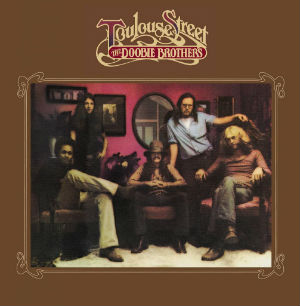
Listen to the Music by The Doobie Brothers was released in 1972 on their second album Toulouse Street and became the song that introduced the band to mainstream radio audiences across the United States.
Affiliate Disclosure: I am an Amazon affiliate and if you purchase through any amazon links on this site i may earn a small commission at no extra charge to you.
Written and sung by guitarist Tom Johnston, the song distills the band’s core appeal into three and a half minutes — a rolling groove, warm harmonies, and a simple but irresistible message about the unifying power of music itself.
Produced by Ted Templeman, Listen to the Music reached #11 on the Billboard Hot 100 and set a commercial and creative template that The Doobie Brothers would build on throughout the decade.
| Song Title | Listen to the Music |
| Artist | The Doobie Brothers |
| Album | Toulouse Street (1972) |
| Release Year | 1972 |
| Written By | Tom Johnston |
| Producer | Ted Templeman |
| Label | Warner Bros. Records |
| Chart Peak | #11 US Billboard Hot 100 |
Background and Meaning
Tom Johnston wrote Listen to the Music as a straightforward celebration of what music does for people — how it creates connection, dissolves tension, and pulls strangers together into something shared.
The song emerged from the San Jose music scene where The Doobie Brothers had been developing their tight, groove-oriented sound through constant live performances in the early 1970s.
Templeman, who produced most of the band’s Warner Bros. catalog, recognized the track’s commercial potential immediately and pushed for a recording that preserved the live energy while sharpening the arrangement for radio.
The layered guitar work between Johnston and Pat Simmons gave the song its warm, rolling texture — a quality that distinguished The Doobie Brothers from the harder rock acts sharing the radio dial in 1972.
The band’s signature vocal harmonies, stacked through the chorus, made Listen to the Music feel instantly familiar even on first listen, a quality that contributed directly to its rapid rise on the charts.
Notable Lyrics
“Oh, oh, listen to the music / All the time.”
The chorus works because it asks for almost nothing — just attention, just presence — which gives it a universal quality that more complicated messages rarely achieve.
“What the people need is a way to make ’em smile / It ain’t so hard to do if you know how.”
These opening lines set the song’s optimistic tone and frame the entire track as a kind of practical philosophy — music as a simple, available solution to human disconnection.
Cultural Impact
Listen to the Music was The Doobie Brothers’ commercial breakthrough, turning them from a regional California act into a nationally recognized band with a dedicated radio following.
The track established the band’s core sound so clearly that it became the reference point against which every subsequent Doobie Brothers record was measured, even as the lineup and style evolved through the late 1970s.
Its place on classic rock radio playlists has been essentially uninterrupted since 1972, making it one of the most continuously aired debut singles in the format’s history.
The song was re-recorded by the band in 1976 as a live version for their Best of the Doobies compilation, which introduced it to a new generation of listeners and extended its commercial life significantly.
Fun Facts
Johnston wrote Listen to the Music in roughly twenty minutes, later describing it as one of those rare songs that arrived nearly complete and required little revision before recording.
The song’s drum pattern, played by Michael Hossack, became one of the most recognizable opening beats in 1970s rock radio and was frequently cited by other drummers as a model of groove-first thinking.
The Doobie Brothers performed Listen to the Music at their 1989 Rock and Roll Hall of Fame induction ceremony, bookending a career that had evolved dramatically from the track’s original sound.
Why It Still Resonates
Listen to the Music holds its appeal because its message is genuinely timeless — the idea that music creates connection is as true now as it was in 1972.
Johnston’s vocal delivery carries none of the irony or distance that defined much of the rock songwriting of the era, and that directness has kept the track from feeling dated.
As the song that launched one of classic rock’s most beloved catalogs, it remains both a perfect introduction to The Doobie Brothers and a standalone argument for why the best rock music can say something genuinely hopeful without sounding naive.
As of this writing The Doobie Brothers are still touring and the Santana Oneness Tour 2026 have joined them for and unforgettable summer concert experience.