

Tiny Music STP: Stone Temple Pilots’ Psychedelic Masterpiece Review
Key Takeaways
- Released: March 26, 1996 via Atlantic Records
- Genre: Alternative Rock with elements of psychedelia, glam rock, jangle pop, and shoegaze
- Hit Songs: “Big Bang Baby,” “Trippin’ on a Hole in a Paper Heart,” “Lady Picture Show”
- Commercial Success: Debuted at #4 on Billboard 200, certified 2x Platinum
- Legacy: Now considered STP’s boldest creative statement and a radical departure from grunge
- Best For: Fans of psychedelic rock, David Bowie, T. Rex, and adventurous 90s alternative
Tiny Music STP stands as Stone Temple Pilots’ most daring and transformative album, a psychedelic-tinged masterwork that shattered expectations when it arrived on March 26, 1996. Released during one of the most turbulent periods in the band’s history, this third studio album saw the San Diego rockers completely reinvent themselves, trading the heavy grunge sound of Core and Purple for a kaleidoscopic blend of glam rock, jangle pop, and experimental arrangements that proved they were far more than Seattle imitators.
While many bands might have played it safe after achieving multi-platinum success, tiny music stone temple pilots represents a band willing to risk everything in pursuit of artistic evolution. Recorded at Westerly Ranch in Santa Ynez, California, with longtime producer Brendan O’Brien, the album emerged from a near-dissolution of the band, making its creative triumph all the more remarkable.
Tiny Music… Songs from the Vatican Gift Shop
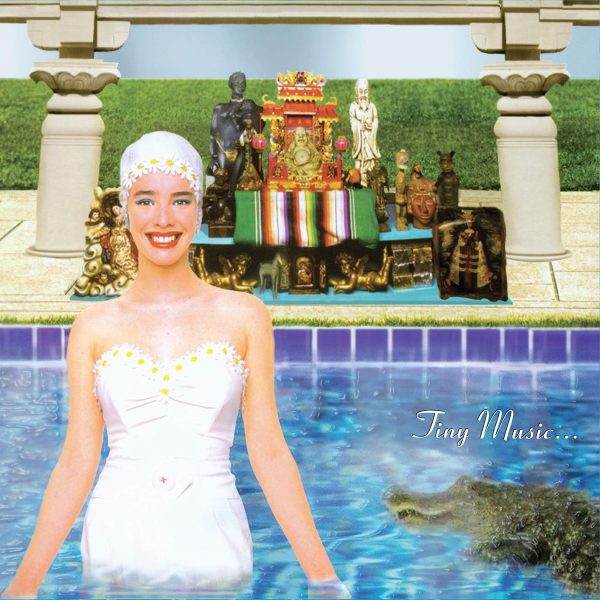
Table of Contents –
- Stone Temple Pilots’ Journey to Tiny Music
- Track-by-Track Analysis
- Listen: Big Bang Baby Video
- Musical Themes and Innovations
- Critical Reception and Chart Performance
- Cultural Impact and Legacy
- Production Credits and Personnel
- Similar Albums You’ll Love
- Frequently Asked Questions
- Why Tiny Music STP Still Matters Today
Stone Temple Pilots’ Journey to Tiny Music
The road to Tiny Music STP began with crisis and near-collapse. Following the massive success of Purple in 1994, which debuted at number one on the Billboard 200, Stone Temple Pilots faced their greatest challenge when frontman Scott Weiland‘s drug addiction spiraled out of control. In early 1995, the band was forced to scrap two weeks of recordings as Weiland’s condition deteriorated.
On May 15, 1995, Weiland was arrested for possession of heroin and cocaine. The arrest sent shockwaves through the band, with guitarist Dean DeLeo, bassist Robert DeLeo, and drummer Eric Kretz questioning whether Stone Temple Pilots could continue. During Weiland’s absence, the three instrumentalists formed the side project Talk Show with vocalist Dave Coutts, while Weiland launched his own group, the Magnificent Bastards.
The Recording Process at Westerly Ranch
In October 1995, Stone Temple Pilots reconvened in Santa Barbara with producer Brendan O’Brien to attempt a reunion. The DeLeo brothers brought approximately 30 songs they had written during the hiatus, sorting through them to determine which suited Stone Temple Pilots and which would go to Talk Show. Robert DeLeo later recalled the surreal process of deciding each song’s fate.
The band chose to record at Westerly Ranch in Santa Ynez, a 20,000-square-foot estate that became both recording studio and residence. This unconventional choice proved crucial to the album’s sound. The band transformed nearly every room into a recording space, utilizing the house’s natural acoustics rather than relying on standard studio effects. The foyer’s tiled surfaces and 20-foot ceilings created the reverb-heavy atmosphere heard on tracks like “Lady Picture Show.”
Some percussion was recorded in a large bathroom to capture ambient qualities, while certain drum tracks were laid down outdoors. Eric Kretz played the drums for “Big Bang Baby” on the front lawn, giving the track its distinctive sound. This residential approach, inspired by classic albums like Elton John’s Goodbye Yellow Brick Road, allowed for unprecedented creative freedom while keeping Weiland focused and away from temptation.
Album Concept and Direction
Unlike the more straightforward grunge approach of their first two albums, tiny music stone temple pilots embraced eclecticism and experimentation. The band consciously moved away from the Seattle sound that critics had used to dismiss them as Pearl Jam imitators. Robert DeLeo had been immersed in bossa nova during this period, and the open recording environment encouraged him to bring those influences into the sessions.
Weiland, emerging from rehabilitation, adopted a higher, raspier vocal tone for much of the album, departing from the deeper baritone of Core and Purple. He described wanting to write “Bowie-esque stream-of-consciousness lyrics that didn’t need to make sense,” embracing abstraction and surrealism over literal storytelling. The album’s playful title reflected this new artistic freedom, suggesting both the intimate scale of the songs and the curious, almost mystical nature of the music.
Track-by-Track Analysis
The twelve tracks on Tiny Music STP showcase a band completely reinventing their sound while maintaining the melodic sensibility that made them stars. Each song contributes to an album that flows like a psychedelic journey through various musical landscapes.
Track 1: “Press Play”
Length: 1:21
The album opens with an instrumental that immediately signals this is not the Stone Temple Pilots listeners expected. Featuring a Rhodes piano and atmospheric textures, “Press Play” runs just 81 seconds but establishes the album’s experimental mindset. The track feels like stepping through a doorway into a different dimension, setting a mellow, groovy tone that would have been unthinkable on Core or Purple. It’s a bold statement of intent, a palate cleanser that prepares listeners for the sonic adventures ahead.
Track 2: “Pop’s Love Suicide”
Length: 3:03
The album kicks into gear with “Pop’s Love Suicide,” a track that moves with newfound speed and ease while incorporating layered guitars and punchy rhythms. The song balances alternative rock energy with the album’s more experimental leanings. Dean DeLeo’s guitar work layers multiple textures, creating a sound more complex than the band’s earlier straightforward power chords. Weiland’s vocals showcase his higher register, dancing atop the intricate instrumental arrangement with confident swagger.
Track 3: “Tumble in the Rough”
Length: 3:54
“Tumble in the Rough” holds special significance as the only Stone Temple Pilots track credited solely to Weiland for both music and lyrics. The song leans toward punk rock with a 1960s-influenced sound, prioritizing texture and mood over directness. Critics noted its casual arrangements, which give it a loose, almost improvised feel. The track’s defiant attitude is encapsulated in Weiland’s declaration about looking for new stimulation, a line that takes on added weight given his personal struggles during this period.
Track 4: “Big Bang Baby”
Length: 2:50
The album’s lead single and breakthrough hit, “Big Bang Baby” consciously deconstructs Stone Temple Pilots’ earlier approaches. Robert DeLeo wrote the music thinking of old Little Richard records, trying to capture a 1950s beat with toms and hand claps. The result is a track that borrows from the Rolling Stones’ “Jumpin’ Jack Flash” while namedroping David Bowie’s “Station to Station.”
Weiland’s lyrics explore fame’s emptiness with surreal imagery and references to his own mortality. The song became a commentary on stardom itself, with lines about selling more records if dead proving eerily prescient. Despite its dark themes, “Big Bang Baby” radiates infectious energy, with a chorus that lodges in your brain. The track topped the Mainstream Rock chart and peaked at number 28 on the Hot 100 Airplay chart, introducing casual listeners to Stone Temple Pilots’ new direction.
Track 5: “Lady Picture Show”
Length: 3:44
Robert DeLeo wrote this track inspired by Badfinger’s “Apple Of My Eye,” creating what many consider the album’s most Beatlesesque moment. The song blends emotional closeness with distance, creating a bittersweet atmosphere enhanced by the natural reverb of Westerly Ranch’s foyer. Weiland later revealed the song addresses the traumatic subject of a dancer who suffered a gang rape and struggles to move forward.
Despite its heavy lyrical content, “Lady Picture Show” wraps pain in beautiful melodies and shimmering guitars. The track showcases Weiland’s ability to convey complex emotions through phrasing rather than volume. It became the album’s third number-one single on the Mainstream Rock chart, proving that Stone Temple Pilots could craft radio hits even while exploring darker, more sophisticated territory.
Track 6: “And So I Know”
Length: 3:22
Perhaps the album’s most surprising moment, “And So I Know” finds Weiland crooning over cocktail jazz arrangements. The song swings like a lounge band’s final number, with Weiland adopting a style miles away from his grunge roar. It’s simultaneously playful and melancholic, showcasing the band’s willingness to follow musical ideas wherever they led. This track exemplifies how tiny music stone temple pilots refused to be confined by genre expectations.
Track 7: “Trippin’ on a Hole in a Paper Heart”
Length: 2:33
The album’s most aggressive track, “Trippin’ on a Hole in a Paper Heart” features music written by drummer Eric Kretz with lyrics by Weiland. The song’s choppy, staccato feel and driving tempo create controlled chaos. Weiland described it as being about a bad acid trip, and the music captures that sense of reality fragmenting. The guitar riff bears similarity to Led Zeppelin’s “Dancing Days,” which STP had covered, showing the band’s classic rock influences.
Robert DeLeo’s bass work stands out, providing a complex, John Paul Jones-inspired foundation. The track reached number one on the Mainstream Rock chart and earned a Grammy nomination for Best Hard Rock Performance in 1997. Publications like Loudwire and Stereogum later ranked it among Stone Temple Pilots’ greatest songs, with Stereogum placing it at number one on their top ten list.
Track 8: “Art School Girl”
Length: 2:50
“Art School Girl” continues the album’s eclectic journey with a track that balances pop sensibility with alternative edge. The song’s production showcases the band’s attention to sonic detail, with layered guitars creating a wall of sound that never feels overwhelming. Weiland’s vocals play with dynamics, moving from intimate verses to soaring choruses. The track represents the album’s sweet spot between accessibility and experimentation.
Track 9: “Adhesive”
Length: 2:36
“Adhesive” features some of the album’s most direct commentary on the music industry. Weiland muses creepily about fame’s costs, singing lines about selling more records if dead near a corporate fiscal year. The song’s bitter humor and self-aware cynicism reveal a band grappling with success’s darker aspects. Musically, it maintains the album’s adventurous spirit while delivering sharp hooks and memorable melodies.
Track 10: “Ride the Cliché”
Length: 4:16
At over four minutes, “Ride the Cliché” gives the band space to explore extended arrangements and build atmospheric soundscapes. The track features some of the album’s most psychedelic moments, with guitars creating shimmering textures that evoke bands like Lush and other shoegaze acts. It’s a journey more than a traditional song, prioritizing mood and sonic exploration over conventional structure.
Track 11: “Daisy”
Length: 3:08
“Daisy” brings melodic sophistication late in the album’s sequence. The track showcases the band’s growth as songwriters, with sophisticated chord progressions and arrangements that reward repeated listening. Weiland’s vocals carry vulnerability and strength in equal measure. The song demonstrates how completely Stone Temple Pilots had evolved from their grunge origins into something more nuanced and artistically ambitious.
Track 12: “Seven Caged Tigers”
Length: 3:08
The album closes with “Seven Caged Tigers,” a bittersweet finale that provides emotional closure. The track’s melancholic beauty creates a fitting end to the psychedelic journey, leaving listeners with a sense of completion. It’s less immediately memorable than some of the album’s singles but serves as the perfect denouement, allowing the album to end on a thoughtful, introspective note rather than a bombastic statement.
Listen: “Big Bang Baby” Official Video
Experience the Bowie-influenced glam rock that helped define Tiny Music STP as a groundbreaking departure from grunge conventions.
Watch the official music video for “Big Bang Baby” from Tiny Music… Songs from the Vatican Gift Shop
Musical Themes and Innovations
What makes Tiny Music STP so remarkable is its fearless embrace of diverse musical influences. The album incorporates psychedelia, glam rock, jangle pop, shoegaze, and even bossa nova into a cohesive whole. Dean DeLeo’s guitar work became more textured and layered, moving beyond power chords to create multi-dimensional soundscapes. His approach drew from artists like T. Rex, Cheap Trick, and the Beatles, paying homage while creating something distinctly Stone Temple Pilots.
Lyrically, Weiland moved away from the more straightforward themes of the first two albums. His stream-of-consciousness approach created surreal imagery and abstract narratives that resisted simple interpretation. Songs explored fame’s dark side, personal struggle, love, loss, and industry cynicism, all wrapped in poetic ambiguity. This lyrical evolution matched the musical adventurousness, creating an album that rewards close attention and repeated listening.
The album also showcased the band’s expanded instrumental palette. Brendan O’Brien contributed Fender Rhodes, organ, clavinet, percussion, and tambourine throughout the album. Robert DeLeo played vibraphone and electric harpsichord on certain tracks. This willingness to experiment with instrumentation beyond standard rock setup gave the album its distinctive sonic character, separating it from both grunge contemporaries and the band’s own earlier work.
Critical Reception and Chart Performance
Upon release, tiny music stone temple pilots received decidedly mixed reviews from critics still expecting grunge aggression. Some reviewers dismissed it as the band trying too hard to distance themselves from the Seattle scene, failing to recognize the genuine artistic growth. Rolling Stone’s Lorraine Ali proved more perceptive, viewing it as the band’s most stylistically liberated and best “grunge-free” effort, highlighting its FM-ready hooks and arena-ready anthems.
Spin’s Charles Aaron found merit in the reinvention, calling the album “immense fun.” However, NME’s Kitty Empire offered mixed feelings, acknowledging the “expectation-confounding” musical detours while suggesting much of the record wallowed in powerchord conventions. AllMusic’s Stephen Thomas Erlewine recognized the album’s significance, stating it showcased the band “at their most tuneful and creative,” with added sounds lending depth to immediately accessible hooks.
Initial Reviews and Contemporary Reactions
The album’s stylistic departure confused some longtime fans expecting Purple Part II. Grunge purists felt betrayed by the glam and psychedelic influences, viewing the shift as commercial pandering rather than artistic evolution. However, more open-minded listeners embraced the album’s adventurousness, recognizing Stone Temple Pilots’ refusal to repeat themselves showed artistic integrity rather than opportunism.
The band faced additional challenges when Weiland’s ongoing struggles forced them to cancel most tour dates supporting the album, including a high-profile slot opening for KISS on their reunion tour. This lack of touring support hampered the album’s commercial momentum and prevented it from reaching the massive sales of Core and Purple.
Commercial Success and Certifications
Despite mixed critical reception and touring difficulties, Tiny Music STP debuted at number four on the Billboard 200 chart on April 13, 1996, selling 162,500 copies in its first week. While impressive, this marked a step down from Purple’s number-one debut. The album eventually achieved double platinum certification from the RIAA, selling over two million copies in the United States.
All three singles reached number one on the Mainstream Rock Tracks chart. “Big Bang Baby” led the charge, peaking at number 28 on the Hot 100 Airplay chart and number 18 on the Canadian RPM 100 Hit Tracks chart. “Trippin’ on a Hole in a Paper Heart” followed, earning a Grammy nomination. “Lady Picture Show” completed the trifecta, proving the album’s diverse tracks could all connect with rock radio audiences.
While the album didn’t match the commercial heights of its predecessors, its performance demonstrated Stone Temple Pilots maintained a substantial fanbase willing to follow them into new territory. The touring cancellations undoubtedly cost sales, but the album’s endurance and growing reputation over time proved its quality transcended initial commercial metrics.
Cultural Impact and Legacy
The true measure of Tiny Music STP lies not in its initial reception but in its lasting influence and growing critical appreciation. As the self-importance of the alternative scene faded and listeners gained perspective, many reevaluated the album as a bold, successful experiment rather than a misguided departure. Billy Corgan of Smashing Pumpkins publicly praised Weiland’s vocal work, comparing his phrasing to David Bowie’s ability to create a unique aesthetic sonic sphere.
In his autobiography Not Dead and Not for Sale, Scott Weiland himself called Tiny Music “STP’s most creative album” and the record he’d want on a desert island. This assessment, coming just before his tragic death in December 2015, carries particular weight. His pride in the album’s artistic risks rather than its commercial performance speaks to its genuine creative achievement.
Influence on Future Artists and Genres
While tiny music stone temple pilots didn’t spawn direct imitators, its influence appears in how it opened doors for rock bands to embrace eclecticism. The album’s success proved major rock acts could experiment with different genres without abandoning their identity. Bands like Third Eye Blind drew from the album’s ability to blend alternative edge with pop accessibility, following the path Tiny Music blazed.
The album’s psychedelic elements and willingness to incorporate vintage sounds influenced the retro-rock movement that emerged in the early 2000s. Its demonstration that 90s alternative bands could successfully channel 60s and 70s influences without seeming dated or derivative provided a template others would follow. The album showed artistic growth didn’t require abandoning what made a band special in the first place.
Retrospective Evaluations
Time has been extraordinarily kind to Tiny Music. What initially seemed like a risky left turn now appears as Stone Temple Pilots’ creative peak, the moment when all elements aligned perfectly. The 25th anniversary Super Deluxe Edition released in July 2021 introduced the album to new audiences and allowed longtime fans to rediscover its depths through early versions, instrumentals, and a complete 1997 concert recording.
Publications that initially gave mixed reviews have largely reconsidered their positions. Pitchfork’s retrospective coverage praised the album’s adventurousness. Mobile Fidelity’s decision to release an audiophile vinyl pressing speaks to the album’s enduring appeal among serious music collectors. The album regularly appears on lists of underrated 90s albums, with many critics arguing it deserves recognition alongside era-defining releases.
The album’s legacy is one of vindication. What seemed confusing or overreaching in 1996 now appears prescient and brave. Stone Temple Pilots refused to be pigeonholed, and while it cost them commercially in the short term, it secured their place as artists rather than mere products of the grunge movement.
Explore More Stone Temple Pilots
Dive deeper into the band’s complete discography with our reviews of Core, Purple, and learn about the members of Stone Temple Pilots who created these classics.
Production Credits and Album Personnel
Stone Temple Pilots:
Scott Weiland – Lead Vocals, Percussion (Track 1), Lyrics (Tracks 2-10, 12)
Dean DeLeo – Guitar (Tracks 2-10, 12), Bass (Track 1), Hand Claps, 6-String Bass Guitar
Robert DeLeo – Bass (Tracks 2-10, 12), Guitar (Tracks 1, 6, 11), Backing Vocals, Vibraphone, Electric Harpsichord, Hand Claps, Percussion
Eric Kretz – Drums (Tracks 1-10, 12), Percussion, Hand Claps, Fender Rhodes (Track 9)
Production Team:
Brendan O’Brien – Producer, Mixing, Fender Rhodes, Percussion, Hand Claps, Piano, Organ, Clavinet, Tambourine
Nick DiDia – Recording Engineer
Mark Hagen – Assistant Engineer
Bob Ludwig – Mastering
Recording Details:
Recorded: October-December 1995
Studio: Westerly Ranch, Santa Ynez, California; Hollywood Sound, Los Angeles (vocals for Tracks 10, 12)
Mixed: Southern Tracks, Atlanta, Georgia; Bad Animals, Seattle, Washington (Track 9)
Label: Atlantic Records
Released: March 26, 1996
More Stone Temple Pilots Albums
If you enjoyed Tiny Music STP, explore the complete Stone Temple Pilots discography and discover their full musical evolution:

Core
1992
The grunge masterpiece that launched STP to stardom with hits like “Plush” and “Creep.”

Purple
1994
The chart-topping sophomore album featuring “Interstate Love Song” and “Vasoline.”

Thank You
2003
The essential greatest hits collection spanning their most successful era.

MTV Unplugged
1993
Intimate acoustic performances showcasing the band’s raw talent and versatility.

No. 4
1999
Return to form with “Sour Girl” showcasing mature songwriting and renewed energy.
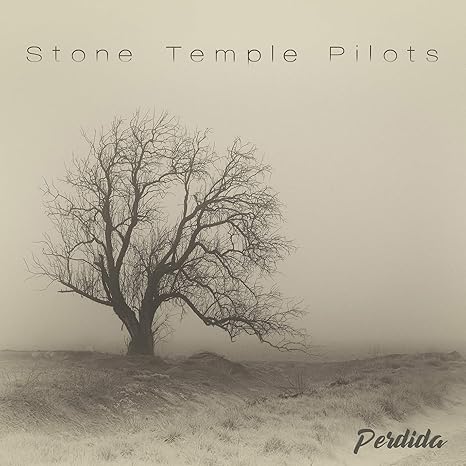
Perdida
2020
An acoustic journey revealing the band’s introspective and melodic side.

Stone Temple Pilots
2018
Self-titled album with new vocalist Jeff Gutt carrying the STP legacy forward.
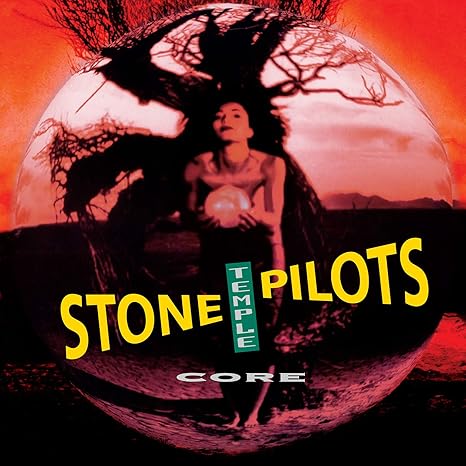
Core (2017 Remaster)
2017
The debut album remastered for superior sound quality and enhanced listening.
Frequently Asked Questions About Tiny Music STP
Conclusion: Why Tiny Music STP Still Matters Today
Nearly three decades after its release, Tiny Music STP stands as Stone Temple Pilots’ boldest artistic statement and a testament to the power of creative risk-taking. What initially seemed like a confusing departure now appears as the album where the band fully realized their artistic vision, refusing to be constrained by genre expectations or commercial pressure.
The album’s enduring relevance lies in its demonstration that successful bands can evolve dramatically without losing their identity. Stone Temple Pilots proved they were artists with vision rather than products of the grunge movement. The album’s blend of psychedelia, glam, pop, and alternative rock created something that sounds as fresh and adventurous today as it did in 1996.
For listeners discovering tiny music stone temple pilots for the first time, the album offers a masterclass in how to balance accessibility with experimentation. For longtime fans, it remains a reminder of what made Stone Temple Pilots special: musical versatility, willingness to take chances, and the chemistry between four talented musicians at the peak of their creative powers.
In the final analysis, Tiny Music matters because it captures a band transcending limitations and expectations. It’s the sound of artists choosing growth over comfort, experimentation over formula, and artistic integrity over guaranteed commercial success. That’s a lesson that remains vital for any musician, and it’s why this album will continue to inspire and influence for generations to come.
Ready to explore more 90s alternative rock history?
Check out our comprehensive guide to Stone Temple Pilots members or discover more essential albums from the 1990s!