
Stone Temple Pilots Unplugged: 1993 MTV Performance Review & Complete Analysis
Key Takeaways
- Recorded: November 17, 1993, at Sony Music Studios, New York City
- Broadcast: MTV aired the episode in January 1994
- Historic Debut: First live performance of “Big Empty” (seven months before Purple’s release)
- Setlist: “Crackerman,” “Creep,” “Plush,” “Wicked Garden,” “Sex Type Thing,” plus unreleased tracks
- Legacy: One of grunge’s most underrated acoustic performances, showcasing STP’s versatility
- Best For: Fans of Alice in Chains Unplugged, acoustic grunge, and 90s alternative rock
Stone Temple Pilots Unplugged captured one of the most pivotal moments in the band’s career, recorded at a time when critics still dismissed them as grunge imitators yet fans recognized their singular vision. Filmed on November 17, 1993, at Sony Music Studios in New York City, this intimate acoustic performance revealed the musical depth that heavy amplification often obscured. With Scott Weiland seated in an iconic rocking chair and the DeLeo brothers armed with acoustic guitars, the band delivered stripped-down versions of Core classics that emphasized their psychedelic and folk influences.
The performance holds historic significance beyond its artistic merit. Stone Temple Pilots unplugged session marked the world debut of “Big Empty,” a song that wouldn’t appear on their sophomore album Purple until June 1994. This makes the MTV Unplugged taping not just a retrospective of Core’s success but a glimpse into the band’s evolving sound. While overshadowed by Alice in Chains’ and Nirvana’s legendary Unplugged performances, STP’s acoustic set deserves recognition as one of grunge’s most revealing and underrated unplugged moments.
MTV Unplugged 1993

Table of Contents –
- STP’s Journey to MTV Unplugged
- Performance Track-by-Track Analysis
- Watch: Big Empty MTV Unplugged Performance
- Acoustic Arrangements and Musical Approach
- Critical Reception and Contemporary Reviews
- Cultural Impact and Legacy
- Performance Credits and Personnel
- Essential Stone Temple Pilots Albums
- Frequently Asked Questions
- Why This Performance Still Matters Today
Stone Temple Pilots’ Journey to MTV Unplugged
By late 1993, Stone Temple Pilots found themselves in a paradoxical position. Their debut album Core had sold millions of copies, peaked at number three on the Billboard 200, and spawned hits like “Plush” and “Creep” that dominated rock radio. Yet music critics remained skeptical, with Rolling Stone’s readers voting them Best New Band while the magazine’s writers simultaneously named them Worst New Band in January 1994.
The MTV Unplugged invitation offered Stone Temple Pilots a crucial opportunity to prove their detractors wrong. The acoustic format had become prestigious following breakthrough performances by Eric Clapton, Pearl Jam, and Nirvana. For a band accused of being derivative grunge imitators who relied on heavy amplification and distortion, an unplugged performance represented both risk and opportunity.
The Recording Session
Stone Temple Pilots recorded their MTV Unplugged performance on November 17, 1993, at Sony Music Studios in New York City. The band brought along additional musicians Shawn Tubbs on guitar and backing vocals and Lonnie Tubbs on percussion to flesh out the acoustic arrangements. Scott Weiland famously performed much of the set seated in an oversized rocking chair, creating an intimate, living-room atmosphere that contrasted sharply with the band’s typically energetic stage presence.
The session proved more challenging than anticipated. Some critics noted that STP’s sound, built on dense layers of distorted guitars and heavy amplification, didn’t translate as naturally to acoustic arrangements as bands like Alice in Chains or Nirvana. The band had to completely reimagine songs that derived much of their power from electric intensity.
Strategic Song Selection and Performance Goals
The setlist drew primarily from Core, the album that had made them stars. However, the band made a bold decision to debut “Big Empty,” a song they had recently recorded for The Crow soundtrack and their upcoming second album Purple. This wasn’t just nostalgia, it was a statement about artistic evolution. The country-tinged, melancholic “Big Empty” proved perfectly suited for the unplugged format, featuring Dean DeLeo’s haunting slide guitar and tight harmonies between Weiland and bassist Robert DeLeo.
The band also included a cover of David Bowie’s “Andy Warhol,” demonstrating their influences beyond the Seattle grunge scene. This choice revealed the psychedelic and glam rock elements that would become more prominent on their later albums, particularly 1996’s Tiny Music… Songs from the Vatican Gift Shop.
Performance Track-by-Track Analysis
The Stone Temple Pilots unplugged setlist showcased both the strengths and limitations of translating electrically-driven grunge to acoustic instrumentation. Each performance revealed new layers within songs fans thought they knew intimately.
Track 1: “Crackerman” (Acoustic)
Original Length: 3:14
Opening with “Crackerman” was a daring choice. On Core, this track’s power came from its heavy, grinding riffs and explosive energy. Stripped down, the acoustic version emphasized Weiland’s vocal melody and the song’s underlying blues structure. The performance revealed the song’s debt to Led Zeppelin’s acoustic experiments, with Robert DeLeo’s bass providing a hypnotic foundation while Dean DeLeo’s acoustic guitar work showcased technical precision often buried beneath distortion. Weiland’s vocal delivery, freed from competing with wall-of-sound production, demonstrated his range and control.
Track 2: “Creep” (Acoustic)
Original Length: 5:13
“Creep” benefited immensely from the unplugged treatment. The song’s jazzy, psychedelic chord progression and introspective lyrics suited the intimate setting perfectly. Weiland’s performance of the memorable hook proved he could deliver emotional depth without relying on studio production. The acoustic arrangement highlighted the song’s debt to 1960s psychedelic rock, particularly Pink Floyd, an influence often overshadowed by grunge comparisons. Dean DeLeo’s understated guitar work allowed the song’s melancholic mood to take center stage, while Eric Kretz’s restrained drumming provided subtle dynamics that the original’s heavy-handed approach sometimes obscured.
Track 3: “Plush” (Acoustic)
Original Length: 5:13
Perhaps the performance’s most anticipated moment, “Plush” had already proven successful in acoustic format when Weiland and Dean DeLeo performed it on MTV’s Headbangers Ball in 1992, a rendition many consider one of Weiland’s greatest vocal performances. The unplugged version delivered similar magic. The song’s structure, alternating between soft verses and explosive choruses, adapted naturally to acoustic instrumentation. Weiland’s vocal control during the quieter passages and his ability to summon power without amplification backup demonstrated technical mastery. The performance reminded audiences why “Plush” had won both an MTV Video Music Award and a Grammy for Best Hard Rock Performance.
Track 4: “Big Empty” (World Premiere)
Length: 4:54
The undisputed highlight of Stone Temple Pilots unplugged came with the world debut of “Big Empty.” Seven months before Purple’s release, this performance gave fans their first taste of the band’s evolving sound. The song seemed written specifically for acoustic performance, almost a country ballad with Dean DeLeo’s slide guitar providing haunting texture. Weiland’s lyrics explored themes of emptiness and isolation with maturity beyond the angst-driven Core material.
The performance proved so compelling that when MTV needed to promote The Crow soundtrack in May 1994, they broadcast this unplugged version in heavy rotation rather than commissioning an official music video. This decision underscored the performance’s quality and emotional resonance. “Big Empty” would peak at number three on Billboard’s Mainstream Rock chart and number seven on the Modern Rock chart, with many fans first discovering it through this intimate acoustic rendition.
Watch: Stone Temple Pilots MTV Unplugged 1993 (Full Performance)
Experience the complete stone temple pilots unplugged performance including the world premiere of “Big Empty,” acoustic versions of “Plush” and “Creep,” and the intimate atmosphere that made this one of the 90s’ most underrated sessions.
Watch the complete Stone Temple Pilots MTV Unplugged performance from November 17, 1993
Track 5: “Wicked Garden” (Acoustic)
Original Length: 4:05
“Wicked Garden” represented one of the performance’s greater challenges. The original’s power derived from its heavy riff and aggressive energy exploring themes of lost innocence. The acoustic arrangement emphasized the song’s melodic foundation and allowed Weiland’s lyrics about disillusionment to resonate more clearly. While lacking the visceral impact of the electric version, the performance revealed sophisticated songwriting underneath the grunge exterior.
Track 6: “Sex Type Thing” (Acoustic)
Original Length: 3:38
Closing with “Sex Type Thing” was another bold choice. The song’s controversial lyrics examining toxic masculinity from the perpetrator’s perspective had sparked debate since Core’s release. Stripped of its aggressive musical backdrop, the acoustic version took on an almost jazzy quality, transforming the song from a grinding rocker into something closer to a noir jazz piece. This reinterpretation made the song’s satirical intent more apparent, though some critics questioned whether the acoustic treatment diminished the song’s confrontational power.
Track 7: “Andy Warhol” (David Bowie Cover)
Length: Approximately 3:45
The David Bowie cover, though not included in the original MTV broadcast, appeared on bootleg recordings and later official releases. This choice demonstrated STP’s artistic influences beyond the Seattle scene, connecting them to glam rock and art rock traditions. Weiland’s interpretation paid respectful homage to Bowie while making the song his own, showcasing vocal versatility that critics often overlooked.
Musical Themes and Performance Innovations
What emerged from Stone Temple Pilots unplugged was a band far more musically diverse than critics acknowledged. The acoustic arrangements revealed psychedelic, folk, blues, and even country influences woven throughout their material. Songs that seemed like straightforward grunge rockers on Core revealed complex chord progressions, sophisticated melodic construction, and lyrical depth when stripped to their essentials.
The performance also highlighted the musical chemistry between the DeLeo brothers. Dean’s guitar work, ranging from delicate fingerpicking to aggressive strumming, demonstrated technical versatility, while Robert’s bass playing provided melodic counterpoint rather than simple rhythmic foundation. Eric Kretz’s drumming showed remarkable restraint, understanding when to lay back and when to drive the songs forward.
Critical Reception and Contemporary Reviews
The critical response to Stone Temple Pilots unplugged proved mixed, reflecting ongoing debates about the band’s artistic legitimacy. When the episode aired in January 1994, the Baltimore Sun published a particularly harsh review, suggesting the format exposed the band’s limitations rather than revealing hidden depths.
Initial Reviews and Contemporary Reactions
Some critics argued that STP’s sound was too dependent on heavy amplification to translate successfully to acoustic format. The Baltimore Sun review noted that the dense intensity of Core came from amplified guitar attack, and stripping that away left the songs feeling hollow. This perspective suggested the band lacked the songwriting sophistication that allowed acts like Alice in Chains or Nirvana to thrive in acoustic settings.
However, fan reaction told a different story. Many viewers appreciated seeing a more vulnerable side of the band, particularly Weiland’s vocals. The “Big Empty” debut generated significant excitement, and the performance helped maintain momentum between Core’s massive success and Purple’s highly anticipated release.
Broadcast and Release History
MTV aired the Stone Temple Pilots Unplugged episode in January 1994, though notably without “Big Empty” and “Andy Warhol” in the original broadcast. When Purple dropped in June 1994 and “Big Empty” became a single, MTV placed the unplugged performance into heavy rotation as a de facto music video, introducing millions to the song through this acoustic version.
The performance’s complicated release history reflected its unofficial status. Unlike Alice in Chains or Nirvana’s Unplugged sessions, which received official album releases that achieved platinum certification, STP’s unplugged performance remained officially unreleased for decades. Various bootleg recordings circulated among fans, and partial performances appeared on the Core 25th Anniversary Super Deluxe Edition in 2017.
In 2016 and subsequent years, unofficial vinyl pressings of the performance surfaced, with varying sound quality. These releases generated mixed reviews, with collectors praising the historic value while criticizing audio quality and abrupt editing between tracks. The lack of an official, properly mastered release remains a point of frustration for fans who consider the performance essential STP documentation.
Cultural Impact and Legacy
While Stone Temple Pilots unplugged never achieved the iconic status of Nirvana’s or Alice in Chains’ MTV Unplugged performances, its historical significance has grown over time. The performance captured a crucial transitional moment for the band and offered insights into their artistic vision that critics initially missed.
Influence on Band’s Trajectory and Genre Evolution
The unplugged experience influenced Stone Temple Pilots’ subsequent work. Purple, released six months after the taping, featured more acoustic elements and demonstrated greater musical diversity than Core. Songs like “Interstate Love Song” and “Pretty Penny” showed the band incorporating folk and country influences that the unplugged performance had highlighted. By the time of Tiny Music… Songs from the Vatican Gift Shop in 1996, STP had fully embraced musical experimentation, incorporating psychedelic rock, glam, and British Invasion influences.
For grunge history, the performance documented an important moment when the genre’s commercial peak intersected with artistic soul-searching. While Nirvana’s unplugged session occurred just months later and ended up being one of Kurt Cobain’s final performances, STP’s session showed a band at the beginning of their journey rather than its end. This context makes it valuable as a document of possibility rather than elegy.
Retrospective Evaluations and Modern Appreciation
Modern reassessments of Stone Temple Pilots have been more generous than 1990s criticism. MTV’s James Montgomery published an article questioning whether critics were wrong about STP from the beginning, suggesting the band deserved more respect than they received. The unplugged performance features in these reassessments as evidence of depth critics initially missed.
Contemporary viewers discovering the performance through YouTube or bootleg recordings often express surprise at the quality. Comments frequently note Weiland’s vocal prowess, the musical sophistication revealed by acoustic arrangements, and the performance’s underrated status compared to more celebrated unplugged sessions. For many younger fans, this performance serves as an introduction to STP beyond their radio hits.
The “Big Empty” debut remains the performance’s most celebrated moment, with many fans considering the unplugged version definitive. The song’s success validated the band’s artistic evolution and proved they could transcend the grunge label critics had applied.
Explore More Stone Temple Pilots
Dive deeper into STP’s complete discography with our comprehensive guide to Stone Temple Pilots members or discover their evolution through Core and Purple album reviews.
Performance Credits and Personnel
Stone Temple Pilots:
Scott Weiland – Lead Vocals
Dean DeLeo – Acoustic Guitar, Slide Guitar
Robert DeLeo – Bass Guitar, Backing Vocals
Eric Kretz – Drums, Percussion
Additional Musicians:
Shawn Tubbs – Additional Guitar, Backing Vocals
Lonnie Tubbs – Additional Percussion
Production Details:
Recorded: November 17, 1993
Location: Sony Music Studios, New York City
Broadcast: MTV, January 1994 (original airing)
Series: MTV Unplugged
Essential Stone Temple Pilots Albums
If you enjoyed Stone Temple Pilots unplugged, these essential STP albums showcase the band’s evolution and musical diversity:

Core
1992
The 8x platinum debut that launched STP to stardom with “Plush,” “Creep,” and “Sex Type Thing.” Raw grunge power that defined early 90s alternative rock.
Read Review
Purple
1994
The chart-topping sophomore album featuring “Interstate Love Song” and “Big Empty.” More musically diverse than Core, proving STP’s artistic growth.
Read Review
Tiny Music… Songs from the Vatican Gift Shop
1996
STP’s psychedelic, glam-influenced masterpiece. “Big Bang Baby” and “Trippin’ on a Hole” showcase the band at their most experimental and confident.
Read Review
No. 4
1999
A return to heavier rock with “Sour Girl” becoming a major hit. Balances aggression with melody in true STP fashion.
View Album
Thank You
2003
Essential greatest hits collection spanning the band’s golden era. The perfect introduction to STP’s diverse catalog and consistent excellence.
View Album
Stone Temple Pilots (2010)
2010
The reunion album that proved STP still had creative fire. “Between the Lines” showed the band hadn’t lost their edge after years apart.
View Album
Alive in the Windy City
2012
Explosive live album capturing STP’s 2010 reunion tour energy. Proves their classics translate powerfully to the concert stage after all these years.
View Album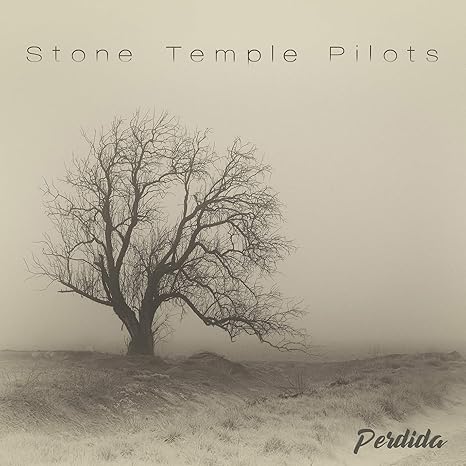
Perdida
2020
An acoustic, introspective album showing STP’s mature side. Echoes the intimacy of their Unplugged performance while exploring new territory with Jeff Gutt.
View AlbumFrequently Asked Questions About Stone Temple Pilots Unplugged
Conclusion: Why Stone Temple Pilots Unplugged Still Matters Today
Stone Temple Pilots unplugged captures a band at a crossroads, proving to skeptics that substance existed beneath the grunge exterior while showing fans a more vulnerable artistic vision. The performance’s historical significance extends beyond the music itself to represent a pivotal moment in 1990s rock when commercial success didn’t guarantee critical respect.
Three decades later, the performance gains value as grunge nostalgia grows and reassessments recognize STP’s contributions to 1990s rock. The “Big Empty” debut alone justifies the session’s importance, but the complete performance reveals a band more musically sophisticated than critics acknowledged. While it may never achieve the iconic status of Nirvana’s or Alice in Chains’ unplugged sessions, it deserves recognition as an underrated gem of the MTV Unplugged series.
For fans discovering Stone Temple Pilots today, this performance offers essential context for understanding the band’s artistic evolution from Core’s grunge intensity to Purple’s musical diversity and beyond. It shows Scott Weiland at his vocal peak, the DeLeo brothers’ musical chemistry, and hints at the experimental directions the band would explore throughout their career.
The lack of a proper official release remains frustrating, but the performance’s availability through various channels ensures new generations can discover this important piece of grunge history. It stands as testament to a band that deserved more respect than 1990s critics offered and whose music has proven more durable than many contemporaries who received warmer initial reviews.
Ready to explore the complete Stone Temple Pilots story?
Discover our complete guide to Stone Temple Pilots members or dive into individual eras with our reviews of Core, Purple, and Tiny Music!