

Songs from the Big Chair: Tears for Fears’ Defining Masterpiece
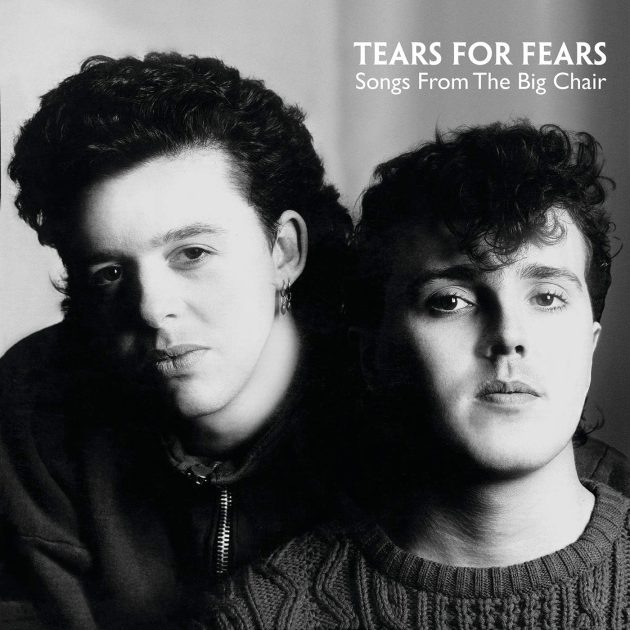
Songs from the Big Chair is the album that turned Tears for Fears from a promising synth-pop act into one of the biggest bands of the 1980s.
If you want the full story on the duo behind this record, the Tears for Fears members guide covers Roland Orzabal and Curt Smith in deep detail.
Quick Navigation
The Story Behind the Album
By 1984, Roland Orzabal and Curt Smith were under enormous pressure.
Their debut, The Hurting, had gone to number one in the UK, but the follow-up had to prove it was no fluke.
The album’s title references the “big chair” used in primal therapy, a concept central to Arthur Janov’s work that heavily influenced Orzabal’s songwriting.
The sessions stretched across two years, with producer Chris Hughes and engineer Ross Cullum helping craft a sound far more expansive than anything on the debut.
The band were meticulous, sometimes obsessively so.
Every drum hit, every synthesizer pad, every bass pulse was considered and reconsidered.
That obsession paid off in a way few records from the era can match.
The Sound of Songs from the Big Chair
This is a big-sounding record, but it never feels bloated.
The production sits in that rare sweet spot where ambition and restraint coexist.
Manny Elias’s live drums anchor tracks that could easily have floated away on a sea of synthesizers.
The bass work is warm and round, giving the low end genuine weight.
Orzabal’s guitar playing is understated but precise, adding texture without cluttering the mix.
Ian Stanley’s keyboards define the sonic palette, lush without being saccharine.
You can hear the influence of Kate Bush and Peter Gabriel in the album’s dramatic scope, but the result is entirely Tears for Fears’ own.
If you want to hear this record in full, the complete album stream on YouTube is the easiest way to experience it front to back.
Affiliate Disclosure: As an Amazon Associate, I earn from qualifying purchases. If you click on an Amazon link on this site and make a purchase, I may earn a small commission at no extra cost to you. This helps keep ClassicRockArtists.com running and allows me to keep writing in-depth content on the legends of rock. Thank you for your support!
Get Songs from the Big Chair on Amazon
Songs from the Big Chair Highlight: Shout
“Shout” opens the album and it sets the tone immediately.
The song builds from a hushed, almost meditative verse into a chorus that genuinely earns the word anthemic.
It reached number four on the Billboard Hot 100 and spent weeks near the top of charts on both sides of the Atlantic.
But chart positions don’t explain why it still hits the same way forty years later.
The lyric is about the power of speaking truth against conformity, and it lands with a conviction that most protest songs never achieve.
Roland’s vocal delivery is controlled but urgent, never tipping into melodrama.
The outro, with its repeated mantra, is one of the great album-closing moments of the decade, even though it appears early in the running order.
Everybody Wants to Rule the World
Few singles in pop history have aged as gracefully as this one.
The guitar riff that opens the track is instantly recognizable, breezy and slightly melancholy at the same time.
Read the full breakdown in the dedicated piece on Everybody Wants to Rule the World.
It won the Brit Award for Best British Single in 1986, which tells you how the industry felt about it.
More importantly, it topped charts in the United States and the UK simultaneously, a feat that confirmed the band’s global reach.
Lyrically, it pairs an almost carefree musical feel with a lyric about the hunger for power and control.
That contrast is deliberate, and it is what makes the song more interesting than its radio-friendly surface suggests.
The Deep Cuts That Reward Patient Listeners
The singles get all the attention, but the album tracks are where the real depth lives.
“The Working Hour” is a slow-building, saxophone-drenched piece that runs over six minutes and earns every second.
Neil Taylor’s saxophone work on that track is one of the most underrated performances on any 80s album.
“I Believe” closes the record with a kind of bruised hopefulness that most pop albums never attempt.
“Listen” is raw and almost uncomfortable in its emotional directness.
These tracks reveal a band unwilling to let commercial success dictate artistic ambition.
Check out the album reviews section for more deep-dives into classic records from this era.
The Legacy of Songs from the Big Chair
Forty years on, this album holds up without apology or asterisk.
To mark the anniversary, the band released expanded editions with rare material, and you can see the official preview on the Tears for Fears Facebook page.
The full history of that milestone is covered in the article on Tears for Fears celebrating 40 years.
The album influenced a generation of bands working in the intersection of emotional songwriting and layered, ambitious production.
You can hear its fingerprints on everyone from Radiohead to Arcade Fire.
It also established a template for how to make a follow-up album that doesn’t just match the debut but obliterates it.
For a complete overview of where this record fits in their catalogue, the Wikipedia entry on Songs from the Big Chair provides solid historical context.
If you want to explore more from this period, the 80s music coverage on this site goes wide and deep.
Tears for Fears Discography Snapshot
- The Hurting (1983)
- Songs from the Big Chair (1985)
- The Seeds of Love (1989)
- Elemental (1993)
- Raoul and the Kings of Spain (1995)
- The Tipping Point (2022)
Browse Tears for Fears Albums and Merch on Amazon
FAQ: Songs from the Big Chair
What does the title Songs from the Big Chair mean?
The “big chair” refers to the oversized therapist’s chair used in primal therapy, a concept central to Arthur Janov’s work that deeply influenced Roland Orzabal’s lyrical approach on this album.
How did the album perform commercially?
It reached number one in the United Kingdom and number one in the United States, selling over five million copies in the US alone and over thirteen million worldwide.
Which singles came from Songs from the Big Chair?
The album produced three major singles: “Shout,” “Everybody Wants to Rule the World,” and “Head Over Heels.”
Is Songs from the Big Chair considered a classic?
Without question. It regularly appears on lists of the greatest albums of the 1980s and remains one of the defining records of the decade’s sound and emotional register.
Where can I buy Songs from the Big Chair?
You can find physical copies, vinyl editions, and digital versions through major music retailers. Vinyl and CD options are also available through Amazon.
Songs from the Big Chair remains essential listening for anyone serious about understanding what made 1980s pop music matter at its absolute best.