

Charlie Watts: The Eternal Heartbeat of The Rolling Stones
Charlie Watts was the legendary drummer who provided the indispensable heartbeat for the greatest rock band in history.
He remained the steady anchor of the group for over half a century of global success.
His unique jazz sensibility separated the band from every other rock and roll act of their generation.
While his bandmates embraced the spotlight he preferred to remain a cool and collected presence behind the kit.
He navigated the shifting landscapes of popular music with unmatched grace and consistency.
His career began in the small clubs of London before reaching the largest stadiums on the planet.
He was respected by fellow musicians as the gold standard for timing and professional conduct.
His influence is felt in every modern record that prioritizes groove over flashy technique.
Beyond his drumming he was also a talented artist who helped shape the visual identity of his band.
He brought a level of sophistication to the rock scene that remains rare even today.
His journey is a remarkable story of dedication to the craft of rhythm.
He grew up listening to the masters of jazz which informed his entire approach to the instrument.
This background allowed him to create a swing that other drummers could never fully replicate.
He was the soul of the band through decades of creative evolution and massive world tours.
Every beat he played was a reflection of his quiet confidence and deep musical knowledge.
He remained a humble student of music even after achieving the highest levels of fame.
His passing marked the end of an era for millions of fans across the world.
However his legacy is preserved in a catalog of music that will live on forever.
He will always be remembered as the quintessential gentleman of rock and roll.
His life was a study in style, restraint, and impeccable timing.
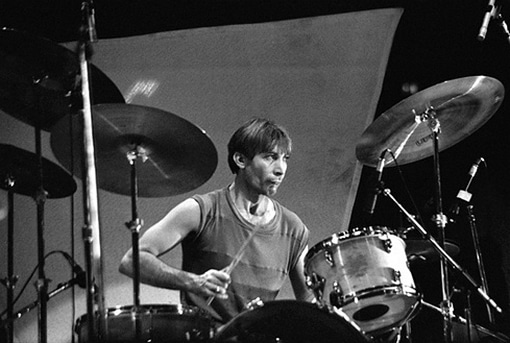
Table of Contents
- Early Years and the Jazz Influence on Charlie Watts
- Finding a Path with Blues Incorporated
- Defining the Signature Sound of Charlie Watts
- The Golden Era of The Rolling Stones
- Creating Masterpieces in the Seventies
- Confronting the Career Challenges of Charlie Watts
- The Jazz Rebirth and Modern Successes
- The Global Legacy of Charlie Watts
- Essential Discography
- Frequently Asked Questions
Early Years and the Jazz Influence on Charlie Watts
Born Charles Robert Watts on June 2, 1941, he was raised in a modest home in Wembley, London.
His father worked as a lorry driver for British Railways while his mother managed the household.
He grew up in a prefab house which was a staple of post-war British life.
His musical education began early when he started collecting jazz records by artists like Miles Davis.
A childhood friend named Dave Green shared his intense passion for the genre.
He was particularly drawn to the sophisticated style of drummers like Kenny Clarke and Chico Hamilton.
His first foray into music involved playing a banjo which he soon found unsatisfactory.
He eventually converted the banjo body into a make-shift drum before acquiring a real kit in 1955.
His parents were supportive of his hobby and encouraged his artistic pursuits at Tylers Croft Secondary Modern School.
He later attended art school to study graphic design which remained a lifelong interest.
By the time he was eighteen he was already playing in jazz clubs across London at night.
He also worked for a local firm called Charlie Daniels Studios to earn a steady living.
His early immersion in the jazz world gave him a unique rhythmic foundation that few others possessed.
Finding a Path with Blues Incorporated
In 1961 he met Alexis Korner who was a pioneering figure in the British rhythm and blues movement.
Korner invited him to join his band Blues Incorporated which was a vital part of the city’s music scene.
He spent a short time working as a graphic designer in Denmark before returning to London to accept the offer.
Playing with Korner allowed him to transition from pure jazz to the emerging sounds of American blues.
The band performed regularly at the Ealing Club where many future legends gathered.
It was here that he first crossed paths with a young and ambitious Brian Jones.
Furthermore he encountered Mick Jagger and Keith Richards who were frequent visitors to the club.
They were immediately impressed by his professional approach and his unwavering sense of timing.
The young rockers realized that he was the missing piece they needed for their own fledgling group.
He was initially hesitant because the group had no money or permanent bookings at the time.
However they eventually convinced him to join the lineup in January 1963.
His arrival marked the beginning of a musical partnership that would change the world forever.
Defining the Signature Sound of Charlie Watts
The early 60s saw the band quickly rise from obscurity to international superstardom.
He brought a level of discipline to the members of the Rolling Stones that defined their studio output.
Their debut record titled the Rolling Stones showcased his raw energy and bluesy feel.
Fans can learn more about this era through the the Rolling Stones debut pressed and poured set in honor of National Vinyl Record Day.
His playing on the Rolling Stones Paint It Black 1966 demonstrated his ability to create dark and complex textures.
He famously developed a technique of skipping the hi-hat on the backbeat to give the music a unique lift.
This subtle choice created the signature swing that became the foundation for their greatest hits.
The band achieved massive radio success with tracks like Jumping Jack Flash which relied on his driving rhythm.
He remained a pillar of stability during their first global tours as the world fell in love with their sound.
The 1968 release of the Rolling Stones Beggars Banquet marked a creative breakthrough for the entire group.
On this album he provided the hypnotic percussion for the Rolling Stones Sympathy For The Devil.
His ability to hold a steady beat while the guitars explored loose blues riffs was truly remarkable.
He followed this with the heavy and gritty performance found on the Rolling Stones Let It Bleed.
This record included the powerful and apocalyptic Gimme Shelter the Rolling Stones.
He also displayed his versatility on the soul-inflected Honky Tonk Women the Rolling Stones.
His presence was the glue that held the band together through periods of intense internal change.
He was the only drummer who could truly match the erratic yet brilliant playing of Keith Richards.
Their musical dialogue became the most celebrated rhythm section in rock history.
He never felt the need to play more than the song required which made every fill count.
This restraint earned him the respect of jazz and rock musicians alike across the industry.
He also contributed his graphic design skills to the cover of the Between the Buttons album.
His involvement in the visual side of the band was another example of his quiet multi-talented nature.
Significantly he remained married to his wife Shirley Shepherd from 1964 until his death.
This personal stability stood in sharp contrast to the chaotic lifestyles of many of his peers.
The Golden Era of The Rolling Stones
The 70s began with a string of albums that are now considered timeless masterpieces.
The record the Rolling Stones Sticky Fingers cemented their status as the kings of rock.
It featured the driving and dirty groove of the Rolling Stones Brown Sugar which dominated the airwaves.
He also showed his incredible touch on the acoustic and soulful Wild Horses the Rolling Stones.
The band then moved to France to record the sprawling and dangerous the Rolling Stones Exile On Main St.
His drumming on Tumbling Dice the Rolling Stones is widely regarded as a pinnacle of rock feel.
He managed to navigate the basement sessions with a steady hand despite the excessive surroundings.
In 1973 they released the Rolling Stones Goats Head Soup which featured a more polished sound.
This album included the global hit ballad the Rolling Stones Angie 1973.
Furthermore he continued to anchor the group on the often overlooked Rolling Stones Black and Blue reissue sessions.
The end of the decade saw them embrace disco and punk influences on the Rolling Stones Some Girls.
The lead single the Rolling Stones Miss You became a massive success thanks to his perfect dance groove.
He remained the only member other than Jagger and Richards to appear on every single studio recording.
His consistency was the bedrock upon which the entire Stones legacy was built over the years.
Every stadium show began with the count of his sticks and ended with his polite bow to the crowd.
Confronting the Career Challenges of Charlie Watts
The 80s brought several significant personal and health-related trials for the drummer.
In the middle of the decade he struggled with a brief addiction to heroin and alcohol.
He later attributed this period to a mid-life crisis and the extreme pressures of their fame.
However he successfully overcame these issues and returned to his disciplined and healthy lifestyle.
During this time the band released the Rolling Stones Start Me Up 1981 which remained a staple of their set.
Another major hurdle arrived in 2004 when he was diagnosed with throat cancer.
He underwent a six-week course of intensive radiotherapy and made a full and remarkable recovery.
He was able to return to his place on the drum stool within a few months to join the band on tour.
He also served as a mediator during the many public disputes between Jagger and Richards.
His quiet authority was the only force that could truly keep the band from flying apart.
He never lost his dignity even during the most difficult moments in the group’s long history.
The Jazz Rebirth and Modern Successes
In the 90s he began to spend more time pursuing his first love of jazz music.
He formed the Charlie Watts Quintet and performed at legendary venues like Ronnie Scott’s Jazz Club.
Back in the rock world the band continued to release new music like the Rolling Stones Love Is Strong 1994.
Fans can still experience their incredible live energy in the Rolling Stones IMAX concert film returns December 2025.
He also continued to record with the band into the new millennium with the hit single the Rolling Stones Angry.
His final studio recordings can be heard on the acclaimed album the Rolling Stones Hackney Diamonds.
He personally recommended that Steve Jordan take his place for live shows when his health began to fail.
The band also continues to feature long-time bassist Darryl Jones in their powerful rhythm section.
His spirit remains a constant presence in every performance the band gives today.
The Global Legacy of Charlie Watts
His contribution to music was recognized with his induction into the Rock and Roll Hall of Fame in 1989.
He remains one of the most studied and respected artists in the history of the industry.
Musicians can find deep analysis of his technique in videos like The Charlie Watts Drum Part You Can’t Unhear.
The world of 60s iconic hits and stories would be incomplete without his rhythmic genius.
Furthermore his impact on the 70s iconic hits and stories defined the sound of that decade.
He continued to innovate during the 80s iconic hits and stories as the band evolved.
His influence reached into the 90s iconic hits and stories and beyond to the modern era.
Tributes poured in from around the globe after his passing including a heartfelt message from The Who.
Fans can stay connected to his enduring memory through his official Instagram page.
For more in-depth album reviews and news visit Classic Rock Artists today.
You can also find the latest news and details about the category members of the greatest bands.
The world will always remember the unparalleled rhythm and style of Charlie Watts.
Essential Discography
- The Rolling Stones (1964) — The raw debut that introduced his jazz-tinged blues drumming to the world stage.
- Beggars Banquet (1968) — A gritty masterpiece featuring his iconic and hypnotic rhythmic patterns.
- Let It Bleed (1969) — The heavy and soulful anchor for the band during a period of massive creative change.
- Sticky Fingers (1971) — A masterclass in pocket and feel on some of the most famous rock songs ever recorded.
- Exile On Main St. (1972) — The definitive double album where his swampy and loose groove became a legend.
- Some Girls (1978) — A high-energy record that proved he could master disco and punk rhythms with ease.
- Hackney Diamonds (2023) — The final studio album featuring his incredible drumming on several key tracks.
Explore More Music: Rolling Stones Albums & Merch
As an Amazon affiliate I make a small commission on any purchases made through this link at no extra cost to you. I thank you in advance.
Frequently Asked Questions
Why was Charlie Watts considered a jazz drummer in a rock band?
He grew up playing jazz and never lost the unique sense of swing and timing that characterizes the genre.
This background allowed him to provide a groove for the band that was vastly different from his contemporaries.
Did Charlie Watts ever release solo music?
Yes he released multiple jazz albums with his own quintet and big band ensembles throughout his later career.
He also published a tribute to jazz legend Charlie Parker titled Ode to a High Flying Bird.
Who has taken his place in the current lineup?
The band now performs with Steve Jordan who was his personal choice for a successor.
They also continue to feature long-time collaborators like Darryl Jones on bass for their live shows.