

The Doors When The Musics Over (1967): The Ultimate Psychedelic Epic
The Doors When The Musics Over represents the absolute peak of late sixties acid rock.
This track defines the dark, uncompromising vision held by the members of the Doors during their creative zenith.
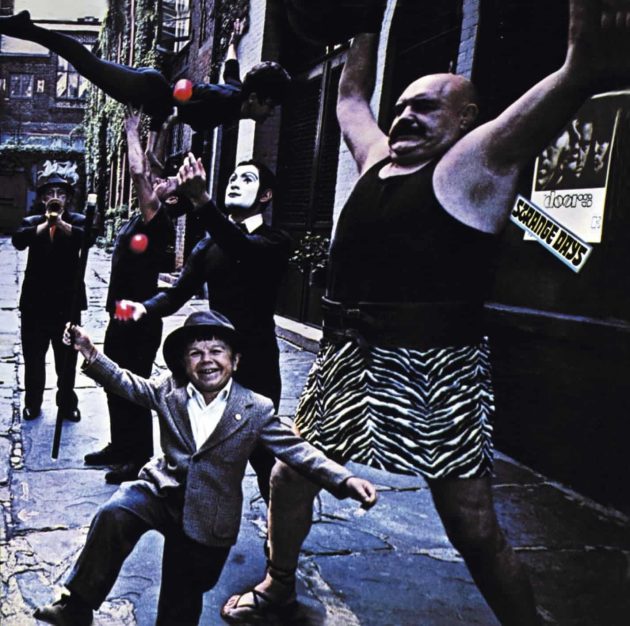
Get Strange Days on Vinyl at Amazon
Affiliate Disclosure: I am an Amazon affiliate and if you purchase through any amazon links on this site i may earn a small commission at no extra charge to you.
Quick Navigation
- What is the meaning of When the Music’s Over?
- The Vibe: Genre and Mood for The Doors When The Musics Over
- Behind the Lyrics: The Story of The Doors When The Musics Over
- Technical Corner: The Gear Behind The Doors When The Musics Over
- Legacy and Charts: Why The Doors When The Musics Over Still Matters
- Listener’s Note
- Collector’s Corner
- FAQs
- You Might Also Like
What is the meaning of When the Music’s Over by The Doors?
It is a profound exploration of cultural revolution and environmental destruction. Jim Morrison calls for a total rejection of the old world order. The song uses the ending of music as a catalyst for human rebirth and primal freedom through intense psychedelic imagery.
The Vibe: Genre and Mood for The Doors When The Musics Over
This composition moves with the weight of a storm breaking over the Hollywood Hills.
It carries a sense of ritualistic urgency that few other bands ever managed to capture.
- Genre: Acid Rock, Psychedelic Rock
- Mood: Apocalyptic, Intense, Rebellious
- Tempo: Driving and mid-tempo with explosive peaks
- Best For: Deep listening sessions, late-night philosophical shifts
- Similar To: The End by The Doors
- Fans of The Doors also search: “best psychedelic rock epics,” “meaning of Jim Morrison lyrics,” “1960s counterculture songs”
Behind the Lyrics: The Story of The Doors When The Musics Over
Jim Morrison and the band developed this piece during their residency at the Whisky a Go Go in 1966.
By the time they entered the studio for the Strange Days sessions, the song had grown into an eleven-minute monster.
Drummer John Densmore once noted that playing the song was intense: “I had to take a deep breath before playing it, because it is not a little three-minute pop ditty.”
The recording process was famously chaotic as Jim Morrison was absent for the initial tracking session.
The band laid down the instrumental track with Ray Manzarek singing a guide vocal.
When Morrison finally arrived, he recorded his legendary lead vocal in a single, unedited take.
This raw performance captures the “we want the world and we want it now” spirit that defined the The Doors Break on Through era of rebellion.
You can see the intensity of their live delivery in the official YouTube video of the song.
Technical Corner: The Gear Behind The Doors When The Musics Over
The session took place at Sunset Sound Recorders in Hollywood under the guidance of producer Paul A. Rothchild.
Engineer Bruce Botnick used a custom tube console to capture the band’s massive live sound.
Ray Manzarek utilized a Vox Continental organ and a Rhodes Piano Bass to create the foundation.
Robby Krieger played his 1964 Gibson SG through a Fender Twin Reverb with a distinctive fuzz box on the solo.
The guitar solo is actually two solos played simultaneously to create a disorienting, polyphonic effect.
This technical choice mirrors the chaos of the lyrics and elevates the track above standard blues structures.
Legacy and Charts: Why The Doors When The Musics Over Still Matters
While the song was never released as a single, it remains a cornerstone of the 1967 album Strange Days.
The album reached number three on the Billboard 200 and solidified the band’s status as rock royalty.
It is often compared to their first hit, Light My Fire, in terms of its cultural impact.
Many fans consider it the thematic sibling to The Doors Riders on the Storm due to its cinematic quality.
The track has appeared in numerous films, most notably in the 1991 biopic directed by Oliver Stone.
It continues to be a staple of classic rock radio for its bold ecological and social commentary.
Listener’s Note: A Personal Take on The Doors When The Musics Over
When I first heard this on vinyl, the silence before the final scream felt like the world was actually ending.
The texture of Krieger’s guitar solo is sharp enough to cut glass, especially during the middle breakdown.
There is a specific moment in the “cancel my subscription” verse where the mix opens up and the organ feels like a physical presence in the room.
It is more than just a song: it is an endurance test for the soul that leaves you breathless every time.
Affiliate Disclosure: I am an Amazon affiliate and if you purchase through any amazon links on this site i may earn a small commission at no extra charge to you. This helps support classicrockartists.com and allows me to keep providing deep-dive content on the legends of rock. Thank you for your support!
Collector’s Corner: Own The Doors When The Musics Over on Vinyl or CD
Collectors should seek out the 40th-anniversary stereo mix for the cleanest representation of the guitar overdubs.
The original mono pressings offer a punchier, more aggressive drum sound that suits the apocalyptic mood perfectly.
Get Strange Days on Vinyl at Amazon
Frequently Asked Questions About The Doors When The Musics Over
Who wrote When the Music’s Over?
The song is credited to all four members of the band: Jim Morrison, Robby Krieger, Ray Manzarek, and John Densmore. Much of the lyrical content originated from Morrison’s notebooks and live improvisations.
What album is When the Music’s Over from?
It is the closing track on their second studio album, Strange Days, released in September 1967. The album is a companion piece to their self-titled debut from the same year.
Did When the Music’s Over win any awards?
While the song itself did not win specific awards upon release, the album was certified Platinum by the RIAA. It frequently appears on lists of the greatest psychedelic rock songs ever recorded.
What is the “Earth” section of the lyrics about?
Jim Morrison refers to the destruction of the environment with the line “What have they done to the earth?” This makes the track one of the earliest examples of an ecological protest song in mainstream rock.
You Might Also Like
Both bands defined the San Francisco and Los Angeles acid rock scenes during the Summer of Love.
Sabbath shared the dark, heavy atmosphere and doomy blues influence found in this Doors epic.
The complex structural shifts and experimental nature of this track paved the way for progressive rock.
The Doors When The Musics Over remains an essential testament to the power of rock as a medium for social change.