

Elton John Tiny Dancer is a tender, cinematic celebration of a specific moment in early 1970s California, a song that captures the warmth and idealism of the singer-songwriter era with extraordinary vividness.
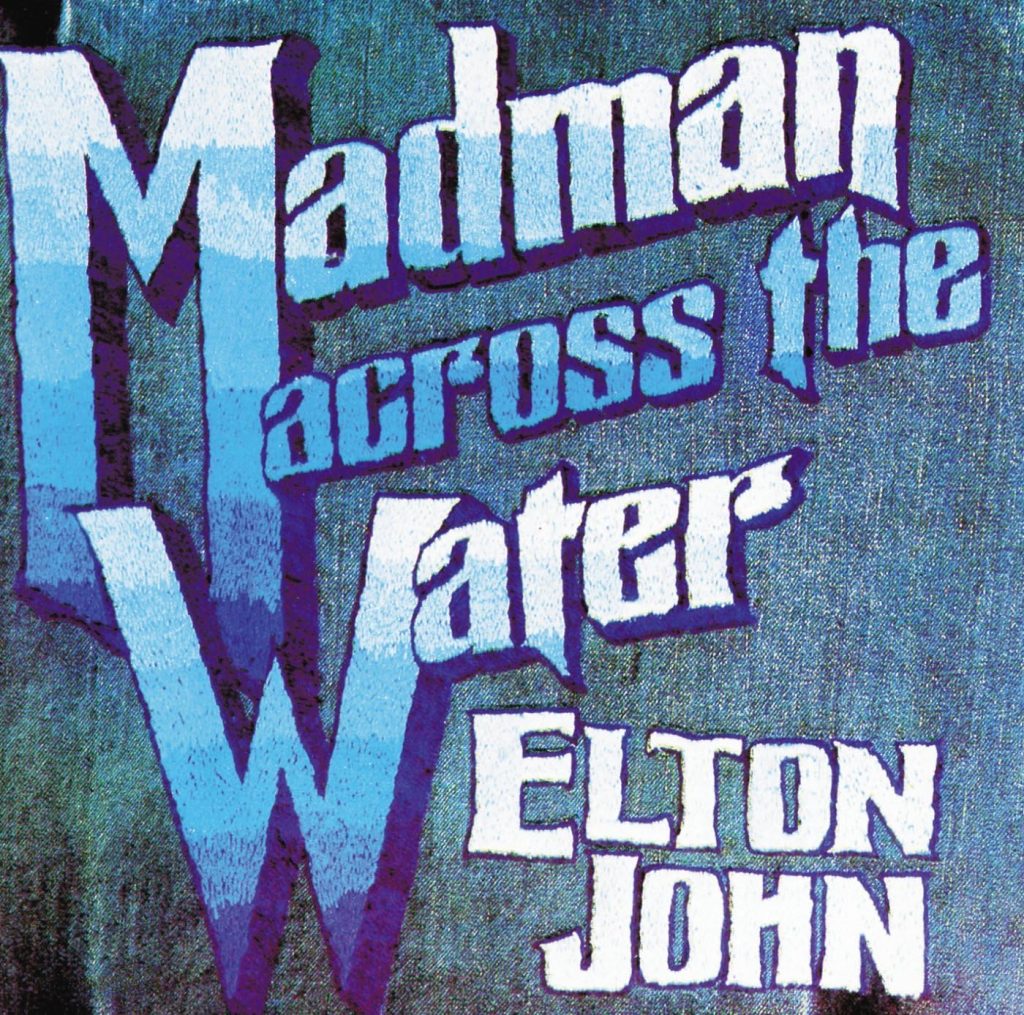
Get Elton John Tiny Dancer on Vinyl or CD at Amazon
Affiliate Disclosure: I am an Amazon affiliate and if you purchase through any amazon links on this site i may earn a small commission at no extra charge to you.
Released in 1971 on the album Madman Across the Water, Tiny Dancer was written by lyricist Bernie Taupin as a tribute to his then-wife Maxine Feibelman and to the free-spirited young women who populated the early days of the Los Angeles music scene.
Though the song was only a modest commercial success on its original release, it has grown enormously in cultural stature over the decades and is now consistently cited as one of Elton John’s greatest recordings.
Quick Navigation
What is the meaning of Elton John Tiny Dancer?
Tiny Dancer is primarily a portrait of Maxine Feibelman, the seamstress and aspiring dancer who would become Bernie Taupin’s first wife, seen through the loving and slightly idealized gaze of a young man completely captivated by her spirit.
Taupin was documenting the early days of Elton John’s American touring career, when he and the band were surrounded by a world of beautiful, creative young women who embodied the California dream in its most hopeful form.
The seamstress for the band is the song’s central figure, a working-class artist who brings beauty into the world through craft and who holds the narrator’s hand in the sand as he watches her dance.
On a broader level the song is about the tenderness and wonder of early love, and the way a new relationship can make the entire world feel lit from within.
The Vibe: Genre, Mood, and Sound of Elton John Tiny Dancer
Tiny Dancer is a gentle, expansive piano ballad that builds patiently from a quiet, intimate opening to a full orchestral finale that feels genuinely earned after six minutes of careful emotional preparation.
The song has the quality of a memory that becomes more beautiful the further away it recedes, warm and slightly hazy at the edges.
- Genre: Soft rock, pop rock, piano rock
- Mood: Tender, nostalgic, warm, celebratory
- Tempo: Slow, unhurried, building to a gentle climax
- Key Instruments: Piano, orchestral strings, acoustic guitar, bass, drums
- If you like this, try: Elton John’s Rocket Man, Your Song, Don McLean’s American Pie
Behind the Lyrics
Taupin’s opening image of a blue jean baby with a seamstress for the band immediately establishes the character’s class and craft, presenting her as a working artist rather than a passive object of admiration.
The description of her piano man laying soft hands on her shoulders places the narrator in a position of protective tenderness rather than romantic pursuit.
The Hollywood scene sections of the lyric capture the slightly chaotic, beautiful world of a band on the road in early 1970s Los Angeles, with its cast of beautiful, purposeful young people.
The chorus instruction to hold the tiny dancer close to yourself has the quality of a private reminder rather than a public declaration, as if the narrator is talking to himself rather than performing for an audience.
The final verse, where the narrator watches her dance in the sand as the sunset comes and the clouds appear, has a valedictory quality, as if this perfect moment is already passing even as it is experienced.
The line “Jesus freaks out in the street, handing tickets out for God” is one of Taupin’s most cinematically precise images, placing the song firmly in the social landscape of early 1970s California.
Recording Story and Production
Tiny Dancer was recorded at Trident Studios in London in August 1971, produced by Gus Dudgeon who worked with Elton John throughout the most celebrated period of his career.
Dudgeon’s production is a masterpiece of patient build, allowing the song to develop organically from its quiet piano opening through the gradual introduction of each additional element.
Paul Buckmaster contributed the orchestral string arrangement that becomes increasingly central to the song as it develops, his charts perfectly calibrated to support rather than overwhelm Elton John’s piano and vocal.
Elton John recorded his piano and vocal simultaneously, a relatively rare practice that gave the performance an integrated quality that overdubbing would have diminished.
The session musicians who contributed to the recording included some of the finest players working in London at the time, and their contributions are seamlessly integrated into the overall sound.
The decision to allow the song to run over six minutes was bold given the commercial realities of radio in 1971, but Dudgeon and Elton John were confident enough in the song’s quality to resist any pressure to trim it.
Chart Performance and Legacy
Tiny Dancer reached number forty-one on the Billboard Hot 100 on its original release, a disappointing chart position that did not reflect the song’s quality or eventual cultural significance.
The song’s cultural stock rose dramatically after it was featured prominently in Cameron Crowe’s 2000 film Almost Famous, where a bus full of musicians and music lovers sing along to it in one of cinema’s most beloved scenes.
Rolling Stone ranked Tiny Dancer among the 500 Greatest Songs of All Time, and in the years since Almost Famous it has consistently appeared near the top of lists of the greatest soft rock songs ever recorded.
The song has sold millions of copies in the digital era, and streaming data shows it to be one of Elton John’s most listened-to recordings across all age groups.
It has become a staple of Elton John’s farewell touring setlist, typically performed in the show’s emotional midpoint as a moment of quiet reflection amidst the spectacle.
Listener’s Note: A Personal Take on Elton John Tiny Dancer
The opening piano figure is one of the most inviting sounds in pop music, a gentle beckoning that immediately creates a feeling of warmth and anticipation.
Taupin’s lyric is extraordinary for its specificity. Every detail feels chosen rather than reached for, and together they build a world you can step into fully.
The moment the strings arrive in the arrangement is the kind of musical event that makes you grateful to be a person who listens to music.
The Almost Famous bus scene works so well because the filmmakers understood that this song captures exactly what it feels like to be young, in transit, and in love with music and the world.
Fifty years on, Tiny Dancer still sounds like a gift.
Affiliate Disclosure: I am an Amazon affiliate and if you purchase through any Amazon links on this site I may earn a small commission at no extra charge to you. This helps support ClassicRockArtists.com. Thank you for your support!
Collector’s Corner: Own Elton John Tiny Dancer on Vinyl or CD
Madman Across the Water, the album on which Tiny Dancer appears, is available in a 50th Anniversary Edition with expanded material including live recordings and alternate takes from the original sessions.
Original UK pressings on DJM Records are collectible, with the gatefold artwork adding visual appeal to a record that sounds as magnificent on vinyl as anything from the era.
Get Elton John Madman Across the Water on Vinyl or CD at Amazon
Frequently Asked Questions About Elton John Tiny Dancer
Who is Tiny Dancer written about?
Tiny Dancer was written primarily about Maxine Feibelman, who was the seamstress for Elton John’s band on his early American tours and who became Bernie Taupin’s first wife. The song also celebrates the broader world of free-spirited young women who populated the early 1970s Los Angeles music scene.
Why did Tiny Dancer become more famous decades after its release?
Tiny Dancer experienced a massive surge in popularity after it appeared in Cameron Crowe’s 2000 film Almost Famous, in a bus scene where a group of musicians and music writers sing along together. The scene became one of cinema’s most celebrated musical moments and introduced the song to an entirely new generation.
What album is Tiny Dancer on?
Tiny Dancer appears on Elton John’s fourth studio album Madman Across the Water, released in November 1971 on DJM Records. The album also features the concert favorite Levon.
You Might Also Like
The enduring beauty of Elton John’s “Tiny Dancer” rests on Bernie Taupin’s gift for finding the universal in the specific, transforming one seamstress on one California tour into an emblem of everything tender and hopeful about the early 1970s music world.
If you are moved by that golden era of melodic storytelling and the intricate harmonies of the time, you might also enjoy these features:
The Harmonic Magic of Fleetwood Mac
Just as “Tiny Dancer” captures the spirit of the California sun, the members of Fleetwood Mac mastered the art of turning personal narratives into lush, radio-ready masterpieces. Their ability to blend multiple voices and perspectives created a sound that—much like Elton and Bernie’s collaborations—defined the heart of 70s rock.
The Melodic Craft of Tears for Fears
If you appreciate the way a specific story can become a universal anthem, explore the history and songwriting of the Tears for Fears members. While emerging a decade later, they shared that same commitment to emotional depth and perfectly crafted pop-rock structures that stand the test of time.
The Power-Pop Roots of Badfinger
For fans who love the delicate balance of piano-driven melody and raw emotion found in Elton’s early work, the story of the members of Badfinger is essential. They were the masters of the “universal specific,” writing songs that felt deeply intimate yet resonated with millions across the globe.
Plus + Looking for more legendary lineups? Check out the evolution of the members of Styx or the folk-rock foundations laid by the members of Buffalo Springfield.