

Fleetwood Mac Black Magic Woman stands as one of the most hypnotic blues recordings of the late 1960s, showcasing Peter Green’s supernatural guitar tone and compositional genius.
This track emerged from an era when the band bore little resemblance to the pop-rock juggernaut that would later produce Fleetwood Mac Dreams, instead delivering raw British blues with an almost mystical intensity.
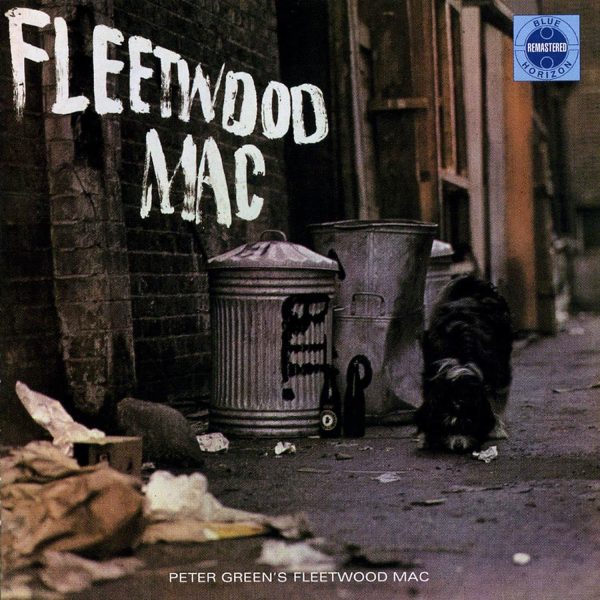
Fleetwood Mac Black Magic Woman – Available on Amazon
Get Fleetwood Mac Black Magic Woman (1968) on Vinyl or CD at Amazon
Affiliate Disclosure: I am an Amazon affiliate and if you purchase through any Amazon links on this site I may earn a small commission at no extra charge to you. This helps support classicrockartists.com. Thank you for your support!
Quick Navigation
What is the meaning of Fleetwood Mac Black Magic Woman?
The song warns of a dangerously seductive woman who uses supernatural allure to control and ultimately destroy her lovers, blending romantic obsession with occult imagery to create a cautionary tale about toxic relationships wrapped in blues mysticism.
The Vibe: Genre, Mood, and Sound of Fleetwood Mac Black Magic Woman
This track delivers slow-burning British blues with a haunting, minor-key atmosphere that feels both sensual and ominous.
- Genre: British Blues, Psychedelic Blues
- Mood: Dark, hypnotic, seductive, foreboding
- Tempo: Slow to moderate (approximately 90 BPM)
- Best For: Late-night listening, vinyl sessions, exploring blues guitar tone
- Similar To: Early Cream, John Mayall’s Bluesbreakers, Savoy Brown
Behind the Lyrics: The Story of Fleetwood Mac Black Magic Woman
Peter Green penned this supernatural blues warning in 1968 during Fleetwood Mac’s earliest incarnation as a pure blues outfit.
The song appeared on the band’s self-titled debut album, released in February 1968 on Blue Horizon Records.
Green drew inspiration from a brief romantic encounter that left him feeling emotionally manipulated and drained.
The lyrics transform personal heartbreak into mythological warning, casting the woman as a sorceress who “got me so blind I can’t see.”
This period marked Fleetwood Mac as one of Britain’s premier blues acts, with Members of Fleetwood Mac including Green, Mick Fleetwood, John McVie, and Jeremy Spencer.
The band’s approach differed dramatically from American blues, incorporating British sensibilities and psychedelic undertones.
Green’s fascination with the occult and mysticism permeated much of his songwriting during this era.
The track’s minor-key progression and modal playing reflected Green’s deep study of traditional blues masters like B.B. King and Freddie King.
According to historical documentation, the song’s original recording featured a stripped-down arrangement that emphasized Green’s guitar work.
The lyrics employ classic blues imagery of supernatural feminine power, a tradition dating back to Robert Johnson’s “Hellhound on My Trail.”
Green’s vocal delivery combines vulnerability with warning, creating tension between attraction and self-preservation.
The song’s structure follows traditional blues patterns while incorporating subtle psychedelic elements in the guitar tone.
This composition represented Green at his creative peak, before mental health struggles would derail his career.
Technical Corner: The Gear Behind Fleetwood Mac Black Magic Woman
Peter Green played his legendary 1959 Gibson Les Paul Standard, previously owned by Eric Clapton, which produced his signature warm, singing tone.
The guitar’s out-of-phase pickup configuration created the distinctive, slightly hollow sound that became Green’s trademark.
Green amplified through a Marshall JTM45 combo, pushing the tubes just enough to achieve natural compression without heavy distortion.
Mike Vernon produced the session at CBS Studios in London, capturing the band’s live energy with minimal overdubs.
Mick Fleetwood’s drumming employed Ludwig drums with a loose, jazz-influenced approach that gave the blues shuffle authentic swing.
John McVie’s bass work on a Fender Precision provided understated foundation, locking with Fleetwood’s kick drum.
Vernon’s production philosophy emphasized room sound and natural dynamics over studio trickery.
The recording utilized minimal microphone placement, capturing the band’s spatial relationship in the studio.
Green’s string bending technique employed lighter gauge strings that allowed for expressive vibrato and smooth note transitions.
The session’s analog tape saturation added warmth and cohesion to the overall sound.
Vernon’s engineering captured Green’s guitar with exceptional clarity, preserving every nuance of his touch and tone.
The production avoided reverb excess, instead relying on natural room ambience for depth.
Legacy and Charts: Why Fleetwood Mac Black Magic Woman Still Matters
The original Fleetwood Mac version achieved moderate chart success in the UK, reaching number 37 on the singles chart.
Santana’s 1970 cover version transformed the song into a global phenomenon, reaching number four on the Billboard Hot 100.
The Santana interpretation introduced Latin percussion and extended instrumental sections, creating a distinct reimagining.
Green’s original remains the definitive version for blues purists who appreciate its raw, unadorned power.
The song has been covered by dozens of artists including Aerosmith, Ike and Tina Turner, and Buddy Guy.
Guitar magazines consistently rank Green’s performance among the greatest blues guitar recordings of all time.
The track appears on numerous compilation albums documenting British blues history.
Film and television placements include appearances in “Almost Famous” and various crime dramas seeking atmospheric blues.
The song’s influence extends beyond blues into rock, with guitarists studying Green’s phrasing and tone production.
Modern blues-rock acts like Gary Clark Jr. and Joe Bonamassa cite this recording as foundational to their approach.
The track demonstrates the vast stylistic distance between Peter Green’s Fleetwood Mac and the later lineup that created Rumours by Fleetwood Mac.
You can experience the original recording on YouTube, where it continues to attract new listeners discovering the band’s blues roots.
The song’s enduring appeal lies in its perfect balance of technical mastery and emotional authenticity.
Listener’s Note: A Personal Take on Fleetwood Mac Black Magic Woman
When I first heard this on vinyl, the opening guitar notes stopped me mid-conversation.
That tone, warm and slightly hollow, seemed to emanate from somewhere beyond the speakers.
Green’s guitar doesn’t just play notes; it breathes, sighs, and warns.
The moment at 1:23 when he bends that note and holds it, letting it decay naturally, demonstrates restraint most guitarists never achieve.
Fleetwood’s drumming feels like a heartbeat, steady but alive, never mechanical.
What strikes me most is the space in the arrangement.
Modern productions would fill every gap, but this recording lets silence work as hard as sound.
Green’s vocal delivery carries genuine vulnerability, not the posturing that mars lesser blues recordings.
The song’s power lies in what it doesn’t do as much as what it does.
No flashy solos, no technical showboating, just pure emotional communication through the blues.
This track reminds me why I fell in love with classic rock in the first place.
It’s honest, skillful, and timeless in ways that transcend genre and era.
Affiliate Disclosure: I am an Amazon affiliate and if you purchase through any Amazon links on this site I may earn a small commission at no extra charge to you. This helps support classicrockartists.com and allows me to keep providing deep-dive content on the legends of rock. Thank you for your support!
Collector’s Corner: Own Fleetwood Mac Black Magic Woman on Vinyl or CD
Original UK Blue Horizon pressings command premium prices, but excellent reissues capture the warmth of the original recording.
The track appears on multiple compilation albums documenting the Peter Green era.
Get Fleetwood Mac Black Magic Woman (1968) on Vinyl or CD at Amazon
Frequently Asked Questions About Fleetwood Mac Black Magic Woman
Did Fleetwood Mac or Santana record Black Magic Woman first?
Fleetwood Mac recorded the original version in 1968, two years before Santana’s famous cover.
Peter Green wrote and performed the song on Fleetwood Mac’s self-titled debut album.
Santana’s 1970 version on “Abraxas” became the more commercially successful interpretation.
What guitar did Peter Green use on Black Magic Woman?
Green played a 1959 Gibson Les Paul Standard with reversed neck pickup wiring.
This guitar, previously owned by Eric Clapton, produced Green’s signature out-of-phase tone.
The instrument later sold at auction for over two million dollars.
Is Black Magic Woman on the Rumours album?
No, the song appears on the 1968 self-titled debut album from the Peter Green era.
The lineup that recorded Fleetwood Mac Go Your Own Way (1977) on Rumours was completely different.
Only Mick Fleetwood and John McVie remained from the original blues lineup.
What is the meaning behind the Black Magic Woman lyrics?
The lyrics describe a manipulative woman whose seductive power destroys her lovers.
Green uses supernatural imagery to express the helplessness of toxic attraction.
The song follows blues tradition of portraying dangerous feminine mystique.
Green reportedly based the lyrics on a brief personal relationship that left him emotionally drained.
You Might Also Like
Fleetwood Mac Greatest Hits Songs
Explore how this blues classic fits into the band’s complete evolution across five decades.
Fleetwood Mac Never Going Back Again (1977)
Discover how Lindsey Buckingham’s fingerpicking genius contrasts with Peter Green’s blues mastery.
See how mystical themes continued in Stevie Nicks’ songwriting, echoing Green’s occult fascinations.
Fleetwood Mac Black Magic Woman remains an essential document of British blues at its finest, showcasing Peter Green’s unmatched ability to channel raw emotion through six strings and amplified wood.