

Fleetwood Mac Oh Well stands as one of the most electrifying blues-rock statements of 1969, a two-part masterpiece that showcases Peter Green’s guitar genius at its absolute peak.
This track represents the creative zenith of the band’s early blues era, a period that also produced classics like Fleetwood Mac Black Magic Woman, before the group transformed into the pop-rock juggernaut of the 1970s.
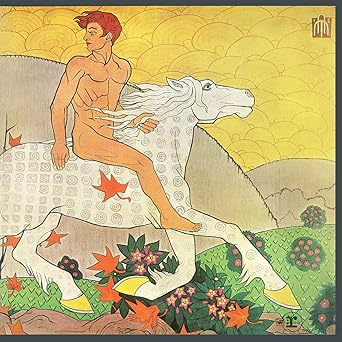
Fleetwood Mac Oh Well – Available on Amazon
Get Fleetwood Mac Oh Well (1969) on Vinyl or CD at Amazon
Affiliate Disclosure: I am an Amazon affiliate and if you purchase through any Amazon links on this site I may earn a small commission at no extra charge to you. This helps support classicrockartists.com. Thank you for your support!
Quick Navigation
What is the meaning of Fleetwood Mac Oh Well?
The song expresses existential resignation and acceptance of life’s hardships through a blues framework, with Peter Green’s lyrics conveying a weary acknowledgment that things simply are what they are, captured in the repeated phrase “oh well.”
The Vibe: Genre, Mood, and Sound of Fleetwood Mac Oh Well
The track splits into two distinct movements that showcase the band’s versatility.
- Genre: Blues rock with flamenco and classical influences
- Mood: Aggressive, defiant, melancholic, introspective
- Tempo: Part One is driving and uptempo, Part Two is slow and contemplative
- Best For: Late-night listening, guitar study sessions, understanding pre-Buckingham Fleetwood Mac
- Similar To: Early Led Zeppelin, Cream, John Mayall’s Bluesbreakers
Behind the Lyrics: The Story of Fleetwood Mac Oh Well
Peter Green wrote this song during a period of increasing disillusionment with the music industry and commercial success.
The track appeared on the 1969 album “Then Play On,” which marked a creative turning point for the band.
Green was struggling with the pressures of fame and the expectations placed upon him as the band’s leader and primary songwriter.
The lyrics reflect a philosophical acceptance of circumstances beyond one’s control, a theme that would become increasingly prevalent in Green’s work.
Part One features sparse, cryptic verses that convey frustration and resignation with lines like “I can’t help about the shape I’m in.”
The song’s structure was unconventional for a single release, with Part Two being an entirely instrumental flamenco-influenced piece.
According to Wikipedia, the two parts were recorded separately and only later combined for the single release.
Green’s mental health was deteriorating during this period, influenced partly by his experimentation with LSD.
The song represents one of the final great creative statements from Green before he left the band in 1970.
Unlike the later incarnation of the band explored in Members of Fleetwood Mac, this era was defined by British blues rather than California pop-rock.
The recording sessions took place at Kingsway Recorders in London during the summer of 1969.
Green’s guitar work on the track showcases his ability to blend aggression with melodic sophistication.
Technical Corner: The Gear Behind Fleetwood Mac Oh Well
Peter Green played his legendary 1959 Gibson Les Paul Standard, the guitar previously owned by Eric Clapton.
This particular Les Paul became famous for its distinctive out-of-phase tone, created by a reversed neck pickup.
Green ran his guitar through a Marshall amplifier, achieving the raw, cutting tone that defines Part One.
Mick Fleetwood’s drumming on the track is powerful and propulsive, driving the song forward with relentless energy.
John McVie’s bass playing provides a solid foundation, locking in with Fleetwood’s kick drum pattern.
For Part Two, Green switched to acoustic guitar, likely a classical nylon-string instrument.
The production was handled by the band themselves along with engineer Martin Birch, who would later work with Deep Purple and Iron Maiden.
The recording captured a live, immediate quality that emphasized the band’s raw power.
Danny Kirwan contributed rhythm guitar parts, adding texture to the arrangement.
The studio techniques were relatively straightforward, focusing on capturing authentic performances rather than elaborate overdubs.
Green’s vocal delivery was recorded with minimal effects, allowing his emotional intensity to come through unfiltered.
Legacy and Charts: Why Fleetwood Mac Oh Well Still Matters
The single reached number two on the UK Singles Chart in November 1969, becoming one of the band’s biggest hits.
In the United States, the song achieved moderate success, charting at number 55 on the Billboard Hot 100.
The track sold over one million copies worldwide, earning a gold certification.
It remains one of the most celebrated examples of British blues rock from the late 1960s.
Numerous artists have covered the song, including Rocket from the Crypt and The Mission.
The track has appeared in various films and television shows, introducing it to new generations of listeners.
Guitar magazines regularly cite Peter Green’s solo as one of the greatest in rock history.
The song’s influence can be heard in the work of later blues-rock artists like Gary Moore and Joe Bonamassa.
You can experience the full power of the track on YouTube, where it continues to accumulate millions of views.
The song represents a stark contrast to the later commercial success of tracks like Fleetwood Mac Go Your Own Way, showcasing the band’s dramatic evolution.
Music historians consider it essential listening for understanding the development of British rock music.
The track’s enduring popularity demonstrates the timeless appeal of authentic blues-rock expression.
Listener’s Note: A Personal Take on Fleetwood Mac Oh Well
When I first heard this on vinyl, the opening guitar riff hit me like a punch to the chest.
There’s something visceral about the way Green attacks those opening notes, a controlled fury that feels both dangerous and precise.
The transition between Part One and Part Two still catches me off guard every time, even after hundreds of listens.
That moment when the aggressive blues-rock suddenly gives way to delicate Spanish guitar feels like stepping from a storm into a quiet cathedral.
I’ve always been struck by how much emotion Green conveys with so few words in the verses.
His vocal delivery sounds weary but defiant, like someone who’s been beaten down but refuses to stay down.
The guitar solo in Part One remains one of my favorite moments in all of rock music.
It’s not about technical flash or speed, it’s about tone, phrasing, and emotional impact.
Every note feels intentional, every bend perfectly calibrated to maximum effect.
This track reminds me that Fleetwood Mac had an entirely different identity before the Buckingham-Nicks era, one equally valid and powerful.
Affiliate Disclosure: I am an Amazon affiliate and if you purchase through any Amazon links on this site I may earn a small commission at no extra charge to you. This helps support classicrockartists.com and allows me to keep providing deep-dive content on the legends of rock. Thank you for your support!
Collector’s Corner: Own Fleetwood Mac Oh Well on Vinyl or CD
Original UK pressings of the single are highly sought after by collectors, particularly those with the picture sleeve.
The track also appears on the essential “Then Play On” album, which has been reissued multiple times with varying bonus tracks.
Get Fleetwood Mac Oh Well (1969) on Vinyl or CD at Amazon
Frequently Asked Questions About Fleetwood Mac Oh Well
Who wrote Fleetwood Mac Oh Well?
Peter Green wrote both parts of the song entirely on his own.
He composed Part One as a blues-rock statement and Part Two as a separate instrumental piece.
The decision to combine them into a single release came later in the production process.
Why did Peter Green leave Fleetwood Mac?
Green left the band in 1970 due to deteriorating mental health and philosophical conflicts with the music industry.
His LSD use had contributed to psychological issues that made continuing with the band impossible.
He became increasingly uncomfortable with wealth and commercial success, believing music should be free.
Green was later diagnosed with schizophrenia and spent years away from music before eventually returning to performing.
What guitar did Peter Green use on Oh Well?
Green used his famous 1959 Gibson Les Paul Standard for the electric parts of the song.
This guitar, known as “Greeny,” had previously belonged to Eric Clapton.
The instrument featured a reversed neck pickup that created its distinctive out-of-phase tone.
Gary Moore later owned this guitar, and it was eventually sold to Metallica’s Kirk Hammett for a reported two million dollars.
Is Oh Well on the Rumours album?
No, the song appears on the 1969 album “Then Play On,” not on Rumours by Fleetwood Mac.
Rumours was released eight years later in 1977 and featured an entirely different lineup.
Peter Green had left the band seven years before Rumours was recorded.
The two albums represent completely different eras and sounds in the band’s history.
You Might Also Like
Fleetwood Mac Black Magic Woman
Another Peter Green masterpiece from the same blues era that showcases his songwriting genius before Santana made it famous.
Fleetwood Mac Greatest Hits Songs
Explore how this track fits into the band’s complete catalog spanning both the Peter Green blues era and the later pop-rock period.
Discover how the band’s experimental spirit continued a decade later with this unconventional single from their most ambitious album.
Fleetwood Mac Oh Well remains an essential document of Peter Green’s brilliance and the band’s blues-rock foundation, a track that continues to inspire guitarists and songwriters more than five decades after its release.