

Released in June 1983, Stevie Nicks The Wild Heart arrived at a pivotal moment in the singer’s career, following the massive commercial success of her debut solo album.
The album showcased a more mature and introspective Nicks, balancing her mystical persona with deeply personal songwriting.
Coming just two years after Stevie Nicks Bella Donna, this sophomore effort faced enormous expectations from fans and critics alike.
The Wild Heart demonstrated that Nicks could sustain a solo career while maintaining her commitments to Fleetwood Mac.
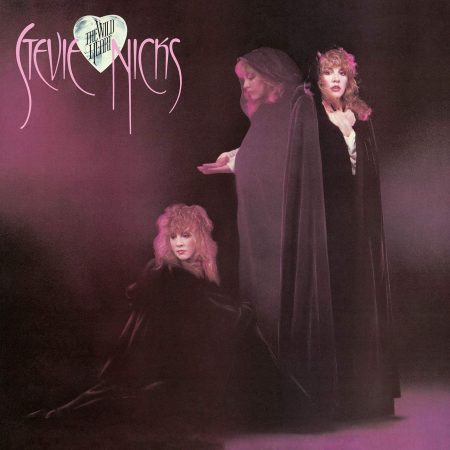
Stevie Nicks The Wild Heart – Available on Amazon
Get Stevie Nicks The Wild Heart on Vinyl or CD at Amazon
Affiliate Disclosure: I am an Amazon affiliate and if you purchase through any Amazon links on this site I may earn a small commission at no extra charge to you. This helps support classicrockartists.com. Thank you for your support!
Table of Contents
Overview of Stevie Nicks The Wild Heart
Stevie Nicks The Wild Heart represents a crucial chapter in the artist’s evolution from Fleetwood Mac member to solo superstar.
The album’s title reflected Nicks’ untamed spirit and her refusal to be confined by commercial expectations.
Unlike the collaborative approach of Fleetwood Mac Dreams and other band recordings, this album gave Nicks complete creative control.
The production featured a polished 1980s sound that complemented Nicks’ distinctive vocal style.
Jimmy Iovine returned as producer, having helmed Bella Donna to multi-platinum success.
The album showcased Nicks’ ability to craft radio-friendly hits while maintaining her artistic integrity.
Synthesizers and drum machines gave the record a contemporary edge without sacrificing emotional depth.
The Wild Heart explored themes of love, loss, independence, and the price of fame.
Nicks drew inspiration from her personal relationships and her experiences navigating the music industry.
The album’s mystical imagery remained intact, with references to magic, dreams, and spiritual journeys.
Guest musicians included members of Tom Petty and the Heartbreakers, who had collaborated on Bella Donna.
The recording sessions took place during breaks from Fleetwood Mac’s touring schedule.
Nicks balanced her dual career with remarkable stamina, though the pace would eventually take its toll.
Recording History and Production
The recording sessions for Stevie Nicks The Wild Heart began in late 1982 at various Los Angeles studios.
Jimmy Iovine’s production approach emphasized clarity and commercial appeal while respecting Nicks’ artistic vision.
The album was recorded during a particularly intense period in Nicks’ life and career.
She was simultaneously working on Fleetwood Mac material and managing her burgeoning solo career.
According to Wikipedia, the album featured contributions from several notable musicians.
Waddy Wachtel, a longtime collaborator, provided guitar work throughout the record.
Roy Bittan of the E Street Band contributed keyboards on several tracks.
The production incorporated state-of-the-art technology available in early 1980s recording studios.
Drum programming and synthesizers created a modern soundscape that differed from Fleetwood Mac’s organic approach.
Nicks wrote or co-wrote all ten tracks on the album, demonstrating her prolific songwriting abilities.
Some songs dated back several years, while others were written specifically for the project.
The recording process was reportedly more challenging than Bella Donna due to time constraints.
Nicks had to complete the album quickly to fulfill her contractual obligations to both her solo career and Fleetwood Mac.
The pressure resulted in some creative tensions but ultimately produced a cohesive and compelling record.
Iovine’s meticulous attention to detail ensured that each track received proper development and polish.
The mixing process emphasized Nicks’ vocals, placing them prominently in the sonic landscape.
Background vocals featured Nicks’ signature layered harmonies, creating her distinctive ethereal sound.
Track-by-Track Highlights of Stevie Nicks The Wild Heart
The album opens with “Wild Heart,” a declaration of independence that sets the tone for the entire record.
The title track features driving percussion and Nicks’ defiant vocals about refusing to be tamed.
“If Anyone Falls” became the album’s lead single, showcasing Nicks’ romantic vulnerability.
The song’s lush production and memorable melody made it a radio staple throughout 1983.
“Gate and Garden” explores themes similar to Fleetwood Mac Gypsy, reflecting on past relationships and lost innocence.
The track features delicate instrumentation that complements Nicks’ wistful vocal delivery.
“Enchanted” stands as one of the album’s most mystical compositions, with lyrics about magical transformation.
The song’s atmospheric production creates a dreamlike quality that became a Nicks trademark.
“Nightbird” offers a darker, more introspective moment on the album.
The track’s haunting melody and cryptic lyrics invite multiple interpretations.
“Stand Back” became the album’s biggest hit and one of Nicks’ signature solo songs.
The track was inspired by Prince’s “Little Red Corvette,” which Nicks heard on her wedding day.
Prince himself contributed uncredited synthesizer work to the recording.
The song’s infectious energy and danceable beat made it a crossover success on multiple charts.
“I Will Run to You” showcases Nicks’ ability to craft emotionally resonant ballads.
The song’s promise of unwavering support resonated with fans experiencing their own relationship challenges.
“How Still My Love” features stripped-down production that highlights Nicks’ vocal performance.
The track’s simplicity provides a welcome contrast to the album’s more elaborate productions.
“Beauty and the Beast” explores the duality of human nature through fairy tale imagery.
The song’s dramatic arrangement builds to a powerful climax that showcases Nicks’ vocal range.
The album closes with “Nothing Ever Changes,” a reflective meditation on the cyclical nature of life and love.
The final track provides a contemplative ending that invites repeated listening.
Chart Performance of Stevie Nicks The Wild Heart
Stevie Nicks The Wild Heart debuted strongly on the Billboard 200 chart in June 1983.
The album peaked at number five, demonstrating Nicks’ continued commercial viability as a solo artist.
While it didn’t match Bella Donna’s chart-topping success, The Wild Heart still achieved double platinum certification.
The album sold over two million copies in the United States alone.
“Stand Back” became the album’s breakout single, reaching number five on the Billboard Hot 100.
The song performed even better on the Mainstream Rock chart, where it reached number two.
“If Anyone Falls” reached number fourteen on the Hot 100, providing a second substantial hit.
The single’s success helped maintain the album’s momentum throughout the summer of 1983.
“Nightbird” was released as a third single but achieved more modest chart success.
The song still received significant airplay on album-oriented rock stations.
Internationally, the album performed well in Canada, Australia, and several European markets.
The Wild Heart reached the top ten in Canada and achieved gold certification.
In the United Kingdom, the album peaked at number twenty-eight on the UK Albums Chart.
The album’s commercial performance solidified Nicks’ position as one of the era’s most successful female rock artists.
Critics noted that while the album was successful, it faced inevitable comparisons to Bella Donna.
Some reviewers felt The Wild Heart was a worthy follow-up, while others considered it slightly less cohesive.
The album’s sales demonstrated that Nicks had established a loyal solo fanbase beyond Fleetwood Mac devotees.
Legacy and Cultural Impact
Stevie Nicks The Wild Heart occupies an important place in the artist’s discography and 1980s rock history.
The album proved that Nicks could sustain a solo career without relying solely on Fleetwood Mac’s reputation.
“Stand Back” became a concert staple that Nicks continues to perform decades later.
The song’s enduring popularity has introduced new generations to Nicks’ solo work.
Fans can experience the energy of this track in various live performances, including those documented on YouTube.
The album’s production style influenced other female rock artists of the 1980s.
Nicks’ ability to balance commercial appeal with artistic integrity provided a template for others to follow.
The Wild Heart demonstrated that women could achieve solo success in rock without compromising their vision.
The album’s themes of independence and self-determination resonated particularly strongly with female listeners.
Nicks’ mystical persona, fully developed on this album, became an integral part of her brand.
The imagery of shawls, platform boots, and ethereal stage presence was cemented during this era.
Contemporary artists including Florence Welch and Lana Del Rey have cited Nicks’ work from this period as influential.
The album’s blend of rock, pop, and mysticism created a unique sonic signature.
Music critics have reassessed The Wild Heart more favorably in recent years.
The album is now recognized as an essential document of 1980s rock and Nicks’ artistic development.
The record’s exploration of female autonomy and emotional complexity feels particularly relevant to modern audiences.
Nicks’ willingness to be vulnerable while maintaining strength inspired countless artists across genres.
Listener’s Note
When I first heard this album in the summer of 1983, “Stand Back” was inescapable on the radio.
I remember being struck by how different it sounded from Nicks’ Fleetwood Mac work.
The synthesizers and drum machines gave the album a distinctly modern feel.
Yet Nicks’ voice remained unmistakable, that raspy, emotional delivery that could convey both strength and vulnerability.
Revisiting The Wild Heart decades later, I appreciate its ambition and scope even more.
The album captures a specific moment in time while remaining timeless in its emotional honesty.
Tracks like “Enchanted” and “Beauty and the Beast” reveal new layers with each listen.
The production, which some critics initially dismissed as too slick, now sounds perfectly suited to the material.
I find myself drawn to the deeper album cuts more than the singles these days.
“How Still My Love” showcases Nicks’ ability to convey profound emotion with minimal accompaniment.
The album works best when listened to as a complete statement rather than a collection of singles.
There’s a narrative arc that moves from defiance to reflection to acceptance.
Nicks’ songwriting on The Wild Heart demonstrates growth from her earlier work.
The lyrics are more direct and less cryptic than songs like Fleetwood Mac Rhiannon, yet they maintain her poetic sensibility.
I appreciate how Nicks balanced commercial considerations with artistic integrity throughout the record.
The album never feels calculated or cynical, despite its polished production.
For fans who discovered Nicks through Stevie Nicks Tour 2025 performances, this album provides essential context.
It represents Nicks at a creative peak, confident in her abilities and unafraid to take risks.
Affiliate Disclosure: I am an Amazon affiliate and if you purchase through any Amazon links on this site I may earn a small commission at no extra charge to you. This helps support classicrockartists.com and allows me to keep providing deep-dive content on the legends of rock. Thank you for your support!
Collector’s Corner
Stevie Nicks The Wild Heart remains a sought-after album for collectors of 1980s rock vinyl.
Original pressings from 1983 feature distinctive cover artwork showing Nicks in her signature flowing attire.
The album was released on vinyl, cassette, and compact disc, with each format offering slightly different sonic characteristics.
Vinyl enthusiasts often prefer the warmth of the original LP pressing over digital remasters.
Several reissues have been released over the years, including remastered editions with bonus tracks.
The 2016 remaster improved the sound quality while maintaining the album’s original character.
Collectors should look for first pressings with the Modern Records label for maximum value.
Promotional copies and radio station editions are particularly rare and command premium prices.
The album’s cover photography by Herbert Worthington III has become iconic in its own right.
International pressings sometimes featured alternate cover designs or track listings.
Add Stevie Nicks The Wild Heart to your collection today on Amazon, where you can find both vintage and remastered editions.
The album pairs well with other Nicks solo work and Fleetwood Mac albums from the same era.
Serious collectors often seek out promotional materials, including posters and standees from the original release.
Sheet music for “Stand Back” and other singles was published and is now collectible.
FAQ About Stevie Nicks The Wild Heart
When was Stevie Nicks The Wild Heart released?
Stevie Nicks The Wild Heart was released on June 10, 1983, through Modern Records.
The album arrived approximately two years after her debut solo album Bella Donna.
It was released during a busy period when Nicks was balancing solo work with Fleetwood Mac commitments.
What is the biggest hit from The Wild Heart?
“Stand Back” became the album’s biggest hit, reaching number five on the Billboard Hot 100.
The song featured uncredited synthesizer contributions from Prince.
It remains one of Nicks’ most recognizable solo songs and a concert staple.
The track’s infectious energy and memorable hook made it a crossover success on multiple radio formats.
Who produced Stevie Nicks The Wild Heart?
Jimmy Iovine produced the album, reprising his role from Bella Donna.
Iovine brought his experience working with artists like Tom Petty and Bruce Springsteen to the project.
His production style emphasized clarity and commercial appeal while respecting Nicks’ artistic vision.
The collaboration between Nicks and Iovine proved successful across multiple albums.
How does The Wild Heart compare to Bella Donna?
The Wild Heart features a more polished, synthesizer-driven sound compared to Bella Donna’s rock approach.
While Bella Donna achieved greater commercial success, The Wild Heart showcased Nicks’ artistic growth.
The sophomore album explored more introspective themes and featured fewer high-profile guest collaborations.
Both albums are essential to understanding Nicks’ development as a solo artist.
You Might Also Like
Fleetwood Mac Landslide (1975)
Explore Stevie Nicks’ most personal and introspective song, written at a crossroads in her life before Fleetwood Mac’s massive success.
Fleetwood Mac Sara (1979)
Discover the eight-minute mystery from Tusk that Stevie Nicks has never fully explained, showcasing her enigmatic songwriting style.
Stevie Nicks Edge of Seventeen (1981)
Learn about the misheard title that became Stevie Nicks’ signature solo anthem from her debut album Bella Donna.
Stevie Nicks The Wild Heart stands as a testament to the artist’s ability to balance commercial success with artistic integrity during the height of 1980s rock.