

Stone Temple Pilots Wicked Garden exploded onto the grunge scene in 1992 as the opening track from their debut album Core, delivering a raw and visceral statement that would define a generation.
The track showcased the band’s ability to blend heavy riffs with melodic sensibility, a formula that would later be perfected in Stone Temple Pilots Interstate Love Song (1994).
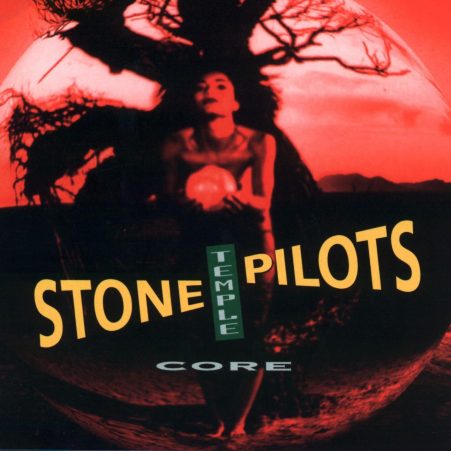
Stone Temple Pilots Wicked Garden – Available on Amazon
Get Stone Temple Pilots Wicked Garden (1992) on Amazon
Affiliate Disclosure: I am an Amazon affiliate and if you purchase through any Amazon links on this site I may earn a small commission at no extra charge to you. This helps support classicrockartists.com. Thank you for your support!
Quick Navigation
What is the meaning of Stone Temple Pilots Wicked Garden?
Wicked Garden explores the dark underbelly of Los Angeles and the music industry, using the metaphor of a corrupted garden to represent the loss of innocence and the exploitation of young artists seeking fame in Hollywood.
The Vibe: Genre, Mood, and Sound of Stone Temple Pilots Wicked Garden
This track delivers a punishing blend of grunge aggression and hard rock precision that set the tone for the entire Core album.
- Genre: Grunge, Alternative Rock, Hard Rock
- Mood: Dark, aggressive, confrontational, brooding
- Tempo: Mid-tempo with explosive bursts
- Best For: Intense workouts, cathartic release, late-night drives
- Similar To: Soundgarden‘s Outshined, Alice in Chains‘ Man in the Box
Behind the Lyrics: The Story of Stone Temple Pilots Wicked Garden
The song emerged from frontman Scott Weiland‘s observations of the Los Angeles music scene in the early 1990s.
Weiland witnessed countless young musicians arriving in Hollywood with dreams of stardom, only to be chewed up and spit out by an industry that valued image over substance.
The garden metaphor represents Eden before the fall, a place of purity that becomes tainted by greed and exploitation.
Lines like “Can you see me now, can you see me now” reflect the desperation of artists seeking validation in a system designed to use them.
The track was written during the band’s formative years in San Diego, where they honed their sound before relocating to Los Angeles.
Robert DeLeo Stone Temple Pilots bassist contributed the song’s distinctive bass line, which anchors the entire composition with its menacing groove.
The band recorded the track for Stone Temple Pilots Core, their debut album that would go on to sell over eight million copies in the United States alone.
Released in September 1992, Core arrived at the height of the grunge explosion, when Nirvana, Pearl Jam, and Soundgarden dominated rock radio.
Critics initially dismissed Stone Temple Pilots as derivative, accusing them of copying the Seattle sound.
However, Wicked Garden proved the band had their own identity, combining the heaviness of grunge with a more polished, radio-friendly production.
The song’s structure defies conventional verse-chorus patterns, instead building tension through dynamic shifts and unexpected breaks.
Weiland’s vocal delivery ranges from a menacing whisper to a full-throated scream, showcasing his range and emotional intensity.
The lyrics also touch on themes of addiction and self-destruction, subjects that would haunt Weiland throughout his career.
According to various interviews, the band wanted the album opener to make an immediate impact, establishing their presence with maximum force.
The track succeeded in that mission, becoming a staple of alternative rock radio and MTV’s 120 Minutes.
Technical Corner: The Gear Behind Stone Temple Pilots Wicked Garden
Dean DeLeo Stone Temple Pilots guitarist crafted the song’s crushing riffs using his signature Gibson Les Paul through a Marshall amplifier stack.
DeLeo employed a combination of overdrive and natural tube saturation to achieve the thick, distorted tone that defines the track.
Robert DeLeo played his Music Man StingRay bass, which provided the punchy low end that drives the song’s groove.
The bass tone was achieved through direct injection combined with a miked Ampeg SVT cabinet, creating both clarity and weight.
Eric Kretz Stone Temple Pilots drummer recorded his parts on a Tama drum kit with Zildjian cymbals.
Kretz’s powerful, precise drumming was captured using a combination of close miking and room ambience to create depth and impact.
Producer Brendan O’Brien helmed the sessions at Rumbo Recorders in Los Angeles.
O’Brien, who had previously worked with the Red Hot Chili Peppers, brought a raw yet polished aesthetic to the production.
The guitar tone was achieved through careful mic placement, using a combination of Shure SM57 and Sennheiser condenser microphones.
Weiland recorded his vocals using a Neumann U87 microphone, capturing both the aggression and nuance of his performance.
O’Brien employed minimal effects processing, preferring to capture the band’s natural energy and dynamics.
The mix emphasizes the interplay between the instruments, with each element occupying its own sonic space.
Dean DeLeo’s guitar work features multiple layers, including rhythm tracks, lead lines, and textural elements that create a wall of sound.
The song’s distinctive intro features a clean guitar arpeggio that quickly gives way to the full band assault.
This dynamic contrast became a signature element of the band’s sound, setting them apart from their grunge contemporaries.
Legacy and Charts: Why Stone Temple Pilots Wicked Garden Still Matters
While not released as a commercial single, Wicked Garden received significant airplay on alternative rock radio stations across the United States.
The track helped propel Core to number three on the Billboard 200 chart in 1993.
Core eventually achieved 8x Platinum certification from the RIAA, representing eight million copies sold in the US alone.
The album also went Platinum in Canada and Gold in the United Kingdom, establishing Stone Temple Pilots as an international act.
Wicked Garden became a concert staple, opening countless Stone Temple Pilots shows throughout the 1990s and beyond.
The song’s influence can be heard in the work of later alternative rock bands like Breaking Benjamin and Shinedown.
Several artists have covered the track over the years, including tribute bands and independent musicians on platforms like YouTube.
The song appeared in the 1993 film The Crow soundtrack sessions, though it was ultimately not included in the final release.
Video game developers featured the track in Guitar Hero and Rock Band titles, introducing it to new generations of fans.
The song’s music video, directed by Josh Taft, received heavy rotation on MTV’s alternative programming blocks.
The video’s stark black-and-white aesthetic and performance footage became iconic representations of early 1990s alternative rock.
Rolling Stone magazine later included Core in their list of essential 1990s rock albums, with Wicked Garden cited as a standout track.
The song’s enduring popularity led to its inclusion on multiple Stone Temple Pilots compilation albums and greatest hits collections.
When Chester Bennington joined the band in 2013, Wicked Garden remained in the setlist, showcasing its timeless appeal.
Current vocalist Jeff Gutt continues to perform the track on the band’s ongoing tours.
Listener’s Note: A Personal Take on Stone Temple Pilots Wicked Garden
When I first heard this on vinyl in 1992, the opening guitar arpeggio immediately grabbed my attention through my headphones.
That moment of calm before the storm, those clean notes ringing out, created an anticipation that made the full band entrance even more devastating.
The way Robert DeLeo’s bass locks in with Eric Kretz’s kick drum creates a physical sensation that you feel in your chest.
Scott Weiland’s vocal performance still gives me chills, especially during the bridge where his voice cracks with genuine emotion.
There’s a specific moment at the 2:15 mark where everything drops out except the bass and drums, and that space is absolutely crucial to the song’s impact.
Dean DeLeo’s guitar solo doesn’t showboat or overplay, it serves the song perfectly with melodic phrases that complement the dark mood.
The production holds up remarkably well three decades later, sounding neither dated nor overly polished.
I’ve played this track for younger musicians who weren’t alive in 1992, and they’re always struck by how modern and relevant it still sounds.
The song’s structure keeps you engaged throughout its four-minute runtime, never settling into predictable patterns.
Listening to the track alongside Stone Temple Pilots Creep (1992) reveals the band’s remarkable range even on their debut album.
Every time I revisit Wicked Garden, I discover new details in the arrangement, from subtle guitar overdubs to the way Weiland’s vocal harmonies layer in the chorus.
The track represents everything that made early 1990s rock exciting: raw energy, emotional honesty, and musicians playing at the peak of their abilities.
You can watch the official music video at this YouTube link to experience the visual component that accompanied the song’s release.
Affiliate Disclosure: I am an Amazon affiliate and if you purchase through any Amazon links on this site I may earn a small commission at no extra charge to you. This helps support classicrockartists.com and allows me to keep providing deep-dive content on the legends of rock. Thank you for your support!
Collector’s Corner: Own Stone Temple Pilots Wicked Garden on Vinyl or CD
The original Core album remains widely available on vinyl, CD, and digital formats, with several remastered editions released over the years.
Vinyl collectors particularly prize the original 1992 pressing for its warm, dynamic sound that showcases the album’s production.
Get Stone Temple Pilots Wicked Garden (1992) on Amazon
Frequently Asked Questions About Stone Temple Pilots Wicked Garden
Was Wicked Garden released as a single?
Wicked Garden was not released as a commercial single in the traditional sense.
However, it received substantial radio airplay and a music video was produced for MTV rotation.
The song served as an album track that helped establish the band’s identity alongside the official singles from Core.
What tuning did Dean DeLeo use on Wicked Garden?
Dean DeLeo used standard tuning (E-A-D-G-B-E) for Wicked Garden.
The heavy sound comes from his playing technique, amplifier settings, and the natural resonance of his Gibson Les Paul.
Unlike many grunge bands who employed drop tunings, Stone Temple Pilots achieved their heavy sound through other means.
How did critics initially respond to Stone Temple Pilots and Wicked Garden?
Initial critical response was mixed, with some reviewers accusing the band of being grunge imitators.
However, as Core gained commercial success and the band’s unique identity became clearer, critical opinion shifted positively.
Today, Wicked Garden is recognized as a classic of 1990s alternative rock and a defining track of the era.
What album is Wicked Garden on?
Wicked Garden appears as the opening track on Core, Stone Temple Pilots’ debut album released on September 29, 1992.
The album was released through Atlantic Records and produced by Brendan O’Brien.
Core went on to become one of the best-selling rock albums of the 1990s.
You Might Also Like
Stone Temple Pilots Plush (1992)
The breakthrough single from Core that followed Wicked Garden and brought Stone Temple Pilots mainstream success.
Catch Stone Temple Pilots performing Wicked Garden live on their upcoming tour dates across North America.
Explore the complete debut album that launched with Wicked Garden and changed alternative rock forever.
Stone Temple Pilots Wicked Garden remains an essential track that captures the raw power and emotional depth that defined 1990s alternative rock at its finest.