

Stone Temple Pilots Sex Type Thing exploded onto the grunge scene in 1992 as the opening salvo from their debut album Core, delivering a confrontational message wrapped in thunderous riffs and raw vocal fury.
The track shares the same uncompromising intensity that defined Stone Temple Pilots Plush (1992), though it takes a far more aggressive sonic approach.
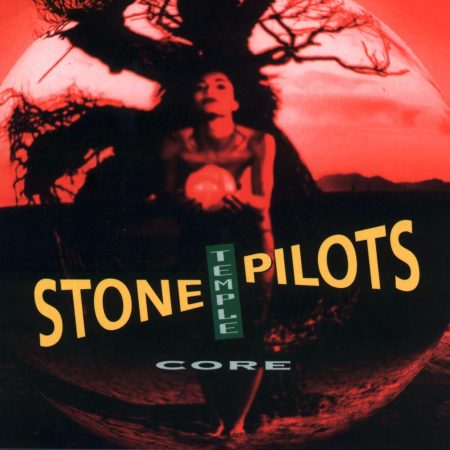
Stone Temple Pilots Sex Type Thing – Available on Amazon
Get Stone Temple Pilots Sex Type Thing (1992) on Amazon
Affiliate Disclosure: I am an Amazon affiliate and if you purchase through any Amazon links on this site I may earn a small commission at no extra charge to you. This helps support classicrockartists.com. Thank you for your support!
Quick Navigation
What is the meaning of Stone Temple Pilots Sex Type Thing?
The song is a scathing critique of sexual violence and misogyny, written from the disturbing perspective of an aggressor to expose the toxic mindset behind assault and objectification, forcing listeners to confront uncomfortable truths about power dynamics and consent.
The Vibe: Genre, Mood, and Sound of Stone Temple Pilots Sex Type Thing
This track channels pure aggression through a grunge framework that borrows heavily from hard rock and heavy metal traditions.
- Genre: Grunge, Hard Rock, Alternative Metal
- Mood: Aggressive, confrontational, intense, provocative
- Tempo: Mid-tempo with explosive bursts (approximately 92 BPM)
- Best For: Intense workouts, cathartic release, understanding 90s alternative rock evolution
- Similar To: Early Soundgarden, Alice in Chains, Helmet
Behind the Lyrics: The Story of Stone Temple Pilots Sex Type Thing
Frontman Scott Weiland penned the lyrics as a deliberate provocation, adopting the voice of a sexual predator to shine a harsh light on attitudes he found reprehensible.
The song emerged during the early 1990s when discussions about date rape and consent were entering mainstream consciousness.
Weiland drew inspiration from witnessing disturbing behavior at parties and clubs in San Diego, where the band formed in 1989.
The controversial first-person perspective caused immediate misunderstanding, with some listeners mistaking the critique for endorsement.
The band defended the artistic choice, explaining that adopting the aggressor’s voice created maximum discomfort and forced confrontation with ugly realities.
Core, the album housing this track, was recorded at Rumbo Recorders in Canoga Park, California between late 1991 and early 1992.
Producer Brendan O’Brien captured the band’s raw energy while adding sonic depth that separated them from typical grunge production.
The track appeared as the opening song on Core, immediately establishing the album’s confrontational tone.
Released as the debut single in March 1992, it preceded the more commercially successful Stone Temple Pilots Creep (1992) by several months.
The timing placed Stone Temple Pilots squarely in the post-Nirvana explosion when major labels scrambled to sign alternative rock acts.
Critics initially dismissed the band as derivative, comparing them unfavorably to Pearl Jam and other Seattle acts.
The controversy surrounding the lyrics actually helped the song gain traction on alternative radio and MTV.
You can explore the full context on Wikipedia, which documents the song’s reception and cultural impact.
The band performed it on their first major tour, often using it as an opening number to immediately grab audience attention.
Weiland’s vocal delivery shifts between menacing whispers and explosive screams, embodying the predatory character he created.
Technical Corner: The Gear Behind Stone Temple Pilots Sex Type Thing
Dean DeLeo Stone Temple Pilots guitarist crafted the song’s crushing main riff using his signature Gibson Les Paul through a Marshall amplifier setup.
DeLeo employed a detuned guitar tuning, dropping down a half-step to E-flat standard for added heaviness and vocal range accommodation.
The guitar tone combines thick distortion with clarity, allowing individual notes to cut through the dense mix.
Robert DeLeo Stone Temple Pilots bassist anchored the track with his Music Man StingRay bass, providing the low-end rumble that drives the verses.
Robert’s bass lines follow the guitar riff closely but add subtle variations that create rhythmic tension.
Eric Kretz Stone Temple Pilots drummer delivered a performance that balances power with restraint, using dynamics to build intensity.
Kretz played a Tama drum kit with Zildjian cymbals, capturing a massive sound in the studio.
The drum sound features prominent room ambience, giving the kit a natural, explosive quality rather than the compressed sound common in metal.
Producer Brendan O’Brien utilized analog recording techniques at Rumbo Recorders, tracking to two-inch tape for warmth and saturation.
O’Brien’s production philosophy emphasized capturing live energy, often recording basic tracks with the full band playing together.
Weiland recorded his vocals through a Neumann U87 microphone, allowing his dynamic range to shine from whispers to screams.
The vocal production includes minimal effects, relying on Weiland’s natural intensity and O’Brien’s strategic use of compression.
The mix places the vocals slightly forward, ensuring the lyrical message remains clear despite the instrumental assault.
O’Brien added subtle guitar overdubs to thicken the chorus sections without cluttering the arrangement.
The production maintains space in the mix, avoiding the wall-of-sound approach that characterized some contemporary grunge records.
Legacy and Charts: Why Stone Temple Pilots Sex Type Thing Still Matters
The single reached number 23 on the Billboard Mainstream Rock Tracks chart in 1992, establishing the band’s commercial viability.
It performed moderately on alternative radio but gained significant traction through MTV rotation of its controversial music video.
The song helped propel Core to eventual eight-times platinum certification in the United States, selling over eight million copies.
Core spent 104 weeks on the Billboard 200 chart, with this track serving as the aggressive introduction to the album’s sonic palette.
The music video, directed by Josh Taft, featured the band performing in a stark, industrial setting that emphasized the song’s confrontational nature.
MTV initially hesitated to air the video due to its intense imagery and controversial subject matter.
The track became a staple of the band’s live performances throughout their career, often opening their sets with its explosive energy.
Various artists have covered the song, though none achieved the commercial success or cultural impact of the original.
The song appeared in the 1993 film The Crow soundtrack discussions, though it ultimately wasn’t included.
It has been featured in numerous television shows and documentaries about 1990s rock music and grunge culture.
The track influenced countless alternative metal and post-grunge bands who emerged in the mid-to-late 1990s.
Its combination of heavy riffs and socially conscious lyrics became a template for bands seeking to balance commercial appeal with artistic substance.
The song remains a touchstone for discussions about artistic responsibility and the use of provocative perspectives in songwriting.
Music critics have reevaluated the track over time, recognizing its satirical intent and social commentary more clearly than initial reviews.
The track’s legacy connects to broader conversations about consent and toxic masculinity that have intensified in recent decades.
Listener’s Note: A Personal Take on Stone Temple Pilots Sex Type Thing
When I first heard this on vinyl in my college dorm room in 1992, the opening guitar riff hit like a physical force.
I remember the needle dropping and that first distorted chord filling the room with an almost uncomfortable intensity.
The moment that still gives me chills is when Weiland’s voice shifts from the menacing verse delivery to the explosive chorus.
That dynamic shift, where he goes from controlled aggression to full-throated rage, captures the song’s disturbing subject matter perfectly.
On vinyl, the bass response is particularly impressive, with Robert DeLeo’s low-end rumble creating a physical sensation through decent speakers.
The analog warmth of the original pressing adds a thickness to the guitar tone that digital formats sometimes flatten.
I’ve always appreciated how the band refused to soften their message or apologize for the controversial approach.
The track works because it makes you uncomfortable, forcing you to confront the ugliness it depicts rather than allowing passive consumption.
Listening to it alongside Stone Temple Pilots Wicked Garden (1992) reveals the band’s range even within their debut album.
The production holds up remarkably well three decades later, sounding neither dated nor overly polished.
You can experience the full intensity on the official YouTube video, though nothing quite matches the vinyl experience.
Every time I spin this record, I’m reminded why Stone Temple Pilots deserved more respect than they initially received from critics.
Affiliate Disclosure: I am an Amazon affiliate and if you purchase through any Amazon links on this site I may earn a small commission at no extra charge to you. This helps support classicrockartists.com and allows me to keep providing deep-dive content on the legends of rock. Thank you for your support!
Collector’s Corner: Own Stone Temple Pilots Sex Type Thing on Vinyl or CD
The original 1992 pressing of Core on vinyl has become increasingly collectible, with pristine copies commanding premium prices among grunge enthusiasts.
Modern reissues offer excellent sound quality at more accessible price points for fans discovering the album today.
Get Stone Temple Pilots Sex Type Thing (1992) on Amazon
Frequently Asked Questions About Stone Temple Pilots Sex Type Thing
What album is Stone Temple Pilots Sex Type Thing on?
The song appears as the opening track on Core, Stone Temple Pilots’ debut studio album released on September 29, 1992.
Core was released through Atlantic Records and became one of the best-selling albums of the grunge era.
The album’s sequencing was deliberate, with this aggressive track setting the tone before transitioning to more melodic material.
Did Stone Temple Pilots write Sex Type Thing to promote sexual violence?
No, the song is explicitly a critique of sexual violence and toxic masculinity, not an endorsement.
Scott Weiland wrote from the perspective of an aggressor to expose and condemn such behavior through satire.
The band has consistently defended the artistic choice as a way to force uncomfortable confrontation with serious social issues.
The misunderstanding of the song’s intent reflects broader challenges artists face when using irony or adopted perspectives.
Who produced Stone Temple Pilots Sex Type Thing?
Brendan O’Brien produced the track along with the entire Core album at Rumbo Recorders in California.
O’Brien would go on to become one of rock’s most respected producers, working with Pearl Jam, Rage Against the Machine, and many others.
His work on Core helped establish his reputation for capturing raw energy while maintaining sonic clarity.
What tuning is used in Stone Temple Pilots Sex Type Thing?
The guitars are tuned to E-flat standard, which is a half-step down from standard tuning.
This tuning gives the riffs a heavier, darker quality while accommodating Scott Weiland’s vocal range.
Many grunge and alternative metal bands of the era adopted similar detuned approaches for added sonic weight.
You Might Also Like
Stone Temple Pilots Creep (1992)
This follow-up single from Core showcased the band’s melodic side while maintaining the raw intensity that defined their debut.
Stone Temple Pilots Interstate Love Song (1994)
The band’s evolution from Core’s aggression to Purple’s sophistication is perfectly captured in this career-defining track.
Stone Temple Pilots Wicked Garden (1992)
Another Core standout that demonstrates the band’s ability to blend heavy riffs with psychedelic textures and social commentary.
Stone Temple Pilots Sex Type Thing remains a powerful statement about artistic courage and social responsibility, proving that confrontational art can spark necessary conversations while delivering undeniable sonic impact.