

Stone Temple Pilots Vasoline stands as one of the most visceral and explosive tracks from the grunge era, a song that cemented the band’s place in rock history with its raw power and hypnotic groove.
Released as the second single from their 1994 album Purple, this track showcased a band evolving beyond the comparisons to Stone Temple Pilots Creep and establishing their own distinctive sonic identity.
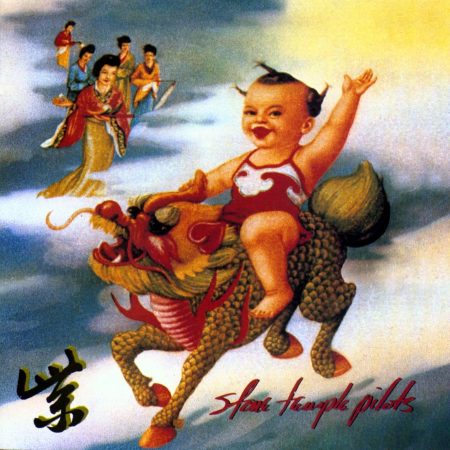
Stone Temple Pilots Vasoline – Available on Amazon
Get Stone Temple Pilots Vasoline (1994) on Amazon
Affiliate Disclosure: I am an Amazon affiliate and if you purchase through any Amazon links on this site I may earn a small commission at no extra charge to you. This helps support classicrockartists.com. Thank you for your support!
Quick Navigation
What is the meaning of Stone Temple Pilots Vasoline?
Vasoline explores themes of superficiality, Hollywood phoniness, and the slippery nature of fame and relationships in the entertainment industry, with the petroleum jelly serving as a metaphor for the greasy, artificial veneer that coats the music business and Los Angeles culture.
The Vibe: Genre, Mood, and Sound of Stone Temple Pilots Vasoline
Stone Temple Pilots Vasoline delivers a hard-hitting blend of grunge aggression and psychedelic swagger that defined mid-90s alternative rock.
- Genre: Grunge, Hard Rock, Alternative Rock
- Mood: Aggressive, hypnotic, defiant, swaggering
- Tempo: Mid-tempo with driving intensity (approximately 96 BPM)
- Best For: Intense workouts, driving on open highways, releasing pent-up energy
- Similar To: Soundgarden‘s “Outshined,” Alice in Chains‘ “Them Bones”
Behind the Lyrics: The Story of Stone Temple Pilots Vasoline
The song emerged during the Purple album sessions in 1994, a pivotal moment when Stone Temple Pilots were determined to silence critics who dismissed them as grunge imitators.
Frontman Scott Weiland penned lyrics that reflected his growing disillusionment with the Los Angeles music scene and its shallow pretenses.
The deliberate misspelling of “Vaseline” as “Vasoline” was a creative choice that added to the song’s gritty, unconventional character.
Weiland’s lyrics paint vivid images of phoniness and artifice, with lines like “One time a thing occurred to me, what’s real and what’s for sale” cutting to the heart of authenticity in an industry built on image.
The chorus refrain “Vasoline” becomes a mantra, representing the slick coating that obscures truth and genuine connection.
According to various interviews, the band drew inspiration from their experiences navigating the music industry’s duplicitous nature.
The song’s structure mirrors its lyrical themes, with verses that build tension before exploding into the cathartic, sludgy chorus.
Purple marked a creative leap for the band, moving beyond the more straightforward grunge of their debut Core into more experimental territory.
The album’s success vindicated the band’s artistic choices and proved they were far more than derivative copyists.
Vasoline became an anthem for anyone who felt suffocated by superficiality and yearned for something authentic.
Technical Corner: The Gear Behind Stone Temple Pilots Vasoline
Dean DeLeo Stone Temple Pilots crafted the song’s signature riff using his Gibson Les Paul through a Demeter TGA-2 tube direct box and VHT amplifiers.
The guitar tone achieves its thick, sludgy character through a combination of dropped tuning and strategic use of effects pedals.
Dean employed a talk box effect during certain sections, creating the distinctive vocal-like quality that adds psychedelic texture to the track.
Robert DeLeo anchored the groove with his Music Man StingRay bass, providing the hypnotic foundation that drives the song forward.
His bass line locks perfectly with the drums, creating a pocket that feels both heavy and danceable.
Eric Kretz Stone delivered a drum performance that balances power with restraint, using his Tama kit to create thunderous fills without overwhelming the groove.
Producer Brendan O’Brien recorded the album at Southern Tracks Recording in Atlanta, Georgia, capturing a raw, live energy that defined the Purple sessions.
O’Brien’s production philosophy emphasized performance over perfection, allowing the band’s natural chemistry to shine through.
Scott Weiland’s vocal delivery ranges from a menacing whisper to a full-throated roar, recorded through a Neumann U47 microphone.
The layered vocal harmonies in the chorus create a wall of sound that amplifies the song’s intensity.
O’Brien utilized analog tape compression to achieve the warm, saturated sound that gives the track its vintage character despite being recorded in the digital era.
Legacy and Charts: Why Stone Temple Pilots Vasoline Still Matters
Vasoline peaked at number one on the Billboard Mainstream Rock Tracks chart, holding the position for two weeks in May 1994.
The song reached number 48 on the Billboard Hot 100, demonstrating crossover appeal beyond the rock audience.
In Canada, the track climbed to number 26 on the RPM Top Singles chart, solidifying the band’s international presence.
The Purple album achieved 6x Platinum certification in the United States, with Vasoline serving as one of its key commercial drivers.
The song’s music video, directed by Kevin Kerslake, received heavy rotation on MTV throughout 1994.
The video’s surreal imagery and distorted visuals perfectly complemented the song’s themes of artifice and distortion.
Stone Temple Pilots Vasoline has been covered by numerous artists, though none have matched the original’s raw intensity and swagger.
The track appeared in the 1994 film The Crow soundtrack discussions, though it ultimately wasn’t included in the final release.
The song remains a staple of rock radio playlists, consistently ranking among the most-played tracks from the grunge era.
Modern rock bands cite Vasoline as an influence, particularly its ability to blend heavy riffs with melodic sensibility.
The track’s enduring popularity helped establish Stone Temple Pilots as one of the defining bands of 1990s alternative rock.
When Chester Bennington joined the band years later, Vasoline remained a setlist essential that showcased his vocal range.
Listener’s Note: A Personal Take on Stone Temple Pilots Vasoline
When I first heard this on vinyl, the opening guitar riff hit me like a physical force, that thick, sludgy tone pouring out of the speakers with undeniable authority.
There’s a moment around the 1:45 mark where everything drops out except the bass and drums, and then the guitars come crashing back in with that talk box effect.
That transition still gives me chills every single time.
Scott Weiland’s vocal performance captures something primal and dangerous, a controlled chaos that feels like it could explode at any moment.
The way he delivers “fly away on my zephyr” with that sneering confidence perfectly encapsulates the song’s attitude.
On headphones, you can hear the subtle layers Dean DeLeo wove into the guitar parts, little flourishes that reward repeated listening.
The production has aged remarkably well, avoiding the over-processed sound that dates many 90s rock recordings.
This track works equally well blasting from car speakers on a summer drive or through a quality home system where you can appreciate its sonic depth.
Vasoline represents everything I love about 90s rock: attitude, craftsmanship, and a refusal to compromise artistic vision for commercial palatability.
You can watch the official music video at this YouTube link to experience the visual component that enhanced the song’s impact.
Affiliate Disclosure: I am an Amazon affiliate and if you purchase through any Amazon links on this site I may earn a small commission at no extra charge to you. This helps support classicrockartists.com and allows me to keep providing deep-dive content on the legends of rock. Thank you for your support!
Collector’s Corner: Own Stone Temple Pilots Vasoline on Vinyl or CD
The Purple album remains widely available on vinyl, CD, and digital formats, with the original pressing offering the warmest analog sound.
Collectors particularly prize the limited edition purple vinyl variant released for Record Store Day.
Get Stone Temple Pilots Vasoline (1994) on Amazon
Frequently Asked Questions About Stone Temple Pilots Vasoline
Why is it spelled Vasoline instead of Vaseline?
The band deliberately misspelled the word to avoid trademark issues with the Vaseline brand and to give the song a more distinctive, unconventional identity.
This creative choice also reinforced the song’s themes of artifice and distortion, with the altered spelling suggesting something not quite right.
What album is Stone Temple Pilots Vasoline on?
Vasoline appears on Purple, Stone Temple Pilots’ second studio album released on June 7, 1994, through Atlantic Records.
The album followed their successful debut Core and showcased a more experimental, psychedelic-influenced sound.
Purple debuted at number one on the Billboard 200 chart, cementing the band’s commercial success.
What is the talk box effect in Vasoline?
The talk box is a guitar effect that routes the instrument’s sound through a tube into the player’s mouth, allowing them to shape the tone with their mouth and lips.
Dean DeLeo used this effect to create the distinctive vocal-like guitar sounds heard throughout Vasoline, particularly in the bridge sections.
This technique was popularized by artists like Peter Frampton and Joe Walsh in the 1970s.
Did Stone Temple Pilots perform Vasoline live?
Yes, Vasoline became a concert staple and remains a highlight of Stone Temple Pilots setlists to this day.
The song’s energy and crowd participation make it a natural choice for live performances.
Current vocalist Jeff Gutt continues to perform the track on the band’s ongoing tours.
Fans can check upcoming performance dates at Stone Temple Pilots Tour 2026 for opportunities to hear this classic live.
You Might Also Like
Stone Temple Pilots Interstate Love Song (1994)
This Purple album companion piece showcases the band’s melodic side while maintaining the same raw authenticity that defines Vasoline.
Stone Temple Pilots Wicked Garden (1992)
The opening track from Core demonstrates the band’s early sound before they evolved into the more experimental territory of Vasoline.
Stone Temple Pilots Sex Type Thing (1992)
This controversial debut single shares Vasoline’s aggressive energy and willingness to tackle uncomfortable subject matter head-on.
Stone Temple Pilots Vasoline remains an essential track that captures a band at the peak of their creative powers, delivering a sonic statement that continues to resonate with rock fans decades after its release.