

Mississippi Queen by Mountain is one of the most recognizable hard rock recordings of 1970, a track whose cowbell-led intro and fuzz-drenched guitar riff have made it among the most immediately identifiable openings in the history of the genre.
Affiliate Disclosure: I am an Amazon affiliate and if you purchase through any amazon links on this site i may earn a small commission at no extra charge to you.
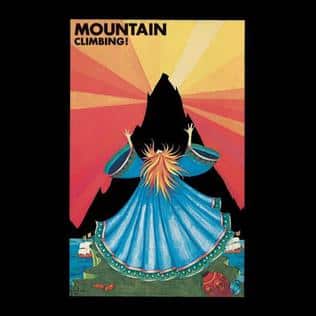
Written by guitarist Leslie West, drummer Corky Laing, producer and bassist Felix Pappalardi, and guitarist David Rea, the song appeared on Mountain’s debut studio album Climbing!, recorded at Record Plant Studios in New York in late 1969 and early 1970.
Mississippi Queen reached #21 on the US Billboard Hot 100, and Guitar Magazine placed it at #10 on its list of the 50 Heaviest Riffs of all time in 1995, acknowledging the central guitar figure’s status as one of the defining riffs in rock history.
West played the riff on a Gibson Les Paul Junior TV through a 50-watt Marshall amplifier, and the combination of his fuzz-saturated tone and Laing’s cowbell-driven rhythm section produced a sound that influenced an entire generation of heavy rock guitarists.
The track has appeared in The Expendables film series, Guitar Hero III, and Beavis and Butt-Head, confirming its status as a cultural touchstone that transcends its original era and continues to reach new audiences.
| Song Title | Mississippi Queen |
| Artist | Mountain |
| Album | Climbing! (1970) |
| Release Year | 1970 |
| Written By | West, Laing, Pappalardi, Rea |
| Producer | Felix Pappalardi |
| Label | Windfall Records |
| Chart Peak | #21 US Billboard Hot 100 |
Table of Contents
- What Is the Song About?
- The Vibe: Genre, Mood, and Search Intent
- Behind the Lyrics: The Song’s Story
- Technical Corner: Gear and Production
- Legacy and Charts: Impact and Endurance
- Listener’s Note: A Personal Take
- Collector’s Corner: Own a Piece of Rock History
- Frequently Asked Questions About Mississippi Queen
What Is the Song About?
Mississippi Queen is a song about desire and pursuit, its lyric centered on an alluring Southern woman whose power over the narrator is expressed through the same irresistible force as the guitar riff that carries the track.
The title character is drawn from the tradition of American blues and Southern rock mythology, a figure who represents freedom, danger, and the kind of attraction that cannot be resisted or reasoned with.
Laing has described the lyric as developing from words he had written before joining Mountain, originally called “The Queen”, which West and Pappalardi then shaped into the version recorded for the album.
The music perfectly matches the lyrical subject: the riff’s fuzz-saturated heaviness and the cowbell’s irresistible pulse create the same quality of unstoppable forward motion that the narrator describes in his pursuit of the title figure.
The Vibe: Genre, Mood, and Search Intent
Mississippi Queen opens with Laing’s cowbell figure, one of the most debated introductions in rock history, followed immediately by West’s guitar riff crashing in with a weight and distortion that established the template for heavy rock in the decade that followed.
The production by Pappalardi gives the recording a rawness and presence that has aged remarkably well: there is no attempt to smooth the edges, and the result is a track that sounds genuinely dangerous even fifty years after it was recorded.
- Genre: Hard Rock, Heavy Rock, Proto-Metal
- Mood: Driving, Primal, Powerful
- Tempo: Mid-tempo with cowbell drive
- Best For: Hard rock playlists, 1970 rock collections, proto-metal deep dives
- Similar To: Free “All Right Now”, Black Sabbath “Iron Man”
- Fans Also Search: Mountain discography, Leslie West guitar, Climbing! album
Behind the Lyrics: The Song’s Story
Corky Laing had developed the words and drum pattern for Mississippi Queen before he joined Mountain, and when West created the central guitar riff during rehearsals, Laing brought forward his pre-existing lyric about “The Queen”, which the full band then developed into the version recorded at Record Plant Studios.
The cowbell that opens the recording has a disputed origin: Laing has said it began as a count-off tool during the many takes Pappalardi demanded and was retained in the final mix, while West disputed this account and maintained that the cowbell was always intended as part of the arrangement.
Pappalardi was an exacting producer who demanded numerous takes to achieve the exact sound he wanted, and his perfectionism in the studio was a significant factor in the quality of the finished recording.
According to the Wikipedia entry on Mississippi Queen, the guitar leads were overdubbed after the basic track was recorded, giving West the opportunity to craft his solo with the precision the finished performance required.
For listeners exploring the foundations of heavy rock, this track stands alongside Free’s All Right Now as one of the essential recordings from 1970 that established the blueprint for a decade of guitar-driven rock to come.
Technical Corner: Gear and Production
Leslie West’s guitar tone on Mississippi Queen is one of the most celebrated in hard rock: the combination of his Gibson Les Paul Junior TV and a 50-watt Marshall amplifier through a Sunn 12-inch cabinet produced a fuzz-saturated sound of extraordinary weight and presence.
The guitar leads were overdubbed onto the basic track, allowing West to refine his performance and to develop the solo with a deliberateness that contrasts with but complements the raw energy of the basic rhythm track.
Pappalardi, who played bass on the recording as well as producing it, understood the rhythmic architecture needed to support West’s guitar work, and his bass part locks in with Laing’s drums to create a foundation of considerable power.
Record Plant Studios in New York was one of the most important recording facilities of the late 1960s and early 1970s, and Pappalardi’s familiarity with its capabilities contributed to his ability to capture the band’s raw energy with professional precision.
The production’s decision to leave the recording relatively unprocessed was exactly right: the rawness of the sound is inseparable from the track’s character, and any attempt to smooth or polish it would have destroyed precisely what makes it compelling.
Legacy and Charts: Impact and Endurance
Mississippi Queen reached #21 on the US Billboard Hot 100 in 1970, and the Climbing! album reached #17 on the Billboard 200, spending 39 weeks on the chart and earning Gold certification.
Guitar Magazine’s 1995 ranking of the guitar riff at #10 in its list of the 50 Heaviest Riffs of all time acknowledged what decades of rock history had already demonstrated: that West’s central figure was among the most influential and imitated in the genre.
Ozzy Osbourne covered the song in 2005, featuring West himself on guitar, and the resulting recording reached #10 on the Billboard Mainstream Rock chart, introducing the track to a generation that had grown up after its original chart run.
The track’s appearances in Guitar Hero III and The Expendables films have kept it in active cultural circulation, and its endurance across fifty years of rock history is a testament to the timelessness of its central riff and production approach.
Mississippi Queen stands as one of the defining recordings of 1970 and one of the founding texts of the heavy rock tradition that would become hard rock and heavy metal through the decade that followed.
Listener’s Note: A Personal Take
The cowbell-to-riff transition at the opening of this recording is one of the great moments in rock history: the cowbell establishes a pulse, and then the guitar crashes in with a weight that makes it impossible not to feel something physical happen in response.
West’s tone is irreplaceable: the fuzz saturation of the Les Paul through the Marshall creates a sound that is simultaneously rough and musical, heavy and melodic, and the combination is unique to this recording and this moment in rock history.
Pappalardi’s production decision to keep the recording raw rather than polished was exactly right: the track’s power comes precisely from its refusal to be smoothed, and every note of West’s guitar sounds like it could break something.
Laing’s drumming is a perfect example of serving the song: the cowbell and the driving rhythm section create the platform that the guitar needs, and there is not a moment where the drums draw attention to themselves at the expense of the overall impact.
It is a record that makes its case completely in under three minutes, and anyone who has heard it at the right volume will understand why it has been cited as a blueprint for heavy rock by guitarists across five decades.
Watch: The Official Music Video
Collector’s Corner: Own a Piece of Rock History
Mountain: Climbing! (1970)
Own the debut album that contains one of rock history’s most celebrated guitar riffs.
Original Windfall pressings, remastered editions, and vinyl available.
Frequently Asked Questions About Mississippi Queen
Who wrote Mississippi Queen?
Mississippi Queen was written by Leslie West, Corky Laing, Felix Pappalardi, and David Rea. Laing had developed the original lyric and drum pattern before joining Mountain, and the full band developed the final arrangement collaboratively during rehearsals and recording sessions at Record Plant Studios in New York.
What is Mississippi Queen about?
Mississippi Queen is about desire and the pursuit of an alluring Southern woman, drawing on the tradition of American blues and Southern rock mythology. The title character represents freedom, danger, and irresistible attraction, and the track’s musical energy mirrors its lyrical subject with complete consistency.
What gear did Leslie West use on the recording?
Leslie West played a Gibson Les Paul Junior TV through a 50-watt Marshall amplifier into a Sunn 12-inch cabinet. The combination produced the fuzz-saturated, heavyweight guitar tone that defines the recording and that influenced an entire generation of hard rock and heavy metal guitarists who followed in his wake.
Where does the cowbell come from?
The origin of the cowbell is disputed between band members. Corky Laing has said it began as a count-off device during the many takes that Pappalardi demanded and was retained in the final mix. Leslie West disputed this, maintaining that the cowbell was always intended as part of the arrangement. Regardless of its origin, the cowbell intro has become one of the most recognizable elements of any rock recording.
How did Mississippi Queen chart?
The song reached #21 on the US Billboard Hot 100 in 1970. The Climbing! album reached #17 on the Billboard 200, spending 39 weeks on the chart and earning Gold certification. Guitar Magazine later ranked the central riff at #10 in its list of the 50 Heaviest Riffs of all time.
Has Mississippi Queen been covered?
Yes. The most notable cover is Ozzy Osbourne’s 2005 version, which featured Leslie West himself on guitar and reached #10 on the Billboard Mainstream Rock chart. The track has also been covered by numerous other artists and appears regularly in guitar-focused compilations and hard rock tribute albums.
What was Mountain’s connection to Cream?
Felix Pappalardi, Mountain’s producer and bassist, had previously produced Cream’s landmark albums Disraeli Gears (1967) and Wheels of Fire (1968). His experience with Cream’s power trio approach and heavy blues rock directly influenced his production of Mountain’s recordings, including the approach to guitar tone and rhythm section dynamics that makes Mississippi Queen sound as powerful as it does.
Where has Mississippi Queen appeared in popular culture?
The song has appeared in The Expendables film series, Guitar Hero III, and the animated television series Beavis and Butt-Head, among many other placements. Its use across decades of film, television, and video games confirms its status as a cultural shorthand for hard rock power and the spirit of early 1970s heavy music.
You Might Also Like
Free: All Right Now (1970)
A fellow 1970 hard rock landmark built on one of the era’s great guitar riffs, sharing the same blues-rooted power and the same conviction that rock music’s essential elements could produce something genuinely timeless.
Black Sabbath: Iron Man (1970)
From the same year and the same tradition of heavyweight guitar rock, a track that shares the same commitment to riff-driven heaviness and the same understanding that distortion and volume could carry genuine musical weight.
Edgar Winter Group: Frankenstein (1973)
A hard rock and proto-metal landmark from a few years later that shares the same emphasis on guitar power and rhythmic intensity, and the same willingness to let instrumental virtuosity drive a track to the top of the charts.
More than fifty years after its recording at Record Plant Studios, this track retains every degree of the raw power and riff-driven intensity that made it a landmark of 1970 and a blueprint for everything in heavy rock that followed.