

Jailbait Motorhead: The Most Controversial Ace of Spades Cut
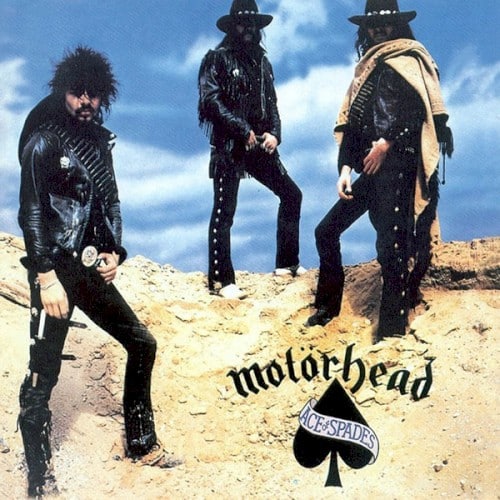
Jailbait Motorhead is track eight on the band’s landmark 1980 album Ace of Spades.
The song’s blunt subject matter made it one of the most debated deep cuts in Motorhead’s catalogue.
It never charted as a single, but it remains one of the most discussed tracks on the Ace of Spades album.
Here is the true story behind Jailbait Motorhead, the controversy around it, and how critics read it today.
Affiliate Disclosure: I am an Amazon affiliate and if you purchase through any amazon links on this site i may earn a small commission at no extra charge to you.
📋 Table of Contents [+]
⚡ Key Takeaways
- Jailbait is track eight on Motorhead’s fourth studio album Ace of Spades, released 8 November 1980 on Bronze Records.
- Lemmy Kilmister, Fast Eddie Clarke, and Phil Taylor wrote the song together as Motorhead’s classic three piece lineup.
- The lyrics address the appeal of underage groupies, a theme that drew criticism for its blunt subject matter.
- Some critics read the song as a pointed commentary on 1970s rock groupie culture rather than a personal statement.
- Ace of Spades, the album that carries the track, reached number 4 on the UK Albums Chart in 1980.
What Is Jailbait Motorhead About?
The lyrics describe the appeal of an underage groupie backstage at a show, using the slang term jailbait as the hook.
Lemmy Kilmister wrote blunt, confrontational lyrics throughout his career, and this song sits among the most direct examples.
The lyric “just enough to know you’re here backstage” places the narrator squarely inside 1970s touring culture rather than at a remove from it.
Lemmy said he was surprised the track did not draw more criticism when Ace of Spades first came out in 1980.
Who Wrote Jailbait Motorhead?
Lemmy Kilmister, Fast Eddie Clarke, and Phil “Philthy Animal” Taylor wrote the song together as a full band composition.
Lemmy handled bass and lead vocals, Clarke built the guitar riff, and Taylor drove the rhythm section underneath it.
The track was recorded during the same summer 1980 sessions at Jackson’s Studios that produced the rest of Ace of Spades.
Vic Maile produced the album, pushing the band toward the tighter, faster sound that defined their commercial breakthrough.
What Album Is Jailbait From?
Jailbait is track eight on Ace of Spades, Motorhead’s fourth studio album.
Bronze Records released the album on 8 November 1980, three weeks after the title single.
Ace of Spades reached number 4 on the UK Albums Chart and went Gold in Britain by March 1981.
The album is widely regarded as the definitive statement of Motorhead’s classic three piece lineup.
Why Did Jailbait Motorhead Draw Criticism?
The song drew criticism because its lyrics describe attraction to a clearly underage person without any narrative distance.
Later reviewers flagged the track as one of the more uncomfortable moments in Motorhead’s otherwise rebellious catalogue.
The controversy sits alongside similar debates around other late 1970s and early 1980s rock lyrics that treated groupie culture as a punchline.
Motorhead never removed the track from reissues of Ace of Spades, and it remains part of the album as originally sequenced.
How Do Critics Interpret the Song Today?
Some modern critics read the song as a piece of reportage on how reckless 1970s rock groupie culture actually was, rather than a literal confession.
Under that reading, the narrator’s voice is closer to a character study than a personal statement from Lemmy himself.
Other listeners still hear it as a straightforward and indefensible lyric with no ironic distance at all.
Both readings get debated regularly in retrospectives on the Ace of Spades album, decades after its 1980 release.
Where Does It Fit Into Motorhead’s Live Legacy?
The song appeared in Motorhead’s live sets during the early 1980s alongside other Ace of Spades material.
Overkill, released the year before, shows how quickly the band moved from raw thrash to the tighter songwriting of the Ace of Spades sessions.
Unlike signature tracks such as the title song, it was never treated as a permanent set closer.
It stayed a deep cut, known mainly to fans who owned the full album rather than casual radio listeners.
Why Do Fans Still Discuss Jailbait Motorhead?
Fans still discuss the track because it captures a blunt, unfiltered version of Lemmy’s songwriting that later decades made harder to defend.
Hawkwind, the band Lemmy played bass for before founding Motorhead, gave him the same confrontational streak that runs through this lyric.
As of 2026, read the complete lineup history of the members of Motorhead across four decades of the band.
The debate around the song shows how differently classic rock lyrics read decades after they were written.
Only months later, that same lineup recorded Please Don’t Touch with Girlschool, a very different side of the band entirely.
People Also Ask
What album is Jailbait by Motorhead on?
Jailbait is track eight on Motorhead’s fourth studio album Ace of Spades, released on 8 November 1980 through Bronze Records, three weeks after the title single.
The album reached number 4 on the UK Albums Chart and went Gold in Britain by March 1981.
Who wrote Jailbait?
Lemmy Kilmister, Fast Eddie Clarke, and Phil “Philthy Animal” Taylor wrote Jailbait together as Motorhead’s classic three piece lineup during the 1980 Ace of Spades sessions.
Vic Maile produced the album at Jackson’s Studios in Rickmansworth, England.
What is the song Jailbait about?
The lyrics describe the appeal of an underage groupie backstage at a show, a theme that has made the song one of Motorhead’s most debated deep cuts.
Some critics read it as a commentary on reckless 1970s groupie culture rather than a literal personal statement.
Did Jailbait chart as a single?
No, Jailbait never charted as a standalone single and has always existed only as an album track on Ace of Spades.
It stayed a deep cut through Motorhead’s early 1980s touring years rather than becoming a released single.
Is Jailbait still played live by Motorhead tribute acts?
Jailbait occasionally appears in classic era Motorhead tribute sets, though it was never one of the band’s regular set closers.
It remains far less common in live performance than signature tracks like Ace of Spades or Overkill.
Listen to the Song and Shop Motorhead Albums
Affiliate Disclosure: I am an Amazon affiliate and if you purchase through any amazon links on this site i may earn a small commission at no extra charge to you. This helps support classicrockartists.com and allows me to keep providing deep-dive content on the legends of rock. Thank you for your support!
As an Amazon Associate, I earn from qualifying purchases.
Ace of Spades
1980, 50th Anniversary 2 CD Edition
Home to Jailbait and the title track that made Motorhead legends.
Expanded with bonus tracks and remastered sound.

No Sleep ’til Hammersmith
1981, 40th Anniversary Deluxe Edition
The live album recorded during the Ace of Spades touring cycle.
Hit number 1 on the UK Albums Chart in 1981.
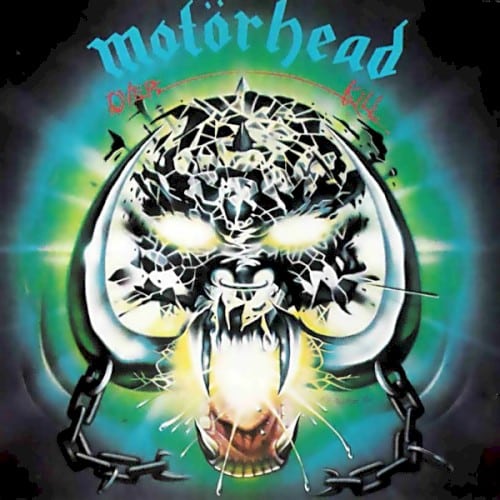
Overkill
1979
The album that laid the groundwork for Ace of Spades.
Twin bass drums and pure speed from the classic lineup.
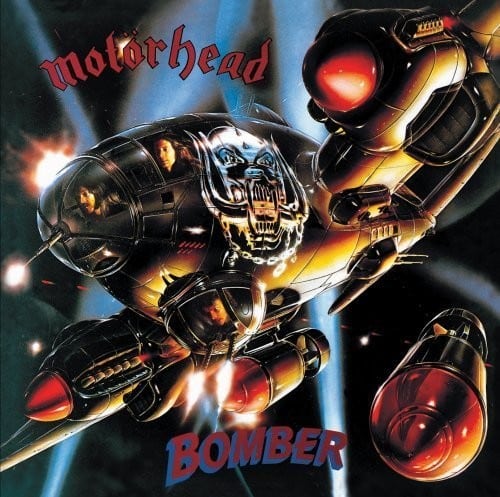
Bomber
1979, 50th Anniversary Edition
The bridge between Overkill and Ace of Spades.
Faster, tighter, and a direct warm up for the classic era.
You Might Also Like
Killed by Death
Another Motorhead song caught up in controversy, this one banned outright by MTV in 1984.
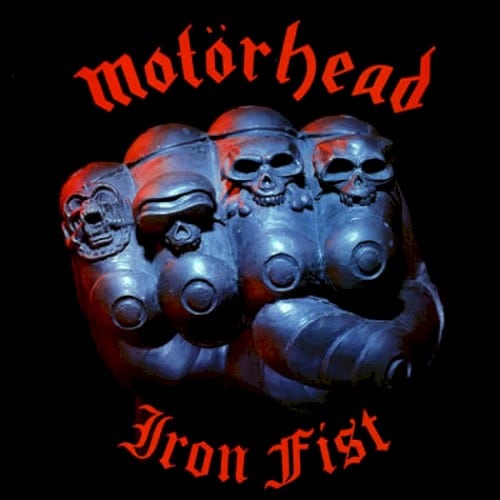
Iron Fist Motorhead
The last single from the same classic lineup that recorded Jailbait two years earlier.
We Are the Road Crew
A fellow Ace of Spades deep cut, this one a tribute to touring road crews rather than controversy.
The Chase Is Better Than the Catch
Another blunt statement on desire from the same 1980 Ace of Spades sessions.
The track endures as one of Motorhead’s most uncomfortable and most argued over deep cuts.
As of 2026, Jailbait Motorhead remains a case study in how classic rock lyrics age, and how fans reconcile that history with the music they love.
Last updated: July 14, 2026