

1916 Motorhead Song: Lemmy’s Tribute to the Somme
The 1916 Motorhead song is the title track from the band’s ninth studio album, released 21 January 1991.
It stands apart from almost everything else Motorhead ever recorded.
Instead of speed and volume, the track uses a slow tempo, a cello, and one of Lemmy Kilmister’s most personal lyrics.
Here is the true story behind the 1916 Motorhead song, its wartime inspiration, and why it still stuns first time listeners.
Affiliate Disclosure: I am an Amazon affiliate and if you purchase through any amazon links on this site i may earn a small commission at no extra charge to you.
📋 Table of Contents [+]
⚡ Key Takeaways
- 1916 is the title track from Motorhead’s ninth studio album, released 21 January 1991 on WTG Records.
- Lemmy Kilmister wrote the lyrics as a tribute to soldiers killed during the World War I Battle of the Somme.
- Session musician James Hoskins played cello on the track, an instrument almost never heard on a Motorhead record.
- The 1916 album reached number 24 on the UK Albums Chart following its 1991 release.
- Lemmy revealed the song’s Battle of the Somme inspiration in his 2002 memoir White Line Fever.
What Is 1916 Motorhead Song About?
The song is a tribute to young soldiers killed in World War I, told from the perspective of a dying man on the battlefield.
Lemmy Kilmister’s lyrics avoid the band’s usual bravado entirely, replacing it with quiet grief.
The lyric captures the scale of loss in a single image rather than a lecture on the horrors of war.
It stands as one of the most restrained and personal vocal performances Lemmy ever recorded.
Who Wrote 1916 Motorhead Song?
Lemmy Kilmister wrote the lyrics himself, departing from the full band writing credits common on most Motorhead tracks.
Phil Campbell and Wurzel played guitar on the recording, with Phil “Philthy Animal” Taylor on drums.
Session musician James Hoskins added cello, an instrument almost never heard on a Motorhead record before or since.
Producers Peter Solley and Ed Stasium worked on the album, with Solley completing production after Stasium’s initial four tracks.
What Inspired the Song’s Lyrics?
Lemmy revealed in his 2002 memoir White Line Fever that the song was inspired by the Battle of the Somme.
He said nineteen thousand English soldiers were killed before noon on the battle’s first day, a whole generation destroyed in three hours.
Lemmy wrote the song after watching a UK television program in which a veteran described a friend dying in his arms.
That single image, rather than any grand historical statement, became the emotional core of the finished lyric.
What Album Is It From?
1916 is the title track of Motorhead’s ninth studio album, released on 21 January 1991 through WTG Records.
The album reached number 24 on the UK Albums Chart shortly after release.
It arrived four years after the band’s Rock ‘n’ Roll album, marking a clear artistic step forward.
The band’s very next studio album paired new drummer Mikkey Dee with a very different kind of song in Hellraiser.
The record remains one of the most critically respected albums in Motorhead’s later catalogue.
Why Is It Musically Different From Other Motorhead Songs?
The track is an unusually slow ballad, a rare tempo choice for a band built on speed.
Lemmy’s vocal sits only lightly accompanied, with space left around every line rather than a wall of guitars.
Lemmy said he loved the cello, and credited Paul McCartney’s use of the instrument on Yesterday and Eleanor Rigby as his inspiration.
The result plays closer to a folk ballad than anything else in Motorhead’s studio discography.
Did 1916 Motorhead Song Chart?
No, the song was never released as a standalone single and did not chart on its own.
The parent album reached number 24 on the UK Albums Chart in 1991.
Its reputation grew instead through critical acclaim and word of mouth among fans.
Many critics still cite it as Motorhead’s most surprising and effective songwriting achievement.
Why Do Fans Still Discuss 1916 Motorhead Song?
Fans still discuss the song because it proved Motorhead could write something quiet and devastating, not just loud and fast.
Hawkwind, the band Lemmy played bass for before Motorhead, never prepared fans for a song this restrained.
As of 2026, read the complete lineup history of the members of Motorhead across four decades of the band.
More than three decades on, the 1916 Motorhead song still moves first time listeners to silence.
People Also Ask
What is the song 1916 by Motorhead about?
1916 is a Motorhead ballad about young soldiers killed in the World War I Battle of the Somme, written by Lemmy Kilmister after he watched a television program in which a veteran described a friend dying in his arms.
The song became the title track of the band’s ninth studio album, released in January 1991.
Who wrote 1916?
Lemmy Kilmister wrote the lyrics to 1916 himself, while Phil Campbell, Wurzel, and Phil Taylor performed the music, with session musician James Hoskins adding cello.
Producers Peter Solley and Ed Stasium worked on the finished album.
What inspired the song 1916?
Lemmy Kilmister revealed in his 2002 memoir White Line Fever that the song was inspired by the Battle of the Somme, in which nineteen thousand English soldiers were killed before noon on the first day.
He wrote it after watching a television program featuring a veteran’s account of a friend dying beside him.
What album is 1916 from?
1916 is the title track of Motorhead’s ninth studio album, released on 21 January 1991 through WTG Records and reaching number 24 on the UK Albums Chart.
The album arrived four years after the band’s Rock ‘n’ Roll record.
Listen to 1916
Affiliate Disclosure: I am an Amazon affiliate and if you purchase through any amazon links on this site i may earn a small commission at no extra charge to you. This helps support classicrockartists.com and allows me to keep providing deep-dive content on the legends of rock. Thank you for your support!
As an Amazon Associate, I earn from qualifying purchases.
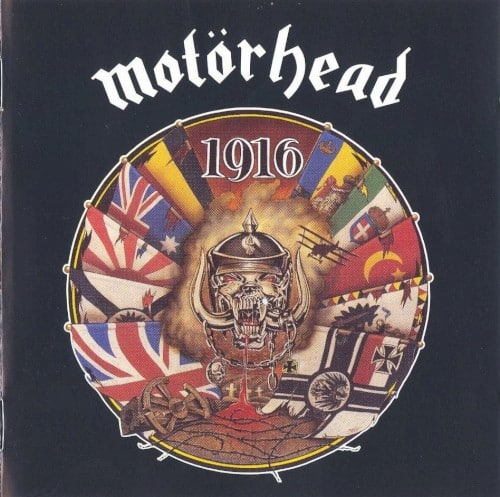
1916
1991, Legacy Recordings CD
Home to this title track and Lemmy’s most personal lyric.
One of the most critically respected albums in the band’s catalogue.
March or Die
1992, Legacy Recordings CD
The album released just one year after this song.
Featured a new drummer and a star studded collaboration.
Orgasmatron
1986, Deluxe Import Edition
Another rare example of Lemmy writing directly about war and politics.
Released five years before this song.
Ace of Spades
1980, 50th Anniversary 2 CD Edition
The album that made Motorhead legends eleven years before this song.
Motorhead’s defining anthem and biggest hit.
You Might Also Like
Orgasmatron Motorhead
Another rare example of Lemmy tackling war and politics head on, five years before this song.
Ace of Spades Motorhead
The band’s fastest, best known anthem, a world away from this song’s quiet grief.
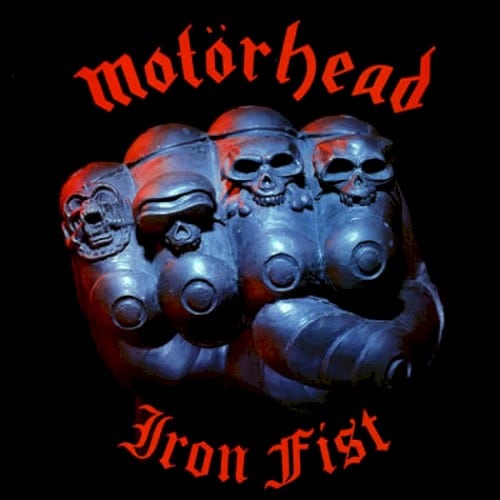
Iron Fist Motorhead
The last single from the classic three piece, recorded nearly a decade before this ballad.
The 1916 Motorhead song stands as proof the band could write something quiet and still hit as hard as their loudest anthems.
More than three decades later, the 1916 Motorhead song remains one of the most unexpected and moving tracks in the band’s catalogue.
Last updated: July 14, 2026