

Aerosmith Sweet Emotion opens with one of the most distinctive bass intros in rock history, immediately signaling that something special is about to unfold.
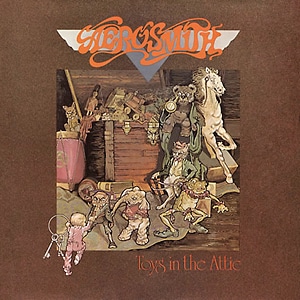
Released in 1975 on the album Toys in the Attic, this track became the band’s first top-40 single and cemented Aerosmith as one of America’s premier hard rock acts.
Written by Tom Hamilton and Steven Tyler, Sweet Emotion captures the volatile energy and behind-the-scenes tension that defined the band during their mid-1970s peak.
Quick Navigation
What is the meaning of Aerosmith Sweet Emotion?
Sweet Emotion is widely understood to be about the internal tensions within Aerosmith during the mid-1970s, particularly the friction between Steven Tyler and the management figures surrounding the band.
The phrase “sweet emotion” is deliberately ironic, referring to the bittersweet cocktail of desire, resentment, and rock-and-roll excess that pervaded the band’s daily life on the road.
Tyler channeled real frustrations into lyrical form, giving the song an authenticity that resonates just as strongly today as it did in 1975.
The Vibe: Genre, Mood, and Sound of Aerosmith Sweet Emotion
Sweet Emotion delivers a raw, swaggering hard rock experience anchored by one of the most memorable bass intros ever recorded.
The song builds from a hypnotic groove into an explosive chorus that showcases Aerosmith at their most confident and unstoppable.
- Genre: Hard rock, blues rock
- Mood: Swaggering, gritty, electrifying
- Tempo: Mid-tempo groove with explosive peaks
- Key Instruments: Bass guitar, electric guitar, drums, harmonica
- If you like this, try: Led Zeppelin’s Rock and Roll, Black Sabbath’s Iron Man, AC/DC’s Highway to Hell
Behind the Lyrics
The song opens with Tom Hamilton’s iconic bass riff, created using a reversed echo technique that gave it an almost otherworldly quality unlike anything else on rock radio at the time.
Steven Tyler sings about a woman who plays games and causes trouble, using the road and touring life as a backdrop for his frustration.
The line “you stand in the front just a-shakin’ your ass” captures the provocative atmosphere of 1970s rock concerts and the complex power dynamics between performers and their entourage.
Tyler’s vocal delivery shifts from a low, conspiratorial murmur to a full-throated wail, mirroring the emotional volatility the song describes.
The chorus hook of “sweet emotion” is repeated like a mantra, becoming more intense with each pass as the song builds toward its climax.
References to “talking about things that nobody cares” suggest Tyler’s frustration with empty conversations and the shallow nature of life in the spotlight.
The harmonica cuts through the mix with a bluesy urgency, adding another dimension to what is already a richly layered track.
Tom Hamilton has noted that he wrote the original riff almost absentmindedly during a rehearsal session, never imagining it would become one of rock’s most recognizable bass lines.
Recording Story and Production
Sweet Emotion was recorded at the Record Plant in New York City during sessions for Toys in the Attic in late 1974 and early 1975.
Producer Jack Douglas worked closely with the band to capture the raw energy that had been electrifying their live shows but had not yet been fully conveyed on record.
Hamilton’s bass intro was created using a studio technique involving reversed echo, giving the note its unusual forward-swelling quality.
Joe Perry contributed fiery lead guitar work that punctuates the verses, playing through a combination of amp setups to achieve the song’s gritty, saturated tone.
Brad Whitford added rhythm guitar parts that lock in with Hamilton’s bass to create a thick, irresistible groove beneath Tyler’s vocals.
Joey Kramer’s drumming is deceptively restrained in the verses, holding back just enough to make the chorus feel explosive by contrast.
Douglas encouraged the band to keep the arrangement relatively sparse, trusting that the strength of the riff and vocal performance would carry the song.
The harmonica part was added late in the session and was initially considered optional, but its blues-soaked tone proved so effective that it became one of the song’s defining elements.
Chart Performance and Legacy
Sweet Emotion was released as a single in April 1975 and reached number 36 on the Billboard Hot 100, becoming Aerosmith’s first top-40 hit.
The song’s success helped push Toys in the Attic to number 11 on the Billboard 200 and eventually to multi-platinum certification.
The track became a cornerstone of classic rock radio and a staple of Aerosmith’s live performances for the next five decades.
In 1989 the song re-entered the charts, reaching number 14 on the Hot 100 after it was featured in a television campaign that introduced it to a new generation of fans.
Rolling Stone ranked Sweet Emotion among the greatest rock songs of all time, citing its bass intro as one of the most immediately recognizable in rock history.
The song has been covered and sampled by numerous artists across rock, hip-hop, and pop genres, a testament to its enduring cultural power.
Live performances of Sweet Emotion often feature an extended intro where Tyler engages the crowd before the bass riff drops, creating one of the great moments of anticipation in rock concert history.
Listener’s Note: A Personal Take on Aerosmith Sweet Emotion
The moment that bass riff hits for the first time is genuinely unlike anything else in rock music — it sounds like it is falling forward in time before the song has even properly started.
There is something hypnotic about the groove Hamilton and Kramer establish in those opening bars that makes it impossible not to move.
Tyler’s vocal performance here is one of his best — he sounds dangerous and charming and unpredictable all at once, which is exactly what the song requires.
The moment the harmonica enters it adds a layer of blues authenticity that reminds you Aerosmith was always, at their core, a blues band playing hard rock.
Every time I return to this song I am struck by how perfectly calibrated it is — nothing wasted, nothing missing, just four minutes of pure Aerosmith at their 1970s peak.
Affiliate Disclosure: I am an Amazon affiliate and if you purchase through any Amazon links on this site I may earn a small commission at no extra charge to you. This helps support ClassicRockArtists.com. Thank you for your support!
Collector’s Corner: Own Aerosmith Sweet Emotion on Vinyl or CD
Original pressings of Toys in the Attic on Columbia Records are highly sought after by collectors, with the 1975 first pressing particularly prized for its warm analog sound.
The album has been reissued in multiple remastered editions, including a 180-gram audiophile vinyl pressing that brings new clarity to Hamilton’s legendary bass intro.
Get Aerosmith Toys in the Attic on Vinyl or CD at Amazon
Frequently Asked Questions About Aerosmith Sweet Emotion
Who wrote Sweet Emotion by Aerosmith?
Sweet Emotion was written by bassist Tom Hamilton and frontman Steven Tyler.
Hamilton created the iconic bass riff and brought the musical idea to Tyler, who developed the lyrics and vocal melody.
What album is Sweet Emotion on?
Sweet Emotion appears on Aerosmith’s third studio album Toys in the Attic, released in April 1975 on Columbia Records.
The album is widely considered one of the greatest hard rock albums ever made and also features Walk This Way.
What bass technique is used in the Sweet Emotion intro?
Tom Hamilton used a reversed echo effect in the studio to create the distinctive opening, which gives the bass note its unusual forward-swelling quality.
The technique involves recording the note, reversing the audio, adding reverb, and reversing it back so the decay plays before the attack.
You Might Also Like
The enduring power of Aerosmith Sweet Emotion lies in its perfect marriage of groove, attitude, and blues-soaked hard rock that continues to sound as vital today as it did when Tom Hamilton first conjured that bass riff in 1974. Read about Sweet Emotion on Wikipedia.
Continue your classic rock journey: Aerosmith Dream On (1973) and Lynyrd Skynyrd Free Bird (1973).