
🎸 EXPLORE QUEEN’S LEGENDARY ALBUMS 🎸
Discover the iconic albums that defined a generation
🛒 Shop Queen Albums Now📚 Table of Contents
🎤 BUILD YOUR QUEEN COLLECTION 🎤
From A Night at the Opera to The Platinum Collection
🛒 Explore Albums Below🏆 Historic YouTube Achievement
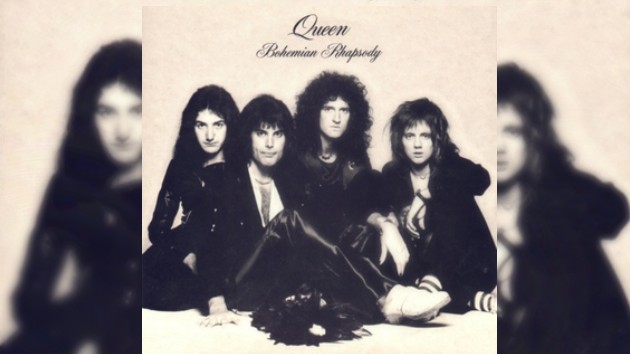
Queen’s Bohemian Rhapsody hits 2 billion views on YouTube, establishing an unprecedented record. The 1975 classic becomes the oldest song in YouTube history to reach this milestone. Released 50 years ago, the six-minute operatic masterpiece continues captivating audiences worldwide. This achievement demonstrates the timeless power of groundbreaking artistry.
The video surpassed the 2 billion mark in December 2024. Previously, it broke records in July 2019 when it became the first pre-1990s video to hit one billion views. Brian May and Roger Taylor expressed gratitude to fans globally for this remarkable achievement. The song’s enduring popularity spans multiple generations.
💡 Did You Know?
Freddie Mercury originally called Bohemian Rhapsody “The Cowboy Song” when he first started writing it in the late 1960s. The iconic line “Mama, just killed a man” existed from those earliest versions.
December 2024 marked a banner moment for classic rock news. The achievement follows the track’s 50th anniversary celebrations throughout 2024. Special vinyl releases and immersive video experiences commemorated this golden milestone. YouTube’s platform proved instrumental in introducing the song to newer generations.
The milestone represents more than numbers. It showcases how Bohemian Rhapsody hits 2 billion views through genuine fan engagement. Social media shares and playlist additions drove consistent viewership growth. The song’s complexity and emotional depth resonate across cultures and demographics.
🎂 50th Anniversary Celebrations
October 2024 brought extraordinary celebrations for the track’s half-century milestone. Queen released special edition vinyl pressings in transparent blue. A 12-inch picture disc and blue cassette single joined the anniversary collection. These limited editions sold out quickly worldwide.
The band launched a five-part YouTube series titled “Queen the Greatest.” Each episode explored the musical evolution leading to the masterpiece. Brian May discussed early songs like “My Fairy King” that paved the way. Roger Taylor highlighted “March of the Black Queen” as a direct precursor to the epic composition.
A 360-degree immersive video experience wrapped up the anniversary festivities. Fans could explore moving images of live performances and the original promotional video. The interactive format featured on-screen lyrics and multiple viewing angles. This technological innovation matched the song’s groundbreaking spirit.
A Night at the Opera received its own crystal clear vinyl reissue. The album arrived with gold labels as part of National Album Day celebrations. These commemorative releases honored the album that changed Queen’s trajectory forever.
🎵 The Recording Masterpiece
Recording began on August 24, 1975, at Rockfield Studios in Monmouth, Wales. The band utilized five different studios during production. Producer Roy Thomas Baker worked alongside Queen to realize Mercury’s ambitious vision. The song required eight generations of 24-track tape bouncing.
💡 Did You Know?
The tapes used to record Bohemian Rhapsody became nearly transparent from extensive overdubbing. The song reportedly contains 180 separate vocal parts, pushing recording technology to its absolute limits in 1975.
Mercury performed on the same C. Bechstein concert grand piano Paul McCartney used for “Hey Jude.” Rick Wakeman also used this legendary instrument on David Bowie’s “Hunky Dory” album. The piano’s rich tone became integral to the opening ballad section. Mercury had mentally prepared the entire arrangement before entering the studio.
The song’s structure defied conventional pop music standards. It combined a ballad introduction, operatic middle section, hard rock segment, and reflective coda. No traditional chorus existed within the six-minute runtime. This bold approach initially concerned the record company executives.
Mercury called it a “mock opera” combining three separate songs he’d written. The operatic section featured lyrics referencing Galileo, Figaro, and Beelzebub. These theatrical elements created unprecedented complexity for a rock single. The band spent countless hours perfecting the layered vocal harmonies.
📊 Chart Domination and Legacy
Released October 31, 1975, the single achieved immediate UK chart success. It spent nine consecutive weeks at number one. This matched Paul Anka’s 1957 record for longest-running chart-topper. ABBA’s “Mamma Mia” eventually replaced it at the summit.
The song initially peaked at number nine on the US Billboard Hot 100. American audiences fully embraced it after appearing in 1992’s “Wayne’s World” film. It then climbed to number two, held from the top by Kris Kross’s “Jump.” This resurgence came shortly after Mercury’s death in November 1991.
The track dominated internationally beyond the UK and US markets. It topped charts in Canada, Australia, New Zealand, Ireland, and the Netherlands. Total worldwide sales exceed six million physical copies. Combined with streaming, it ranks among history’s best-selling singles.
💡 Did You Know?
Despite its massive success, Bohemian Rhapsody received no Grammy nominations in 1976. It lost to Chicago’s “If You Leave Me Now” and Starland Vocal Band’s “Afternoon Delight” for that year’s awards.
The 1991 rerelease following Mercury’s death returned the song to UK number one. Proceeds benefited AIDS research through the Magic Johnson Foundation. The emotional connection to Mercury’s legacy deepened fan appreciation. His groundbreaking artistry received proper posthumous recognition.
More classic rock artists from the 70s attempted ambitious compositions after Queen’s success. The song proved radio-unfriendly material could achieve mainstream acceptance. Its six-minute runtime broke industry conventions about single lengths.
🎸 QUEEN ALBUMS COLLECTION 🎸
Explore the legendary albums that defined Queen’s extraordinary career. From the groundbreaking A Night at the Opera to the essential Platinum Collection, each album showcases the band’s unmatched artistry and innovation.
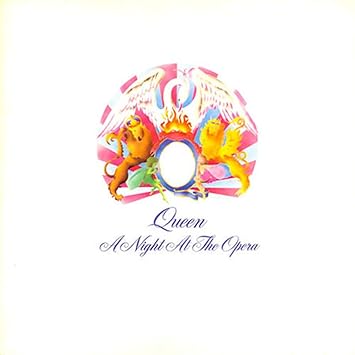
A Night at the Opera
The masterpiece that started it all.
Features the legendary Bohemian Rhapsody and showcases Queen at their creative peak.
This 1975 album changed rock music forever with its operatic ambition and technical brilliance.
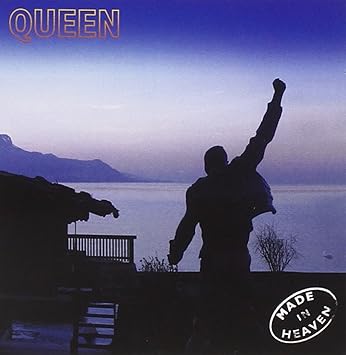
Made in Heaven
Freddie Mercury’s final gift to fans.
Released posthumously in 1995, this emotional album contains Mercury’s last recorded vocals.
A powerful and moving tribute to the legendary frontman’s enduring legacy.
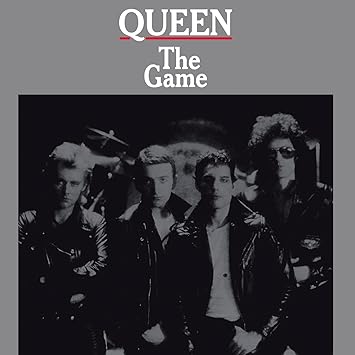
The Game
Queen conquers the 80s sound.
Features massive hits “Another One Bites the Dust” and “Crazy Little Thing Called Love.”
This 1980 album showcased Queen’s versatility and became their best-selling US release.
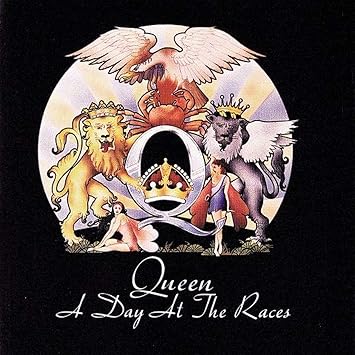
A Day at the Races
The brilliant follow-up to Opera.
Released in 1976, this album continues Queen’s ambitious artistic vision with tracks like “Somebody to Love.”
Matched the predecessor’s commercial success and critical acclaim.
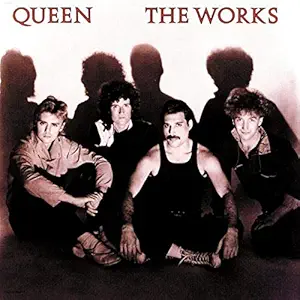
The Works
Synth-rock perfection from 1984.
Contains anthems “Radio Ga Ga,” “I Want to Break Free,” and “Hammer to Fall.”
Demonstrates Queen’s ability to evolve with the times while maintaining their signature sound.

Platinum Collection
The ultimate Queen compilation.
Features all the greatest hits spanning their entire career from the 70s through the 90s.
Perfect introduction for new fans and essential for completists.
🎵 SUPPORT CLASSIC ROCK JOURNALISM 🎵
When you purchase through the links above, you help support independent music journalism. I earn a small commission at no extra cost to you, allowing me to continue bringing you in-depth coverage of classic rock legends.
Affiliate Disclosure: This post contains Amazon affiliate links. I may earn a commission from qualifying purchases made through these links at no additional cost to you.
🌟 Cultural Impact and Recognition
The US Library of Congress added Bohemian Rhapsody to the National Recording Registry in 2022. This honor recognized its cultural, historical, and aesthetic significance. The Grammy Hall of Fame inducted it in 2004. These accolades cemented its status among music’s most important recordings.
Rolling Stone magazine ranked it number 17 on their 2021 “500 Greatest Songs” list. This placement made it the fourth-highest song from the entire 1970s decade. The publication praised how it embodied “absurd tragedy and humor of human existence.” Critics now celebrate aspects they initially questioned.
The 2018 biographical film “Bohemian Rhapsody” introduced the band to millions of new fans. It became the highest-grossing music biopic in history with over $900 million worldwide. Rami Malek won an Oscar for his portrayal of Mercury. The movie sparked renewed interest in Queen’s entire catalog.
December 2018 saw it become the most-streamed song from the 20th century. It surpassed Nirvana’s “Smells Like Teen Spirit” and Guns N’ Roses’ “Sweet Child o’ Mine.” This streaming dominance continues growing as Bohemian Rhapsody hits 2 billion views and counting. The digital age amplified its reach exponentially.
📹 Revolutionary Music Video
Director Bruce Gowers filmed the promotional video in November 1975. The entire production took just three hours at the band’s rehearsal space. The budget totaled approximately $5,600, remarkably modest by today’s standards. This clip pioneered the music video format.
The opening shot became instantly iconic across pop culture. Four band members’ heads appeared in silhouette against a black background. Mercury sat at a grand piano wearing a frilly white satin outfit. Brian May’s guitar solo section showcased his distinctive playing style.
The video premiered on BBC’s “Top of the Pops” on November 20, 1975. Queen watched from their Taunton hotel room during a UK tour. This broadcast generated massive public and media interest. The promotional strategy revolutionized how artists marketed their music.
YouTube remastered the video in HD when it reached one billion views in 2019. They added lyric translations in multiple languages including Spanish, Italian, and Japanese. These enhancements made the classic more accessible to international audiences. The platform continues supporting the song’s global reach.
🎧 Streaming Era Success
Spotify streams exceed 2.8 billion plays as of September 2024. This makes it the most-streamed 20th-century song on the platform. Combined with YouTube views, total digital engagement surpasses four billion interactions. The streaming revolution introduced Bohemian Rhapsody to Gen Z listeners.
The song achieved Diamond certification in the United States in March 2021. This represents 10 million equivalent units from combined sales and streams. Only one other 1970s song has reached this milestone. The certification demonstrates its cross-generational appeal.
Digital downloads exceeded 4.4 million in the US alone by September 2017. Add streaming equivalents and the numbers skyrocket into unprecedented territory. The song performs equally well on classic rock and modern streaming playlists. Algorithm recommendations continuously expose new listeners to the track.
Queen’s official YouTube channel boasts over 10 million subscribers. The band accumulated 3.5 billion cumulative views in 2019 alone. Monthly Spotify listeners exceed 33 million across all demographics. These metrics prove classic rock remains commercially viable in the digital marketplace.
▶️ Watch the Legendary Video
Experience the groundbreaking music video that changed the industry forever. Watch as Freddie Mercury, Brian May, Roger Taylor, and John Deacon deliver their iconic performance. The six-minute epic continues mesmerizing viewers five decades later.
The video showcases Queen’s theatrical brilliance and technical innovation. From the haunting opening harmonies to the explosive rock climax, every moment captivates. Mercury’s charismatic presence dominates the screen throughout the performance. May’s guitar work provides the perfect counterbalance to the operatic vocals.
Notice how the video mirrors the song’s dramatic structure and emotional shifts. The lighting and camera angles enhance the mood transitions. This pioneering approach influenced countless music videos that followed. Modern artists still reference its visual techniques and presentation style.
Queen’s masterpiece demonstrates why Bohemian Rhapsody hits 2 billion views with continued momentum. The combination of musical genius and visual innovation created something truly timeless. Each viewing reveals new details and layers of complexity. This explains why fans return repeatedly across decades.
The achievement transcends mere numbers and statistics. It represents genuine cultural impact that spans multiple generations. Young listeners discover it through streaming playlists while older fans revisit a beloved classic. This unique cross-generational appeal ensures its legacy continues growing.
From its unprecedented recording process to its record-breaking digital success, the song defies conventional music industry wisdom. It proved that artistic ambition and commercial success can coexist. The six-minute runtime never hindered its popularity. Complex arrangements attracted rather than repelled mainstream audiences.
The 50th anniversary celebrations throughout 2024 honored this extraordinary achievement appropriately. Special vinyl releases and immersive video experiences connected fans worldwide. Brian May and Roger Taylor’s reflections provided intimate glimpses into the creative process. Their gratitude to fans reflected the mutual respect between artist and audience.
Looking forward, Bohemian Rhapsody’s influence on music seems limitless. Contemporary artists cite it as inspiration for pushing creative boundaries. The song proved that audiences appreciate ambition and complexity. Its success encourages experimentation over formulaic approaches.
Queen’s legacy extends far beyond this single masterpiece. However, Bohemian Rhapsody remains their calling card and greatest triumph. It encapsulates everything that made them special: technical skill, theatrical flair, and emotional depth. Mercury’s vision combined with his bandmates’ execution created magic.
The journey from Ridge Farm Studio rehearsals to 2 billion YouTube views showcases music’s evolving landscape. Technology changed how people discover and consume classic tracks. Yet the core appeal remains unchanged: brilliant songwriting, masterful performance, and genuine emotion. These elements transcend technological platforms and generational divides.
As streaming continues dominating music consumption, expect more viewing milestones ahead. Three billion views seems inevitable given current growth rates. Each new generation embraces the song as their own. This perpetual rediscovery ensures its immortality in popular culture.
Affiliate Disclosure: This article contains Amazon affiliate links. I may earn a commission from qualifying purchases made through these links at no additional cost to you. Your support helps me continue covering classic rock music and artists.
📚 Sources
- KSLX – Queen’s Bohemian Rhapsody Hits 2 Billion Views on YouTube
- KSHE 95 – Queen’s Bohemian Rhapsody Reaches 2 Billion YouTube Views
- KTLO – Queen’s 2 Billion YouTube Milestone
- BrianMay.com – Bohemian Rhapsody 50th Anniversary Vinyl Reissues
- KTLO – Queen Celebrates 50 Years with Immersive Video
- uDiscover Music – Queen Celebrates Bohemian Rhapsody 50th Anniversary
- Wikipedia – Bohemian Rhapsody
- Billboard – Queen’s Bohemian Rhapsody: 14 Things About the Song