
King Crimson

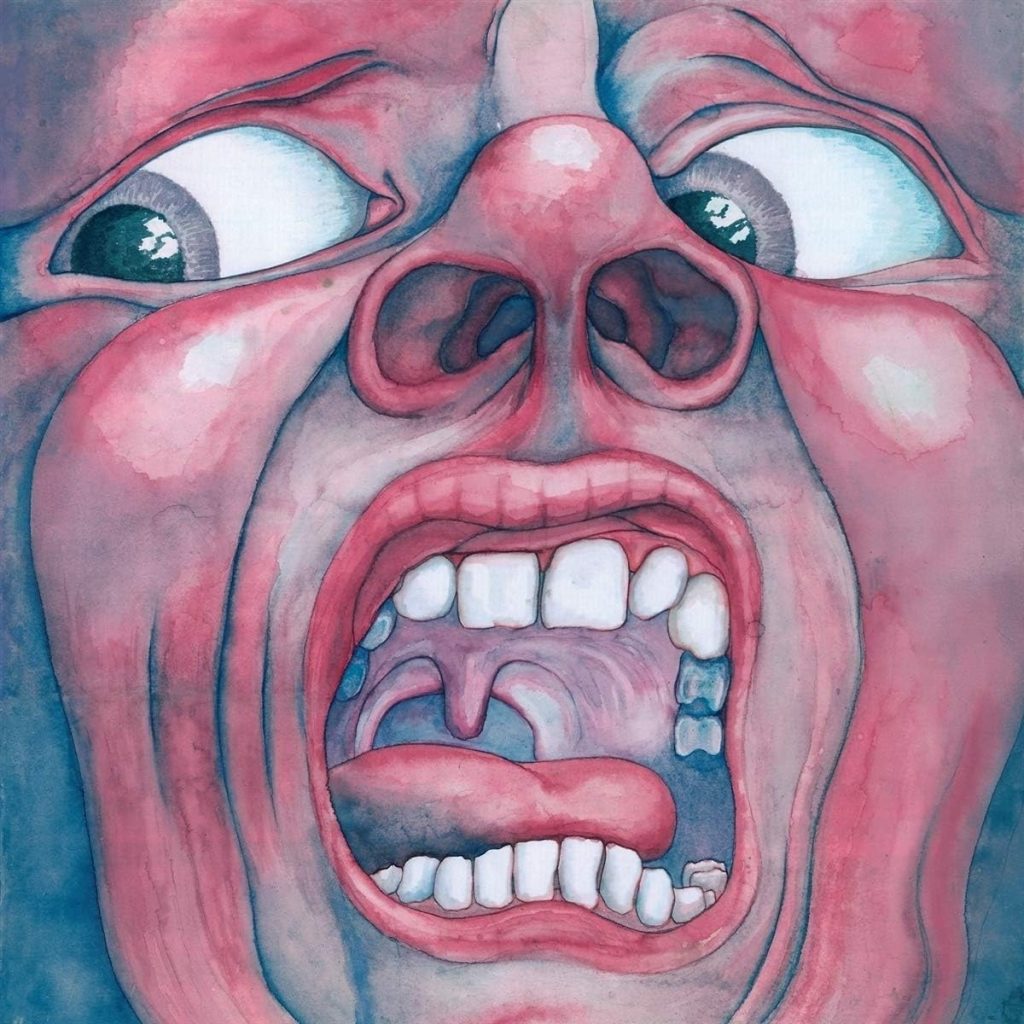
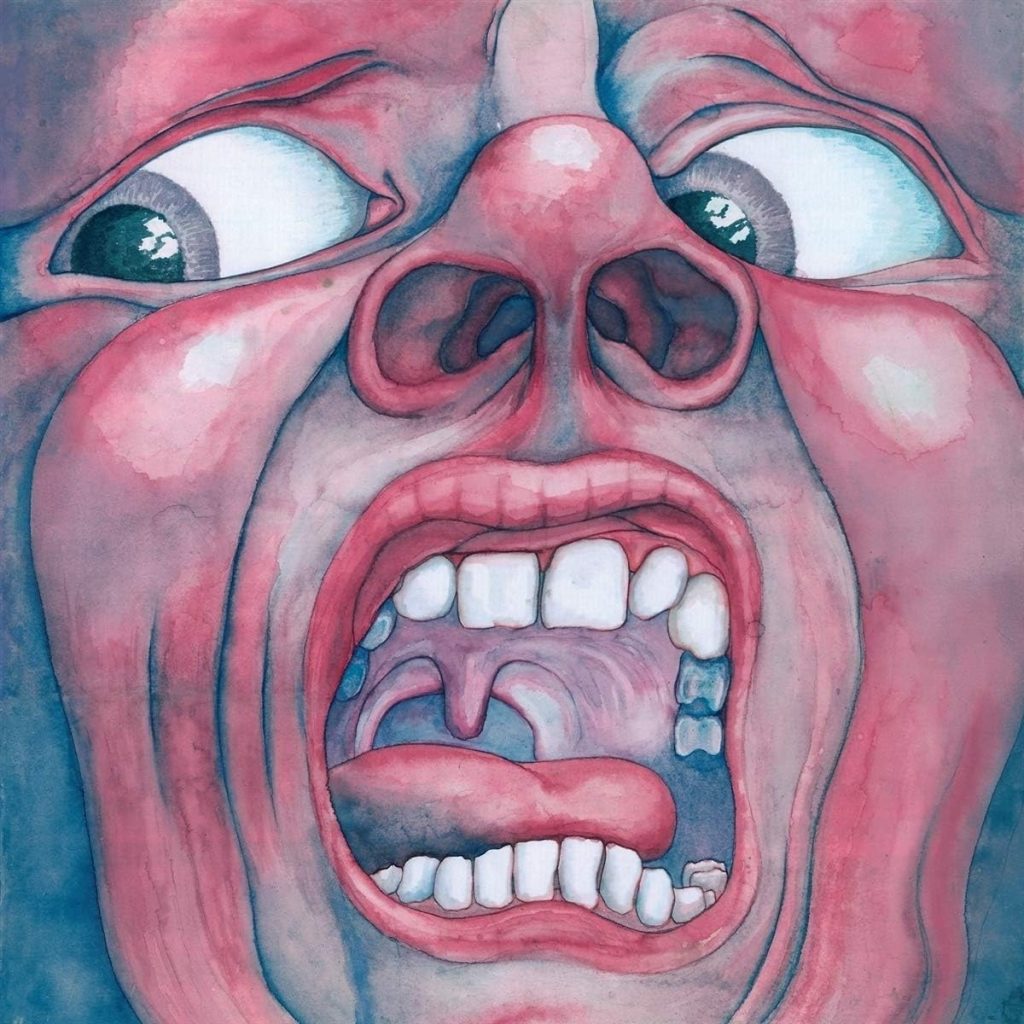
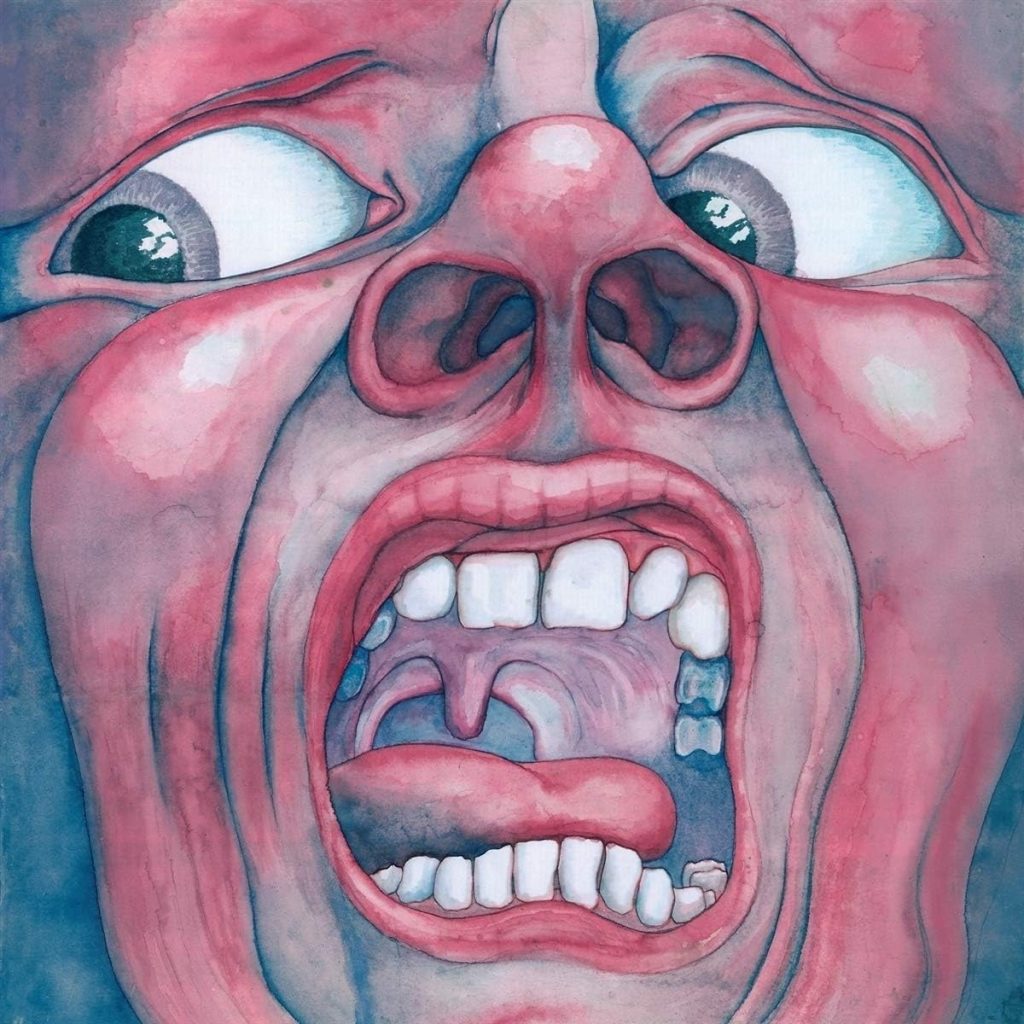
In the Court of the Crimson King album cover featuring I Talk to the Wind by King Crimson 1969.
King Crimson

I Talk to the Wind: 7 Hidden Secrets Behind King Crimson’s Most Ethereal Masterpiece

I Talk to the Wind stands as King Crimson’s most hauntingly beautiful meditation on isolation. Discover the untold story behind Ian McDonald’s flute-driven masterpiece, Peter Sinfield’s cryptic lyrics, and why this 1969 prog rock gem from In the Court of the Crimson King continues to captivate listeners over five decades later.

I Talk to the Wind: 7 Hidden Secrets Behind King Crimson’s Most Ethereal Masterpiece Read Post »

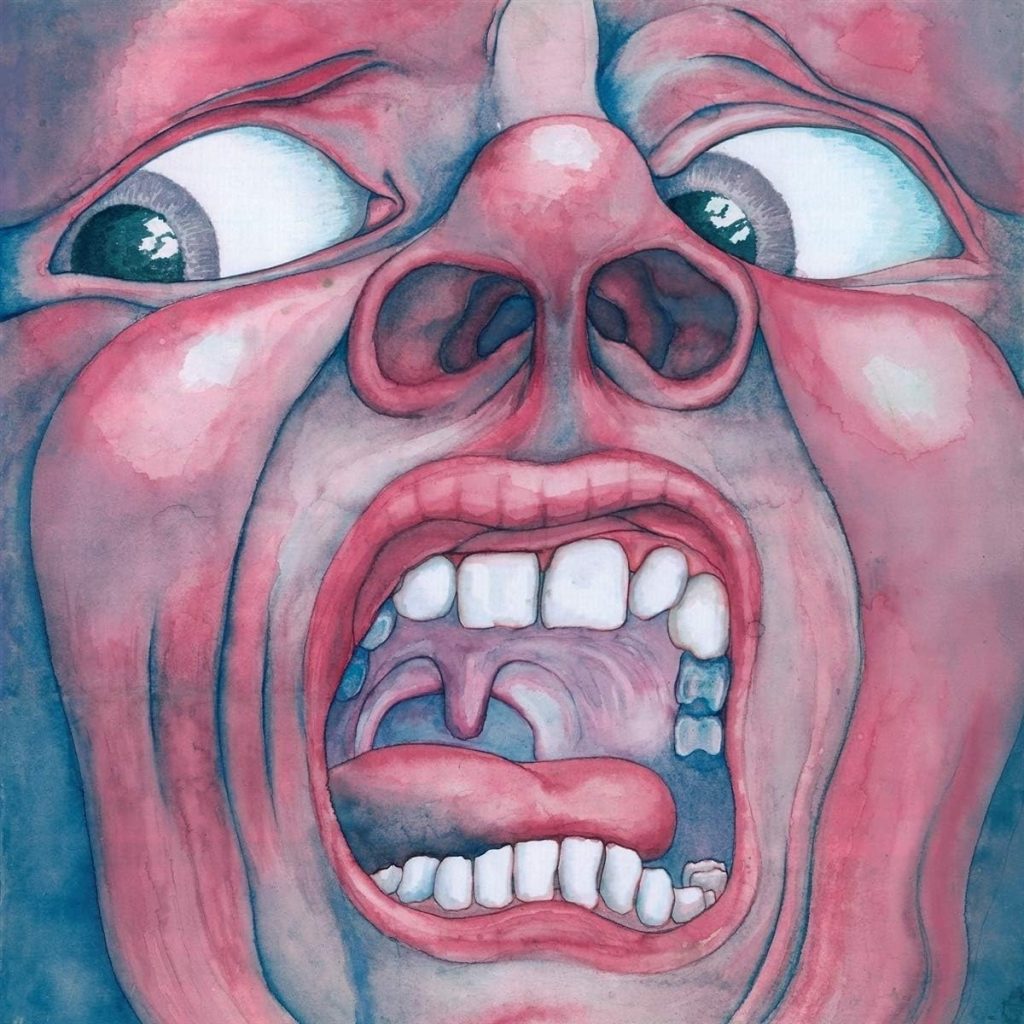
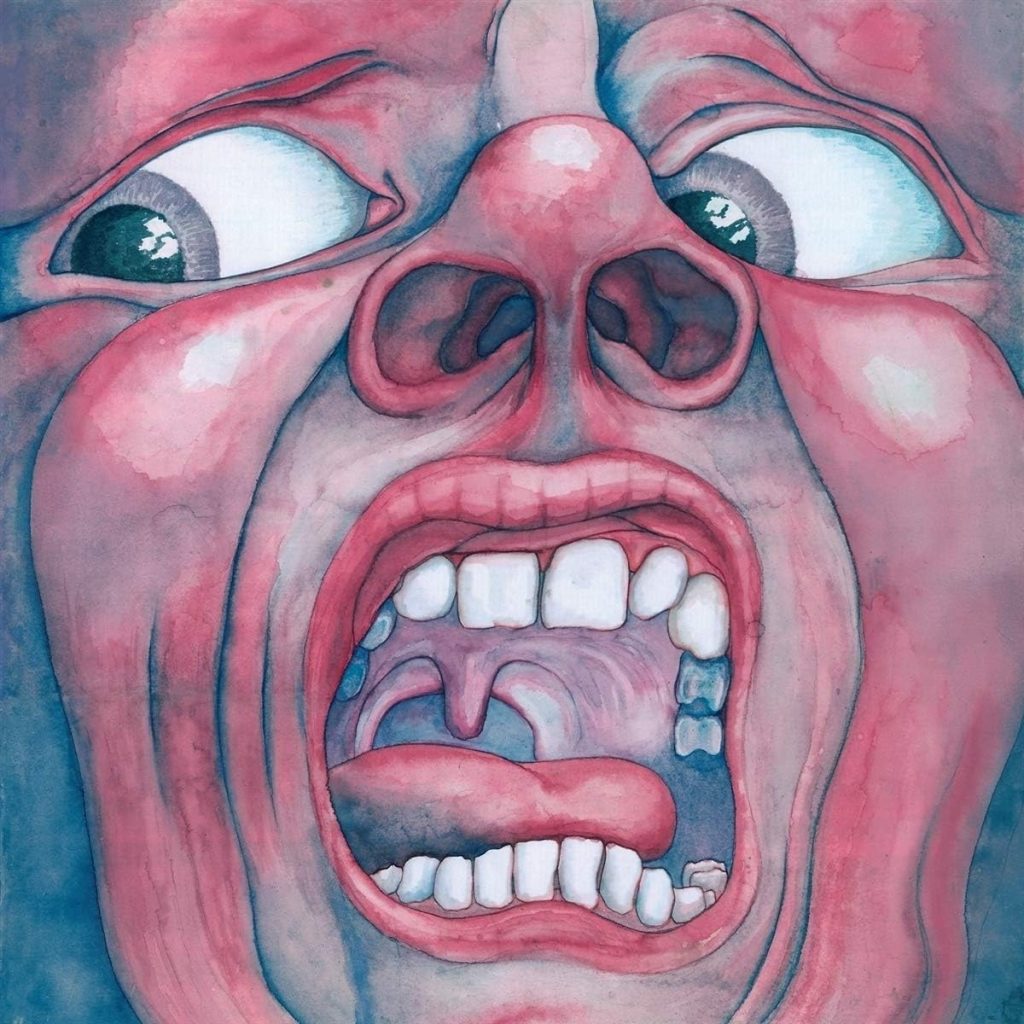
King Crimson Epitaph featured on In The Court Of The Crimson King album cover with iconic Schizoid Man face painting by Barry Godber 1969.
King Crimson

King Crimson Epitaph: The 7 Prophetic Secrets Behind This Haunting!

Excerpt:
King Crimson Epitaph stands as prog rock’s most haunting prophecy – a Cold War warning that remains chillingly relevant today. Discover the 7 secrets behind Peter Sinfield’s apocalyptic lyrics, Greg Lake’s devastating vocal performance, and the revolutionary Mellotron sounds that defined a genre. This deep dive reveals why “Confusion will be my epitaph” became one of rock’s most quoted lines.

King Crimson Epitaph: The 7 Prophetic Secrets Behind This Haunting! Read Post »

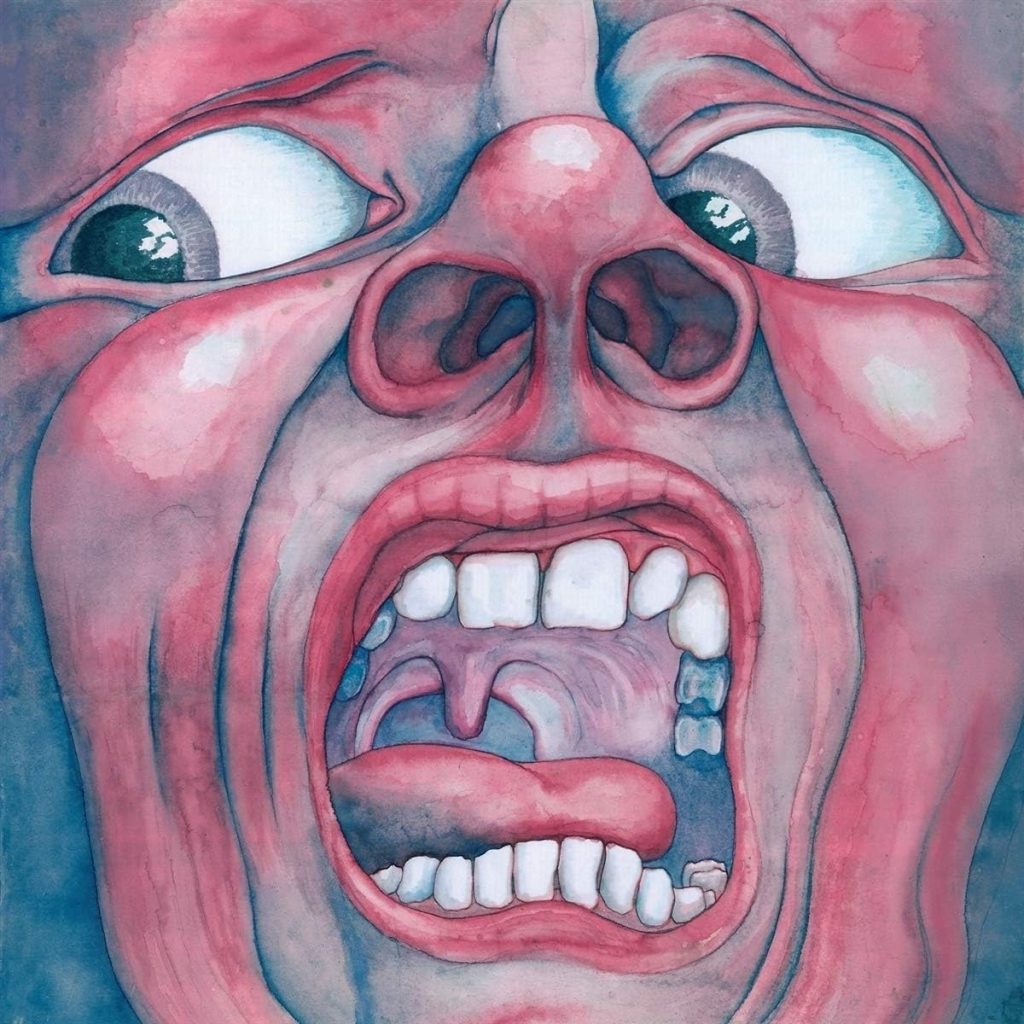
In The Court Of The Crimson King album cover featuring The Court of the Crimson King song - iconic screaming face painting by Barry Godber 1969.
King Crimson

The Court of the Crimson King (Song): 7 Hidden Secrets Behind Prog Rock’s Most Epic Masterpiece

The Court of the Crimson King (song) stands as prog rock’s defining masterpiece – a nine-minute journey through haunting Mellotron passages, medieval imagery, and Peter Sinfield’s poetic brilliance. Discover the surprising country-western origins, the Samuel Barber classical influence hidden in its iconic riff, and why this 1969 epic remains the only King Crimson single to ever chart on the Billboard Hot 100.

The Court of the Crimson King (Song): 7 Hidden Secrets Behind Prog Rock’s Most Epic Masterpiece Read Post »

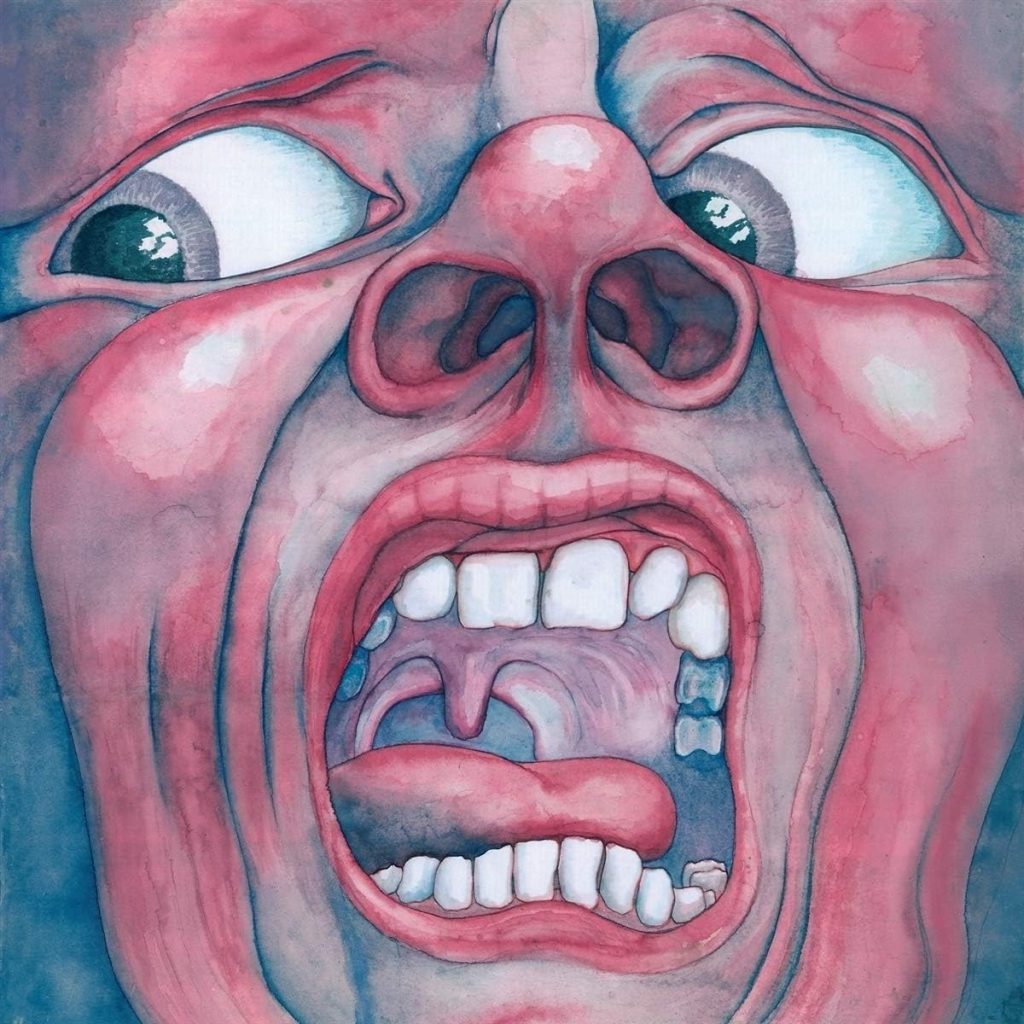
King Crimson 21st Century Schizoid Man album cover In the Court of the Crimson King 1969 featuring iconic screaming face artwork by Barry Godber
King Crimson

King Crimson 21st Century Schizoid Man: 7 Shocking Explosive Secrets

SEO Excerpt:
King Crimson 21st Century Schizoid Man exploded onto the rock scene in 1969, inventing progressive metal decades before the genre existed. Discover 7 shocking secrets behind the revolutionary recording techniques, prophetic lyrics, and hidden musical innovations that made this track the foundation for Tool, Dream Theater, and countless others.

King Crimson 21st Century Schizoid Man: 7 Shocking Explosive Secrets Read Post »

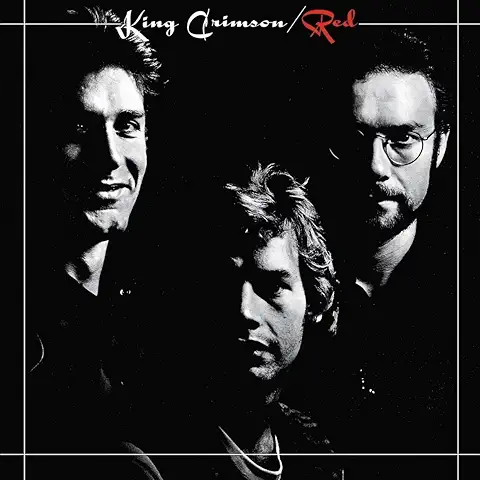
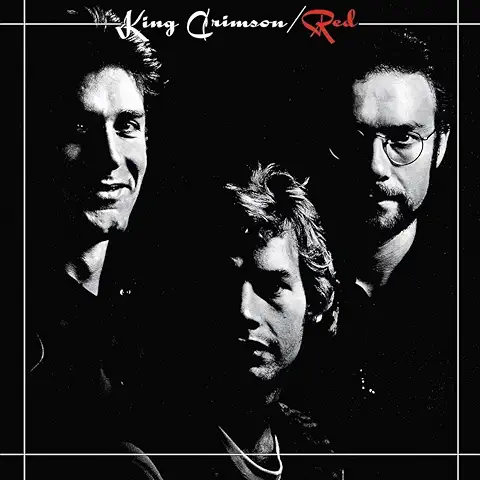
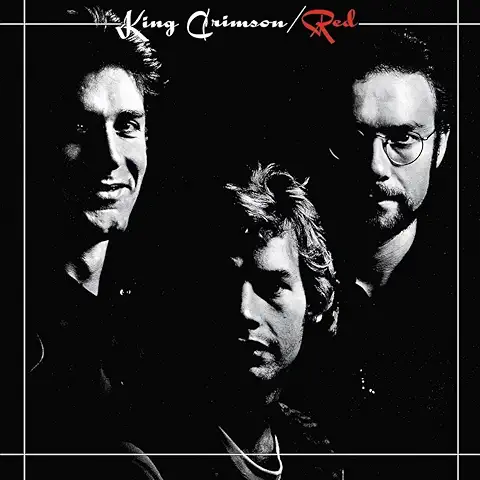
King Crimson Red album cover featuring Robert Fripp John Wetton Bill Bruford black and white portrait 1974.
King Crimson

King Crimson Red Album: 50th Anniversary Edition – A Progressive Rock Masterpiece Reborn

Discover why the King Crimson Red album remains progressive rock’s darkest masterpiece 50 years later. This comprehensive review explores the 50th Anniversary Edition featuring Steven Wilson’s groundbreaking 2024 remixes, the legendary “Starless,” and how this 1974 power trio recording influenced progressive metal for generations. From the crushing title track to the epic finale, Red stands as an uncompromising artistic statement that sounds more relevant today than ever.

King Crimson Red Album: 50th Anniversary Edition – A Progressive Rock Masterpiece Reborn Read Post »

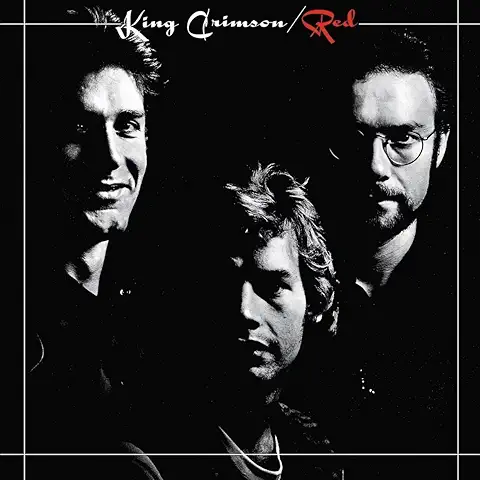
King Crimson Providence Red album cover 1974 featuring Robert Fripp John Wetton Bill Bruford dramatic black and white chiaroscuro portrait.
King Crimson

King Crimson Providence: The Haunting Live Improvisation That Captured a Band’s Final Moment

King Crimson Providence is an eight-minute live improvisation recorded at the Palace Theatre in Providence, Rhode Island on June 30, 1974. This haunting experimental piece features violinist David Cross in his final contribution to the band, captured just one week before his firing. Discover the story behind this divisive track from the legendary Red album, the collective improvisation technique that created it, and why it remains one of progressive rock’s most unsettling and controversial recordings.

King Crimson Providence: The Haunting Live Improvisation That Captured a Band’s Final Moment Read Post »

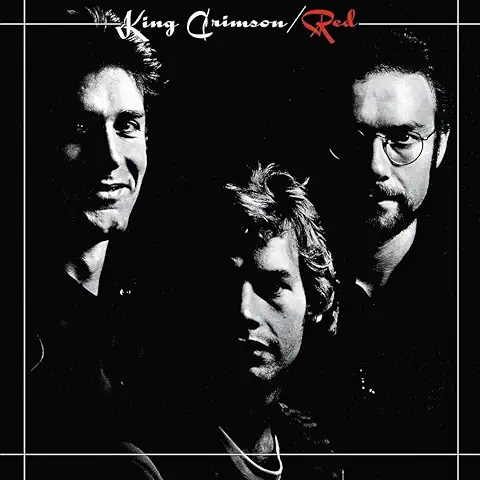
King Crimson One More Red Nightmare Red album cover 1974 featuring Robert Fripp John Wetton Bill Bruford dramatic black and white portrait.
King Crimson

King Crimson One More Red Nightmare: The Aviation Terror That Became Progressive Rock’s Most Complex Nightmare

King Crimson One More Red Nightmare is a seven-minute progressive rock masterpiece born from genuine aviation terror. Bassist John Wetton’s first lyrics for the band capture the anxiety of taking three flights daily during their grueling 1974 tour, wrapped in complex 15/8 time signatures and proto-metal aggression. Discover the story behind this track from the legendary Red album and why it still influences progressive and metal bands today.

King Crimson One More Red Nightmare: The Aviation Terror That Became Progressive Rock’s Most Complex Nightmare Read Post »

King Crimson Fallen Angel Red album cover 1974 featuring John Wetton vocals Robert Fripp Bill Bruford power trio
King Crimson

King Crimson Fallen Angel: The Tragic Ballad That Showcases Wetton’s Emotional Depth

Discover the complete story behind King Crimson Fallen Angel, the heart-wrenching ballad from Red (1974) that tells the tragic tale of gang violence in New York City. This comprehensive analysis explores John Wetton’s emotionally devastating vocal performance, Robert Fripp’s final acoustic guitar appearance on a King Crimson studio recording, and the baroque orchestration featuring Robin Miller’s oboe and Mark Charig’s cornet. Learn why this 6-minute masterpiece ranks #268 all-time on Rate Your Music, how the song originated from 1972 Larks’ Tongues in Aspic improvisations, and why the lyrics about “snow white side streets of cold New York City” create one of progressive rock’s most powerful emotional statements.

King Crimson Fallen Angel: The Tragic Ballad That Showcases Wetton’s Emotional Depth Read Post »

King Crimson Red album cover 1974 featuring Robert Fripp John Wetton Bill Bruford power trio black and white photography
King Crimson

King Crimson Red: The Proto-Metal Instrumental That Changed Progressive Rock

Discover the complete story behind King Crimson Red, the menacing instrumental title track that opens the band’s legendary 1974 album. This comprehensive analysis explores Robert Fripp’s solo composition featuring triple-tracked guitars, the “flying brick wall” rhythm section of John Wetton and Bill Bruford, and why Rolling Stone ranked it #87 on the 100 Greatest Guitar Songs. Learn how this proto-grunge masterpiece influenced Nirvana’s In Utero, pioneered avant-garde metal, and became one of progressive rock’s most powerful statements through its complex time signatures, grinding distortion, and uncompromising heaviness.

King Crimson Red: The Proto-Metal Instrumental That Changed Progressive Rock Read Post »

King Crimson Red album cover featuring Starless 1974 with band members Robert Fripp John Wetton Bill Bruford
King Crimson

King Crimson Starless: The 12-Minute Epic That Redefined Progressive Rock Forever

Discover the complete story behind King Crimson Starless, the 12-minute progressive rock masterpiece from the Red album (1974). This comprehensive analysis explores how a rejected ballad transformed into one of the greatest epic compositions in rock history, featuring detailed breakdowns of its three-part structure, the meaning behind “starless and bible black,” recording sessions at Olympic Studios, and why this apocalyptic finale continues to influence musicians across genres 50 years later.

King Crimson Starless: The 12-Minute Epic That Redefined Progressive Rock Forever Read Post »
Scroll to Top