
Album Reviews

In-depth reviews of classic rock’s greatest albums. Discover track analyses, production stories, and cultural impact from iconic bands like Black Sabbath, Led Zeppelin, Pink Floyd, and more. Explore the albums that shaped rock history with expert commentary and historical context.

Seventh Star by Black Sabbath featuring Tony Iommi album cover showing guitarist in desert landscape 1986
Black Sabbath

Seventh Star by Black Sabbath: The Controversial Album That Almost Wasn’t

Seventh Star by Black Sabbath stands as one of rock’s most controversial albums—a record that was never meant to bear the Sabbath name at all. Originally conceived as Tony Iommi’s first solo project, Seventh Star was forcibly rebranded by Warner Bros. Records, creating an identity crisis that would define its legacy. Featuring ex-Deep Purple vocalist Glenn Hughes and marking the first album without Geezer Butler, Seventh Star divided fans and critics with its bluesy hard rock departure from traditional doom metal. Despite peaking at #78 on the Billboard 200, the album received a perfect 5/5 from Kerrang! and has earned cult appreciation for tracks like “Turn to Stone” and the mystical title track. Discover why Seventh Star deserves reconsideration nearly four decades later.

Seventh Star by Black Sabbath: The Controversial Album That Almost Wasn’t Read Post »
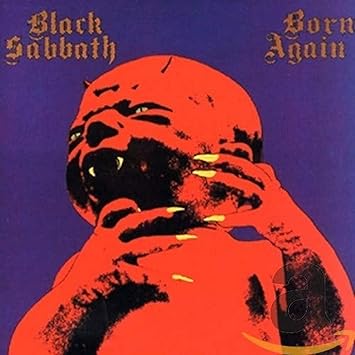
Born Again Black Sabbath album cover 1983 featuring controversial red demon baby artwork
Black Sabbath

Seventh Star: Black Sabbath’s Controversial Solo Album

Born Again by Black Sabbath (1983) marks Ian Gillan’s only collaboration with the heavy metal legends. Discover the controversial album that pushed Sabbath’s sound to its heaviest extremes, featuring crushing riffs, apocalyptic lyrics, and one of metal’s most infamous album covers. Despite mixed reviews, Born Again influenced doom metal for decades and sold over a million copies worldwide.

Seventh Star: Black Sabbath’s Controversial Solo Album Read Post »

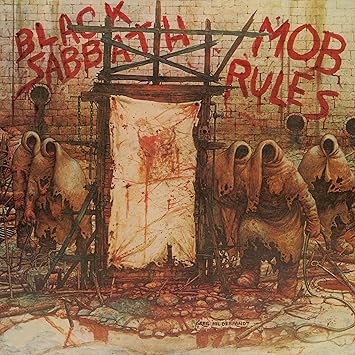
Mob Rules by Black Sabbath album cover 1981 featuring hooded figures and torture device artwork by Greg Hildebrandt
Black Sabbath

Mob Rules: Black Sabbath’s Explosive Lightning Strikes Twice

Mob Rules by Black Sabbath arrived in 1981 as the explosive follow-up to Heaven and Hell, proving the band’s resurrection with Ronnie James Dio wasn’t a fluke. This gold-certified masterpiece features Vinny Appice’s drumming debut and contains some of Sabbath’s most ambitious work, including “The Sign of the Southern Cross” and the ferocious title track from the Heavy Metal film. Discover why Mob Rules deserves far more recognition as one of heavy metal’s essential albums.

Mob Rules: Black Sabbath’s Explosive Lightning Strikes Twice Read Post »

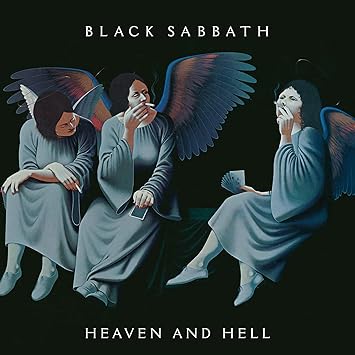
Heaven and Hell by Black Sabbath album cover 1980 featuring three angelic figures in robes
Black Sabbath

Heaven and Hell: How Ronnie James Dio Saved Black Sabbath

Heaven and Hell by Black Sabbath marked a revolutionary moment in heavy metal history when Ronnie James Dio joined the band in 1980. This landmark album proved Black Sabbath could not only survive without Ozzy Osbourne but create one of their finest works. Featuring the epic title track “Heaven and Hell,” along with classics like “Neon Knights” and “Children of the Sea,” this platinum-certified masterpiece redefined what heavy metal could achieve. Discover why Heaven and Hell remains essential listening for rock fans four decades later.

Heaven and Hell: How Ronnie James Dio Saved Black Sabbath Read Post »

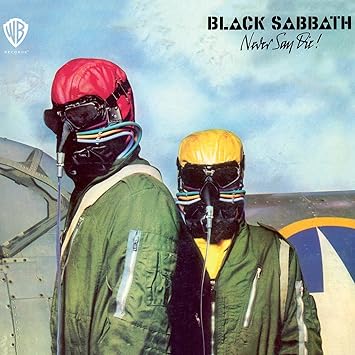
Black Sabbath Never Say Die album cover featuring two figures in flight suits and colorful helmets
Black Sabbath

Black Sabbath Never Say Die: Underrated Final Chapter Review

Never Say Die! stands as one of the most controversial yet fascinating albums in Black Sabbath’s legendary catalog, marking the explosive end of the original Ozzy Osbourne era in 1978. Despite reaching number 12 on the Billboard 200 and earning gold certification, this ninth studio album has been largely overlooked in discussions of the band’s essential works. Discover why Never Say Die! deserves a complete reassessment, from its surprising jazz-fusion experiments to the internal chaos that nearly destroyed the band. This album captured Black Sabbath at their most unpredictable moment, with Ozzy temporarily quitting mid-production, Tony Iommi exploring new musical territories, and the band attempting to prove they could still innovate after nearly a decade of defining heavy metal.

Black Sabbath Never Say Die: Underrated Final Chapter Review Read Post »

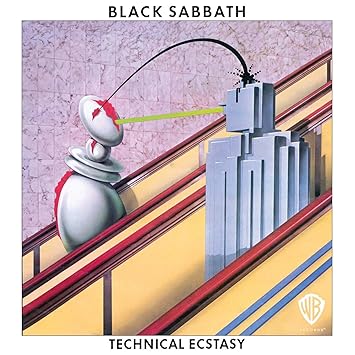
Technical Ecstasy by Black Sabbath album cover 1976 featuring two robots on striped geometric background.
Black Sabbath

Technical Ecstasy by Black Sabbath

Discover Black Sabbath’s most controversial album – Technical Ecstasy (1976). This experimental seventh studio record divided fans with its keyboard-heavy sound, Bill Ward’s vocal debut, and departure from doom metal. Featuring standout tracks “Dirty Women” and “You Won’t Change Me,” explore why this polarizing album deserves reconsideration nearly five decades later.

Technical Ecstasy by Black Sabbath Read Post »

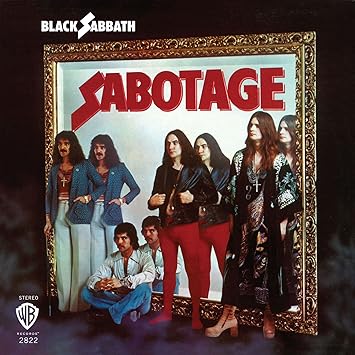
Sabotage by Black Sabbath album cover 1975 featuring band members in mirror frame with Warner Bros label
Black Sabbath

Sabotage by Black Sabbath: Defiant Masterpiece From Legal War

Sabotage by Black Sabbath (1975) stands as one of heavy metal’s most defiant masterpieces. Born from legal warfare and management betrayal, this sixth studio album channels raw anger into crushing riffs and progressive experimentation. Discover how Sabotage transformed adversity into art, featuring the proto-thrash anthem “Symptom of the Universe” and the emotionally charged epic “The Writ.” Explore the complete track-by-track analysis, cultural impact, and why this platinum-certified album remains essential listening for metal fans today.

Sabotage by Black Sabbath: Defiant Masterpiece From Legal War Read Post »

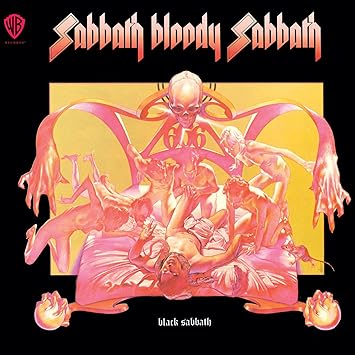
Sabbath Bloody Sabbath by Black Sabbath album cover 1973.
Black Sabbath

Sabbath Bloody Sabbath: The Riff That Saved Heavy Metal

Discover how Black Sabbath’s Sabbath Bloody Sabbath (1973) was born from creative crisis in a haunted castle and became their most critically acclaimed masterpiece. Featuring “the riff that saved Black Sabbath,” Rick Wakeman on keyboards, and the perfect balance between crushing heaviness and progressive sophistication, this fifth studio album proved heavy metal could be both devastating and musically ambitious.

Sabbath Bloody Sabbath: The Riff That Saved Heavy Metal Read Post »

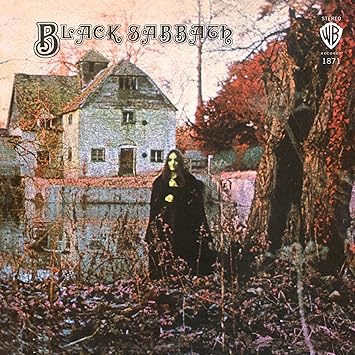
Black Sabbath Black Sabbath 1970 debut album cover featuring mysterious woman in front of Mapledurham Watermill.
Black Sabbath

Black Sabbath Black Sabbath: How One Album Invented Heavy Metal

Black Sabbath’s self-titled debut album invented heavy metal on Friday the 13th, February 1970. Recorded in just 12 hours, Black Sabbath introduced Tony Iommi’s doom-laden riffs and a sound darker than anything rock had heard. Discover how this groundbreaking Black Sabbath album reached #8 in the UK and created the blueprint every metal band follows today.

Black Sabbath Black Sabbath: How One Album Invented Heavy Metal Read Post »

Scroll to Top