

Dean DeLeo stands as one of the most influential guitarists in rock music history, shaping the sound of Stone Temple Pilots since the band’s formation in 1989. His innovative playing style and songwriting contributions transformed the Seattle grunge era and created a lasting impact on alternative rock that continues to resonate with musicians and fans today.
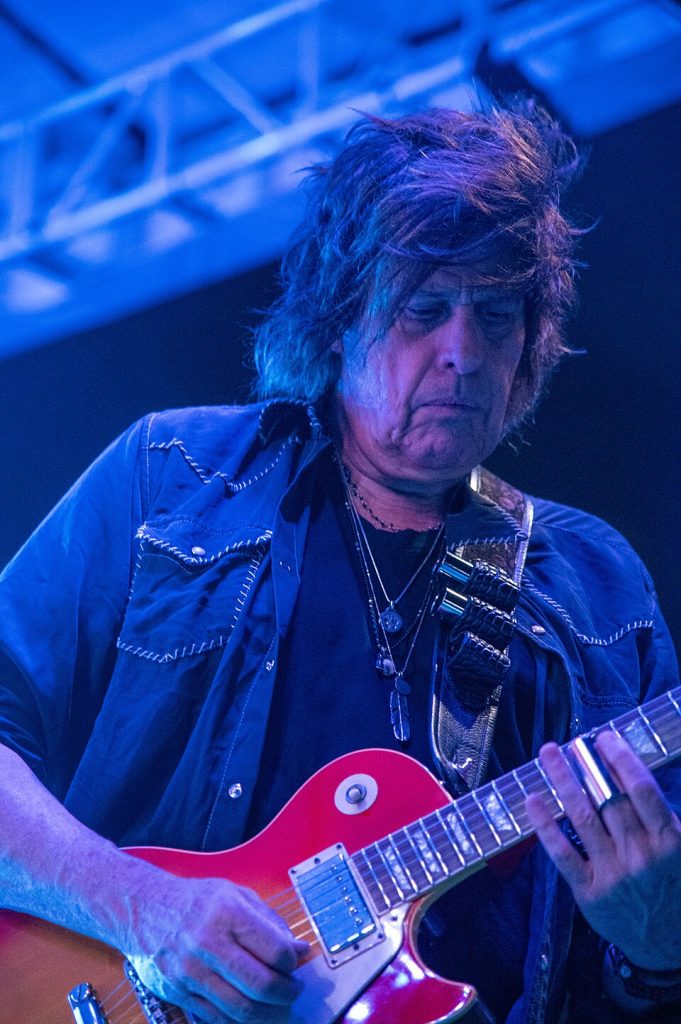
The guitarist’s journey with Stone Temple Pilots began during a pivotal moment in rock music. The early 1990s saw an explosion of grunge bands emerging from the Pacific Northwest, and Dean DeLeo’s technical prowess and creative approach to guitar work helped STP carve out a unique identity within this crowded landscape. While many bands relied solely on heavy distortion and angst-ridden lyrics, Stone Temple Pilots combined STP’s distinctive sound with melodic sensibilities that appealed to a broader audience.
The Early Years and Band Formation
Dean DeLeo’s collaboration with vocalist Scott Weiland, bassist Robert DeLeo (his brother), and drummer Eric Kretz created chemistry that would define a generation of rock fans. The guitarist’s background in music gave him the foundation needed to contribute meaningfully to the band’s creative process from day one. His ability to craft intricate riffs while maintaining accessibility made Stone Temple Pilots’ music memorable and radio-friendly without sacrificing artistic integrity.
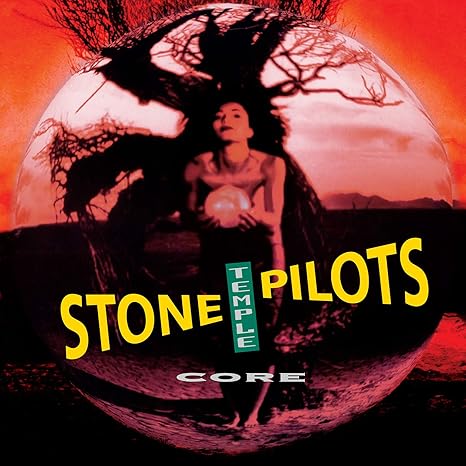
The 1992 debut album “Core“ showcased Dean DeLeo’s talents brilliantly. Songs like “Plush” and “Sex Type Thing” featured his signature guitar work, which blended heavy rock elements with groove-oriented rhythms. These tracks demonstrated that the guitarist could write hooks just as catchy as the band’s vocal melodies, proving he was much more than just a rhythm player supporting the frontman.
Breakthrough Success and Musical Evolution
When Stone Temple Pilots released “Purple” in 1994, Dean DeLeo’s contributions reached new heights. This album cemented the band’s status as major players in rock music, and the guitarist’s work on tracks like “Vasoline,” “Interstate Love Song,” and “Plush“ showcased his growing sophistication as a composer and performer. His guitar tones ranged from crystalline and clean to heavily distorted, demonstrating remarkable versatility and understanding of tone that extended far beyond typical grunge aesthetics.

Dean DeLeo’s approach to rhythm guitar playing deserves particular attention. Rather than simply strumming power chords, he crafted complex rhythmic patterns that drove songs forward with purpose. His lead work complemented these rhythmic foundations perfectly, creating a complete musical picture that made each STP song instantly recognizable.
Technical Skills and Musical Innovations
The guitarist’s technical abilities include his mastery of various playing techniques. He demonstrates proficiency with finger picking, sweeping, and traditional pick-based approaches depending on what each song required. This technical foundation allowed Dean DeLeo to remain relevant as musical trends shifted throughout the 1990s and beyond.
His use of effects and amplifiers shows careful attention to tone shaping. Rather than relying on heavy distortion to mask imprecision, his approach demanded accuracy and intentionality with every note played. This commitment to quality distinguishes his work from many contemporaries who adopted a more “throw spaghetti at the wall” philosophy regarding guitar tone.
Legacy and Lasting Influence
Dean DeLeo’s impact extends beyond Stone Temple Pilots’ commercial success. Young guitarists studying rock music inevitably encounter his work and analyze his approaches to composition and performance. His influence appears in countless bands that emerged after STP’s initial breakthrough, as musicians recognized what made their guitar work so effective.
The guitarist has remained committed to Stone Temple Pilots through various lineup changes and industry shifts. His dedication to the band’s music demonstrates that his connection to the material runs deeper than simply chasing commercial trends. This authenticity resonates with longtime fans who appreciate that Dean DeLeo continues performing these songs with passion and energy decades after their creation.
Stone Temple Pilots’ continued touring and occasional new releases keep Dean DeLeo’s work in the public consciousness. When you listen to classic rock radio or explore alternative rock playlists, his contributions appear frequently, introducing new generations to his distinctive style and musical approach.
The Evolution of Stone Temple Pilots’ Sound and Dean DeLeo’s Creative Contributions to the Band’s Legacy
Stone Temple Pilots emerged in the early 1990s as one of the most distinctive voices in rock music, and much of that unique sound came from the creative genius of Dean DeLeo. As the band’s lead guitarist, DeLeo crafted a musical identity that blended grunge, hard rock, and alternative influences into something entirely their own. His contributions shaped not just the band’s commercial success but also influenced countless musicians who came after them.
When you listen to Stone Temple Pilots, you’re hearing the result of careful musical composition and innovative guitar work that set them apart from their Seattle grunge contemporaries. Dean DeLeo Stone Temple Pilots fans often recognize his fingerprints all over the band’s most iconic songs. His ability to layer different guitar textures and create memorable hooks became a trademark of the band’s sound.
The Early Days and Musical Direction
In the late 1980s, as the grunge movement was beginning to build momentum, Dean DeLeo and his brother Robert, along with Scott Weiland on vocals and Eric Kretz on drums, started developing the Stone Temple Pilots sound. This was a pivotal period where the band experimented with different musical directions. DeLeo’s guitar work during these formative years showed an artist willing to push boundaries and explore new sonic territories.
What made Dean DeLeo’s approach different was his refusal to simply copy the Seattle sound that was dominating rock radio. Instead of relying solely on heavy, distorted riffs, he incorporated melodic elements and unexpected chord progressions that gave the band a signature style. His guitar lines often carried the emotional weight of songs, creating atmospheres that complemented Scott Weiland’s distinctive vocal delivery.
Technical Mastery and Innovation
Dean DeLeo’s technical abilities as a guitarist cannot be overstated. He possessed a deep understanding of music theory that allowed him to make sophisticated choices within accessible rock songs. This combination made Stone Temple Pilots both commercially viable and artistically respected. His fingers could move across the fretboard with precision, executing complex passages while maintaining the groove that made songs radio-friendly.
Throughout the band’s career, DeLeo demonstrated proficiency with various guitar techniques. He used effects like reverb and delay to create spacious soundscapes, while also delivering heavy, punchy rhythm parts when the song demanded it. This versatility meant that Stone Temple Pilots never sounded like a one-trick band. From the crushing riffs of “Plush” to the more introspective playing on “Interstate Love Song,” his guitar work always served the song first.
Album Progression and Creative Evolution
The band’s self-titled debut album showcased DeLeo’s emerging voice as a guitarist and composer. Songs like “Plush” demonstrated that this young band had something special. However, it was with the album “Purple” that Dean DeLeo Stone Temple Pilots fans witnessed a quantum leap in artistic expression. “Purple” became a commercial juggernaut, and DeLeo’s contributions were central to its success.
As the 1990s progressed, DeLeo’s songwriting and guitar work continued to mature. He wasn’t content to repeat previous formulas. Instead, he pushed the band toward new sounds and textures. Albums like “Tiny Music…Songs from the Vatican Gift Shop” showed his willingness to experiment with funk influences and different rhythmic approaches, proving that he was an artist constantly seeking growth.
Legacy and Influence
Dean DeLeo’s work with Stone Temple Pilots created a legacy that extends far beyond the band’s original run. Musicians across multiple genres cite the band’s sound as influential to their own work. His guitar tone, his compositional approach, and his understanding of how to balance heavy and melodic elements became a blueprint for many rock bands that followed.
The band’s reunion efforts in recent years have shown that Dean DeLeo’s creativity remains undiminished. His ability to create compelling guitar work that resonates with both longtime fans and newer listeners proves that great artistry doesn’t fade with time. Stone Temple Pilots’ enduring appeal owes a tremendous debt to the consistency and quality of DeLeo’s contributions.
When you examine the story of Stone Temple Pilots, you’re really examining the story of Dean DeLeo’s evolution as an artist. His guitar parts became the foundation upon which some of the most memorable rock songs of the 1990s were built. From his distinctive tone to his innovative approach to songwriting, DeLeo shaped not just his band’s sound but influenced the broader landscape of rock music during a transformative era.
Conclusion
Dean DeLeo and Stone Temple Pilots: A Lasting Musical Impact
Dean DeLeo stands as one of rock music’s most influential and talented guitarists. His work with Stone Temple Pilots shaped the sound of an entire generation and continues to inspire musicians today. From the raw energy of their early days to the refined sophistication of their later albums, DeLeo’s fingerprints are all over the band’s greatest achievements.
What makes Dean DeLeo truly special is his ability to adapt and grow. He never stayed stuck in one style. Instead, he pushed himself and the band forward, experimenting with new sounds while staying true to their core identity. This flexibility transformed Stone Temple Pilots from a grunge-influenced band into something much broader. His riffs became iconic, instantly recognizable to fans worldwide.
The guitarist’s technical skill combined with his emotional depth set him apart from his peers. DeLeo understood that great guitar playing goes beyond speed and complexity. It’s about serving the song and connecting with listeners on a deeper level. He proved this countless times across the band’s discography.
Stone Temple Pilots wouldn’t have achieved their legendary status without Dean DeLeo’s creative vision and dedication. His contributions extended far beyond playing notes on a fretboard. He helped define what modern rock music could sound like in the 1990s and beyond.
Today, Dean DeLeo’s influence remains powerful. New guitarists study his techniques and approach. Fans continue celebrating the band’s music across streaming platforms and concert venues. His legacy with Stone Temple Pilots demonstrates that true artistry never fades away. Instead, it grows stronger with time, inspiring future generations of musicians to pick up their guitars and create something meaningful. DeLeo’s journey reminds us why great music matters and how dedicated artists shape our cultural landscape.