

Everybody Wants to Rule the World by Tears For Fears (1985): The Song That Defined an Era
“Everybody Wants to Rule the World” by Tears For Fears arrived in the spring of 1985 like a broadcast signal from the edge of the world.
It wasn’t just a pop song. It was a mirror held up to a decade drunk on ambition, power, and the terrifying optimism of the Reagan era.
Quick Navigation
What is the meaning of Everybody Wants to Rule the World by Tears For Fears?
“Everybody Wants to Rule the World” is a critique of human ambition and political control wrapped in an irresistibly bright synth-pop package. Written by Roland Orzabal, Curt Smith, and Ian Stanley, the song addresses how the desire for dominance corrupts individuals and nations alike, using confident, almost celebratory music to make the message land harder.
The Vibe: Genre, Mood, and Search Intent
There is something almost paradoxical about this track. The groove is light, the guitar is jangly, the synths shimmer. But underneath all that sunshine sits a lyric with genuine weight.
- Genre: Synth-Pop, New Wave, Arena Pop
- Mood: Anthemic, Bittersweet, Reflective
- Tempo: Mid-tempo, propulsive groove with a laid-back feel
- Best For: Long drives, 80s throwback playlists, late-night nostalgia sessions
- Similar To: “Don’t You (Forget About Me)” by Simple Minds, “West End Girls” by Pet Shop Boys
- Fans of Tears For Fears also search: “best 80s synth-pop songs,” “Tears For Fears greatest hits,” “new wave classic rock anthems”
Behind the Lyrics: The Story of Everybody Wants to Rule the World
The song was written quickly, almost urgently, during sessions for Songs from the Big Chair at a time when the band was under serious pressure to deliver a hit.
Roland Orzabal has spoken openly about the track’s genesis, noting that the title came from a desire to write something that captured the geopolitical mood of the mid-1980s, when Cold War paranoia sat just beneath the polished surface of Western culture.
The genius of the lyric is that it implicates everyone. “Say that you’ll never, never, never, never need it” is sung directly to the listener, not at some distant political villain. You are part of this. We all are.
Curt Smith handled lead vocals on this track, and his delivery is deliberate — conversational and almost gentle, which makes the content land with more unease than any screamed protest song ever could.
The full context of the song’s creation and chart run is documented in detail at the Wikipedia entry for Everybody Wants to Rule the World, which tracks everything from its original release to its many reimaginings.
It is worth noting the song was actually a late addition to the album. The band almost didn’t include it. That near-miss is one of the more remarkable what-ifs in 80s pop history.
Technical Corner: The Gear Behind Everybody Wants to Rule the World
The production on this track is a clinic in restraint. Chris Hughes and Ross Cullum produced the album, with Hughes also serving as drummer, and the mix is a study in strategic space.
The iconic opening guitar figure, played by Orzabal, runs through what sounds like a clean chorus effect that gives it that jangly, slightly elastic quality. It sits in the mix like it owns the room without fighting anyone for space.
The drum machine pattern on the intro is driven by a Linn LM-1 or Roland drum machine sound palette, tight and punchy with a dry snap that became the signature texture of mid-80s British pop production.
Ian Stanley’s keyboard work leans on the Roland Jupiter-8 and other period synthesizers, providing the sustained chord washes that fill the midrange without cluttering the vocal lanes.
The bass line is understated but crucial. It locks in with the kick and gives the track a warmth that keeps it from feeling too clinical, which was a common trap for synth-heavy productions of the era.
The vocal production is dry and close, with minimal reverb on Smith’s lead. This was a conscious choice, creating intimacy in a song that could easily have been buried under stadium-sized reverb.
Legacy and Charts: Why Everybody Wants to Rule the World Still Matters
“Everybody Wants to Rule the World” reached number one on the Billboard Hot 100 in the United States, hit number two on the UK Singles Chart, and topped charts across Canada and much of Western Europe. It was one of the defining chart stories of 1985.
The song won the Brit Award for Best British Single in 1986, which remains one of the more deserved wins in that award’s history. It also received a Grammy nomination, cementing its commercial and critical standing at the time.
Its cultural afterlife has been extraordinary. The track has appeared in dozens of films, television series, and video games, from the John Hughes film universe to more recent placements in shows like “Stranger Things” and “The Goldbergs.”
Lorde released a reworked version titled “Everyone Wants to Rule the World” for the soundtrack to “The Hunger Games: Catching Fire” in 2013, which introduced the song to an entirely new generation while staying faithful to its core emotional register.
The 40th anniversary of Tears For Fears has renewed critical conversation about the song’s place in the pop canon, and that conversation keeps arriving at the same conclusion: this is a perfect record.
Listener’s Note: A Personal Take on Everybody Wants to Rule the World
When I first heard this on vinyl, what struck me wasn’t the melody, which I already knew from radio. It was the guitar tone in the intro. There is a slightly compressed, almost dry quality to it that feels like late afternoon light, like something good is ending and you haven’t quite registered it yet.
The moment the chorus opens up and Smith’s vocal climbs above the keyboard wash, there’s a widening in the stereo field that you feel in your chest before you consciously hear it. That’s production. Not tricks. Not technology. Actual craft. Thirty-plus years of listening haven’t dulled that moment by a single second.
Affiliate Disclosure: I am an Amazon affiliate, and if you make a purchase through any Amazon links on this site, I may earn a small commission at no extra charge to you. This helps keep ClassicRockArtists.com running and allows me to keep writing in-depth pieces on the music that matters. Thank you for your support.
Collector’s Corner: Own Everybody Wants to Rule the World on Vinyl or CD
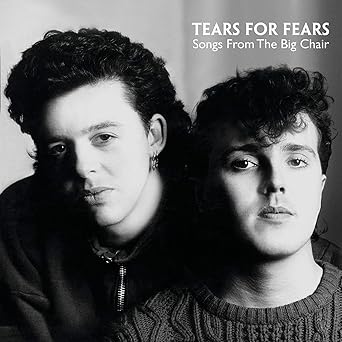
Songs from the Big Chair is essential shelf space for any serious collector of 80s records. The vinyl pressing holds up beautifully, with that clean mid-range production translating particularly well on a good turntable.
Get Songs from the Big Chair by Tears For Fears on Amazon
You can also watch the official music video for “Everybody Wants to Rule the World” on YouTube here. It captures the band at the peak of their early powers and holds up as a visual document of its moment.
Frequently Asked Questions About Everybody Wants to Rule the World
Who wrote Everybody Wants to Rule the World?
The song was written by Roland Orzabal, Curt Smith, and keyboard player Ian Stanley. It was produced by Chris Hughes and Ross Cullum and recorded during sessions for Songs from the Big Chair in 1984 and 1985. All three writers share publishing credit on one of the most commercially successful songs of the decade.
What album is Everybody Wants to Rule the World on?
The song appears on Songs from the Big Chair, the second studio album by Tears For Fears, released in February 1985. The album also includes “Shout” and “Head Over Heels,” making it one of the strongest album sides of the era. It remains the band’s best-selling record.
What does Everybody Wants to Rule the World mean?
At its core, the song is about the universal human impulse toward control and power. Orzabal has framed it as a commentary on Cold War-era politics and the broader tendency of individuals and governments to seek dominance over others. The upbeat production deliberately contrasts with the darker implications of the lyric.
Did Everybody Wants to Rule the World win any awards?
Yes. The song won the Brit Award for Best British Single in 1986. It was also nominated for a Grammy Award. Commercially, it reached number one in the United States and was certified platinum, making it one of the most decorated British pop singles of the mid-1980s.
For more on the full Tears For Fears catalog, read about The Hurting, their raw and powerful debut, or explore the deeper album cuts on The Seeds of Love. If you want the full discography picture, check our breakdowns of Elemental, Raoul and the Kings of Spain, Everybody Loves a Happy Ending, and The Tipping Point. You can also read about the broader world of Oleta Adams, who became a key collaborator during the Seeds of Love era, and revisit their earlier breakthrough single Mad World.
No song better encapsulates the contradiction at the heart of the 1980s than “Everybody Wants to Rule the World,” a perfect pop record that never once pretended the world was perfect.