

Fleetwood Mac Albatross stands as one of the most hauntingly beautiful instrumentals in rock history, a serene masterpiece that defined Peter Green’s genius.
Released in 1968 during the band’s blues era, this track shares the same emotional depth that would later characterize Fleetwood Mac Black Magic Woman, though with an entirely different sonic approach.
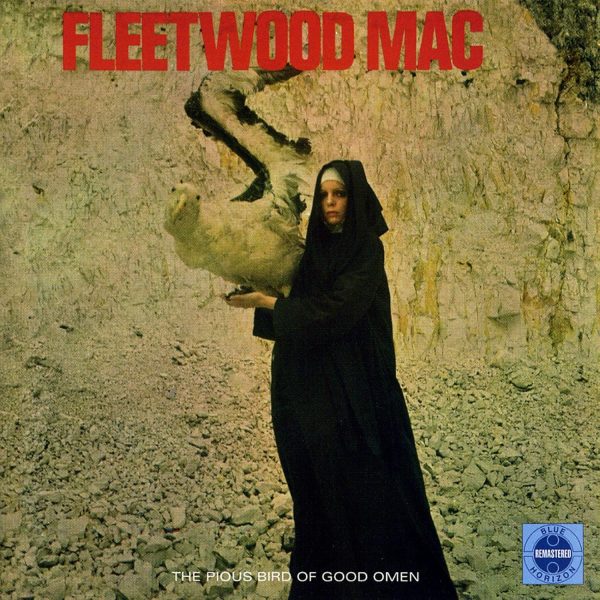
Fleetwood Mac Albatross – Available on Amazon
Get Fleetwood Mac Albatross (1968) on Vinyl or CD at Amazon
Affiliate Disclosure: I am an Amazon affiliate and if you purchase through any Amazon links on this site I may earn a small commission at no extra charge to you. This helps support classicrockartists.com. Thank you for your support!
Quick Navigation
What is the meaning of Fleetwood Mac Albatross?
Albatross represents freedom, tranquility, and the soaring flight of the soul through Peter Green’s ethereal guitar work, evoking images of gliding seabirds over calm ocean waters without a single lyric needed to convey its peaceful, meditative message.
The Vibe: Genre, Mood, and Sound of Fleetwood Mac Albatross
This instrumental piece floats on reverb-drenched guitar tones that shimmer like moonlight on water.
- Genre: Blues rock instrumental with ambient textures
- Mood: Serene, contemplative, dreamlike, peaceful
- Tempo: Slow and languid (approximately 60 BPM)
- Best For: Late-night reflection, meditation, studying, unwinding after a stressful day
- Similar To: Santo & Johnny’s “Sleep Walk,” The Shadows’ instrumental work, early ambient music
Behind the Lyrics: The Story of Fleetwood Mac Albatross
Peter Green composed this instrumental during Fleetwood Mac’s early blues period when the band bore little resemblance to the pop-rock juggernaut they would become.
The song emerged from jam sessions at the band’s communal house in South London during late 1968.
Green drew inspiration from the instrumental “Sleep Walk” by Santo & Johnny, seeking to capture that same dreamy, floating quality.
The title came from the majestic seabird known for its effortless gliding flight across vast ocean expanses.
Green wanted to evoke that sense of weightless freedom through his guitar.
The track appeared on the compilation album “The Pious Bird of Good Omen” in 1969.
Recording took place at CBS Studios in London with producer Mike Vernon at the helm.
The lineup featured Peter Green on lead guitar, Danny Kirwan on rhythm guitar, John McVie on bass, and Mick Fleetwood on drums.
According to Wikipedia, the song became Fleetwood Mac’s only UK number one single during the Peter Green era.
The band was touring relentlessly throughout Britain and Europe when the single dropped.
Green’s mental health was already beginning to deteriorate, though his creative powers remained at their peak.
The song represented a radical departure from the hard-driving blues that had defined their earlier work.
Many fans and critics were surprised by its gentle, almost ambient quality.
The track showcased Green’s versatility as a guitarist and composer beyond traditional blues structures.
It proved that instrumental rock could achieve commercial success in an era dominated by vocal-driven pop.
The song’s success helped establish Fleetwood Mac as more than just another British blues band.
Technical Corner: The Gear Behind Fleetwood Mac Albatross
Peter Green played his legendary 1959 Gibson Les Paul Standard, the same guitar previously owned by Eric Clapton.
This particular Les Paul had its neck pickup wired out of phase, creating a distinctive, slightly hollow tone.
Green ran his guitar through a Marshall amplifier with heavy reverb and tremolo effects.
The tremolo effect creates the song’s characteristic wavering, pulsing quality that mimics ocean waves.
Danny Kirwan provided subtle rhythm guitar textures on a Gibson ES-335.
John McVie’s bass work on his Fender Precision Bass remains understated but essential to the song’s foundation.
Mick Fleetwood employed brushes on his Ludwig drum kit rather than sticks, creating a softer, more atmospheric percussion sound.
Producer Mike Vernon captured the performance with minimal overdubs, preserving the organic feel of the studio take.
The recording utilized CBS Studios’ echo chambers to enhance the natural reverb.
Vernon placed microphones at strategic distances to capture the room ambience alongside the direct instrument sounds.
The production philosophy emphasized space and atmosphere over technical precision.
Green’s guitar tone became so iconic that countless players have attempted to replicate it over the decades.
The out-of-phase pickup configuration remains one of the most sought-after tones in rock guitar history.
Legacy and Charts: Why Fleetwood Mac Albatross Still Matters
The single reached number one on the UK Singles Chart in January 1969, staying there for one week.
It remained on the UK charts for a total of 20 weeks, an impressive run for an instrumental track.
The song did not chart in the United States, where Fleetwood Mac had yet to establish a significant presence.
In Germany, the track reached number 12, demonstrating its European appeal.
The song has been covered by numerous artists including Herb Alpert, who released a version in 1969.
British electronic duo Chicane sampled the track for their 1996 dance hit “Offshore,” introducing it to a new generation.
The Chicane version reached number 14 on the UK charts, proving the enduring appeal of Green’s melody.
The original recording has appeared in numerous films and television shows over the decades.
You can hear the track’s influence in later Fleetwood Mac work, particularly Fleetwood Mac Never Going Back Again, which shares a similar delicate touch.
The song helped establish the template for atmospheric rock instrumentals that would flourish in the 1970s.
It remains a staple of classic rock radio in the UK and Europe.
Guitar magazines regularly feature tutorials on how to play the iconic melody and achieve Green’s tone.
The track is often cited as one of the greatest guitar instrumentals ever recorded.
Watch the official audio on YouTube to experience the full sonic beauty of this masterpiece.
The song’s legacy extends beyond Fleetwood Mac’s catalog, influencing ambient and post-rock genres.
Listener’s Note: A Personal Take on Fleetwood Mac Albatross
When I first heard this on vinyl in my college dorm room, I was stunned by how a song without words could communicate so much emotion.
The moment that tremolo effect kicks in around the 15-second mark, the entire room seemed to expand.
I remember closing my eyes and genuinely feeling like I was floating above an endless ocean.
Peter Green’s guitar doesn’t just play notes; it breathes and sighs with an almost human quality.
The way the melody repeats and evolves so subtly demonstrates incredible restraint and maturity.
Most guitarists would have felt compelled to add flashy solos or technical flourishes.
Green understood that sometimes less is infinitely more.
I’ve played this track for friends who claim they don’t like instrumental music, and it converts them every time.
There’s something universally accessible about its peaceful beauty.
It’s become my go-to track for late-night writing sessions when I need to clear my mind.
The song proves that Fleetwood Mac was always about more than just the Stevie Nicks and Lindsey Buckingham era.
Understanding the full scope of Members of Fleetwood Mac reveals how many brilliant musicians passed through this legendary band.
Every time I drop the needle on this track, I discover some new subtle detail in the arrangement.
Affiliate Disclosure: I am an Amazon affiliate and if you purchase through any Amazon links on this site I may earn a small commission at no extra charge to you. This helps support classicrockartists.com and allows me to keep providing deep-dive content on the legends of rock. Thank you for your support!
Collector’s Corner: Own Fleetwood Mac Albatross on Vinyl or CD
Original UK pressings of “The Pious Bird of Good Omen” command premium prices among collectors, but modern reissues offer excellent sound quality at accessible prices.
Get Fleetwood Mac Albatross (1968) on Vinyl or CD at Amazon
Frequently Asked Questions About Fleetwood Mac Albatross
Who wrote Fleetwood Mac Albatross?
Peter Green wrote Albatross as the band’s guitarist and primary creative force during their early blues period.
Green composed the piece during late 1968 while living in a communal house with other band members.
He drew inspiration from the instrumental “Sleep Walk” by Santo & Johnny, seeking to create a similarly dreamy atmosphere.
Why is the song called Albatross?
The title references the large seabird known for its graceful, effortless gliding flight over ocean waters.
Peter Green wanted the music to evoke that same sense of weightless freedom and peaceful soaring.
The tremolo guitar effect mimics the gentle undulation of waves beneath a gliding bird.
Did Fleetwood Mac Albatross have any lyrics?
No, Albatross is a purely instrumental composition with no vocals or lyrics whatsoever.
The absence of words allows the guitar melody to communicate emotion directly without verbal mediation.
This approach was relatively unusual for a chart-topping single in 1969.
What guitar did Peter Green use on Albatross?
Peter Green played his famous 1959 Gibson Les Paul Standard, previously owned by Eric Clapton.
This guitar featured a neck pickup wired out of phase, creating its distinctive, slightly hollow tone.
Green ran the guitar through a Marshall amplifier with heavy reverb and tremolo effects to achieve the song’s signature sound.
You Might Also Like
Another Peter Green masterpiece from the same era that showcases his versatility between gentle instrumentals and hard-driving blues rock.
This later-era track shares Albatross’s dreamy, atmospheric quality while showcasing how the band evolved across different lineups.
An experimental instrumental section that demonstrates Fleetwood Mac’s continued willingness to push boundaries beyond conventional song structures.
Fleetwood Mac Albatross remains an eternal testament to Peter Green’s genius and the power of instrumental music to transcend language and touch the human soul.