
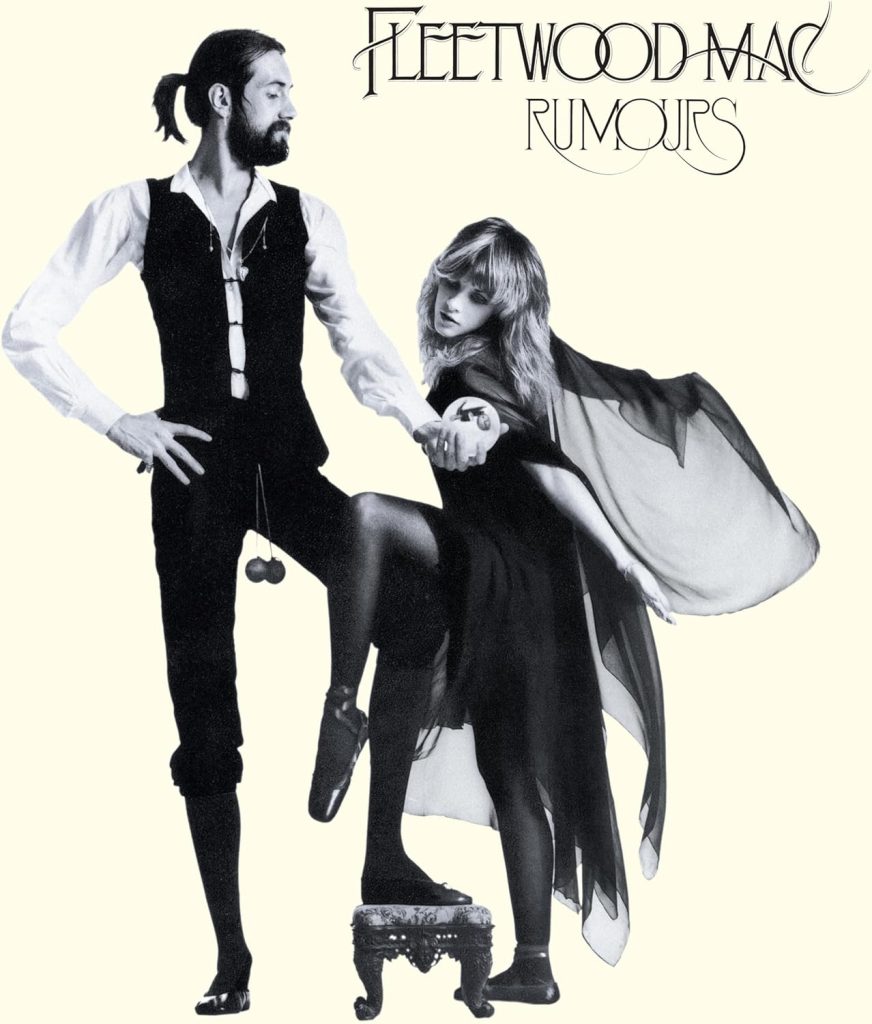
Fleetwood Mac Dont Stop stands as one of the most optimistic anthems to emerge from the turbulent Rumours sessions, written by Christine McVie during a period of personal upheaval.
Get Fleetwood Mac Dont Stop (1977) on Vinyl or CD at Amazon
Affiliate Disclosure: I am an Amazon affiliate and if you purchase through any Amazon links on this site I may earn a small commission at no extra charge to you. This helps support classicrockartists.com. Thank you for your support!
The track became a defining moment on Rumours by Fleetwood Mac, showcasing McVie’s ability to craft hope from heartbreak.
Quick Navigation
What is the meaning of Fleetwood Mac Dont Stop?
The song encourages looking forward rather than dwelling on the past, written by Christine McVie as a message to her ex-husband John McVie during their divorce. It’s about accepting change and finding optimism in new beginnings despite painful endings.
The Vibe: Genre, Mood, and Sound of Fleetwood Mac Dont Stop
This track delivers pure California soft rock energy with a driving rhythm section and bright piano hooks.
- Genre: Soft Rock, Pop Rock
- Mood: Uplifting, optimistic, forward-looking
- Tempo: Moderate, 124 BPM
- Best For: Road trips, morning motivation, political campaigns
- Similar To: “You Make Loving Fun” by Fleetwood Mac, “Dreams” energy with brighter disposition
- Fans of Christine McVie also search: Stevie Nicks solo songs, Lindsey Buckingham guitar work, Rumours album deep cuts
Behind the Lyrics: The Story of Fleetwood Mac Dont Stop
Christine McVie wrote this song in 1976 while the band recorded Rumours at the Record Plant in Sausalito, California.
Her marriage to bassist John McVie had just ended after eight years together.
The lyrics directly address John, urging him not to look back at their failed relationship.
The line “yesterday’s gone, yesterday’s gone” became her mantra during the painful recording sessions.
McVie later said she wanted to give John something positive to remember their time together.
The song’s optimism contrasted sharply with the emotional chaos surrounding the band at the time.
Lindsey Buckingham and Stevie Nicks were also breaking up during these sessions.
Mick Fleetwood was dealing with his own marital problems simultaneously.
Despite the personal turmoil, the band channeled their pain into some of the most commercially successful music of the decade.
McVie’s keyboard work on the track features her signature Fender Rhodes electric piano sound.
The song’s structure follows a classic verse-chorus pattern with a memorable pre-chorus hook.
Buckingham’s production choices emphasized the bright, shimmering quality of McVie’s vocals.
The backing vocals from Buckingham and Nicks add layers of harmony that became a Fleetwood Mac trademark.
According to Wikipedia, the song was released as the second single from Rumours in April 1977.
It quickly became a radio staple across multiple formats.
The song’s universal message of resilience resonated far beyond its personal origins.
Technical Corner: The Gear Behind Fleetwood Mac Dont Stop
Christine McVie played her beloved Fender Rhodes Mark I Stage Piano throughout the track.
The Rhodes gave the song its distinctive warm, bell-like tone that cuts through the mix.
Lindsey Buckingham used his 1956 Gibson Les Paul Standard for the rhythm guitar parts.
John McVie recorded his bass lines on his Alembic bass guitar, custom-built for him in 1973.
Mick Fleetwood played his Ludwig drum kit with his characteristic loose, shuffling style.
The drums were recorded using close-miking techniques that captured every nuance of his playing.
Producer Ken Caillat worked alongside co-producer Richard Dashut to shape the album’s sound.
They recorded at the Record Plant in Sausalito, using the studio’s state-of-the-art 24-track tape machines.
The vocal harmonies were meticulously layered, with multiple takes combined to create the final blend.
Buckingham’s guitar solo was recorded in a single take, capturing his spontaneous melodic approach.
The mix emphasized clarity and separation, allowing each instrument its own sonic space.
Caillat used compression sparingly, preserving the dynamic range of the performances.
The final mastering was done by Bob Ludwig, who helped define the warm analog sound of the era.
Legacy and Charts: Why Fleetwood Mac Dont Stop Still Matters
The song peaked at number three on the Billboard Hot 100 in July 1977.
It reached number 32 on the UK Singles Chart, performing better in North America than Britain.
In Canada, the track climbed to number two on the RPM Top Singles chart.
The song helped propel Rumours to sell over 40 million copies worldwide.
Bill Clinton adopted it as his campaign theme song during the 1992 presidential election.
The band reunited to perform it at Clinton’s inaugural ball in January 1993.
This performance introduced the song to a new generation of listeners.
Clinton used it again during his 1996 re-election campaign.
The song has been covered by numerous artists including Tom Petty and the Heartbreakers.
Billy Currington recorded a country version that reached number 41 on the Billboard Hot 100 in 2009.
The track appears in films like The Politician’s Wife and Guardians of the Galaxy Vol. 2.
Television shows from The West Wing to Glee have featured the song in key moments.
It remains one of the most-streamed Fleetwood Mac songs on digital platforms.
The Recording Industry Association of America certified Rumours 20x Platinum in 2018.
Classic rock radio stations continue to play it in heavy rotation decades after its release.
The song’s message of resilience has made it a staple at graduations and life transitions.
Listener’s Note: A Personal Take on Fleetwood Mac Dont Stop
When I first heard this on vinyl back in the late seventies, I was struck by how effortlessly joyful it sounded.
Only later did I learn about the divorce that inspired it.
That knowledge adds a bittersweet layer to every listen.
The moment that always gets me is when Christine’s voice soars on “it’ll be better than before.”
There’s a conviction in her delivery that feels earned, not manufactured.
The piano riff that opens the song has become so iconic that hearing those first few notes instantly transports me.
I’ve played this track during some of my own difficult transitions over the years.
It never fails to lift my spirits, even when I know the backstory.
That’s the mark of a truly great song, one that transcends its origins to become something universal.
The production still sounds fresh today, a credit to the band’s attention to detail.
Every element serves the song without overwhelming it.
Christine McVie’s songwriting genius lies in her ability to make complex emotions feel simple and accessible.
Affiliate Disclosure: I am an Amazon affiliate and if you purchase through any Amazon links on this site I may earn a small commission at no extra charge to you. This helps support classicrockartists.com and allows me to keep providing deep-dive content on the legends of rock. Thank you for your support!
Collector’s Corner: Own Fleetwood Mac Dont Stop on Vinyl or CD
The original Rumours vinyl pressing remains one of the best-sounding versions of this track, with warm analog depth that digital formats struggle to replicate.
The 2011 remastered CD edition offers excellent clarity while preserving the original mix’s character.
Get Fleetwood Mac Dont Stop (1977) on Vinyl or CD at Amazon
Frequently Asked Questions About Fleetwood Mac Dont Stop
Who wrote Don’t Stop by Fleetwood Mac?
Christine McVie wrote the song in 1976 during the Rumours recording sessions.
She composed it as a message to her ex-husband John McVie, encouraging him to look forward after their divorce.
What album is Don’t Stop on?
The song appears on Rumours, Fleetwood Mac’s eleventh studio album released in February 1977.
Rumours became one of the best-selling albums of all time, with over 40 million copies sold worldwide.
Did Bill Clinton use Don’t Stop as his campaign song?
Yes, Clinton adopted it as his official campaign theme during the 1992 presidential election.
Fleetwood Mac reunited to perform the song at his inaugural ball in January 1993, and he used it again in 1996.
What instruments are used in Don’t Stop?
The track features Christine McVie on Fender Rhodes electric piano and vocals, Lindsey Buckingham on guitar and backing vocals, John McVie on Alembic bass, and Mick Fleetwood on Ludwig drums.
Stevie Nicks also contributed backing vocals to the final mix.
You Might Also Like
Explore the complete album that made Don’t Stop a household name and changed rock music forever.
Learn about Christine McVie and the other talented musicians who created this timeless classic.
Experience the official music video and live performances that showcase the song’s enduring appeal.
Fleetwood Mac Dont Stop remains a masterclass in turning personal pain into universal hope, proving that the best art often comes from the hardest moments.