

The self-titled Fleetwood Mac Fleetwood Mac album released in 1975 represents one of the most significant reinventions in rock history, transforming a British blues band into an American pop-rock phenomenon.
This was the first album to feature the lineup that would define the band’s most successful era.
The addition of Lindsey Buckingham and Stevie Nicks brought a California sound that contrasted sharply with the band’s blues roots.
The album’s commercial success exceeded all expectations and set the stage for even greater achievements.
Understanding the Members of Fleetwood Mac during this transitional period reveals how chemistry and circumstance created magic.
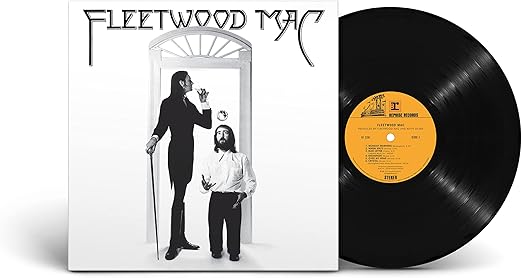
Buy Fleetwood Mac 1975 Album on Amazon
As an Amazon Associate, we earn from qualifying purchases made through affiliate links on this page. This comes at no additional cost to you and helps support our work in bringing you quality music journalism.
Table of Contents
Overview of Fleetwood Mac Fleetwood Mac
The 1975 self-titled album marked the tenth studio release for Fleetwood Mac but felt like a debut.
Released on July 11, 1975, through Reprise Records, the album introduced a completely new sound.
The band had been struggling commercially and creatively after the departure of Bob Welch.
Mick Fleetwood discovered Lindsey Buckingham and Stevie Nicks through their album “Buckingham Nicks.”
The pairing proved to be one of the most fortuitous decisions in rock history.
Buckingham brought sophisticated guitar work and production sensibilities that modernized the band’s approach.
Nicks contributed a mystical, bohemian aesthetic that became central to the band’s identity.
Christine McVie had already established herself as a key songwriter and vocalist in the band.
Her keyboard-driven compositions provided melodic counterpoints to the guitar-based arrangements.
The rhythm section of Mick Fleetwood on drums and John McVie on bass remained the band’s foundation.
Their British blues background grounded the more pop-oriented material in authentic musicianship.
The album contained eleven tracks that showcased the diverse songwriting talents within the group.
Each of the three primary songwriters contributed distinct flavors to the overall sound.
The production emphasized vocal harmonies that would become a trademark of the band’s sound.
The album’s sonic palette ranged from folk-rock to pop to blues-influenced rock.
This stylistic diversity appealed to a broad audience and helped the album cross demographic boundaries.
Recording History and Production
The album was recorded at Sound City Studios in Van Nuys, California, during early 1975.
Sound City had a reputation for capturing warm, organic sounds that suited the band’s needs perfectly.
The studio’s Neve console and live room acoustics contributed significantly to the album’s sonic character.
Fleetwood Mac produced the album themselves alongside engineers Keith Olsen and Richard Dashut.
Olsen had previously worked with Buckingham and Nicks on their duo album.
His familiarity with their working methods helped integrate them smoothly into the band dynamic.
The recording sessions were relatively quick compared to the marathon sessions that would characterize later albums.
The band worked efficiently, driven by the excitement of the new lineup’s chemistry.
Buckingham’s guitar work utilized a distinctive fingerpicking style rather than traditional pick playing.
This technique created intricate patterns that added textural complexity to the arrangements.
Nicks recorded many of her vocals in a single take, capturing spontaneous emotional performances.
Her voice had a distinctive raspy quality that contrasted beautifully with Christine McVie’s smoother tone.
The vocal harmonies were carefully constructed, with all three singers contributing to the blend.
McVie’s keyboard parts ranged from electric piano to Hammond organ to synthesizer textures.
Her playing provided harmonic foundation and melodic hooks throughout the album.
John McVie’s bass lines were economical but perfectly placed, serving the songs rather than showing off.
Mick Fleetwood’s drumming combined power with subtlety, knowing when to drive and when to lay back.
The production philosophy emphasized clarity and separation while maintaining warmth and cohesion.
Minimal overdubs kept the performances feeling live and immediate rather than overly polished.
The mixing process balanced the various elements to showcase each songwriter’s vision.
The final mastering gave the album a consistent sonic signature across all tracks.
Track-by-Track Highlights of Fleetwood Mac Fleetwood Mac
“Monday Morning” opens the album with Lindsey Buckingham’s energetic guitar work and urgent vocals.
The song’s driving rhythm and catchy melody immediately established the new band’s commercial potential.
Buckingham’s production touches, including the layered guitars, showcased his studio sophistication.
“Warm Ways” features Christine McVie’s soulful vocals over a mid-tempo groove.
The song’s jazzy chord progressions revealed McVie’s musical sophistication and emotional depth.
Her keyboard work on this track demonstrated her ability to create atmospheric textures.
“Blue Letter” brought a harder rock edge with its blues-based riff and driving beat.
Originally written by brothers Richard and Michael Curtis, the band made it their own.
The track showcased the band’s ability to interpret outside material while maintaining their identity.
The iconic Fleetwood Mac Rhiannon introduced Stevie Nicks’ mystical persona to the world.
The song’s hypnotic groove and Nicks’ bewitching vocals created an instant classic.
Buckingham’s guitar solo perfectly complemented the song’s ethereal atmosphere.
“Over My Head” became one of Christine McVie’s signature songs and a major hit single.
Its upbeat melody and relatable lyrics about relationship uncertainty resonated with audiences.
The song’s radio-friendly production helped establish the band on American airwaves.
“Crystal” was actually a reworked version of a song from the Buckingham Nicks album.
The new arrangement with full band instrumentation gave the song greater power and presence.
Nicks’ vocals soared over the shimmering guitar and keyboard textures.
“Say You Love Me” showcased Christine McVie’s gift for crafting irresistible pop-rock hooks.
The song’s chorus became an anthem of romantic longing and vulnerability.
McVie’s piano playing drove the arrangement with infectious energy.
The deeply personal Fleetwood Mac Landslide revealed Stevie Nicks’ introspective songwriting at its finest.
Buckingham’s delicate acoustic guitar work provided the perfect accompaniment to Nicks’ vulnerable vocals.
The song’s meditation on aging and change would resonate across generations.
“World Turning” brought back the band’s blues-rock roots with a vengeance.
Christine McVie’s gritty vocals and the song’s heavy groove showed the band hadn’t abandoned their past.
The extended instrumental section gave the band room to stretch out and jam.
“Sugar Daddy” featured Christine McVie’s playful side with its suggestive lyrics and bouncy rhythm.
The song’s lighthearted approach provided contrast to some of the album’s more serious moments.
“I’m So Afraid” closed the album with Lindsey Buckingham’s most ambitious composition.
The song built from a quiet, ominous beginning to a cathartic guitar solo.
Buckingham’s extended solo became a showcase for his technical prowess and emotional expression.
The song’s dark atmosphere contrasted with much of the album’s more accessible material.
Chart Performance of Fleetwood Mac Fleetwood Mac
The album’s commercial success exceeded everyone’s expectations, including the record label’s.
It peaked at number one on the Billboard 200 chart in September 1976.
The album remained on the charts for an impressive 106 weeks total.
This longevity demonstrated the album’s broad appeal and staying power with audiences.
“Over My Head” became the band’s first top-twenty hit in the United States.
The single reached number twenty on the Billboard Hot 100 in early 1976.
This breakthrough opened doors for the band on American radio stations.
“Rhiannon” followed as the second single and climbed to number eleven on the Hot 100.
The song’s success established Stevie Nicks as a distinctive voice in rock music.
Radio programmers embraced the song’s unique sound and mystical lyrics.
“Say You Love Me” became the third top-ten hit from the album.
It peaked at number eleven, continuing the album’s remarkable string of successful singles.
The album eventually sold over five million copies in the United States alone.
It achieved 5x Platinum certification from the Recording Industry Association of America.
International sales added millions more copies to the album’s impressive total.
The album performed particularly well in Canada, Australia, and New Zealand.
In the United Kingdom, the album reached number twenty-three on the UK Albums Chart.
While not as dominant in Britain, it still represented a commercial comeback for the band.
The album’s success transformed Fleetwood Mac from cult favorites to mainstream superstars.
Concert venues grew from clubs to theaters to arenas as demand for tickets exploded.
The touring cycle for the album lasted well into 1976 and helped sustain chart momentum.
Live performances of “Rhiannon” became legendary showcases for Stevie Nicks’ stage presence.
The album’s commercial triumph set the stage for the even greater success of Rumours by Fleetwood Mac.
Legacy and Cultural Impact
The 1975 album fundamentally redefined what Fleetwood Mac meant to the music world.
It transformed the band from British blues purists to California pop-rock icons.
The album’s success proved that reinvention could revitalize even established acts.
Many bands facing lineup changes looked to this album as a template for successful transitions.
The songwriting contributions from three distinct voices became a model for collaborative creativity.
This approach allowed for stylistic diversity while maintaining cohesive album identity.
Stevie Nicks emerged as a cultural icon whose influence extended beyond music.
Her bohemian fashion sense inspired countless imitators and remains influential today.
The mystical imagery in her lyrics opened new thematic territory for mainstream rock.
Lindsey Buckingham’s production techniques influenced a generation of studio-savvy musicians.
His fingerpicking guitar style became widely studied and imitated by aspiring guitarists.
Christine McVie’s keyboard-driven songwriting demonstrated that women could be central creative forces in rock.
Her success paved the way for other female singer-songwriters in the genre.
The album’s blend of accessibility and sophistication showed that pop music could be artistically ambitious.
Critics initially dismissed the album as too commercial but later recognized its artistic merit.
Retrospective reviews have consistently praised the album’s songwriting and performances.
Rolling Stone magazine included the album in various lists of essential rock albums.
The album’s influence can be heard in countless soft rock and pop-rock acts that followed.
Artists from Sheryl Crow to The Chicks have cited the album as an inspiration.
“Landslide” has been covered by numerous artists across multiple genres.
The Dixie Chicks’ version became a hit in its own right decades after the original.
“Rhiannon” remains a staple of classic rock radio and streaming playlists.
The song’s enduring popularity introduced new generations to Fleetwood Mac’s music.
The album’s success made the subsequent Rumours album possible both financially and creatively.
Without this foundation, the band might never have achieved their greatest commercial triumph.
The album demonstrated that bands could successfully navigate major personnel changes.
This lesson proved valuable for many long-running acts facing similar challenges.
The chemistry between Buckingham and Nicks became one of rock’s most famous creative partnerships.
Their romantic relationship and eventual breakup would fuel even more compelling music.
The album’s warm, organic production sound influenced the aesthetic of 1970s rock.
Sound City Studios became legendary partly due to the success of this album.
The album’s legacy extends to how it changed perceptions of what Fleetwood Mac could be.
It proved that artistic evolution could coexist with commercial success.
Listener’s Note
I first encountered this album during a road trip through California in the early 1990s.
A friend insisted we listen to it in its entirety without interruption.
I was immediately struck by how cohesive the album sounded despite the varied songwriting styles.
Each song felt distinct yet part of a larger artistic statement.
What impressed me most was the vocal interplay between the three singers.
Their harmonies created textures that elevated even the simplest melodies.
I found myself returning to different tracks depending on my mood.
“Landslide” became my go-to song during moments of personal reflection.
The song’s honest examination of aging and change felt timeless and universal.
“Rhiannon” satisfied my desire for something more mysterious and atmospheric.
The song transported me to another realm with its hypnotic groove and mystical lyrics.
Christine McVie’s songs provided the perfect balance of accessibility and emotional depth.
Her ability to craft memorable melodies while expressing genuine feeling impressed me greatly.
Over the years, I’ve introduced this album to friends who only knew the band through Rumours.
Many were surprised by how strong the songwriting was on this earlier release.
The album rewards repeated listening with subtle details that emerge over time.
Buckingham’s guitar work reveals new layers with each listen.
His fingerpicking patterns create intricate textures that support rather than dominate the songs.
I appreciate how the album balances commercial appeal with artistic integrity.
The band never sacrificed their musical vision for the sake of radio play.
Yet they crafted songs that connected with millions of listeners worldwide.
This album taught me that popularity and quality need not be mutually exclusive.
The production still sounds fresh and vibrant decades after its release.
Unlike some 1970s recordings, it hasn’t been dated by period-specific production techniques.
The organic, warm sound quality makes the album feel timeless rather than nostalgic.
I recommend listening to this album before diving into Rumours.
Understanding this foundation makes the later masterpiece even more impressive.
You can hear the band finding their voice and establishing their chemistry.
The excitement of discovery permeates every track on this remarkable album.
This article contains affiliate links, which means I may earn a commission if you make a purchase through these links. This comes at no additional cost to you and helps us continue providing quality content about classic rock music.
Collector’s Corner
Original vinyl pressings of this album have become increasingly valuable to collectors.
First pressings on Reprise Records with specific matrix numbers command premium prices.
The album has been reissued multiple times on various formats over the decades.
A deluxe expanded edition released in 2018 included previously unreleased material and alternate takes.
This expanded version provides fascinating insight into the recording process and song development.
The remastered sound quality on modern editions brings new clarity to the original recordings.
However, many audiophiles still prefer the warmth of original vinyl pressings.
The album is readily available on all major streaming platforms for convenient listening.
For those who want to own a physical copy, multiple options exist at various price points.
Whether you’re a longtime fan or discovering this album for the first time, it deserves a place in your collection.
Get Your Copy of Fleetwood Mac 1975 Album on Amazon
FAQ About Fleetwood Mac Fleetwood Mac
Was the 1975 Fleetwood Mac album the band’s first release?
No, the 1975 self-titled album was actually the band’s tenth studio album.
However, it was the first to feature the classic lineup of Mick Fleetwood, John McVie, Christine McVie, Lindsey Buckingham, and Stevie Nicks.
The band had existed since 1967 and released nine previous albums with different lineups.
This album marked such a dramatic departure in sound that it felt like a new beginning for the band.
Which songs from the album became the biggest hits?
Three songs from the album became top-twenty hits on the Billboard Hot 100.
“Over My Head” reached number twenty and was the band’s breakthrough single in America.
“Rhiannon” climbed to number eleven and became one of Stevie Nicks’ signature songs.
“Say You Love Me” also reached number eleven and showcased Christine McVie’s songwriting prowess.
These hits established the band as a major commercial force in American rock music.
How did Lindsey Buckingham and Stevie Nicks join Fleetwood Mac?
Mick Fleetwood discovered Buckingham and Nicks through their duo album “Buckingham Nicks.”
He was impressed by Buckingham’s guitar playing and production skills.
When Fleetwood invited Buckingham to join, Buckingham insisted that Nicks come as part of the package.
The band agreed, and this decision proved to be one of the most important in rock history.
The chemistry between all five members created the magic that defined the band’s most successful era.
What makes this album different from the band’s earlier work?
The album represented a dramatic shift from the band’s British blues roots to California pop-rock.
Earlier Fleetwood Mac albums featured blues-based guitar work and a harder-edged sound.
The 1975 album emphasized vocal harmonies, melodic songwriting, and polished production.
The addition of three strong songwriters created stylistic diversity within a cohesive framework.
This new direction made the band accessible to mainstream audiences while maintaining musical credibility.
You Might Also Like
Fleetwood Mac Greatest Hits Songs
Explore our comprehensive ranking of every essential Fleetwood Mac track across their entire catalog, from blues beginnings to pop-rock dominance.
Fleetwood Mac Gypsy (1982)
Discover the story behind Stevie Nicks’ nostalgic 1982 single about her bohemian past and the artistic journey that shaped her identity.
Fleetwood Mac Sara (1979)
Unravel the mystery of Stevie Nicks’ eight-minute epic from Tusk, a deeply personal song she has never fully explained to this day.
The Fleetwood Mac Fleetwood Mac album from 1975 remains an essential document of rock reinvention and the beginning of one of music’s most successful partnerships.