

Fleetwood Mac Little Lies arrived in 1987 as a sleek, synth-driven departure from the band’s classic rock sound, showcasing Christine McVie’s gift for crafting irresistible pop hooks.
The track became one of the standout moments from the Tango in the Night album, proving that members of Fleetwood Mac could evolve without losing their essential magic.
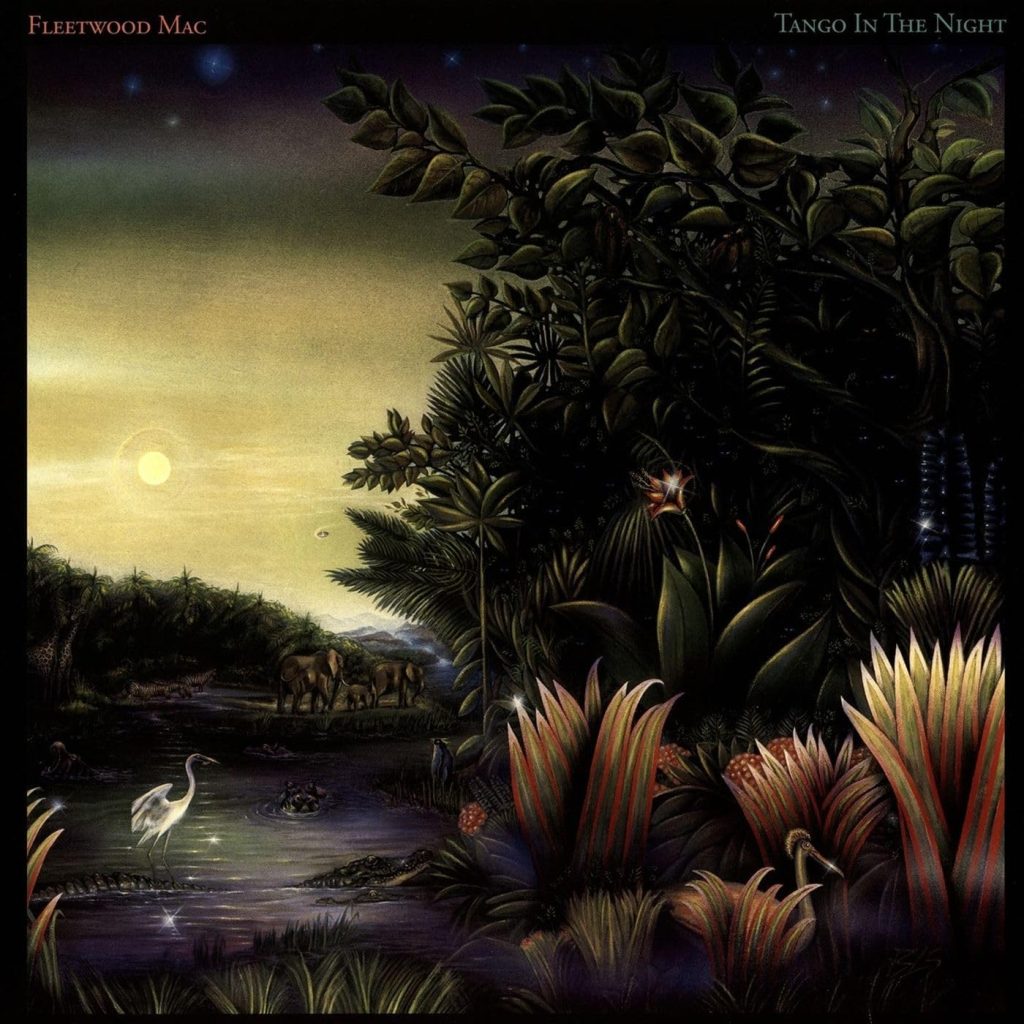
Get Fleetwood Mac Little Lies (1987) on Vinyl or CD at Amazon
Affiliate Disclosure: I am an Amazon affiliate and if you purchase through any Amazon links on this site I may earn a small commission at no extra charge to you. This helps support classicrockartists.com. Thank you for your support!
Quick Navigation
What is the meaning of Fleetwood Mac Little Lies?
The song explores the comfort people find in small deceptions within relationships, where both parties prefer pleasant falsehoods over painful truths. Christine McVie wrote it about the white lies couples tell to maintain peace and avoid confrontation, even when they know the relationship is crumbling.
The Vibe: Genre, Mood, and Sound of Fleetwood Mac Little Lies
This track represents Fleetwood Mac’s full embrace of 1980s production values, blending their signature harmonies with contemporary synth-pop elements.
- Genre: Synth-pop, soft rock, adult contemporary
- Mood: Bittersweet, polished, deceptively upbeat
- Tempo: Mid-tempo (120 BPM), danceable yet reflective
- Best For: Late-night drives, nostalgic playlists, understanding the evolution of 80s rock
- Similar To: Starship’s “Nothing’s Gonna Stop Us Now,” Heart’s “Alone,” or Eurythmics’ smoother moments
- Fans of Christine McVie also search: Stevie Nicks solo songs, Tango in the Night album tracks, 1980s soft rock hits
Behind the Lyrics: The Story of Fleetwood Mac Little Lies
Christine McVie co-wrote the song with her then-husband Eddy Quintela, a Portuguese keyboardist and songwriter.
The collaboration marked one of several successful partnerships between the two during the mid-1980s.
McVie has described the song as being about the small untruths people tell in relationships to avoid conflict.
The lyrics capture a resigned acceptance of dishonesty, with the narrator preferring comforting lies to harsh reality.
Lines like “Tell me lies, tell me sweet little lies” became instantly memorable, turning vulnerability into a catchy refrain.
The song appeared on Tango in the Night, Fleetwood Mac’s fifth and final number-one album in the UK.
This album represented a creative peak for the band despite internal tensions that would soon lead to Lindsey Buckingham’s departure.
Buckingham’s production work on the album gave it a distinctly modern sound that contrasted with their 1970s output.
The Wikipedia entry for Little Lies notes that the track became one of the band’s most successful singles of the decade.
McVie’s vocal delivery strikes a perfect balance between resignation and hope, making the contradiction at the song’s heart feel genuine.
The backing vocals from Lindsey Buckingham and Stevie Nicks add layers of complexity to what could have been a simple pop song.
Their harmonies create a sense of collective complicity in the deception the lyrics describe.
Technical Corner: The Gear Behind Fleetwood Mac Little Lies
Lindsey Buckingham produced the track at Village Recorder in Los Angeles, where much of Tango in the Night was recorded.
The song features prominent use of the Fairlight CMI, a digital sampling synthesizer that defined 1980s production.
Buckingham layered multiple Fairlight parts to create the shimmering, atmospheric quality that permeates the track.
Christine McVie played a Yamaha DX7 synthesizer, which provided the warm pad sounds underneath the main melody.
The drum programming came from a LinnDrum machine, giving the track its precise, mechanical pulse.
Mick Fleetwood added live percussion elements on top of the programmed beats, humanizing the electronic foundation.
Buckingham’s guitar work is subtle but essential, providing textural accents rather than traditional rock riffs.
He used a Roland JC-120 amplifier for its clean, chorus-laden tone that complemented the synth-heavy arrangement.
The bass line was likely synthesized rather than played on a traditional bass guitar, following the production trends of the era.
Richard Dashut served as co-producer and engineer, helping Buckingham achieve the polished sound that characterized the album.
The vocal recording captured McVie’s voice with exceptional clarity, placing it front and center in the mix.
Buckingham’s meticulous approach to layering created a dense sonic landscape that rewards repeated listening.
Legacy and Charts: Why Fleetwood Mac Little Lies Still Matters
The song reached number four on the Billboard Hot 100 in the United States, becoming one of the band’s biggest hits of the 1980s.
In the UK, it climbed to number five on the Official Singles Chart, demonstrating the band’s continued international appeal.
The track topped the Billboard Adult Contemporary chart for four weeks, cementing its crossover success.
In Canada, the song peaked at number two, spending multiple weeks in the top ten.
The accompanying music video received heavy rotation on MTV, featuring the band performing against colorful, abstract backgrounds.
The video’s aesthetic perfectly captured the glossy, high-production values of late-1980s pop culture.
Tango in the Night went on to sell over 15 million copies worldwide, with this single serving as a major driver of those sales.
The song has been covered by various artists, though none have matched the commercial success of the original.
It appeared in several films and television shows throughout the 1990s and 2000s, often used to evoke 1980s nostalgia.
The track remains a staple of classic rock and adult contemporary radio formats.
Streaming platforms show consistent engagement with the song, particularly from listeners discovering Fleetwood Mac’s deeper catalog.
The official music video on YouTube has accumulated millions of views, introducing the song to new generations.
Critics have reassessed the song favorably over time, recognizing its craft even as some initially dismissed it as too commercial.
The track represents a successful example of a heritage rock band adapting to contemporary production without losing their identity.
Listener’s Note: A Personal Take on Fleetwood Mac Little Lies
When I first heard this on vinyl, I was struck by how different it sounded from Rumours or Tusk.
The synth-heavy production initially felt like a betrayal of everything that made Fleetwood Mac great.
But repeated listens revealed the genius beneath the glossy surface.
That moment when Christine’s voice comes in after the instrumental intro still gives me chills.
There’s a warmth in her delivery that cuts through all the electronic production.
The bridge, where the harmonies stack up and the synths swell, represents peak 1980s Fleetwood Mac.
It’s a song that shouldn’t work on paper but succeeds because of the band’s fundamental songwriting strength.
The contradiction between the upbeat music and melancholic lyrics creates a tension that keeps the song interesting decades later.
I’ve come to appreciate it as a document of its time while also recognizing its timeless emotional core.
Affiliate Disclosure: I am an Amazon affiliate and if you purchase through any Amazon links on this site I may earn a small commission at no extra charge to you. This helps support classicrockartists.com and allows me to keep providing deep-dive content on the legends of rock. Thank you for your support!
Collector’s Corner: Own Fleetwood Mac Little Lies on Vinyl or CD
The Tango in the Night album remains widely available on both vinyl and CD, with several remastered editions offering improved sound quality.
Original 1987 pressings have become collectible, particularly in regions where the album achieved platinum status.
Get Fleetwood Mac Little Lies (1987) on Vinyl or CD at Amazon
Frequently Asked Questions About Fleetwood Mac Little Lies
Who wrote Little Lies by Fleetwood Mac?
Christine McVie wrote the song with her husband Eddy Quintela, a Portuguese musician and songwriter.
The collaboration produced several tracks for Tango in the Night, with this becoming their most successful composition together.
What album is Little Lies on?
The song appears on Tango in the Night, released in April 1987.
This was Fleetwood Mac’s fifth studio album to reach number one in the UK and their last major commercial success with the classic lineup.
Did Little Lies reach number one?
The song peaked at number four on the Billboard Hot 100 and number five in the UK.
It did reach number one on the Billboard Adult Contemporary chart, where it stayed for four weeks.
What instruments are used in Little Lies?
The track features Fairlight CMI synthesizer, Yamaha DX7, LinnDrum machine, and Roland JC-120 guitar amplifier.
Mick Fleetwood added live percussion to complement the programmed drums, while Lindsey Buckingham contributed subtle guitar textures.
You Might Also Like
Explore the complete lineup history and discover how Christine McVie became one of the band’s most essential songwriters.
Fleetwood Mac Little Lies remains a perfect example of how a legendary band can adapt to changing musical landscapes while maintaining the songwriting excellence that made them icons.