

Fleetwood Mac Never Going Back Again stands as one of the most delicate and emotionally resonant acoustic moments in rock history, a fingerpicked masterpiece that captures the fragility of moving forward after heartbreak.
Recorded during the same turbulent sessions that produced Fleetwood Mac Go Your Own Way (1977), this intimate track showcases Lindsey Buckingham’s virtuosic guitar technique and vulnerable songwriting at their absolute peak.
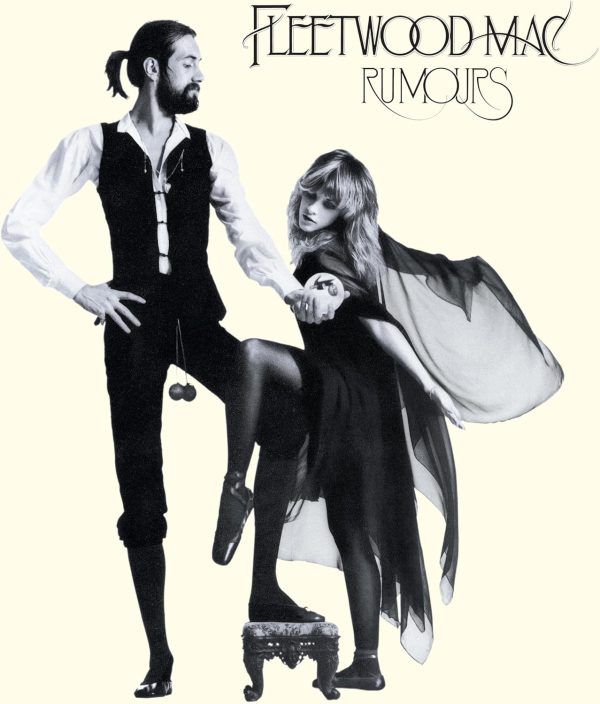
Fleetwood Mac Never Going Back Again – Available on Amazon
Get Fleetwood Mac Never Going Back Again (1977) on Vinyl or CD at Amazon
Affiliate Disclosure: I am an Amazon affiliate and if you purchase through any Amazon links on this site I may earn a small commission at no extra charge to you. This helps support classicrockartists.com. Thank you for your support!
Quick Navigation
What is the meaning of Fleetwood Mac Never Going Back Again?
The song chronicles Lindsey Buckingham’s determination to move forward after his relationship with Stevie Nicks ended, expressing both liberation and loss through intricate fingerpicking that mirrors emotional complexity.
The Vibe: Genre, Mood, and Sound of Fleetwood Mac Never Going Back Again
This track strips away all production excess to reveal pure acoustic intimacy.
- Genre: Folk rock, acoustic pop
- Mood: Bittersweet, reflective, quietly determined
- Tempo: Moderate (approximately 120 BPM)
- Best For: Late-night introspection, acoustic guitar study, emotional reset moments
- Similar To: Paul Simon’s acoustic work, early James Taylor, Nick Drake’s gentler moments
Behind the Lyrics: The Story of Fleetwood Mac Never Going Back Again
Lindsey Buckingham wrote this song during one of the most emotionally charged recording periods in rock history.
The Rumours by Fleetwood Mac sessions in 1976 and early 1977 saw multiple relationships within the band disintegrating simultaneously.
Buckingham and Stevie Nicks had ended their romantic relationship but were forced to continue working together professionally.
The song’s title and lyrics reflect Buckingham’s resolve not to return to the emotional patterns that had defined their turbulent partnership.
According to Wikipedia, Buckingham developed the intricate fingerpicking pattern while touring before the Rumours sessions began.
The technique he employed was inspired by classical guitar and Travis picking styles.
He recorded the guitar parts in multiple passes, layering two separate acoustic guitar tracks to create the song’s distinctive shimmer.
The lyrics are deliberately ambiguous, allowing listeners to interpret whether the narrator is celebrating freedom or mourning loss.
Lines like “She broke down and let me in” suggest vulnerability and connection, while the repeated refrain insists on forward movement.
This duality perfectly captures the conflicted emotions of ending a significant relationship.
The song was sequenced on Rumours immediately before “Don’t Stop,” creating a thematic arc from personal resolution to collective optimism.
Producer Ken Caillat and engineer Richard Dashut worked to preserve the intimate quality of Buckingham’s original demo.
They recorded the track at the Record Plant in Sausalito, California, using minimal microphone placement to capture the natural resonance of the acoustic guitar.
Buckingham sang the vocal live while playing, maintaining the spontaneous feel that made the song so emotionally immediate.
The brevity of the track, clocking in at just over two minutes, was intentional.
Buckingham wanted the song to feel like a fleeting moment of clarity rather than an extended meditation.
This conciseness gives the track an almost haiku-like quality, saying everything necessary without a single wasted note.
Technical Corner: The Gear Behind Fleetwood Mac Never Going Back Again
Lindsey Buckingham played a 1950s Gibson Chet Atkins nylon-string acoustic guitar for the primary guitar parts.
The nylon strings provided a warmer, mellower tone than steel strings would have offered.
This choice was crucial to achieving the song’s intimate, almost classical sound.
Buckingham layered two separate guitar tracks, each playing complementary fingerpicking patterns that interlock rhythmically.
The recording technique involved close-miking the guitar with a Neumann U87 condenser microphone.
This microphone choice captured the full frequency range of the nylon strings, from the deep bass notes to the bright treble harmonics.
Engineer Richard Dashut positioned the microphone to minimize room ambience and maximize the direct sound of the instrument.
The vocal was recorded simultaneously with the guitar performance, preserving the natural interaction between voice and instrument.
Buckingham sang into a Shure SM57 dynamic microphone, an unconventional choice for vocals but one that provided a focused, present sound.
Producer Ken Caillat applied minimal compression to the vocal, allowing Buckingham’s natural dynamics to shine through.
The only additional instrumentation comes from subtle vocal harmonies, also performed by Buckingham.
These harmonies were double-tracked and panned slightly left and right to create width without overwhelming the central vocal.
The mix was deliberately sparse, with no reverb or delay effects added to the guitar or vocal.
This dry approach keeps the listener focused on the performance itself rather than production embellishments.
The mastering for the Rumours album was handled by Ken Perry at Capitol Records.
Perry’s light touch ensured that the delicate dynamics of the acoustic performance were preserved on vinyl.
The fingerpicking pattern Buckingham developed for this song became one of his signature techniques.
He would later explore similar approaches on Lindsey Buckingham Trouble and other solo work.
Legacy and Charts: Why Fleetwood Mac Never Going Back Again Still Matters
While never released as a single, the song became a beloved album track on Rumours, which spent 31 weeks at number one on the Billboard 200.
The album has sold over 40 million copies worldwide, making it one of the best-selling albums in history.
In the UK, Rumours reached number one and remained on the charts for 443 weeks.
The album achieved Diamond certification in the United States, Canada, and several other countries.
The song has been covered by numerous artists across different genres, demonstrating its enduring appeal.
Notable versions include interpretations by The String Cheese Incident, who brought a bluegrass sensibility to the arrangement.
Acoustic guitarist Antoine Dufour recorded an instrumental version that showcases the complexity of Buckingham’s original fingerpicking.
The track has appeared in several films and television shows, often used to underscore moments of personal transition or bittersweet reflection.
It was featured in the 2017 film I, Tonya during a pivotal emotional scene.
The song has also been used in episodes of shows like Glee and American Horror Story.
Guitar instructors frequently teach this song to students learning fingerpicking technique.
The pattern Buckingham created has become a standard exercise for developing independence between thumb and fingers.
YouTube features thousands of cover versions and tutorials, with the official YouTube video accumulating millions of views.
The song remains a staple of classic rock radio and streaming playlists focused on 1970s soft rock.
On Spotify, it has garnered hundreds of millions of streams, introducing new generations to Buckingham’s artistry.
The track’s influence can be heard in the work of contemporary singer-songwriters who favor intricate acoustic arrangements.
Artists like Sufjan Stevens and Iron & Wine have cited Buckingham’s fingerpicking as an inspiration.
The song’s placement on Rumours, sandwiched between more bombastic tracks, provides essential breathing room in the album’s emotional arc.
This sequencing choice demonstrates the band’s sophisticated understanding of album construction as an art form.
Listener’s Note: A Personal Take on Fleetwood Mac Never Going Back Again
When I first heard this on vinyl in my college apartment, I was immediately struck by how much emotion Buckingham packed into such a brief performance.
The moment that always gets me is the subtle shift in his vocal tone when he sings “been down one time.”
There’s a weariness there that feels completely authentic, not performed.
I’ve tried to learn the fingerpicking pattern dozens of times over the years.
Each attempt reveals new layers of complexity in what initially sounds simple.
The way the two guitar parts interlock creates a rhythmic momentum that propels the song forward despite its gentle dynamics.
What makes this track so powerful is its restraint.
Buckingham could have added drums, bass, electric guitars, and turned it into a full-band arrangement.
Instead, he trusted that the song’s emotional core was strong enough to stand on its own.
That confidence pays off in every listen.
The song works equally well as background music for quiet evenings or as the focus of active listening sessions.
I’ve played it during long drives, late-night writing sessions, and moments when I needed to process difficult emotions.
It never fails to provide exactly what I need from it.
The production quality holds up remarkably well decades later.
The clarity of the guitar tone and the presence of Buckingham’s voice sound as fresh today as they must have in 1977.
This timelessness is a testament to the skill of everyone involved in the recording process.
Listening to this track alongside other Rumours songs reveals the full scope of Members of Fleetwood Mac and their individual contributions to the band’s sound.
While Stevie Nicks brought mystical imagery and Christine McVie offered sophisticated pop craft, Buckingham provided this kind of raw, technically brilliant intimacy.
Affiliate Disclosure: I am an Amazon affiliate and if you purchase through any Amazon links on this site I may earn a small commission at no extra charge to you. This helps support classicrockartists.com and allows me to keep providing deep-dive content on the legends of rock. Thank you for your support!
Collector’s Corner: Own Fleetwood Mac Never Going Back Again on Vinyl or CD
Original pressings of Rumours on vinyl have become highly collectible, with first pressings commanding premium prices among serious collectors.
The 2011 remastered edition offers exceptional sound quality that brings out details in Buckingham’s fingerpicking that were less apparent on earlier CD releases.
Get Fleetwood Mac Never Going Back Again (1977) on Vinyl or CD at Amazon
Frequently Asked Questions About Fleetwood Mac Never Going Back Again
What guitar tuning did Lindsey Buckingham use on Never Going Back Again?
Buckingham used a modified open tuning, specifically DADGBD, which allowed him to create the cascading fingerpicking pattern that defines the song.
This tuning gives the guitar a harp-like quality and enables the complex interplay between bass notes and melody.
The open D tuning was essential to achieving the song’s distinctive shimmer and resonance.
Was Never Going Back Again written about Stevie Nicks?
While Buckingham has never explicitly confirmed the song’s subject, the timing and emotional content strongly suggest it was inspired by his breakup with Nicks.
The lyrics reflect themes of moving forward after a significant relationship ends, which mirrors the personal circumstances during the Rumours sessions.
Buckingham has generally preferred to let the song speak for itself rather than provide definitive biographical details.
How long did it take to record Never Going Back Again?
The basic track was recorded relatively quickly compared to other Rumours songs, with Buckingham capturing the essential performance in just a few takes.
The simplicity of the arrangement meant less studio time was needed for overdubs and mixing.
However, achieving the perfect balance between the two guitar tracks and the vocal required careful attention during the mixing process.
Does Lindsey Buckingham still perform Never Going Back Again live?
Yes, Buckingham has performed the song regularly throughout his solo career and during Fleetwood Mac tours.
Live versions often feature extended instrumental sections that showcase his continued mastery of the fingerpicking technique.
The song remains a highlight of his acoustic performances, as documented on various live albums and concert recordings available through the official Fleetwood Mac website.
You Might Also Like
Stevie Nicks’ ethereal counterpoint to Buckingham’s acoustic intimacy, recorded during the same emotionally charged Rumours sessions.
Lindsey Buckingham Go Insane (1984)
Buckingham’s solo exploration of similar emotional territory with more experimental production techniques and layered acoustic textures.
Fleetwood Mac The Chain (1977)
The only Rumours track credited to all five members, providing essential context for understanding the collaborative tension that produced Never Going Back Again.
Fleetwood Mac Never Going Back Again remains an essential listening experience for anyone who appreciates the intersection of technical virtuosity and raw emotional honesty in songwriting.