

Fleetwood Mac Say You Love Me stands as one of Christine McVie’s most enduring contributions to the band’s catalog, a shimmering slice of mid-1970s pop rock perfection that helped define their commercial breakthrough.
Released on the self-titled 1975 album that introduced the Buckingham-Nicks lineup, this track showcases the songwriting prowess that would later flourish in Fleetwood Mac You Make Loving Fun during the legendary Rumours sessions.
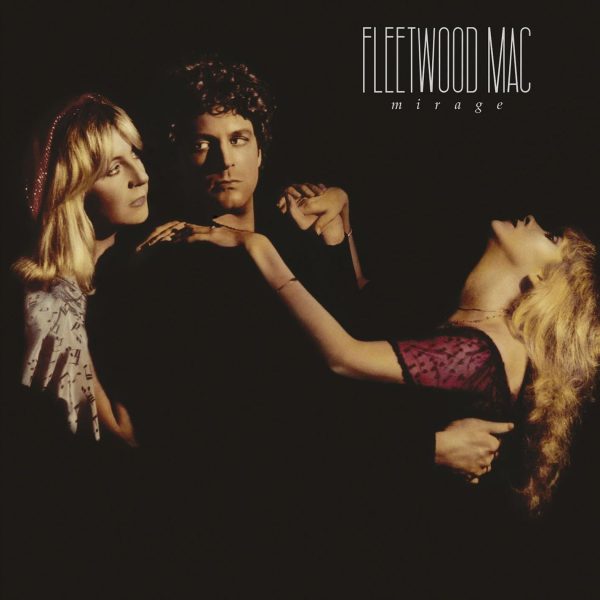
Fleetwood Mac Say You Love Me – Available on Amazon
Get Fleetwood Mac Say You Love Me (1975) on Vinyl or CD at Amazon
Affiliate Disclosure: I am an Amazon affiliate and if you purchase through any Amazon links on this site I may earn a small commission at no extra charge to you. This helps support classicrockartists.com. Thank you for your support!
Quick Navigation
What is the meaning of Fleetwood Mac Say You Love Me?
The song expresses the vulnerability of needing reassurance in a romantic relationship, with Christine McVie pleading for her partner to verbalize their feelings rather than leaving her in emotional uncertainty about where she stands.
The Vibe: Genre, Mood, and Sound of Fleetwood Mac Say You Love Me
This track captures the transitional moment when Fleetwood Mac evolved from British blues roots into California soft rock sophistication.
- Genre: Soft rock, pop rock with subtle country influences
- Mood: Yearning, hopeful, romantically vulnerable yet upbeat
- Tempo: Mid-tempo groove at approximately 120 BPM
- Best For: Road trips, romantic playlists, sunny afternoon listening sessions
- Similar To: Early Eagles, Linda Ronstadt, Carole King’s Tapestry era
Behind the Lyrics: The Story of Fleetwood Mac Say You Love Me
Christine McVie penned this song during a period of personal transition, capturing the universal anxiety of wanting verbal confirmation in a relationship.
The track appeared on the 1975 self-titled album that marked a seismic shift for Fleetwood Mac.
This was the first record featuring Lindsey Buckingham and Stevie Nicks, transforming the band from a British blues outfit into an American pop rock powerhouse.
McVie’s lyrics reflect a straightforward emotional plea without the cryptic metaphors that would characterize later Fleetwood Mac compositions.
The chorus repeats the simple request for affirmation, mirroring the repetitive nature of relationship doubts.
According to Wikipedia, the song was written before the tumultuous Rumours sessions that would define the band’s interpersonal drama.
The 1975 album was recorded at Sound City Studios in Van Nuys, California, where the band found their new sonic identity.
Producer Keith Olsen helped craft the polished sound that would become the template for their subsequent commercial triumphs.
McVie’s keyboard work anchors the arrangement, providing both rhythmic drive and melodic counterpoint to her own vocals.
The song’s structure follows classic pop conventions with verse-chorus-verse construction, making it immediately accessible to radio audiences.
Buckingham’s guitar work adds textural layers without overwhelming McVie’s central performance.
The backing vocals from Nicks and Buckingham create the signature three-part harmonies that would become a Fleetwood Mac trademark.
This collaborative vocal approach distinguished the new lineup from the Peter Green and Bob Welch eras.
Technical Corner: The Gear Behind Fleetwood Mac Say You Love Me
Christine McVie played her signature Hohner Clavinet D6 on this track, creating the distinctive percussive keyboard sound that drives the rhythm.
She also utilized a Fender Rhodes electric piano for the warmer, sustained tones that fill out the harmonic space.
Lindsey Buckingham recorded his guitar parts using a 1956 Gibson Les Paul Goldtop through a Fender Deluxe Reverb amplifier.
His fingerpicking technique, which would become more prominent on Fleetwood Mac Never Going Back Again, adds delicate fills throughout the arrangement.
John McVie’s bass line was recorded on his 1962 Fender Precision Bass, providing the solid foundation that anchors the groove.
Mick Fleetwood played his custom Ludwig drum kit, employing a relatively restrained approach compared to his more explosive work on later tracks.
Producer Keith Olsen utilized Sound City’s custom Neve 8028 console, which became legendary for its warm, punchy sound.
The studio’s acoustics and equipment helped create the California sound that defined mid-1970s rock production.
Olsen employed close-miking techniques on the drums to achieve clarity and separation in the mix.
The vocal recording captured McVie’s natural warmth through a Neumann U87 condenser microphone.
Minimal effects processing preserved the organic quality of the performances, with just subtle reverb added for spatial depth.
The mix balances all elements democratically, allowing each instrument to occupy its own sonic space without competition.
Legacy and Charts: Why Fleetwood Mac Say You Love Me Still Matters
The song reached number 11 on the Billboard Hot 100 in October 1976, becoming one of three top 20 hits from the album.
In Canada, the track climbed to number 10, demonstrating the band’s growing international appeal.
The UK chart performance was more modest, though the album itself achieved platinum status in Britain.
The self-titled 1975 album eventually sold over seven million copies in the United States alone.
This commercial success paved the way for Rumours, which would become one of the best-selling albums of all time.
The song established Christine McVie as a hitmaker in her own right, setting the stage for future classics like Fleetwood Mac Little Lies.
Radio programmers embraced the track’s accessible melody and relatable lyrics, keeping it in rotation for decades.
The song has been featured in numerous films and television shows, introducing it to new generations of listeners.
Notable cover versions include interpretations by Roberta Flack and Jessie Ware, demonstrating its enduring appeal across genres.
The track appears on virtually every Fleetwood Mac compilation and greatest hits collection released since 1975.
Streaming platforms report millions of plays annually, with YouTube views continuing to accumulate steadily.
The song’s influence can be heard in contemporary artists who blend pop sensibility with rock instrumentation.
Music critics consistently rank it among McVie’s finest compositions, praising its emotional directness and melodic craft.
Listener’s Note: A Personal Take on Fleetwood Mac Say You Love Me
When I first heard this on vinyl, the Clavinet intro immediately grabbed my attention with its funky, percussive attack.
That keyboard sound cuts through the mix with such clarity that you can almost feel the hammers striking the strings.
Christine McVie’s vocal delivery strikes the perfect balance between vulnerability and confidence.
She’s asking for reassurance, but there’s strength in her voice that suggests she’ll be fine either way.
The moment when the full band kicks in after the first verse creates an irresistible momentum.
Mick Fleetwood’s hi-hat work during the verses provides a subtle propulsion that keeps everything moving forward.
I’ve always appreciated how Buckingham’s guitar doesn’t dominate but instead weaves tasteful fills between the vocal phrases.
The bridge section offers a brief harmonic departure that makes the return to the chorus feel even more satisfying.
What strikes me most is how this song captures Fleetwood Mac in transition, still retaining some bluesy grit while embracing pop accessibility.
It’s less polished than their later work, which actually gives it a certain charm and immediacy.
The production feels warm and organic compared to the sometimes clinical precision of 1980s recordings like Fleetwood Mac Everywhere.
Every time I play this track, I’m reminded why Christine McVie was such an essential component of the band’s magic.
Affiliate Disclosure: I am an Amazon affiliate and if you purchase through any Amazon links on this site I may earn a small commission at no extra charge to you. This helps support classicrockartists.com and allows me to keep providing deep-dive content on the legends of rock. Thank you for your support!
Collector’s Corner: Own Fleetwood Mac Say You Love Me on Vinyl or CD
Original 1975 pressings of the self-titled album have become sought-after items among vinyl collectors, particularly first pressings with the Reprise Records label.
The album has been reissued multiple times, including a 2018 remaster that brings new clarity to the original recordings.
Get Fleetwood Mac Say You Love Me (1975) on Vinyl or CD at Amazon
Frequently Asked Questions About Fleetwood Mac Say You Love Me
Who wrote Say You Love Me by Fleetwood Mac?
Christine McVie wrote Say You Love Me as the sole composer.
She composed both the music and lyrics, drawing on her background in blues and pop songwriting.
The song showcases her ability to craft memorable melodies with emotionally direct lyrics.
What album is Say You Love Me on?
Say You Love Me appears on Fleetwood Mac’s 1975 self-titled album, often called the “White Album” by fans.
This was the tenth studio album by the band but the first featuring the Buckingham-Nicks lineup.
The album marked a commercial breakthrough that set the stage for Rumours.
When was Say You Love Me released as a single?
The song was released as a single in September 1976, more than a year after the album’s release.
It became the third single from the album, following “Over My Head” and “Rhiannon.”
The delayed single release was part of a strategic rollout that kept the album on the charts for an extended period.
Did Christine McVie sing lead vocals on Say You Love Me?
Yes, Christine McVie sang lead vocals on the track she wrote.
Lindsey Buckingham and Stevie Nicks provided backing vocals and harmonies.
McVie’s warm, soulful voice became one of the defining elements of Fleetwood Mac’s sound during this era.
You Might Also Like
Christine McVie Got a Hold on Me (1984)
This solo hit showcases Christine McVie’s continued songwriting excellence nearly a decade after Say You Love Me established her as a hitmaker.
The experimental title track from the ambitious follow-up to Rumours demonstrates how far the band evolved from the accessible pop of Say You Love Me.
Lindsey Buckingham’s production wizardry on this Tango in the Night track contrasts with the organic, live-band feel of Say You Love Me.
Fleetwood Mac Say You Love Me remains a testament to Christine McVie’s songwriting genius and the band’s ability to craft timeless pop rock that resonates across generations.