

Fleetwood Mac Seven Wonders emerged in 1987 as one of the most enchanting tracks from the band’s Tango in the Night album, showcasing Stevie Nicks at the height of her mystical songwriting powers.
The song’s shimmering production and Nicks’ ethereal vocals created a sonic landscape that connected to the same emotional territory she explored in Fleetwood Mac Gypsy (1982), blending personal mythology with universal longing.
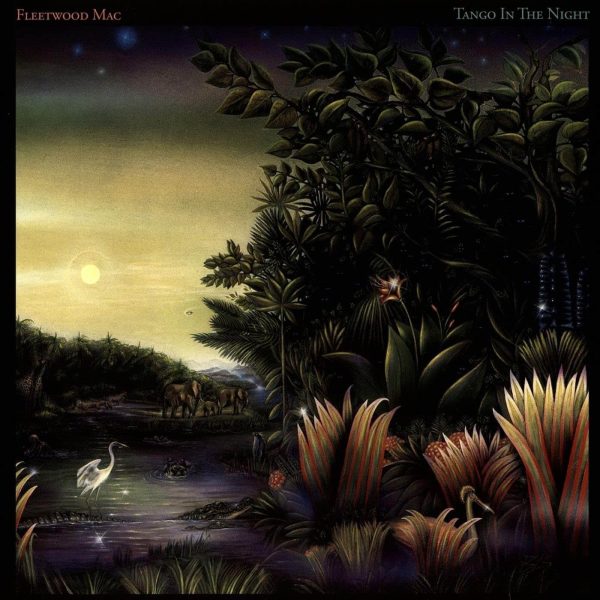
Fleetwood Mac Seven Wonders – Available on Amazon
Get Fleetwood Mac Seven Wonders (1987) on Vinyl or CD at Amazon
Affiliate Disclosure: I am an Amazon affiliate and if you purchase through any Amazon links on this site I may earn a small commission at no extra charge to you. This helps support classicrockartists.com. Thank you for your support!
Quick Navigation
What is the meaning of Fleetwood Mac Seven Wonders?
Seven Wonders explores the transformative power of love and wonder through Stevie Nicks’ signature mystical lens, comparing romantic devotion to the ancient Seven Wonders of the World while questioning whether such profound experiences can truly last forever in an impermanent world.
The Vibe: Genre, Mood, and Sound of Fleetwood Mac Seven Wonders
The track pulses with mid-tempo energy wrapped in layers of synthesizers and guitar shimmer.
- Genre: Pop rock with new wave influences and electronic production
- Mood: Mystical, romantic, wistful, and uplifting
- Tempo: Mid-tempo at approximately 120 BPM
- Best For: Late-night drives, nostalgic moments, or discovering 1980s production at its finest
- Similar To: Heart’s “Alone” meets The Bangles’ “Eternal Flame” with Fleetwood Mac’s signature polish
Behind the Lyrics: The Story of Fleetwood Mac Seven Wonders
Stevie Nicks penned Seven Wonders during the Tango in the Night sessions, a period when Fleetwood Mac was fracturing under personal tensions yet creating some of their most commercially successful music.
The song arrived at a pivotal moment in 1987 when the band was navigating the changing landscape of rock music.
Nicks drew inspiration from the ancient Seven Wonders of the World, using them as metaphors for the fleeting nature of beauty and achievement.
The lyrics reference the Colossus of Rhodes and other ancient marvels, asking whether love can endure when even the greatest monuments crumble.
According to Wikipedia, the song was written specifically for the Tango in the Night album and became one of its standout tracks.
The Tango in the Night album represented a creative renaissance for Fleetwood Mac after the experimental Tusk and the more subdued Mirage.
Lindsey Buckingham’s production genius transformed Nicks’ mystical lyrics into a radio-ready masterpiece.
The song’s chorus asks the central question: “So long ago, certain place, certain time, you touched my hand all the way, all the way down to Emmiline.”
Emmiline remains one of Nicks’ enigmatic references, never fully explained but adding to the song’s mysterious allure.
The track showcased Nicks’ ability to blend historical imagery with deeply personal emotion, much like she did in Fleetwood Mac Rhiannon over a decade earlier.
The recording sessions took place primarily at Lindsey Buckingham’s home studio in Los Angeles.
By 1987, the band members were rarely in the studio together, with Buckingham layering parts separately.
This isolation paradoxically created some of their most cohesive-sounding work.
Nicks has described the song as one of her favorites from the Tango in the Night era.
The track’s themes of impermanence resonated with the band’s own uncertain future at the time.
Technical Corner: The Gear Behind Fleetwood Mac Seven Wonders
Lindsey Buckingham produced Seven Wonders using cutting-edge 1980s technology at his home studio.
The Fairlight CMI synthesizer played a crucial role in creating the song’s distinctive atmospheric textures.
Buckingham layered multiple guitar parts using his signature fingerpicking technique on a Turner Model 1 electric guitar.
The drum programming came from a combination of live drums by Mick Fleetwood and electronic percussion.
Richard Dashut served as co-producer alongside Buckingham, helping shape the album’s polished sound.
The bass lines were performed by Buckingham himself, as John McVie’s contributions were limited during these sessions.
Christine McVie added keyboard layers using a Yamaha DX7 synthesizer, the defining keyboard sound of the 1980s.
Nicks recorded her vocals at multiple sessions, with Buckingham meticulously crafting the final vocal arrangement.
The production featured extensive use of the Lexicon 224 digital reverb unit, creating the song’s spacious ambience.
Buckingham employed his trademark technique of building songs layer by layer, often playing most instruments himself.
The guitar solo section showcases Buckingham’s melodic sensibility rather than technical showmanship.
Greg Ladanyi assisted with engineering, capturing the pristine sound quality that defined the album.
The mix balanced Nicks’ ethereal vocals against the dense instrumental arrangement without losing clarity.
Legacy and Charts: Why Fleetwood Mac Seven Wonders Still Matters
Seven Wonders peaked at number 19 on the Billboard Hot 100 in the United States.
The song reached number 56 on the UK Singles Chart, performing modestly compared to its American success.
In Canada, the track climbed to number 14, becoming a significant radio hit.
The Tango in the Night album achieved triple platinum certification in the United States.
The song became a staple of classic rock and adult contemporary radio formats throughout the 1990s and 2000s.
The accompanying music video received heavy rotation on MTV during the summer of 1987.
The video featured the band members performing separately, reflecting the fractured dynamics within the group.
Seven Wonders has been covered by various artists, though none achieved the commercial success of the original.
The song appeared in several television shows and films seeking to evoke 1980s nostalgia.
Watch the official music video on YouTube to experience the visual aesthetic that accompanied the song’s release.
The track demonstrated that Fleetwood Mac could adapt to 1980s production trends without losing their essential identity.
Modern streaming platforms have introduced Seven Wonders to new generations discovering Fleetwood Mac’s deeper catalog.
The song’s themes of impermanence and wonder remain universally relatable decades after its release.
Stevie Nicks occasionally performs the song during her solo tours, as documented in Stevie Nicks Tour 2025 coverage.
The track represents the final creative peak before Lindsey Buckingham’s departure from the band.
Listener’s Note: A Personal Take on Fleetwood Mac Seven Wonders
When I first heard this on vinyl in my college apartment, the opening synthesizer wash immediately transported me somewhere otherworldly.
The moment at 1:23 when Nicks’ voice soars on “all the way down to Emmiline” still gives me chills every single time.
There’s something about the production that feels both dated and timeless simultaneously.
The 1980s synthesizers clearly mark the era, yet the emotional core transcends any specific decade.
I’ve always been fascinated by how Buckingham’s guitar work weaves through the electronic elements.
His solo at 2:45 doesn’t try to dominate but instead complements Nicks’ mystical narrative.
The song works beautifully as both background music and focused listening.
On headphones, you discover new layers with each listen, particularly the subtle backing vocals.
Seven Wonders captures a specific moment when Fleetwood Mac was simultaneously falling apart and creating magic.
That tension between dissolution and creation permeates every note.
The song reminds me why Nicks remains one of rock’s most compelling storytellers, similar to the narrative depth found in Fleetwood Mac Sara.
Affiliate Disclosure: I am an Amazon affiliate and if you purchase through any Amazon links on this site I may earn a small commission at no extra charge to you. This helps support classicrockartists.com and allows me to keep providing deep-dive content on the legends of rock. Thank you for your support!
Collector’s Corner: Own Fleetwood Mac Seven Wonders on Vinyl or CD
The Tango in the Night album remains widely available on vinyl, CD, and digital formats, with remastered editions offering enhanced sound quality.
Original 1987 pressings have become sought-after collectibles among Fleetwood Mac enthusiasts.
Get Fleetwood Mac Seven Wonders (1987) on Vinyl or CD at Amazon
Frequently Asked Questions About Fleetwood Mac Seven Wonders
Who wrote Seven Wonders by Fleetwood Mac?
Stevie Nicks wrote Seven Wonders, with Sandy Stewart receiving co-writing credit.
The song emerged during the Tango in the Night album sessions in 1986 and 1987.
Lindsey Buckingham’s production transformed Nicks’ composition into the polished track fans know today.
What does Emmiline mean in Seven Wonders?
Stevie Nicks has never fully explained the meaning of Emmiline in the song’s lyrics.
The mysterious reference could be a person, place, or symbolic concept representing a destination or state of being.
This ambiguity is characteristic of Nicks’ songwriting style, similar to the enigmatic imagery in Fleetwood Mac Landslide.
Was Seven Wonders a hit for Fleetwood Mac?
Yes, Seven Wonders reached number 19 on the Billboard Hot 100 and became a top 20 hit in the United States.
The song performed well on adult contemporary and rock radio formats throughout 1987.
It was the third single released from the highly successful Tango in the Night album.
Did Fleetwood Mac perform Seven Wonders live?
Fleetwood Mac performed Seven Wonders during the 1987 Shake the Cage tour, though Lindsey Buckingham had already left the band.
Billy Burnette and Rick Vito replaced Buckingham on guitars for those performances.
Stevie Nicks has occasionally included the song in her solo concert setlists over the years.
The song’s complex production made it challenging to recreate live without extensive backing tracks.
You Might Also Like
This earlier Stevie Nicks composition shares the same ethereal quality and became the band’s only number one hit in America.
Stevie Nicks Stand Back (1983)
Another mid-1980s Nicks track featuring synthesizer-driven production and the same mystical energy that defines Seven Wonders.
Fleetwood Mac Gold Dust Woman (1977)
This darker Nicks masterpiece showcases her ability to blend mythology and personal experience into unforgettable rock poetry.
Fleetwood Mac Seven Wonders remains a testament to the band’s ability to evolve with changing musical landscapes while maintaining the emotional authenticity that made them legends.