

It’s So Easy by Guns N Roses: The Debut Single That Started Everything
It’s So Easy by Guns N Roses was the band’s very first single, it went nowhere on the charts, and it still became one of the most important songs in hard rock history.
That contradiction is, in many ways, the whole Guns N Roses story in miniature.
Table of Contents
What Is the Meaning of It’s So Easy by Guns N Roses?
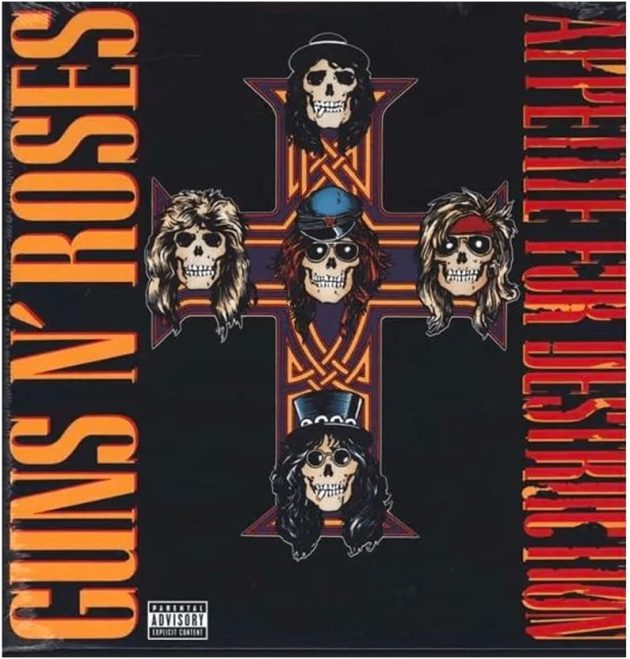
It’s So Easy by Guns N Roses is a hard rock track from the 1987 album Appetite for Destruction, written by bassist Duff McKagan and collaborator West Arkeen. The song is about the emptiness of the LA rock scene lifestyle, where the band had no money but an endless supply of groupies and hangers-on making everything feel deceptively effortless.
The Vibe and Genre
- Mood: Swagger, menace, hollow cool, street-level aggression
- Genre: Hard Rock, Glam Metal, Punk-influenced Rock
- Tempo: Mid-paced with a heavy, lurching groove
- Best For: Pregame playlists, driving hard, reliving the 80s Sunset Strip
- Similar Artists: AC/DC, Aerosmith, The Rolling Stones
Behind the Lyrics
It’s So Easy began life as something completely unrecognizable from the final recording, a gentle acoustic folk-country tune co-written by Duff McKagan and his neighbor West Arkeen, who lived in the apartment next to McKagan in Los Angeles.
Axl Rose described the original version in a 2006 Eddie Trunk interview, recalling that it had a country inflection and lyrics about seeing a sister in a Sunday dress, nothing at all like the coiled, threatening track it eventually became.
The transformation happened when Slash heard the song and decided it should become hard rock, a call that turned out to be one of the more consequential production decisions in the band’s early career.
It’s So Easy is the track I put on when I want to understand what made Guns N Roses genuinely different from every other band on the Sunset Strip in 1987. There is a quality to Duff McKagan’s bass intro that sounds like trouble arriving rather than music starting, and Axl’s vocal delivery in the verses has an almost contemptuous drawl that no one else in that scene could quite replicate. It sounds like a dare more than a song.
The lyrics document a specific and honest moment in the band’s pre-fame life, when they had no money but a growing reputation on the LA club circuit was producing other kinds of rewards in abundance.
McKagan has said the song is about a time when everything was just too easy, when there were no real consequences yet, and when that absence of resistance started to feel empty rather than exciting.
Axl framed it in 1987 as art in the same way a beautiful symphony is art, noting that documenting ugly truth with the same commitment that others bring to elevated forms is just as valid a creative act.
Technical Corner: The Gear
McKagan has credited West Arkeen specifically with teaching him open-E tuning on guitar, which became the defining sonic foundation of the track and is the reason Arkeen received a co-writing credit despite the song being recorded by GNR without him as a band member.
Slash’s guitar work on the track uses the same aggressive pickup-driven tones found throughout Appetite for Destruction, played through a Marshall amplifier stack that characterized the album’s wall-of-sound approach, and his arrangement of the original acoustic riff into the rock version was the creative decision that made the song what it is.
Appetite for Destruction was produced by Mike Clink and recorded primarily at Take One Studio and Can-Am Studios in Los Angeles during 1986 and early 1987, capturing the band at a moment when they were still genuinely broke and playing clubs but already developing the sound that would make them the biggest rock band in the world within a year of the album’s release.
The recording features Steven Adler on drums, who would later be replaced by Matt Sorum, and his loose, rolling groove is a crucial and often underappreciated part of what makes the Appetite for Destruction tracks hit the way they do.
Legacy and Chart Impact
Released as GNR’s first single on June 8, 1987 in the UK as a double A-side with Mr. Brownstone, It’s So Easy reached only number 84 on the UK Singles Chart and failed to chart at all in the United States.
Appetite for Destruction itself sold slowly for over a year before Welcome to the Jungle began receiving heavy MTV rotation in late 1987, after which the album climbed to become the best-selling debut record in US history, eventually moving over thirty million copies worldwide and making It’s So Easy a de facto classic simply by appearing on it.
The song has since become one of GNR’s traditional live openers, with West Arkeen’s Wikipedia page noting that Guns N Roses traditionally open their live shows with It’s So Easy, a remarkable legacy for a track that barely registered on release.
Arkeen, who died of a drug overdose on May 30, 1997, left behind a songwriting fingerprint that extends across Patience, Yesterdays, Bad Obsession, and several other GNR catalog entries, and McKagan honored that partnership by naming his 2011 memoir It’s So Easy: And Other Lies.
The It’s So Easy Music Video
The music video was shot on October 10, 1989 at the Cathouse nightclub in Hollywood, directed by Nigel Dick, more than two years after the single’s original release.
Listener’s Note
It’s So Easy rewards the listener who takes it as a document rather than just a song.
This is a band telling you exactly who they were and where they came from before success turned everything into mythology, and the honesty of that is what has kept the track sounding fresh long after cleaner, slicker songs from the same era have aged badly.
It opens with one of the most menacing bass intros in rock history and delivers exactly what that intro promises.
Collector’s Corner
Appetite for Destruction is one of the five or ten rock albums you simply have to own on vinyl if you care about the form, and It’s So Easy as track two is one of the reasons the album still sounds dangerous more than three decades after its release.
The original 1987 pressings have become collector’s items, but any pressing of this record sounds massive on a decent system.
Browse all Guns N Roses albums and merch on Amazon.
FAQ: It’s So Easy by Guns N Roses
Who wrote It’s So Easy by Guns N Roses?
It’s So Easy was co-written by Duff McKagan and West Arkeen. Arkeen received the writing credit in part because he taught McKagan the open-E guitar tuning that became the song’s defining sonic foundation.
What album is It’s So Easy on?
It’s So Easy appears on Appetite for Destruction, released July 21, 1987 by Geffen Records. It is the second track on the album, following Welcome to the Jungle.
Was It’s So Easy a hit when it was released?
No. It’s So Easy reached only number 84 on the UK Singles Chart as a double A-side with Mr. Brownstone and failed to chart in the United States. It became well known only after Appetite for Destruction began its slow climb following the breakthrough of Welcome to the Jungle in late 1987.
What is It’s So Easy by Guns N Roses about?
The song documents a period when the band had no money but a growing reputation on the LA club scene was providing them with an excess of female attention and hangers-on. McKagan has described it as being about the emptiness that comes with that kind of effortless access.
Who originally wrote It’s So Easy as a country song?
Duff McKagan and West Arkeen wrote the original acoustic version, which Axl Rose described in a 2006 interview as a hippie ya-ya country song. Slash was responsible for deciding to transform it into a hard rock track.
What happened to West Arkeen?
West Arkeen died on May 30, 1997 at his Los Angeles home from a drug overdose. He was 36 years old. In addition to It’s So Easy, he co-wrote Patience, Yesterdays, Bad Obsession, and The Garden for Guns N Roses.
Is It’s So Easy still played live by Guns N Roses?
Yes. It’s So Easy is traditionally used as a GNR live show opener and has remained in the setlist across virtually every era of the band’s history. Check the latest GNR 2026 tour dates for upcoming shows.
Did Duff McKagan name a book after It’s So Easy?
Yes. McKagan’s 2011 memoir is titled It’s So Easy: And Other Lies, a direct reference to the song he co-wrote with West Arkeen during his early LA days with the band.