

Jim Messina stands as one of rock music’s most technically precise and melodically innovative figures.
From his early achievements as a teenaged surf-rock guitarist to his peak successes as a multi-platinum producer and performer, Jim Messina’s journey has been a masterclass in professional versatility.
Even as he tours the United States in 2026, this American musician continues to inspire millions with his signature country-rock sound and unwavering dedication to the technical craft of audio engineering.
His career represents a rare confluence of artistic vision and engineering discipline, often described as having been on both sides of the glass as both a producer and a performer.
As a founding member of Poco and one half of the legendary duo Loggins and Messina, his work defined the acoustic-electric balance of the 1970s.
Throughout his five-decade tenure in the industry, Jim Messina has navigated the transition from the folk-rock experimentation of the late sixties to the sophisticated soft-rock of the seventies and the jazz-inflected solo explorations of the eighties.
His influence is not merely restricted to the charts; it is woven into the very fabric of the California Sound that remains a staple of classic rock radio today.
This article provides an exhaustive analysis of the life, gear, and enduring impact of the legendary Jim Messina.
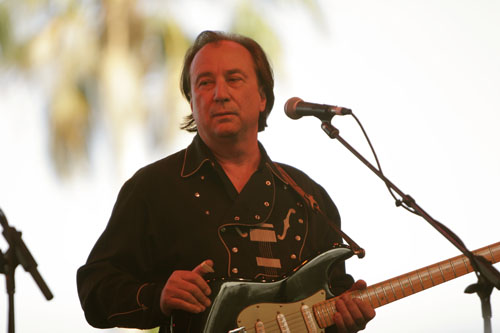
Photo: Jim Messina performing live during his 2026 tour.Image credit: https://commons.wikimedia.org/wiki/File:JimMessina(by_Scott_Dudelson).jpg
📚 Table of Contents
I am an Amazon affiliate. If you purchase music or gear through the links in this article, I may earn a commission at no extra cost to you.
Early Life and Musical Beginnings
Jim Messina was born as James Melvin Messina on December 5, 1947, in Maywood, California.
His path to musical greatness began at age five when he first picked up a guitar.
He was raised in Harlingen, Texas, until the age of eight.
His childhood was split between his mother in Texas and his father’s home in California.
His father was a semi-professional guitarist who served as his primary influence.
By his teenage years, he was already captivated by the music of Elvis Presley and Ricky Nelson.
He moved back to California and became a student of the surf-rock phenomenon.
He spent hours studying the tones of legends like Dick Dale and the Champs.
Jim Messina began building radios and experimenting with electronic circuits by age eleven.
This technical curiosity allowed him to understand music as a product of physical engineering.
He developed a disciplined approach to practice and a deep understanding of music theory.
His father’s strict Italian upbringing instilled a professional work ethic.
By his early teenage years, he was already leading his own bands in Southern California.
This early exposure helped him develop a sophisticated sense of live production.
The mix of rural Texas influences and California surf culture created a unique creative tension.
This duality is the origin of the country rock sound he would later pioneer.
He recalls being fascinated by studio sound manipulation before he had professional gear.
Jim Messina apprenticed himself to the study of the guitar with extreme precision.
He treated the instrument with the same care as the electronic components he built.
This early period was marked by a relentless drive to master the music industry.
Jim Messina and His Jesters (1964)
Jim Messina was a seasoned bandleader by the time he reached high school.
He formed a group called The Boutonnieres in the summer of 1962.
This band evolved into The Pendletons during his freshman year of school.
The final incarnation of this period was Jim Messina and His Jesters.
In November 1964, a sixteen-year-old Jim Messina led the group into the studio.
They recorded their first full-length LP entitled The Dragsters.
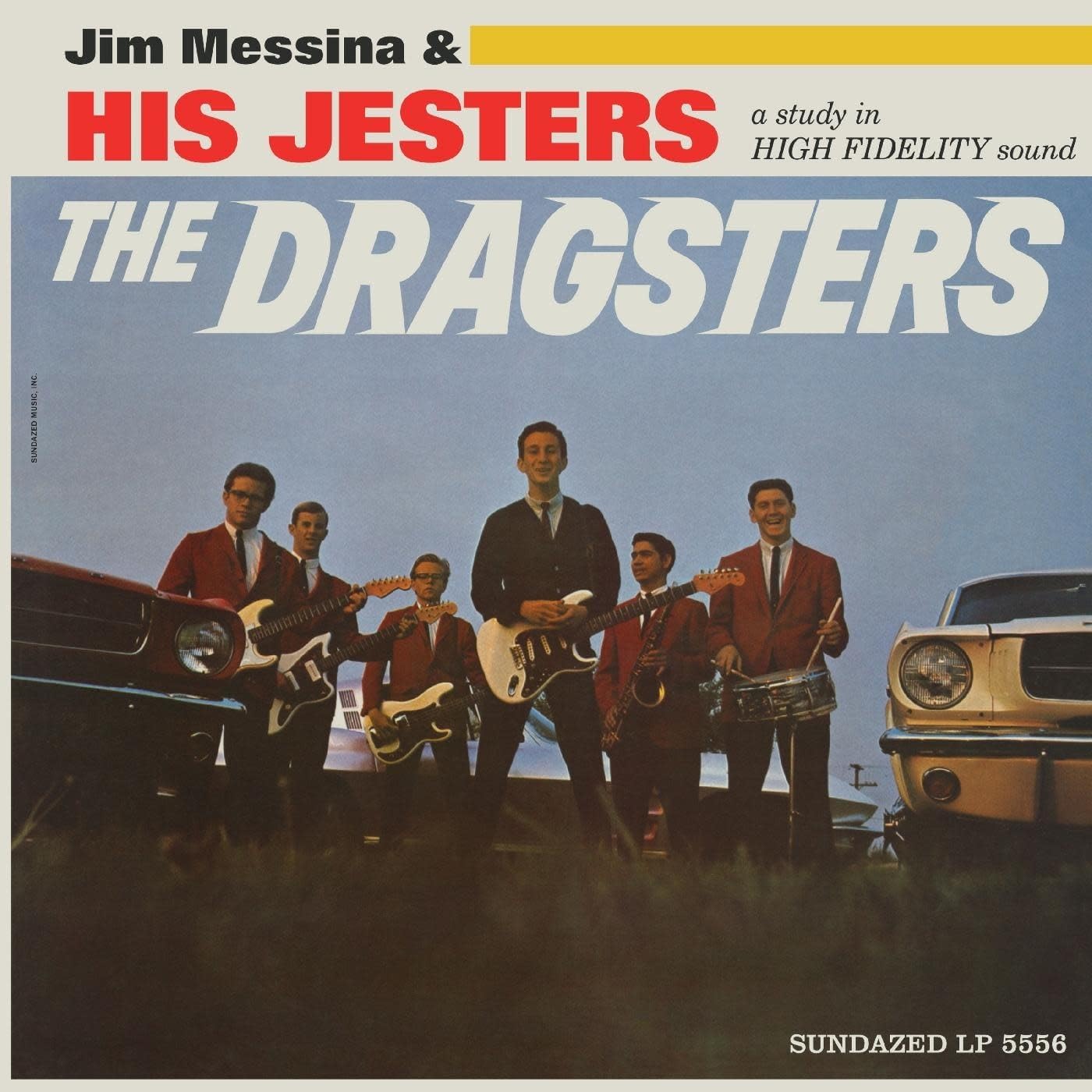
The album captured the glory of the surf-music boom with remarkable technical skill.
The title track became a regional favorite and a surf-rock classic.
However, the surf craze was being displaced by the British Invasion and folk-rock.
He made a strategic decision to pivot away from the stage and into the studio.
Jim Messina realized that career longevity depended on technical engineering skills.
He began apprenticing under the renowned audio engineer Mike Dorrough.
Under this mentorship, he learned the intricacies of the recording console.
He worked with acclaimed session musicians like drummer Earl Palmer and bassist Joe Osborne.
Jim Messina recalls that these professionals could read music charts with ease.
This behind-the-scenes education provided him with a massive competitive advantage.
He worked at Hollywood’s Sunset Sound producing albums for music legends.
By the age of seventeen, he was already being asked to produce albums for others.
His transition from a surf-rock teen to an engineer was a calculated move.
The technical discipline he acquired laid the groundwork for his future innovations.
Buffalo Springfield: The Production Genius of Jim Messina
In 1966, the career of Jim Messina intersected with folk-rock legends Buffalo Springfield.
He was initially hired as a recording engineer for Buffalo Springfield Again.
The group featured massive talents like Stephen Stills and Neil Young.
Despite their brilliance, the band was plagued by internal tensions and personnel changes.
Jim Messina became an invaluable asset due to his technical precision and calm demeanor.
When founding bassist Bruce Palmer was deported, the band faced a crisis.
Jim Messina decided to audition for the bass vacancy himself.
Although he was a lead guitarist, he had received bass pointers from Joe Osborne.
After only eight bars, Neil Young gave him a look of approval that secured the job.
He was hired as a permanent replacement on bass for the group.
During the recording of Last Time Around, he was both producer and bassist.
He was instrumental in ensuring the album was completed as the band disintegrated.
His production on tracks like “Kind Woman” helped define a smooth country-rock sound.
The album is widely regarded as the most professionally produced of their releases.
His work on the Buffalo Springfield catalog earned him a reputation as a wunderkind.
He toured with the group throughout early 1968 and supported the Beach Boys.
Buffalo Springfield was eventually inducted into the Rock and Roll Hall of Fame in 1997.
His experience taught him how to balance massive egos with high technical standards.
Following the band’s dissolution, he decided to remain partners with Richie Furay.
For more details on this era, see the story of Buffalo Springfield members.
Poco: Jim Messina and the Country Rock Revolution
In 1968, Jim Messina and Richie Furay formed the pioneering band Poco.
The group was initially named Pogo after a popular comic strip.
Along with Rusty Young, the band aimed to marry rock with country influences.
Jim Messina switched back from bass to lead guitar for this new project.
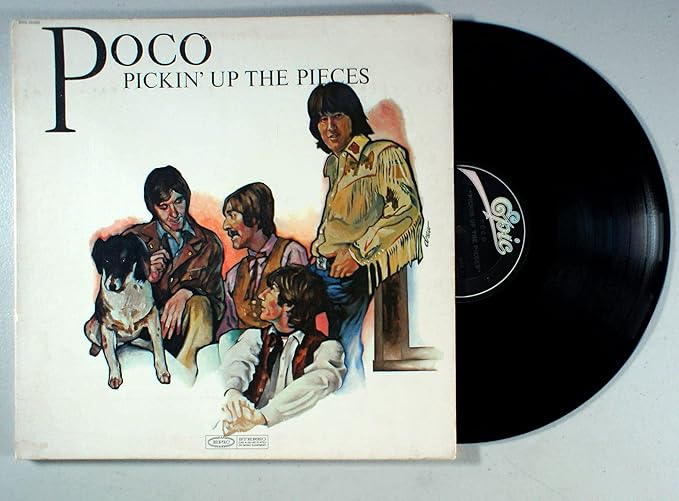
Their debut album, Pickin’ Up the Pieces, is a landmark in country rock.
It is the only debut album to receive a perfect rating from Rolling Stone magazine.
The album set the blueprint for a genre later populated by the Eagles.
Jim Messina’s guitar work bridged the gap between Nashville and Hollywood.
The band nurtured the talents of future Eagles Randy Meisner and Timothy B. Schmit.
Poco delivered tight, highly rehearsed performances that stunned the industry.
Despite critical acclaim, their initial commercial success was quite modest.
On their self-titled second album, Jim Messina served as both producer and writer.
He penned the band’s first hit single entitled “You Better Think Twice.”
A copy of this album now hangs in the Country Music Hall of Fame in Nashville.
However, the relentless schedule of touring began to weigh heavily on him.
He suffered from exhaustion and wanted to return to producing music.
Jim Messina left Poco to sign as an independent producer with Columbia Records.
He left behind a legacy of innovation that changed American rock music.
His work proved that rock could embrace country instrumentation without losing its edge.
The precision of his arrangements established him as a master of the recording process.
Loggins and Messina: The Duo That Defined an Era
In November 1970, Jim Messina was asked to work with an unknown Kenny Loggins.
Loggins was a staff songwriter who had never performed professionally before.
Jim Messina initially signed on strictly as a producer for Loggins’ first album.
They began recording Loggins’ compositions in Messina’s own living room.
He felt that Loggins’ music leaned too heavily toward traditional folk.
He suggested adding more upbeat material to help Loggins gain pop appeal.
Jim Messina contributed so much in terms of arrangement that a duo was born.
The result was the 1971 album Kenny Loggins with Jim Messina Sittin’ In.
The album gained traction on college campuses and launched an accidental duo.
Over the next seven years, Loggins and Messina became massive recording stars.
They released nine albums and sold over 16 million records worldwide.
Their style encompassed folk, country-rock, jazz, and even classical influences.
Their most enduring hit, “Your Mama Don’t Dance,” reached number four on the charts.
Jim Messina ensured their music was among the most finely produced soft rock.
They became a major live draw and sold out arenas across the globe.
However, the initial teacher-apprentice relationship evolved into a competitive dynamic.
By 1976, both artists felt ready to pursue their own solo directions.
The duo amicably parted ways following the release of the album Native Sons.
Jim Messina’s role remains his most commercially significant achievement to date.
Their harmonies and intricate acoustic work continue to influence the genre today.
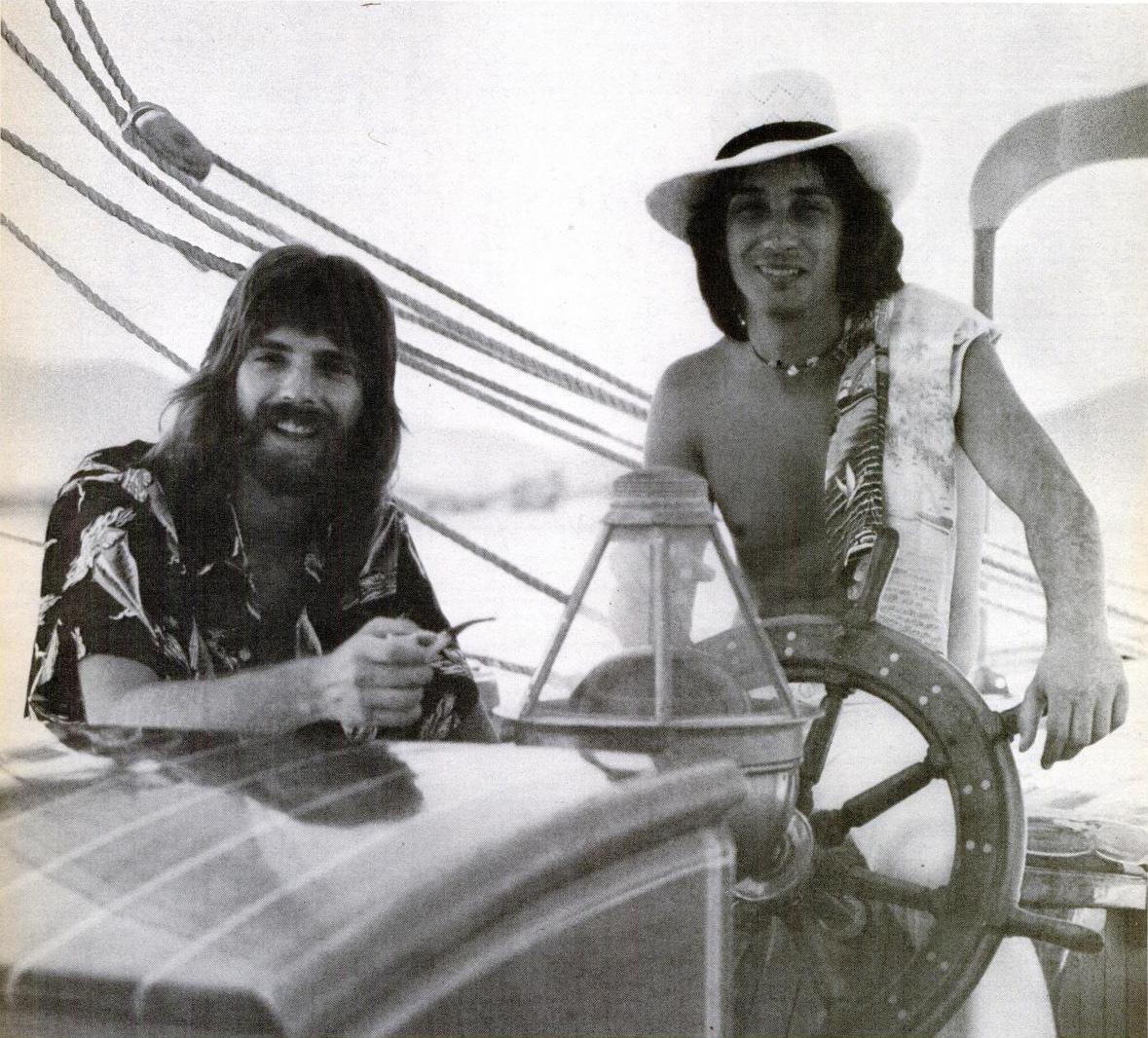
Photo: Loggins and Messina in a 1973 trade advertisement. Image credit: https://commons.wikimedia.org/wiki/File:Loggins_and_Messina_(1973).jpg
The Mother Lode Ranch: A Masterclass in Jim Messina’s Engineering
Jim Messina decided to move away from Los Angeles at the height of his success.
He purchased a 20-acre ranch in Ojai, California, for 200,000 dollars.
He renamed it the Mother Lode Ranch and converted the barn into a studio.
This move was driven by a desire for complete artistic independence.
The Mother Lode Ranch served as the site for three hit albums between 1974 and 1976.
Jim Messina utilized a mobile unit known as Haji Sound for these sessions.
The 1974 album Mother Lode is frequently cited as an audiophile masterpiece.
Critics have described the sound as having Demo Disc quality and clarity.
Jim Messina’s mandolin solo on “Be Free” is legendary for its plucked energy.
The studio setup allowed the band to record as a tight, self-contained unit.
His engineering philosophy emphasized top-end extension and absolute transparency.
He worked closely with engineer Alex Kazanegras to capture high-fidelity sounds.
The personnel for these sessions included future Toto keyboardist David Paich.
Jim Messina took a hands-on approach to every aspect of the studio setup.
He spent nights studying power transformers to improve his overall productions.
The ranch recordings represent the absolute pinnacle of the California sound.
His work proved that high-quality music could be made outside of major hubs.
The ranch became a creative sanctuary for experimenting with complex arrangements.
Today, these recordings are still used by engineers as reference points.
Jim Messina’s ability to capture presence through engineering is a defining legacy.
He eventually relocated his world-class studio to Franklin, Tennessee.
The ranch recording credit on his albums is a badge of sonic excellence.
Jim Messina remains a technical master of the recording arts today.
Solo Explorations: The Jim Messina Jazz-Rock Pivot
Following the duo’s split in 1976, Jim Messina launched a vibrant solo career.
His solo debut, Oasis (1979), marked a shift toward Latin rock and jazz fusion.
The album featured complex arrangements and a sophisticated musical sound.
Jim Messina toured to support the record, which sold about 150,000 copies.
However, record label executives felt the new direction wasn’t commercial enough.
The lack of promotional support led to the album stalling on the charts.
In 1981, he released an eponymous solo album entitled Messina.
This was followed in 1983 by One More Mile, which leaned toward a rock sound.
Despite finding limited popularity in the eighties, these albums are critically acclaimed.
Jim Messina’s solo work highlights his versatility as a master guitarist.
He incorporates flamenco techniques and jazz phrasing into his modern style.
He released the retrospective Watching the River Run in 1996.
In 2009, he released Under a Mojito Moon-Part 1 featuring Flamenco guitar.
Throughout his solo career, Jim Messina has maintained his signature sound.
He has famously turned down producers who tried to force him into a pop mold.
His solo discography is a testament to his evolution as a musical architect.
He continues to record and perform his solo works on his current tours.
His solo albums represent a chronology of discovery for the veteran artist.
Jim Messina notes that he enjoys the freedom of the solo stage today.
His work in the late seventies bridged the gap to his career revival.
The sublime Latin rock of Oasis remains a favorite among hardcore fans.
He has released more than eight solo albums to date.
Jim Messina remains a class act on stage with a very tight band.
Later Career: The Poco Legacy Reunion
One of the most significant moments was the 1989 reunion of Poco.
The original lineup returned to the studio to record the album Legacy.
This project featured the hit single “Call It Love,” which reached number 18.
Jim Messina contributed guitar, mandolin, and lead vocals to the reunion project.
The Legacy tour of 1990 saw the band performing to sold-out audiences.
Jim Messina describes the reunion experience as truly magical for the band.
It marked the first time Randy Meisner recorded with them under the name Poco.
Following the tour, Jim Messina continued to perform with his own groups.
In 2004, a benefit concert led to a surprise reunion with Kenny Loggins.
Loggins noted that the vocal harmonies struck a spark he had forgotten.
This led to the successful Sittin’ In Again reunion tours in 2005 and 2009.
Jim Messina has since formed his current band, The Road Runners.
He moved his home and studio to Franklin, Tennessee, to stay near the industry.
His latest live release, In the Groove, features selected hits from his career.
He continues to tour the country playing shows faithful to the originals.
Jim Messina’s late-career activity is characterized by a discovery of self.
He remains a legend who has sold over 20 million albums in total.
The reunion with Poco in 1989 is seen as a timeless masterpiece.
Jim Messina’s ability to bridge the gap between decades is a major success.
He still feels very inspired every day to create and perform.
Jim Messina and the Songwriters’ Performance Workshop
In January 1996, Jim Messina established the Songwriters’ Performance Workshop.
The goal is to empower amateurs to let go of fear and embrace joy.
Jim Messina facilitates intensive sessions at various retreats across the country.
The workshop is offered in both Four Day and Six Day Intensive formats.
The Four Day Intensive is geared toward professional and amateur songwriters.
Thursday sessions focus primarily on the craft of writing effective songs.
By Friday, students begin performing their compositions in a safe environment.
The Six Day Intensive offers a deeper dive into technical arrangements.
Students perform their original music in a Writers in the Round format.
Jim Messina believes a songwriter must understand both emotional and technical dimensions.
The workshop has helped hundreds of musicians overcome stage fright hurdles.
He often uses his own hit songs to demonstrate pop-rock transformations.
Participants receive direct feedback from Jim Messina as a master producer.
This mentorship role is a natural extension of his storied career.
Jim Messina’s commitment to education reflects his lifelong pursuit of knowledge.
He believes sharing stories is essential for preserving a musical legacy.
The Songwriters’ Performance Workshop remains a highly respected institution today.
His philosophy of embracing joy is the driving force behind the success.
He continues to lead these sessions between his 2026 tour dates.
The workshop provides a space where poets can journey together.
Awards and Major Recognition
Jim Messina’s legacy is defined by a series of high-profile honors.
He is part of Buffalo Springfield, which was inducted into the Rock and Roll Hall of Fame.
His work with Poco is commemorated in the Country Music Hall of Fame.
Jim Messina is a Grammy Award Nominated guitarist and songwriter.
He has earned four certified Platinum and two certified Gold albums.
Loggins and Messina were nominated for Best New Artist at the 1973 Grammys.
His single “Your Mama Don’t Dance” earned an RIAA Gold award in 1973.
In 2026, he was honored with induction into the People’s Music Hall of Fame.
His production work has been lauded as a masterclass in recording.
He has sold more than 20 million albums throughout his storied career.
The album Pickin’ Up the Pieces received a perfect rating from Rolling Stone.
Jim Messina’s technical contributions include building several Hollywood studios.
He has been recognized by Radial Engineering for his studio gear expertise.
In 2022, he received the Music For Life Award for musical excellence.
His legacy of musical genius spans five decades and three supergroups.
He consistently produced gold and platinum records for Columbia Records.
Jim Messina is considered a founding father of the country rock genre.
His work has been covered by major artists including Anne Murray and Poison.
He remains a class act whose career is a blueprint for success.
His induction into multiple halls of fame solidifies his iconic status.
Essential Jim Messina Albums
For any serious fan of classic rock, Jim Messina’s discography is essential.
His work spans from folk-rock to country-rock and massive pop success.
The following albums are considered mandatory for understanding his impact,
Full Disclosure: I am an Amazon affiliate, any purchases made through these links will provide me a small commission at no extra charge to you.
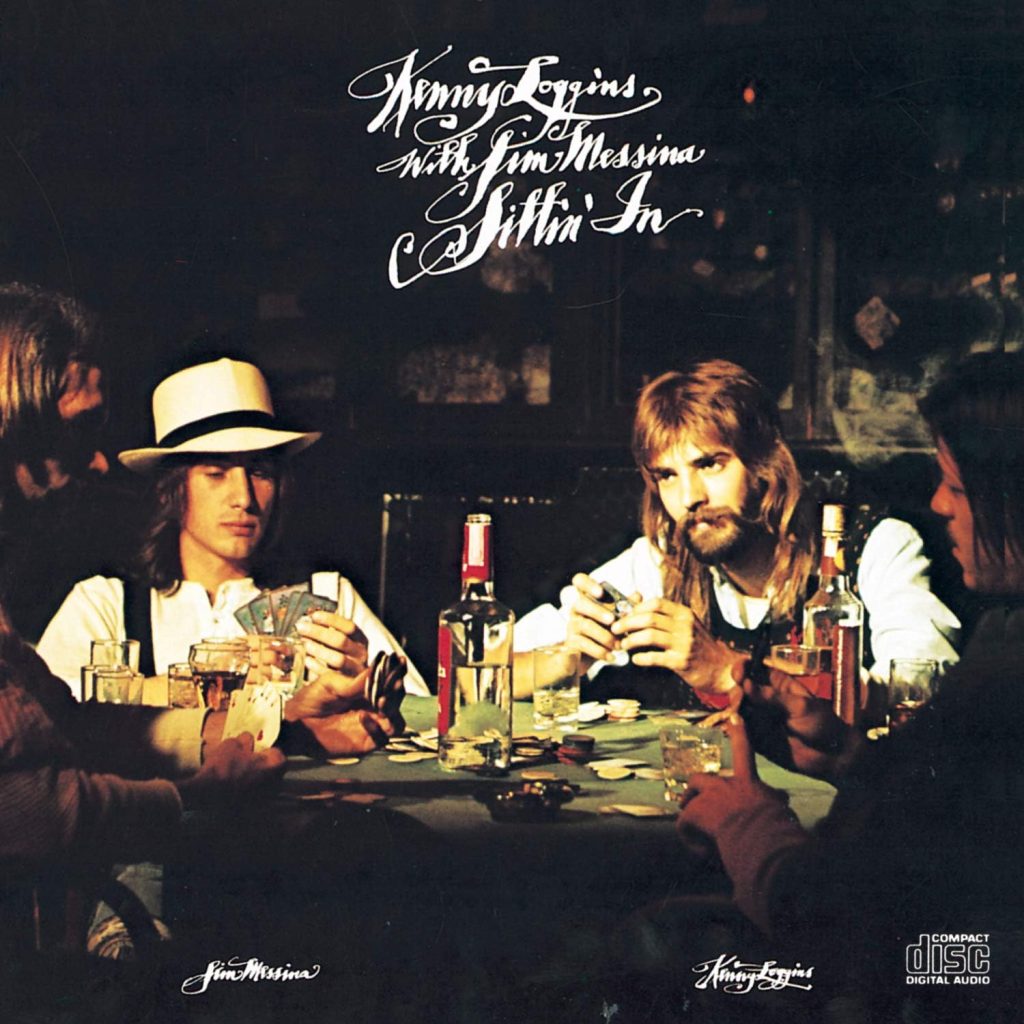
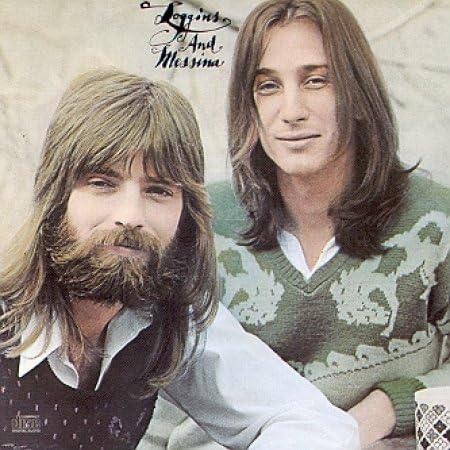
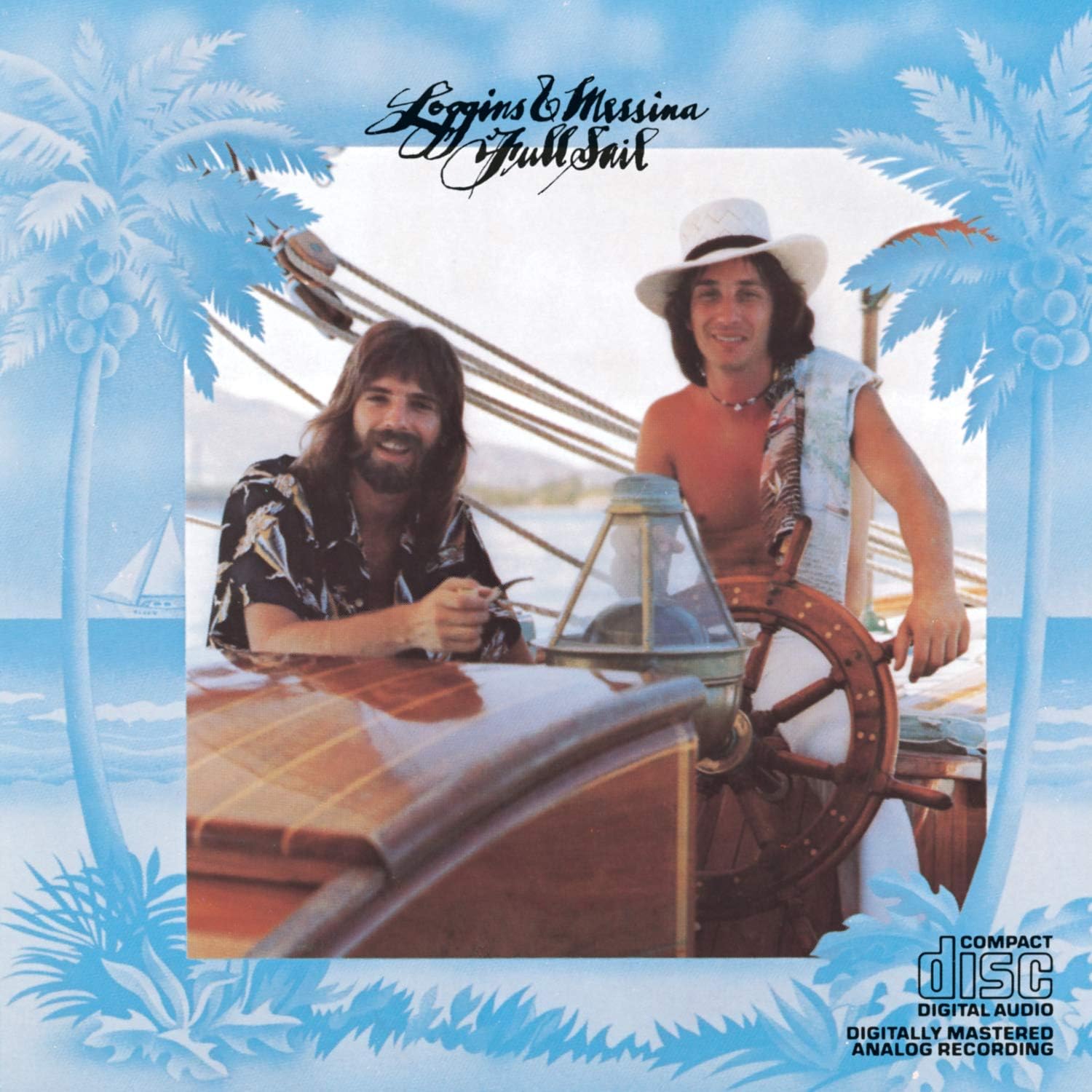
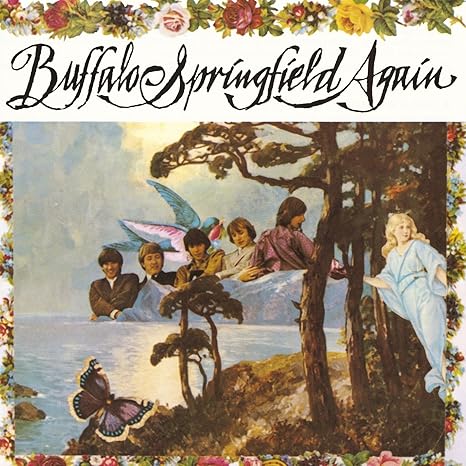
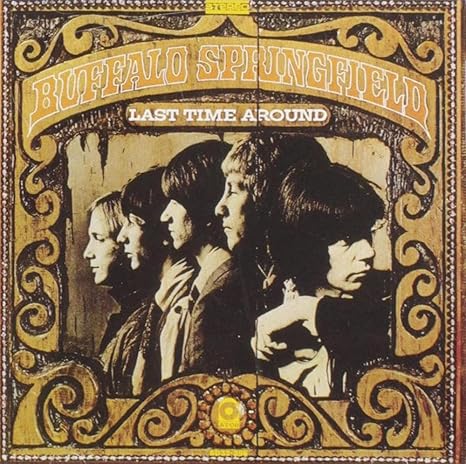
Own these legendary recordings through our Amazon affiliate links above.
You can also find the Best Of Buffalo Springfield: The Retrospective at this link.
The What’s That Sound – Complete Albums Collection is available here.
2026 Updates and Tour Dates
In 2026, Jim Messina continues to be a major force on the live circuit.
He is currently touring with his band, The Road Runners, across America.
The lineup features elite musicians who live near his home in Tennessee.
The band includes Steve Nieves on saxophone and Jack Bruno on drums.
Jim Messina performs on lead guitar and mandolin during the shows.
The 2026 setlist is a comprehensive retrospective of his entire career.
Fans can expect to hear classics like “Angry Eyes” and “Your Mama Don’t Dance.”
In April 2025, the band released the live album Here, There and Everywhere.
He uses a specialized Roland Stratocaster that handles five different tunings.
This innovation allows him to move seamlessly between musical genres.
His current touring schedule involves performing about 10 days each month.
When not on the road, he spends time in his Franklin home studio.
The 2026 tour has been praised for its high-energy freight train delivery.
Tickets are available through major platforms like Ticketmaster and Live Nation.
Average ticket prices range from 45 dollars to over 290 dollars for VIP.
Jim Messina remains a must-see act for fans of the classic rock era.
Frequently Asked Questions
Q: Is Jim Messina still active in the music industry in 2026?
A: Yes, Jim Messina is actively touring with his band, The Road Runners, and producing new recordings.
Q: What was Jim Messina’s role in Buffalo Springfield?
A: He served as the recording engineer and producer before joining as the band’s permanent bassist.
Q: What is Jim Messina’s most successful album?
A: Commercially, Loggins and Messina sold over 16 million records, with their 1972 self-titled album being a peak.
Q: Does Jim Messina still use his vintage Fender Telecaster?
A: He now frequently uses a Roland Stratocaster and Taylor acoustic models for his live performances.
Q: What happened to the Mother Lode Ranch?
A: Jim Messina moved to Tennessee in the mid-2010s, though the ranch remains a historical recording landmark.
Jim Messina’s career is a testament to the power of technical mastery and artistic curiosity.
From the reverb-soaked surf tunes of 1964 to the multi-platinum pop of the 1970s and the sophisticated jazz-rock of the 2020s, Jim Messina has remained a vital force in American music.
His dual legacy as a pioneering producer and a world-class performer ensures his place among the giants of classic rock.
Whether he is engineering a new project or performing for a sold-out crowd in 2026, Jim Messina continues to be a master of the California sound.
His journey from a young boy in Texas to a Rock and Roll Hall of Fame inductee is a permanent inspiration for musicians and engineers alike.
The music world is undoubtedly richer because of the innovative contributions and professional excellence of Jim Messina.
I am an Amazon affiliate. By purchasing music through the links provided, you help support the creation of in-depth articles like this.