

King Crimson Epitaph: The 7 Prophetic Secrets Behind This Haunting!
King Crimson Epitaph stands as one of the most emotionally devastating and lyrically prophetic songs ever recorded in progressive rock history.
Released in October 1969, this haunting eight-minute opus helped define the nascent progressive rock movement while delivering a Cold War warning that remains chillingly relevant more than five decades later.
You’re about to discover the hidden meanings behind Peter Sinfield’s apocalyptic lyrics, the revolutionary Mellotron techniques that created its otherworldly atmosphere, and why Greg Lake’s vocal performance remains unmatched in prog rock.
The song appeared on the band’s groundbreaking debut album In the Court of the Crimson King, which reached number 5 on the UK Albums Chart and achieved Gold certification in the United States.
What makes this deep dive different is the level of detail we’ve uncovered about the recording sessions, the biblical references embedded in the lyrics, and the song’s remarkable journey from Hyde Park to worldwide recognition.
King Crimson Epitaph represents the perfect fusion of musical innovation and poetic vision that continues to influence artists across generations.
🎸 Experience King Crimson Epitaph in Audiophile Quality
Limited 200-gram remastered pressings delivering unparalleled sonic clarity.
Hear every haunting Mellotron note exactly as the band intended.
Don’t miss your chance to own this landmark progressive rock masterpiece.

📋 Table of Contents [+]
King Crimson Epitaph Overview: Origin Story and Creation
King Crimson Epitaph emerged during the summer of 1969, a pivotal moment when the band was crystallizing its revolutionary sound just months after forming in January of that year.
The original lineup had only been together for six months when they began recording sessions that would produce one of progressive rock’s defining statements.
The late 1960s represented a period of immense cultural upheaval, with the Cold War casting its shadow over a generation grappling with the threat of nuclear annihilation, the Vietnam War, and sweeping social change.
King Crimson began formally rehearsing on January 13, 1969, and by July they were recording Epitaph at Wessex Sound Studios in London, with the song taking shape through multiple takes between July 7 and July 30.
The Writing Process and Inspiration
The music for Epitaph was composed collaboratively by Robert Fripp, Ian McDonald, Greg Lake, and Michael Giles, while the haunting lyrics were penned entirely by Peter Sinfield.
Sinfield’s inspiration drew heavily from the existential dread of the Cold War era, channeling anxieties about nuclear war and humanity’s self-destructive tendencies into poetic verse.
The opening imagery of prophets’ writings cracking at the seams references the biblical story of Daniel 5, where mysterious writing appears on a wall foretelling doom.
Sinfield was known for his surreal, visionary lyrics that often incorporated fantasy elements and profound philosophical observations about human nature.
The band worked through multiple versions of the song, with early takes recorded during aborted sessions with producer Tony Clarke in early July before the band made the unusual decision to self-produce their debut album.
Band Context During Recording
The original King Crimson lineup consisted of Robert Fripp on guitar, Ian McDonald on reeds, woodwind, vibes, keyboards, and Mellotron, Greg Lake on bass guitar and lead vocals, Michael Giles on drums and percussion, and Peter Sinfield handling lyrics and visual illuminations.
Despite being together for less than a year, the band had already earned a reputation as Britain’s most exciting new group through their incendiary live performances at venues like the Marquee Club.
This represented a remarkable period of creative synergy, though creative tensions and the intensity of touring would ultimately lead to the departure of McDonald and Giles by the end of 1969.
The collaborative nature of the composition, with all five members receiving writing credits, reflects the democratic spirit of the band’s early days.
💡 Did You Know?
King Crimson performed Epitaph at the legendary Hyde Park concert on July 5, 1969, opening for the Rolling Stones in front of an estimated 500,000 people. This was only the band’s seventh live performance ever, and they hadn’t yet released a single record. The concert helped launch them onto the international stage, with audience members returning to their home countries spreading word of this extraordinary new band.
Complete Musical Breakdown of King Crimson Epitaph
King Crimson Epitaph showcases the band’s unique ability to blend symphonic grandeur with raw emotional power, creating a sonic landscape that was unprecedented in 1969.
The song runs approximately 8 minutes and 47 seconds, featuring a tempo around 128-132 BPM in 4/4 time signature, written primarily in the key of E minor.
Song Structure and Composition
The full title of the track is “Epitaph (including ‘March for No Reason’ and ‘Tomorrow and Tomorrow’),” indicating its multi-part progressive structure that seamlessly weaves together distinct musical themes.
The composition opens with cascading Mellotron strings that immediately establish an atmosphere of mournful grandeur and impending doom.
Unlike typical pop songs of the era, Epitaph follows an unconventional structure that prioritizes emotional arc over verse-chorus repetition, allowing the music to breathe and develop organically.
The song features abrupt tempo changes, shifting dynamics from whispered introspection to thundering climaxes, and time signature variations that create a constant sense of tension and release.
The integration of the “March for No Reason” and “Tomorrow and Tomorrow” sections demonstrates the band’s ambition to create extended works that functioned more like classical movements than rock songs.
Instrumentation and Performance Details
The Mellotron, played by Ian McDonald, serves as the song’s dominant instrument, providing those signature orchestral swells that would influence countless progressive rock bands.
Robert Fripp’s guitar work on Epitaph is remarkably restrained compared to the aggressive assault of “21st Century Schizoid Man,” instead providing subtle harmonic support and occasional melodic counterpoints that enhance the song’s melancholic atmosphere.
Greg Lake’s bass guitar provides a solid melodic foundation while maintaining the song’s emotional gravity, with his lines weaving seamlessly between the Mellotron textures.
Michael Giles contributes sensitive, dynamic drumming that shifts from delicate brushwork to powerful crescendos, demonstrating a jazz-influenced sophistication rare in rock music of the period.
McDonald also adds vibraphone, reeds, and additional keyboards, creating a rich tapestry of sounds that blur the line between rock band and chamber orchestra.
The interplay between instruments is meticulously crafted, with each musician serving the song’s emotional narrative rather than showcasing individual virtuosity.
Vocal Technique and Delivery
Greg Lake delivers what many consider his greatest vocal performance, his rich baritone conveying profound sorrow and existential dread with remarkable emotional maturity for a 21-year-old singer.
Lake’s voice adapts perfectly to Fripp’s guitar and McDonald’s melancholic Mellotron, creating what has been described as a potent, emotional evolution of the Moody Blues’ orchestral rock approach.
The vocal delivery ranges from hushed, intimate passages to powerful, soaring declarations, with Lake’s phrasing on lines like “Confusion will be my epitaph” becoming iconic moments in prog rock history.
Background vocals from McDonald and Giles add subtle harmonic depth, particularly in the choruses, enhancing the song’s cathedral-like sonic architecture.
Lake’s performance has been described as truly majestic, with critics noting that it’s impossible to imagine anyone else delivering those lyrics with such devastating effect.
Recording Sessions and Production Secrets
The recording of King Crimson Epitaph took place at Wessex Sound Studios in London, one of the era’s premier recording facilities known for its excellent acoustics.
In a highly unusual arrangement for a debut album, King Crimson chose to produce themselves after parting ways with Tony Clarke following initial sessions in early July 1969.
Inside the Studio: Recording Sessions
Epitaph was recorded across multiple sessions, with takes documented on July 7 and July 30, 1969, engineered by Robin Thompson with Tony Page assisting.
The band recorded most of the album repertoire twice, allowing them to refine their performances and capture the optimal take of each song.
The decision to self-produce was remarkably bold for an unknown band making their first album, but it gave them complete creative control over their vision.
Multiple takes from these sessions have since been released through DGM’s archival projects, revealing just how focused and professional the young band was during recording.
The recordings from these sessions capture a band that was intense, meticulous, and determined to achieve sonic perfection.
Revolutionary Production Techniques
The Mellotron was recorded with particular care, with Ian McDonald layering multiple string and choir patches to create the song’s distinctive orchestral wash.
The production achieves a remarkable balance between intimacy and grandeur, with Lake’s vocals placed prominently in the mix while the instruments create a vast sonic landscape behind him.
Modern remasters, including Steven Wilson’s 2019 mix and David Singleton’s isolated vocal version, have revealed previously hidden details in the original recordings.
The original stereo master tapes were thought lost for decades, only to be rediscovered in the Virgin archives in 2002, allowing for superior remastering using first-generation source material.
David Singleton’s mix isolating Greg Lake’s vocals demonstrated just how powerful and mature that vocal delivery was, described as spine-chilling and powerful for such a young performer in his first major studio recording.
The 200-gram vinyl reissues now available deliver the full dynamic range of the original recordings with unprecedented clarity.
King Crimson Epitaph Lyrics: Hidden Meanings Revealed
The lyrics of King Crimson Epitaph represent Peter Sinfield at his most prophetic, delivering apocalyptic imagery that resonates across decades.
Sinfield approached the lyrics with a literary sophistication influenced by poets and Bob Dylan, creating dense, symbolic verses that reward repeated analysis.
Core Themes and Messages
The central theme revolves around humanity’s self-destructive tendencies and the existential dread of living under the threat of nuclear annihilation during the Cold War.
The opening lines reference “the wall on which the prophets wrote,” a direct allusion to the biblical story of Belshazzar’s Feast in Daniel 5, where divine writing appears on a wall warning of imminent destruction.
Sinfield extends the biblical metaphor by stating “the wall is cracking at the seams,” suggesting that humanity’s moral and spiritual foundations are failing.
“Upon the instruments of death, the sunlight brightly gleams” has been interpreted as a reference to nuclear missiles, their polished surfaces reflecting sunlight while harboring apocalyptic power.
The line “Knowledge is a deadly friend, if no one sets the rules” addresses humanity’s relationship with technology and scientific advancement, warning that progress without wisdom leads to destruction.
The famous chorus declaration “Confusion will be my epitaph” expresses resignation to a legacy of chaos and uncertainty, suggesting that confusion itself becomes the defining statement of an era.
Songwriter Intent and Interpretations
Greg Lake later explained that Epitaph is “basically a song about looking with confusion upon a world gone mad.”
Lake noted that King Crimson had “a strange ability to write about the future in an extremely prophetic way” and that the song’s messages “are even more relative today than they were when the song was originally written.”
The laurel wreath imagery represents victory and honor, but Sinfield asks “will no one lay the laurel wreath when silence drowns the screams,” suggesting a world where there are no victors, only collective destruction.
“The fate of all mankind I see is in the hands of fools” has become one of rock’s most quoted lines, encapsulating distrust of political leadership that transcends any particular era.
The repeated refrain “I fear tomorrow I’ll be crying” expresses profound vulnerability and anxiety about the future, a sentiment that resonates with each new generation facing global crises.
Some interpretations view the lyrics through a spiritual lens, seeing references to failed religious institutions and humanity’s abandonment of traditional wisdom.
Chart Performance and Critical Reception
King Crimson Epitaph appeared on In the Court of the Crimson King, which was released on October 10, 1969, and immediately made a significant commercial impact.
The album reached number 5 on the UK Albums Chart, representing King Crimson’s best chart position ever, edging out even Led Zeppelin II and trailing only the Beatles’ Abbey Road.
In the United States, the album peaked at number 28 on the Billboard 200 and was certified Gold by the RIAA for sales exceeding 500,000 units.
Rolling Stone magazine praised the band for combining “aspects of many musical forms to create a surreal work of force and originality.”
Billboard highlighted the band’s “towering sound and foreboding poetry,” qualities particularly evident in Epitaph.
In 1976, Epitaph was released as a single with “21st Century Schizoid Man” as the B-side, accompanying the compilation A Young Person’s Guide to King Crimson, though the single did not chart.
Later assessments have been universally positive, with AllMusic calling the album “definitive” and “daring,” and praising its prophetic qualities.
The song’s reputation has grown over the decades, with many critics now considering Epitaph among the finest ballads in progressive rock history.
Cultural Impact and Lasting Legacy
King Crimson Epitaph helped establish the template for the epic progressive rock ballad, influencing countless artists in the decades that followed.
The song demonstrated that rock music could achieve the emotional depth and compositional sophistication previously associated with classical music.
Artists Influenced by King Crimson Epitaph
The song’s influence on Genesis, particularly their early work with Peter Gabriel, is evident in the similar use of Mellotron textures and apocalyptic lyrical themes.
Emerson, Lake and Palmer incorporated an excerpt from Epitaph into their live performances of “Tarkus,” particularly after the “Battlefield” section, as documented on their 1974 live album.
The song’s impact extended to progressive rock bands worldwide, establishing a model for the melancholic, symphonic prog ballad that would become a staple of the genre.
Modern prog bands continue to cite Epitaph as a foundational influence, and its themes of existential dread remain relevant to contemporary artists.
The punk label Epitaph Records took its name directly from this song, demonstrating its influence beyond progressive rock circles.
Notable Covers, Samples, and Media Appearances
Finnish artist Hector released a cover titled “Epitaph (Tuulet Kirkuu Hautoihin)” in 1975, bringing the song to Scandinavian audiences.
Norwegian atmospheric metal band In the Woods… covered the song in 2000, demonstrating its influence on heavier music genres.
Spanish gothic metal band Asgaroth recorded their version for their 1999 album “Absence Spells Beyond,” reinterpreting the song through a darker lens.
Hip-hop artists including Cage (on “Stripes,” 2005) and Polish rapper Małpa have sampled the song’s Mellotron passages, introducing King Crimson to new audiences.
The song has appeared in various documentaries and retrospectives about progressive rock, typically cited as one of the genre’s defining moments.
🔢 Discover More King Crimson Classics
Explore our complete 21st Century Schizoid Man review, dive into our Court of the Crimson King analysis, or check out King Crimson Starless from their legendary Red album.
Live Performances and Stage Evolution
King Crimson Epitaph became a concert staple during the band’s brief but explosive 1969 touring period, with the song showcasing their ability to recreate studio complexity on stage.
The song was performed at the historic Hyde Park concert on July 5, 1969, where King Crimson opened for the Rolling Stones before an audience estimated at 500,000.
Recordings from the Fillmore West in San Francisco on December 14-16, 1969, capture the final performances of the original lineup, with Epitaph serving as an emotional centerpiece.
The live versions often featured extended improvisational passages, with McDonald’s saxophone and Fripp’s guitar engaging in spontaneous dialogue.
BBC Radio sessions from 1969 preserve particularly pristine performances, with Lake’s vocals sounding even more powerful in the live setting.
The 1997 archival release “Epitaph” (Volumes 1-4) documented these historic performances, revealing the original band’s remarkable live capabilities.
Later King Crimson lineups have occasionally performed the song, though it remains most closely associated with the original 1969 configuration.
Complete Credits and Personnel
Performed by:
Greg Lake – Lead Vocals, Bass Guitar
Robert Fripp – Electric and Acoustic Guitars
Ian McDonald – Mellotron, Keyboards, Reeds, Woodwind, Vibraphone, Background Vocals
Michael Giles – Drums, Percussion, Background Vocals
Written by:
Robert Fripp, Ian McDonald, Greg Lake, Michael Giles (Music)
Peter Sinfield (Lyrics)
Production:
King Crimson (Producer)
Robin Thompson (Recording Engineer)
Tony Page (Assistant Engineer)
Simon Heyworth (Remaster Engineer, 2004)
Steven Wilson (Remix, 2019)
David Singleton (Remix/Remaster, various editions)
Recording Details:
Recorded: July 7-30, 1969
Studio: Wessex Sound Studios, London
Album: In the Court of the Crimson King
Label: Island Records
Released: October 10, 1969
Length: 8:47
Explore More King Crimson Albums
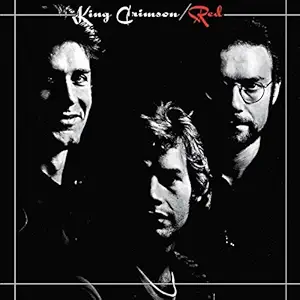


Your King Crimson Epitaph Questions Answered
Why King Crimson Epitaph Changed Music Forever
King Crimson Epitaph stands as a towering achievement in progressive rock, a song that elevated the genre’s ambitions while delivering genuine emotional devastation.
More than five decades later, the song’s warnings about humanity’s self-destructive tendencies and the dangers of knowledge without wisdom remain as relevant as when Peter Sinfield first penned those prophetic words.
The combination of Ian McDonald’s revolutionary Mellotron work, Robert Fripp’s atmospheric guitar, and Greg Lake’s incomparable vocal performance created a template for the epic prog ballad that would influence generations of musicians.
Modern listeners continue to discover the song’s power, finding in its dystopian imagery a mirror for contemporary anxieties about climate change, political chaos, and technological disruption.
The song’s enduring appeal lies not just in its musical excellence but in its capacity to articulate the deepest human fears about mortality, meaning, and the fragile nature of civilization.
King Crimson Epitaph remains essential listening for anyone seeking to understand progressive rock’s artistic ambitions and its capacity to address the most profound questions of human existence.
Ready to experience King Crimson Epitaph in all its glory?
Grab the remastered edition of In The Court Of The Crimson King or explore our complete guides to King Crimson’s Red album and all King Crimson album reviews!
Sources:
In the Court of the Crimson King – Wikipedia
DGM Live – Wessex Studios Epitaph Recording Sessions
Epitaph by King Crimson – Songfacts
Epitaph by King Crimson – WhoSampled
Last updated: January 2026