

I Talk to the Wind: 7 Hidden Secrets Behind King Crimson’s Most Ethereal Masterpiece
I Talk to the Wind stands as progressive rock’s most hauntingly beautiful meditation on isolation and the futility of human communication.
Released on October 10, 1969, this six-minute pastoral masterpiece from King Crimson’s groundbreaking debut album has captivated listeners for over five decades with its hypnotic flute melodies and cryptic philosophical lyrics.
You’re about to discover the untold story behind this ethereal ballad – from its origins in a London bedroom demo to its role as the perfect counterweight to the chaos of 21st Century Schizoid Man.
When In the Court of the Crimson King hit record stores in late 1969, it changed rock music forever, reaching number 5 on the UK Albums Chart and number 28 on the US Billboard 200.
What most listeners don’t realize is that I Talk to the Wind underwent a remarkable transformation from its first recording with Fairport Convention’s Judy Dyble to the definitive version featuring Greg Lake’s plaintive vocals.
I Talk to the Wind remains one of only two King Crimson songs not co-written by Robert Fripp, making it a unique gem in the band’s legendary catalog.
🎸 Experience I Talk to the Wind in Audiophile Quality
The 200-gram heavyweight vinyl remaster reveals sonic details you’ve never heard before.
Hear Ian McDonald’s flute solos exactly as intended in the studio.
Limited pressings of this prog rock essential are selling fast.

📋 Table of Contents [+]
I Talk to the Wind Overview: Origin Story and Creation
I Talk to the Wind emerged from the creative partnership between multi-instrumentalist Ian McDonald and lyricist Peter Sinfield during the formative months of 1968, predating King Crimson’s official formation.
The song first took shape as a bedroom demo during the Giles, Giles and Fripp era, recorded at 93a Brondesbury Road in London using a modest Revox F36 two-track tape recorder.
This earliest version featured Judy Dyble, the original vocalist of Fairport Convention, delivering a lighter, more up-tempo interpretation that reflected the British psychedelic folk movement of the late 1960s.
By the time King Crimson officially formed on January 13, 1969, the song had evolved significantly, with Greg Lake stepping in to provide the distinctive, melancholic vocal performance that would define the final recording.
The Writing Process and Inspiration
Ian McDonald composed all the music for I Talk to the Wind, making it one of only two King Crimson songs where Robert Fripp did not contribute to the songwriting.
Peter Sinfield crafted the enigmatic lyrics that explore themes of existential isolation, the futility of communication, and the disconnect between conventional society and the searching soul.
The song originated even earlier in 1967 with McDonald’s short-lived band Infinity before being adapted for Giles, Giles and Fripp.
Multiple demo versions were recorded throughout 1968, with both Judy Dyble and Peter Giles providing vocals at different sessions, documented on The Brondesbury Tapes released in 2002.
Sinfield’s lyrics drew from the countercultural zeitgeist of the era, addressing the generational divide between the establishment and the questioning youth of the late 1960s.
Band Context During Recording
The original King Crimson lineup that recorded I Talk to the Wind consisted of Robert Fripp on guitar, Ian McDonald on woodwinds and keyboards, Greg Lake on bass and vocals, Michael Giles on drums, and Peter Sinfield as lyricist and visual coordinator.
The band had only been performing live for a few months before entering the studio, having made their debut at the Speakeasy Club in London on April 9, 1969.
Their breakthrough came on July 5, 1969, when they performed as the opening act for the Rolling Stones’ legendary free concert in Hyde Park before an estimated 500,000 people.
This massive exposure, combined with the band’s innovative sound, created enormous anticipation for their debut album recording sessions that would begin just days later.
💡 Did You Know?
The earliest demo of I Talk to the Wind featured Judy Dyble of Fairport Convention on vocals. This version remained unreleased until the 1976 compilation A Young Person’s Guide to King Crimson, making it a fascinating glimpse into the song’s evolution before Greg Lake transformed it into the definitive recording.
Complete Musical Breakdown of I Talk to the Wind
I Talk to the Wind presents a stark sonic contrast to the aggressive chaos of 21st Century Schizoid Man that precedes it, showcasing the remarkable range of King Crimson’s musical vision.
The track runs for 6 minutes and 5 seconds in the key of E major with modal interchange elements from E minor, featuring a gentle tempo of approximately 88 BPM in 4/4 time.
Song Structure and Composition
The song opens with a distinctive double melody line performed in thirds on Ian McDonald’s flute, immediately establishing the pastoral, contemplative atmosphere.
The vocal sections follow the same harmonic progression as the introduction, moving through Emaj7, Cmaj7, Gmaj7, and B chords in a sophisticated jazz-influenced pattern.
From a harmonic perspective, Emaj7 and B represent the first and fifth degrees of the E major scale, while Cmaj7 and Gmaj7 are borrowed from the sixth and third degrees of the natural E minor scale.
This technique, known as modal interchange, was common in jazz but relatively rare in rock music of the era, demonstrating King Crimson’s sophisticated approach to composition.
McDonald plays a classical-inspired flute solo in the middle of the song as a distinct C section, followed by an extended coda at the end that allows the melody to float into silence.
Instrumentation and Performance Details
Ian McDonald’s flute work serves as the lead instrument throughout, weaving delicate melodic lines that contrast beautifully with the weightier textures of the album’s other tracks.
McDonald also layers clarinet parts in the background, adding depth and richness to the woodwind arrangements that would become a King Crimson signature.
Robert Fripp contributes acoustic guitar work that provides a gentle rhythmic foundation, stepping back from his typically prominent role to support the song’s pastoral character.
Greg Lake’s bass playing demonstrates remarkable restraint, offering a steady foundation without overwhelming the delicate instrumental interplay above.
Michael Giles delivers one of his most subtle performances, using light cymbal work and brushes rather than aggressive drumming, building dynamics gradually through each verse.
The organ and piano parts, also played by McDonald, add warm harmonic support without dominating the mix.
Vocal Technique and Delivery
Greg Lake’s lead vocal performance on I Talk to the Wind ranks among his most emotionally nuanced work, delivering the philosophical lyrics with a gentle, plaintive quality.
The verses feature lovely two-part vocal harmonies between Lake and McDonald, with the harmonies moving in thirds to mirror the flute introduction.
Lake’s phrasing throughout emphasizes the contemplative nature of the lyrics, allowing each word to breathe within the spacious arrangement.
Early live versions featured three-part harmonies with Lake, Giles, and McDonald, though the album version settled on a more intimate two-part approach.
The contrast between Lake’s warm vocal tone and the airy flute melodies creates a dreamlike atmosphere that perfectly serves the song’s meditative themes.
Recording Sessions and Production Secrets
I Talk to the Wind was recorded at Wessex Sound Studios in London during July and August 1969, with the basic track laid down on July 9, 1969, across 12 takes.
The band made the unusual decision for a debut album to produce themselves after initial sessions with Moody Blues producer Tony Clarke failed to capture their vision.
Inside the Studio: Recording Sessions
Wessex Sound Studios provided the band access to a 1-inch 8-track recorder, allowing for multi-tracking while maintaining the live energy of their performances.
Engineering duties were led by Robin Thompson, assisted by Tony Page, who also worked concurrently on The Moody Blues’ To Our Children’s Children’s Children album.
The sessions included early takes with Tony Clarke at Morgan Studios before the band decided to take full creative control of the production process.
Aborted sessions from early July 1969 revealed the band was still refining the arrangement, with various vocal harmony configurations tested before settling on the final approach.
The recording process emphasized capturing Ian McDonald’s flute and clarinet overdubs with clarity, requiring multiple passes to achieve the layered woodwind textures.
Revolutionary Production Techniques
The production team prioritized McDonald’s prominent flute lines as a lead element while maintaining Lake’s steady bass foundation and subtle Mellotron accents for texture.
The final mix prioritized acoustic guitar, woodwinds, and gentle dynamics over electric intensity, creating a pastoral soundscape unusual in the rock music of 1969.
The recording showcased the band’s remarkable versatility, proving they could deliver intimate, folk-influenced material alongside the aggressive experimentalism of tracks like 21st Century Schizoid Man.
Strategic use of reverb created the sense of space that defines the track, allowing each instrument to breathe within the mix.
The contrast between this gentle production approach and the distorted, aggressive sound of the album’s opening track demonstrated the band’s mastery of sonic dynamics.
Mellotron was used sparingly but effectively, adding orchestral colors without overwhelming the intimate acoustic arrangement.
I Talk to the Wind Lyrics: Hidden Meanings Revealed
I Talk to the Wind presents one of Peter Sinfield’s most philosophically rich lyrical compositions, exploring themes of alienation, existential isolation, and the futility of communication.
The lyrics operate on multiple interpretive levels, from personal introspection to broader commentary on societal disconnect.
Core Themes and Messages
The opening dialogue between the “straight man” and the “late man” establishes a fundamental dualism that pervades the entire song.
The “straight man” represents conventional thinking and the establishment, while the “late man” symbolizes the counterculture – the questioning, searching soul not aligned with societal norms.
The cryptic response “I’ve been here and I’ve been there and I’ve been in between” suggests a spiritual or philosophical wandering beyond normal experience.
The central chorus metaphor of talking to the wind captures the profound sense of futility in attempting to be understood in a world of confusion and disillusion.
Lines such as “You don’t possess me, don’t impress me, just upset my mind” speak to resistance against external control and the struggle to maintain authentic selfhood.
Songwriter Intent and Interpretations
Sinfield crafted lyrics that deliberately resist singular interpretation, inviting listeners to project their own experiences onto the philosophical framework.
Some interpret the song as addressing religious doubt – the wind representing an indifferent or absent deity who cannot or will not hear human pleas.
Others view it as a meditation on grief and loss, with the “late man” representing someone who has passed on, leaving words carried away on the wind.
The counterculture interpretation sees the protagonist as a “hippy or freak” in the parlance of 1969, disconnected from conventional society’s expectations and concerns.
The phrase “I’m on the outside looking inside” captures the alienation of the observer who sees society’s confusion but cannot participate in or change it.
Chart Performance and Critical Reception
I Talk to the Wind received immediate critical praise upon the album’s release in October 1969, with reviewers noting its effective contrast to the aggressive opening track.
John Morthland of Rolling Stone specifically highlighted the song’s “melodic flute opening” and its “abrupt and breathtaking transition” from 21st Century Schizoid Man.
The track was never released as a standalone single, with its initial exposure occurring exclusively within the context of the full album experience.
In the Court of the Crimson King reached number 5 on the UK Albums Chart, spending 18 weeks on the chart, and peaked at number 28 on the US Billboard 200.
The album was certified Gold by the RIAA for equivalent sales of 500,000 units in the United States.
It also performed strongly internationally, reaching number 7 on Australia’s Kent Music Report and number 27 on Canada’s RPM Top Albums chart.
The Who’s Pete Townshend famously described In the Court of the Crimson King as “an uncanny masterpiece,” underscoring its innovative impact on rock music.
Contemporary fan assessments on Rate Your Music rank I Talk to the Wind at number 27 among 1969’s top songs, reflecting its enduring appeal within progressive and folk-influenced music circles.
The song contributed to the album’s broader acclaim as a foundational progressive rock work, offering pastoral respite that balanced the record’s experimental edges.
Cultural Impact and Lasting Legacy
I Talk to the Wind played a crucial role in demonstrating that progressive rock could embrace gentler, acoustic-driven elements alongside its more aggressive compositions.
The song’s pastoral quality influenced subsequent prog explorations of mood and texture, establishing a template for contrast within concept albums.
Artists Influenced by I Talk to the Wind
Genesis and Yes were directly influenced by King Crimson’s initial style of symphonic Mellotron rock, with I Talk to the Wind demonstrating how quieter moments could enhance an album’s dynamic range.
The song’s use of flute as a lead instrument influenced countless progressive rock bands, from Jethro Tull to Focus.
Ian McDonald’s dual role as woodwind player and keyboardist established a model for multi-instrumentalism in prog rock that would become standard practice.
The track’s folk-influenced acoustic approach within a progressive rock context paved the way for artists exploring similar stylistic fusions.
Notable Covers, Samples, and Media Appearances
The most commercially successful cover came from British electronic group Opus III in 1992, featuring vocalist Kirsty Hawkshaw, which peaked at number 52 in the UK and number 6 in Finland.
Steve Hackett, Ian McDonald, and John Wetton performed a notable live version in Tokyo in 1996, released on The Tokyo Tapes in 1998.
The 21st Century Schizoid Band, a tribute supergroup featuring King Crimson alumni including Jakko Jakszyk, recorded their own interpretation in the 2000s.
Greg Lake continued performing the song as a solo artist, including emotional performances on his Songs of a Lifetime tour in 2012 and with Keith Emerson in 2014.
The song has been sampled in various electronic and hip-hop productions, demonstrating its continued relevance across musical genres.
It appeared on the 1976 compilation A Young Person’s Guide to King Crimson, introducing the track to new generations of listeners.
📢 Discover More King Crimson Classics
Explore our complete 21st Century Schizoid Man analysis, dive into The Court of the Crimson King breakdown, or check out our Epitaph deep dive.
Live Performances and Stage Evolution
I Talk to the Wind was notably absent from the setlist at King Crimson’s legendary Hyde Park performance on July 5, 1969, where the band focused on more aggressive material.
The original lineup rarely performed the song live, preferring to showcase their more dynamic compositions in concert settings.
The track appeared on the DGM Live archive releases documenting early King Crimson performances, though complete live versions from 1969 remain relatively rare.
Greg Lake revived I Talk to the Wind as a solo performer in the 2010s, delivering acoustic versions that highlighted his emotional connection to the material.
His December 2012 performance in Florence, Italy, captured the intimate essence of the song in a stripped-down solo format.
Lake also performed the song with Keith Emerson during their Live from Manticore Hall shows in 2014, creating poignant moments for longtime fans.
Ian McDonald occasionally performed the song at tribute concerts and reunion events, including appearances with Steve Hackett and John Wetton in Japan.
Complete Credits and Personnel
Performed by:
Greg Lake – Lead Vocals, Bass Guitar
Ian McDonald – Lead Flute Melody, Clarinet, Organ, Piano, Backing Vocals
Robert Fripp – Acoustic Guitar
Michael Giles – Drums, Light Percussion, Backing Vocals
Written by:
Ian McDonald – Music
Peter Sinfield – Lyrics
Production:
King Crimson – Producers (for EG Productions)
Robin Thompson – Recording Engineer
Tony Page – Assistant Engineer
Recording Details:
Recorded: July 9, 1969 (primary session), with additional work through August 1969
Studio: Wessex Sound Studios, London
Album: In the Court of the Crimson King
Label: Island Records (UK), Atlantic Records (US)
Released: October 10, 1969
Length: 6:05
Your I Talk to the Wind Questions Answered
🎸 Explore More Essential King Crimson Albums


Why I Talk to the Wind Changed Music Forever
I Talk to the Wind demonstrated that progressive rock could embrace vulnerability and introspection alongside its more aggressive innovations, establishing a template for dynamic contrast that would influence generations of musicians.
The song’s sophisticated harmonic language, drawing from jazz traditions while remaining accessible to rock audiences, proved that popular music could be both intellectually challenging and emotionally resonant.
Ian McDonald’s flute-led arrangement established woodwinds as legitimate lead instruments in rock music, paving the way for artists from Jethro Tull to contemporary prog bands.
Peter Sinfield’s enigmatic lyrics captured the existential questioning of the late 1960s counterculture in a way that remains relevant to anyone who has ever felt unheard or disconnected from mainstream society.
The track’s placement as a pastoral oasis between the explosive 21st Century Schizoid Man and the epic Epitaph demonstrated masterful album sequencing that elevated the listening experience beyond individual songs.
I Talk to the Wind stands as essential listening for anyone seeking to understand how progressive rock evolved from its jazz, classical, and folk influences into something entirely new.
Ready to experience I Talk to the Wind in all its glory?
Grab the remastered edition of In the Court of the Crimson King (200G/Remix/Ltd) or explore our complete guide to King Crimson’s discography!
📖 More King Crimson Deep Dives
Continue your King Crimson journey with these essential reads:
• 21st Century Schizoid Man: Complete Analysis
• The Court of the Crimson King: Ultimate Breakdown
• Epitaph: The Story Behind the Epic
• Starless: King Crimson’s Magnum Opus
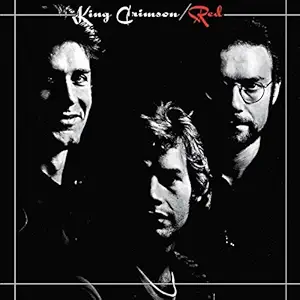
• Red: The Heavy Prog Masterpiece
Sources:
I Talk to the Wind – Wikipedia
In the Court of the Crimson King – Wikipedia
DGM Live – Official King Crimson Archive
I Talk to the Wind – Songfacts
The Complete 1969 Recordings – All About Jazz Review
Last updated: January 2026
📱 Share This Article
Hashtags: #KingCrimson #ITalkToTheWind #InTheCourtOfTheCrimsonKing #ProgressiveRock #ClassicRock #ProgRock #GregLake #IanMcDonald #RobertFripp #1969Music #VinylCollector #ClassicAlbums #RockHistory