

Lindsey Buckingham Trouble stands as one of the most innovative and sonically adventurous tracks from the early 1980s, showcasing the Fleetwood Mac guitarist’s genius for layered production and unconventional song structures.
Released as the lead single from his debut solo album Law and Order, this track proved that Buckingham could thrive outside the confines of his legendary band.
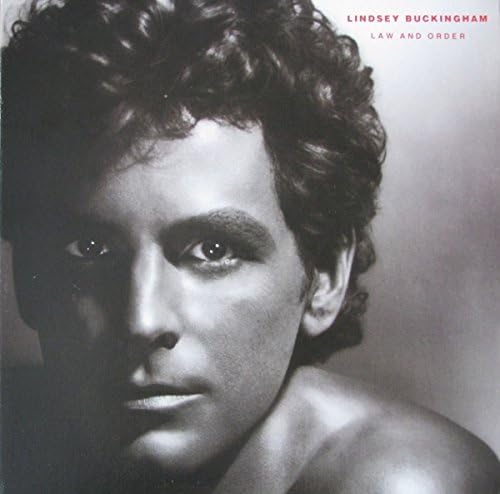
Lindsey Buckingham Trouble – Available on Amazon
Get Lindsey Buckingham Trouble (1981) on Vinyl or CD at Amazon
Affiliate Disclosure: I am an Amazon affiliate and if you purchase through any Amazon links on this site I may earn a small commission at no extra charge to you. This helps support classicrockartists.com. Thank you for your support!
Quick Navigation
What is the meaning of Lindsey Buckingham Trouble?
The song explores the anxiety and internal conflict that comes with romantic relationships and personal ambition, reflecting Buckingham’s own struggles balancing his solo career with his commitments to Fleetwood Mac and the emotional turbulence of his relationship with Stevie Nicks.
The Vibe: Genre, Mood, and Sound of Lindsey Buckingham Trouble
This track blends new wave energy with art rock experimentation, creating a nervous, propulsive atmosphere that perfectly matches its lyrical tension.
- Genre: New Wave, Art Rock, Pop Rock
- Mood: Anxious, Energetic, Introspective, Restless
- Tempo: Uptempo (approximately 140 BPM)
- Best For: Late-night drives, creative work sessions, exploring 80s alternative sounds
- Similar To: Talking Heads’ “Once in a Lifetime,” Peter Gabriel’s “Games Without Frontiers,” early solo Paul McCartney
Behind the Lyrics: The Story of Lindsey Buckingham Trouble
Lindsey Buckingham wrote and recorded Trouble during a period of intense creative freedom following the massive success of Fleetwood Mac’s Tusk album.
The song emerged from sessions at his home studio in Los Angeles, where he had complete control over every aspect of the recording process.
Buckingham had been experimenting with drum machines, synthesizers, and unconventional recording techniques that didn’t always fit within Fleetwood Mac’s collaborative framework.
The lyrics reflect the duality of his life at the time, caught between the security of his established band and the desire to explore his own artistic vision.
Lines like “I’m in trouble, I’m in trouble” repeat with increasing urgency, suggesting both romantic entanglement and career anxiety.
The song’s structure deliberately avoids traditional verse-chorus patterns, instead building through layered repetition and dynamic shifts.
According to Wikipedia, the track was released in September 1981 as the lead single from Law and Order.
The album itself represented Buckingham’s first full solo statement, though he had contributed solo tracks to the Tusk album previously.
The timing was significant, as Fleetwood Mac was on hiatus and each member was pursuing individual projects.
Stevie Nicks had already released her hugely successful Bella Donna album earlier that same year.
Buckingham felt pressure to prove himself as a solo artist while maintaining his distinctive sound.
The song’s production showcases his obsessive attention to detail, with dozens of overdubs creating a dense sonic tapestry.
He played nearly all the instruments himself, a practice that would become his trademark on solo recordings.
The track’s nervous energy mirrors the new wave movement that was dominating alternative radio at the time.
Buckingham was clearly influenced by bands like Talking Heads and Devo, incorporating their angular rhythms and experimental approaches.
Technical Corner: The Gear Behind Lindsey Buckingham Trouble
Buckingham recorded Trouble primarily at his home studio using a 24-track tape machine and an array of vintage and contemporary equipment.
His primary guitar was a 1956 Gibson Les Paul Standard, which he used for the distinctive rhythm parts that drive the song.
The drum sound came from a LinnDrum machine, one of the first programmable digital drum machines to gain widespread use in popular music.
This gave the track its precise, mechanical feel that contrasts sharply with the organic drumming of Mick Fleetwood on Fleetwood Mac records.
Buckingham layered multiple guitar tracks, using his signature fingerpicking technique to create interlocking patterns.
He employed a Roland Space Echo for the swirling delay effects that appear throughout the arrangement.
The bass parts were played on a Fender Precision Bass, recorded direct into the mixing console for a tight, punchy sound.
Synthesizer textures came from a Prophet-5, adding atmospheric pads and occasional melodic counterpoints.
Buckingham produced the track himself, serving as engineer and arranger in addition to performing all the instruments.
His vocal approach features close-miked, intimate delivery with strategic doubling and harmonies he recorded himself.
The mix emphasizes clarity and separation, with each element occupying its own sonic space despite the dense arrangement.
He used compression sparingly, preferring dynamic contrast to create tension and release throughout the song.
The guitar tones range from clean, percussive strumming to slightly overdriven lead lines that cut through the mix.
Buckingham’s production philosophy emphasized experimentation over conventional rock recording techniques.
Legacy and Charts: Why Lindsey Buckingham Trouble Still Matters
Trouble reached number 9 on the Billboard Hot 100 chart in the United States, becoming Buckingham’s highest-charting solo single.
The song performed even better on the Mainstream Rock chart, where it climbed to number 4.
In Canada, the track peaked at number 11 on the RPM Top Singles chart.
The song had moderate success in the UK, reaching number 31 on the UK Singles Chart.
The accompanying music video received heavy rotation on MTV during the network’s early years, helping establish Buckingham’s visual identity as a solo artist.
The Law and Order album reached number 32 on the Billboard 200, a respectable showing though not matching the commercial heights of Fleetwood Mac releases.
Critics praised the song’s innovative production and Buckingham’s willingness to take risks outside the Fleetwood Mac formula.
Rolling Stone called it “a masterclass in studio craft and nervous energy.”
The track has been covered by several alternative and indie rock bands over the decades, though none achieved significant commercial success with their versions.
The song appeared in the 1997 film Grosse Pointe Blank, introducing it to a new generation of listeners.
It has also been featured in several television shows, including episodes of The Americans and Halt and Catch Fire.
The track’s influence can be heard in the work of later artists who blend rock instrumentation with electronic elements.
Buckingham continues to perform the song in his solo concerts, often extending it with improvised guitar sections.
You can watch a live performance on YouTube that showcases how the song has evolved in concert settings.
The song remains a staple of classic rock and new wave radio formats, demonstrating its enduring appeal.
Listener’s Note: A Personal Take on Lindsey Buckingham Trouble
When I first heard this on vinyl in the early 80s, the opening drum machine pattern immediately grabbed my attention.
It sounded nothing like Fleetwood Mac, which was both jarring and thrilling.
The moment that still gives me chills is around the 2:15 mark, when all the layered guitars suddenly lock into this hypnotic, circular pattern.
Buckingham’s vocal delivery has this barely controlled panic that perfectly matches the instrumental tension.
On headphones, you can hear every tiny detail he obsessed over in the studio.
The way the bass pulses underneath the guitars creates this relentless forward momentum.
I’ve always appreciated how the song never quite resolves, maintaining its anxious energy right through to the fade-out.
It’s a track that rewards repeated listening, revealing new layers each time.
For more information about Buckingham’s ongoing work, visit his official website.
Affiliate Disclosure: I am an Amazon affiliate and if you purchase through any Amazon links on this site I may earn a small commission at no extra charge to you. This helps support classicrockartists.com and allows me to keep providing deep-dive content on the legends of rock. Thank you for your support!
Collector’s Corner: Own Lindsey Buckingham Trouble on Vinyl or CD
The original Law and Order vinyl pressing from 1981 features excellent sound quality that showcases Buckingham’s meticulous production work.
CD reissues have been released periodically, with some including bonus tracks and remastered audio.
Get Lindsey Buckingham Trouble (1981) on Vinyl or CD at Amazon
Frequently Asked Questions About Lindsey Buckingham Trouble
What album is Lindsey Buckingham Trouble on?
Trouble appears on Lindsey Buckingham’s debut solo album Law and Order, released in 1981.
The album was his first full-length release outside of Fleetwood Mac.
It showcased his experimental production techniques and multi-instrumental abilities.
Did Lindsey Buckingham play all the instruments on Trouble?
Yes, Buckingham performed nearly all the instruments on the track himself.
He played guitars, bass, programmed the drums, and handled keyboard parts.
This approach gave him complete creative control over the final sound.
Was Trouble a hit for Lindsey Buckingham?
Yes, Trouble became Buckingham’s biggest solo hit, reaching number 9 on the Billboard Hot 100.
It also performed well on rock radio and received significant MTV airplay.
The song established him as a viable solo artist separate from Fleetwood Mac.
What drum machine did Lindsey Buckingham use on Trouble?
Buckingham used a LinnDrum machine for the drum parts on Trouble.
This was one of the first programmable digital drum machines widely used in popular music.
The LinnDrum gave the track its distinctive mechanical, precise rhythmic feel.
Might Also Like
The enduring brilliance of Lindsey Buckingham’s “Trouble” is its masterful use of restraint. Emerging from the maximalist experimentation of Tusk, Buckingham proved he could craft a top-ten hit by stripping away the noise, relying on a hypnotic four-second drum loop from Mick Fleetwood and a Spanish-influenced guitar solo that remains one of his most elegant moments.
If you are captivated by Lindsey’s solo ventures and the complex musical family that surrounds him, you might also like:
The Virtuoso: Members of Fleetwood Mac
To understand the technical precision behind “Trouble,” it’s essential to look at the band where Buckingham first refined his craft. Exploring the members of Fleetwood Mac provides insight into how Lindsey’s complex arrangements and fingerpicking style acted as the engine for one of rock’s most legendary lineups.
Stevie Nicks and the “Bella Donna” Era
While Lindsey was finding his solo voice with Law and Order, his longtime partner was cementing her own legendary status. Learn more about the parallel journey of Stevie Nicks during her iconic Bella Donna era, a time when both artists were proving they could conquer the world individually while still bound by the “chain” of their shared history.
The Foundation: Buckingham Nicks
Long before “Trouble” hit the airwaves, Lindsey and Stevie were a struggling duo with a unique sound. Diving into the story of Buckingham Nicks reveals the raw, folk-rock roots and the early guitar work that would eventually evolve into the polished pop-rock perfection of his 1980s solo hits.
Plus + Interested in more from the Fleetwood Mac universe? Explore the stories behind Go Your Own Way or the haunting beauty of Silver Springs.
Lindsey Buckingham Trouble remains a testament to the creative possibilities that emerge when an artist steps outside their comfort zone and embraces complete artistic freedom.