
Mad World by Tears for Fears (1982)
Some songs capture a mood; “Mad World” captured a psychological state. Decades before it became a haunting film staple, it was a synth-pop revolution born from the “Primal Therapy” movement and the cold streets of Bath.
Table of Contents
What is the meaning of “Mad World” by Tears for Fears?
“Mad World” is an exploration of teenage alienation and existential angst, written by Roland Orzabal and sung by Curt Smith. Influenced by Arthur Janov’s Primal Scream therapy, the lyrics reflect on the repetitive, “meaningless” nature of modern life and childhood trauma, famously illustrated by the line: “the dreams in which I’m dying are the best I’ve ever had.”
The “Vibe” Check
- Genre: New Wave / Synth-Pop
- Mood: Melancholic, Introspective, Driving
- Tempo: 119 BPM (mid-tempo but percussive)
- Best For: Late-night reflection, rainy days, or “Classic 80s” nostalgia playlists.
Behind the Lyrics: The “Halargian” Mystery
Written in just two hours above a pizza shop in Bath, Orzabal originally intended the song to be a B-side. It was only after their A&R rep heard the raw demo that it was promoted to a single.
One of the most frequent voice searches for this song is about the “secret” final lyric. While often misheard as “enlarging your world” or “illogical world,” the correct vocal is “Halargian world.” This was a private studio joke referring to a fictional planet created by producer Chris Hughes. By leaving the word in, the band added a layer of surrealist alienation that perfectly matches the song’s theme of not belonging.
Technical Corner: The 80s “Secret Sauce”
To understand why “Mad World” sounds so crisp yet haunting, you have to look at the gear. Unlike the guitar-heavy rock of the 70s, Tears for Fears used technology to create “modernist” textures:
- Synthesizers: The heavy lifting was done by the Roland Jupiter-8 and the Sequential Circuits Prophet-5, which provided the lush, icy pads.
- The Beat: The distinctive, ticking percussion intro was programmed on a Roland CR-78 drum machine, originally recorded at double speed and then slowed down to give it that “dragging” feel.
- The Voice: Though Orzabal wrote it, he felt Curt Smith’s higher, more vulnerable register was the perfect fit for the song’s delicate emotional weight.
Legacy & Charts
- Peak Position: #3 in the UK (1982); #2 in South Africa.
- The 2001 Resurgence: The song found a second life when Michael Andrews and Gary Jules covered it for the cult classic film Donnie Darko. Their minimalist version famously beat out The Darkness for the UK Christmas #1 spot in 2003.
- Awards: The song earned Orzabal an Ivor Novello Award for its lyrical and musical impact.
Collector’s Corner
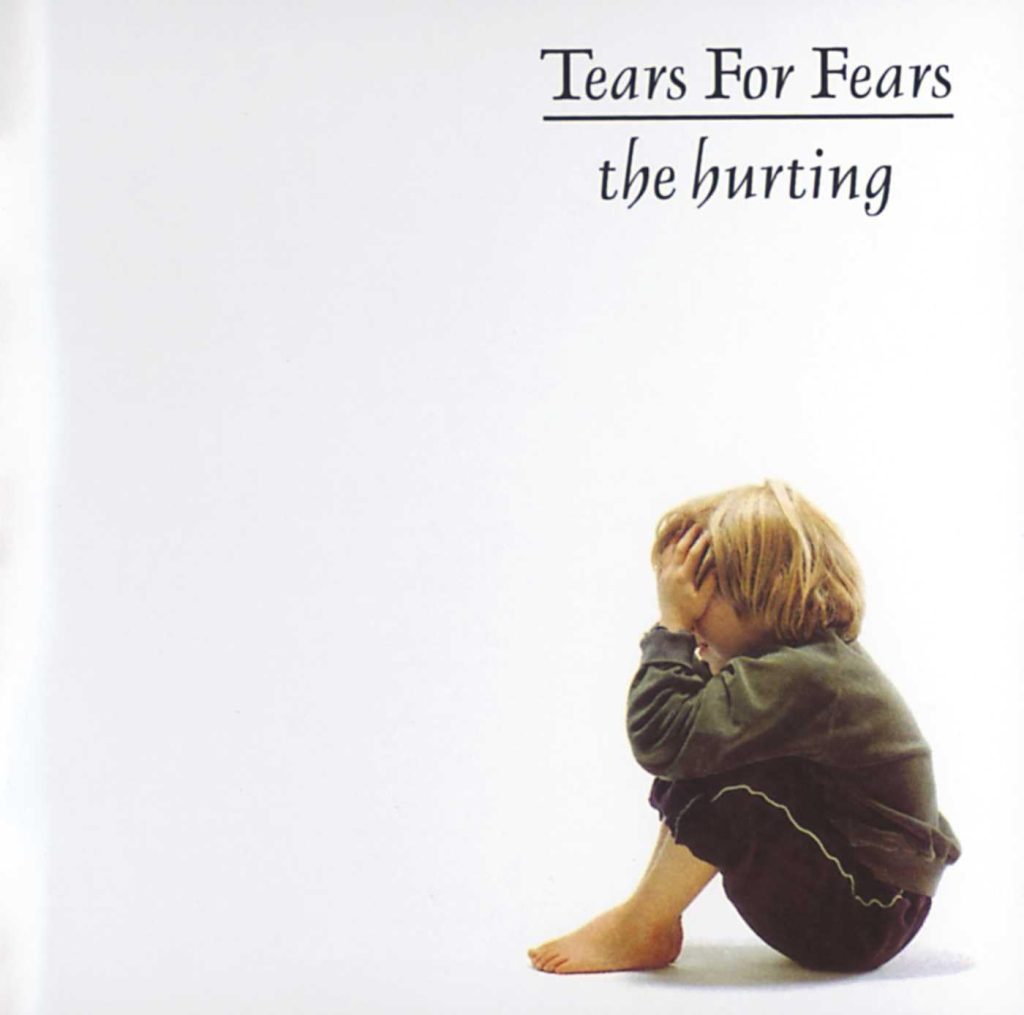
If you want to experience the raw, analog warmth of The Hurting, you can find the remastered vinyl and CD below.
- Shop More: Browse the Tears for Fears Catalog on Amazon