

📅 Last Updated: February 11, 2026 | ⏱️ 22-minute read
Richie Furay stands as one of the most influential yet criminally underrated architects of American rock music. As a co-founder of Buffalo Springfield alongside Stephen Stills and Neil Young, Richie Furay helped shape the sound of the 1960s counterculture before going on to pioneer an entirely new genre of music. His sweet tenor voice, heartfelt songwriting, and restless creative spirit drove him to co-found not one, not two, but three groundbreaking bands across three consecutive decades, each one leaving an indelible mark on the American musical landscape.
Born Paul Richard Furay on May 9, 1944, in Yellow Springs, Ohio, he built his legacy through Buffalo Springfield, Poco, and the Souther-Hillman-Furay Band. At an Eagles concert in Denver, Glenn Frey famously pointed Richie Furay out in the audience and told the crowd, “If it wasn’t for you, we wouldn’t be here.” That single acknowledgment captures Richie Furay’s place in rock history: the man whose vision of blending country and rock opened the floodgates for one of the most commercially successful movements in popular music.
This comprehensive biography traces Richie Furay’s remarkable journey from a small-town Ohio kid who lost his father at thirteen to becoming a Rock and Roll Hall of Fame inductee, a country rock pioneer, a devoted pastor, and a still-performing artist at 81 years old. Discover how his songs, voice, and unshakable faith carried him through six decades of music.
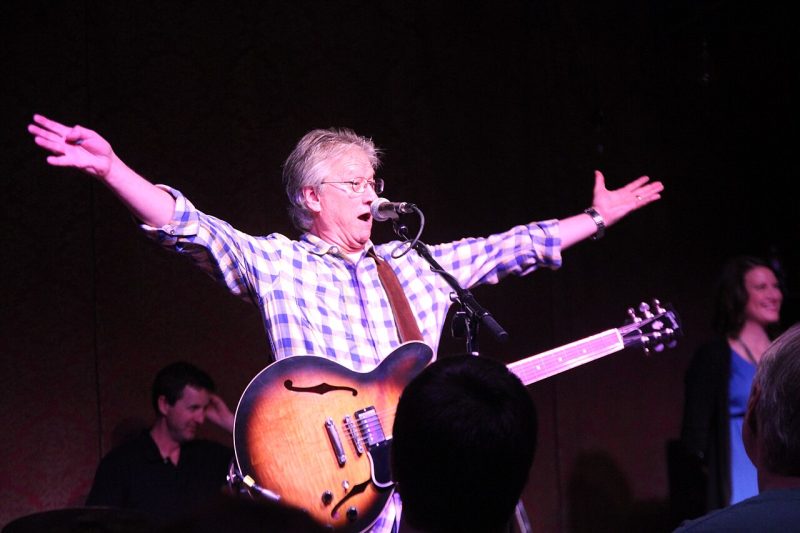
Photo: Richie Furay performing live. Credit: Wikimedia Commons / CC BY-SA 4.0
⚡ Richie Furay Quick Facts
- Full Name: Paul Richard Furay
- Born: May 9, 1944, in Yellow Springs, Ohio
- Primary Instruments: Guitar, Vocals
- Famous For: Pioneering country rock as co-founder of Buffalo Springfield, Poco, and the Souther-Hillman-Furay Band
- Biggest Hit: “Fallin’ in Love” (1974, #27 Billboard Hot 100)
- Best-Known Song: “Kind Woman” (1968)
- Active Years: 1964-Present
- Bands: The Monks, Au Go Go Singers, Buffalo Springfield, Poco, Souther-Hillman-Furay Band, Richie Furay Band
- Notable Awards: Rock and Roll Hall of Fame (1997), Colorado Music Hall of Fame (2015)
- Net Worth: Estimated $5 million
📚 Table of Contents ▼
- 🎸 Early Life and Musical Beginnings
- 🎤 Greenwich Village and the Au Go Go Singers
- 🎵 Buffalo Springfield: The Band That Changed Everything
- 🚀 Poco: Inventing Country Rock
- 💿 The Souther-Hillman-Furay Band
- 🛒 SHOP RICHIE FURAY ALBUMS →
- 💪 Faith, Family, and the Ministry
- 🏆 Later Career Revival and Reunions
- 🎸 Musical Legacy and Influence
- ⭐ Awards and Recognition
- 📀 Essential Albums
- 🎪 2026 Updates and Tour Dates
- ❓ Frequently Asked Questions
🎸 How Did Richie Furay Start His Music Career?
He was born Paul Richard Furay on May 9, 1944, in Dayton, Ohio, and grew up in the nearby village of Yellow Springs. His parents, Paul and Naomi “Snookie” Furay (nee Coffman), managed Furay’s Drug Store in downtown Yellow Springs, a small-town fixture where Paul worked long hours. The elder Furay was deeply respected by the community’s children, including a young Mike DeWine, who would go on to become Governor of Ohio.
Richie Furay’s earliest musical memories were shaped by his father’s love of country music. The sounds of Hank Williams and early country records drifting through the family home planted seeds that would eventually bloom into an entirely new musical genre. By the time Richie Furay was eight years old, he had begun taking guitar lessons and received his first guitar. The instrument became his constant companion and creative outlet.
Tragedy struck the Furay family in August 1957 when Richie’s father died at just 45 years old from a ruptured aortic aneurysm. Richie was barely thirteen, about to enter eighth grade. His mother Naomi took over the family business, eventually running it until her retirement. She lived in the Yellow Springs area until her death in 2007 at age 94. The loss of his father at such a formative age gave Richie a depth of emotional understanding that would later infuse his songwriting with an unmistakable sincerity.
As rock and roll exploded across America in the late 1950s, Richie Furay fell hard for the sounds of Elvis Presley and Ricky Nelson. Early doo-wop records captivated him, and his guitar playing progressed rapidly through high school. He participated in local church choirs and school music programs, honing a tenor voice that would become one of the most recognizable in country rock. By the time Richie enrolled at Otterbein College in Westerville, Ohio as a drama major in 1963, he had already won the freshman talent show, confirming what he already knew: music was his calling.
🎤 Greenwich Village: The Au Go Go Singers and Meeting Stephen Stills (1964-1965)
After completing three semesters at Otterbein College, he made the bold decision that would alter the course of rock music history. In the summer of 1964, he dropped out and moved to New York City to form a folk trio called the Monks with two fraternity brothers, Bob Harmelink and Nels Gustafson. The trio struggled in the cutthroat Greenwich Village folk scene, making little money, surviving on junk food, and living in cockroach-infested tenements.
According to Harmelink, Richie Furay’s dedication set him apart from the start: “Richie saw this as his life’s work. I saw it as a summer fling. And maybe, just maybe, I might get lucky and hit the big time.” That relentless determination would define Furay’s entire career. While performing at Greenwich Village’s folk clubs and coffeehouses, Richie Furay befriended another young musician hustling for his break: Stephen Stills. The two formed an instant musical bond that would reshape American popular music.
The friendship deepened when promoter Eddie Miller assembled the Au Go Go Singers, a nine-member group that served as the house band for the famous Cafe Au Go Go in New York. Richie and Stephen Stills both joined the ensemble, which also included Roy Michaels, Rick Geiger, Jean Gurney, Michael Scott, Kathy King, and Richie’s Otterbein friends Nels Gustafson and Bob Harmelink. Though the Au Go Go Singers never achieved commercial success, they gave Richie Furay invaluable professional experience and cemented his partnership with Stills.
When the Au Go Go Singers dissolved, Stills headed west to California. Richie Furay returned briefly to the East Coast, but the seeds of something extraordinary had been planted. Stills would soon reach out with an irresistible offer that would bring Richie Furay to Los Angeles and into the pages of rock history.
🎵 What Made Richie Furay Famous? Buffalo Springfield (1966-1968)
In early February 1966, Richie flew to Los Angeles after Stephen Stills contacted him about assembling a new band. When he arrived, he discovered that the “band” consisted of exactly two people: himself and Stills. Despite his disappointment, Richie Furay chose to stay, moving into Stills’ one-bedroom apartment in West Hollywood. For weeks, the two rehearsed harmonies and arrangements for Stills’ growing collection of songs, many of which would appear on their eventual debut album.
Then came one of rock music’s most legendary chance encounters. On April 6, 1966, Richie and Stills were driving on Sunset Boulevard when they spotted a distinctive 1953 Pontiac hearse in traffic. Behind the wheel was Neil Young, a Canadian musician Stills had previously met, traveling with bassist Bruce Palmer. The foursome connected on the spot, and with the addition of drummer Dewey Martin, Buffalo Springfield was born.
Buffalo Springfield quickly became one of the most explosive live acts on the Sunset Strip. Furay shared lead vocal duties with Stills, and his powerful stage presence made him a fan favorite. As one observer recalled: “You should have seen Richie on stage at the Whisky. He was a powerhouse. He was so excited, so happy, and so powerful.” The band’s self-titled debut album, Buffalo Springfield (1966), showcased the songwriting talents of Stills and Young, with Richie handling much of the vocal heavy lifting.
The band’s breakout single, “For What It’s Worth” (1967), reached #7 on the Billboard Hot 100 and became one of the defining protest anthems of the 1960s. By the band’s second album, Buffalo Springfield Again (1967), Richie Furay had emerged as a formidable songwriter in his own right. His composition “A Child’s Claim to Fame” became one of the album’s standout tracks, a joyfully melodic country rock tune featuring legendary Elvis Presley guitarist James Burton on dobro.
As Buffalo Springfield fractured under the weight of three competing creative visions, Richie Furay recorded what would become his signature song for the band’s final album, Last Time Around (1968). “Kind Woman,” a tender folk ballad written for his wife Nancy, featured bass by Jim Messina and pedal steel guitar by Rusty Young. The song pointed directly toward the country rock future that Furay was about to create. Buffalo Springfield lasted just two years and three albums, but their impact on American music was seismic. After the breakup, Neil Young launched his solo career, Stephen Stills joined Crosby, Stills and Nash, and Richie took the musical seeds planted in “Kind Woman” and grew them into something entirely new.
🚀 Poco: How Richie Furay Invented Country Rock (1968-1973)
Richie Furay did not simply join the country rock movement. He created it. In 1968, while recording Buffalo Springfield’s final album with new member Jim Messina, he discovered they shared an identical musical vision: blending the raw energy of rock and roll with the warmth of country music. Together with pedal steel guitarist Rusty Young, bassist Randy Meisner, and drummer George Grantham, Richie Furay founded Poco, one of the first and most important country rock bands in history.
Poco’s debut album, Pickin’ Up the Pieces (1969), is widely considered a pioneering landmark of the country rock genre. The first edition of the Rolling Stone Record Guide gave it a perfect five-star rating, calling it an essential album. Richie’s soaring vocals and heartfelt songwriting drove the record, establishing a template that dozens of bands would follow. While contemporaries like the Byrds and Flying Burrito Brothers were content to mimic country music’s affectations, Poco succeeded in creating something genuinely new under Furay’s leadership, a seamless marriage of country authenticity and rock energy that had never been achieved before.
Randy Meisner departed during the recording of the debut album after clashing with Richie Furay over the final mix. Meisner went on to co-found the Eagles, one of many direct connections between Poco and the band that would take country rock to massive commercial heights. Timothy B. Schmit replaced Meisner, and Jim Messina departed in 1970, replaced by guitarist Paul Cotton. Richie steered the band through its most critically acclaimed period, producing albums like Poco (1970), From the Inside (1971), and A Good Feelin’ to Know (1972), whose title track became a Poco anthem.
Richie Furay’s final album with Poco, Crazy Eyes (1973), represented some of his most ambitious songwriting. Yet despite consistent critical praise, mainstream commercial success continued to elude the band. Meanwhile, former bandmates Stills, Young, Messina, and Meisner were all enjoying hit records and gold albums. Growing impatient and frustrated by what he saw as inadequate management and record label support, Richie Furay played his final gig with Poco at the Worcester Polytechnic Institute on September 4, 1973, and accepted an offer that seemed destined to change his fortunes.
💿 The Souther-Hillman-Furay Band: A Supergroup Experiment (1974-1975)
Richie Furay’s friend David Geffen, then head of Asylum Records, proposed a tantalizing idea: form a supergroup pairing Richie with J.D. Souther, a gifted songwriter who would become instrumental in writing hits for the Eagles, and Chris Hillman, the legendary co-founder of the Byrds and Flying Burrito Brothers. The Souther-Hillman-Furay Band was further rounded out with drummer Jim Gordon and three former Manassas members: Paul Harris on keyboards, Joe Lala on percussion, and Al Perkins on pedal steel guitar.
The self-titled debut album, The Souther-Hillman-Furay Band (1974), peaked at #11 on the Billboard 200, delivering Richie Furay his biggest commercial moment. His composition “Fallin’ in Love” reached #27 on the Billboard Hot 100, featuring infectious harmonies and a melodic rock sound that showcased his gifts as a pop craftsman. For the first time in his career, Richie Furay had a genuine hit single under his own name.
However, internal conflicts and diverging creative directions undermined the partnership. The follow-up album, Trouble in Paradise (1975), failed to replicate the debut’s success, and the band dissolved. The relentless touring had taken a devastating toll on Richie Furay’s marriage to Nancy. His constant absence and an extramarital affair during his Poco years had pushed Nancy toward divorce. But at this critical crossroads, something unexpected happened that would redirect his entire life.
🛒 Shop Richie Furay Albums
⚡ LEGENDARY ALBUMS IN LIMITED SUPPLY ⚡
Vintage vinyl pressings of Richie Furay’s classics with Buffalo Springfield and Poco are becoming rare collector’s items. Original pressings from the late 1960s and early 1970s are steadily climbing in value. Secure your copy today before prices skyrocket.
⭐⭐⭐⭐⭐ Over 10,000 classic rock fans have purchased Richie Furay albums through our recommendations
🎸 Why Own Richie Furay’s Albums?
- Experience the authentic analog sound that launched the country rock revolution
- Own a piece of music history from the man who influenced the Eagles, Loggins and Messina, and countless others
- Hear the voice that defined Buffalo Springfield and Poco in its purest form
- Perfect for audiophiles who appreciate groundbreaking folk-country-rock fusion
- Collectible value increases as original pressings become scarce
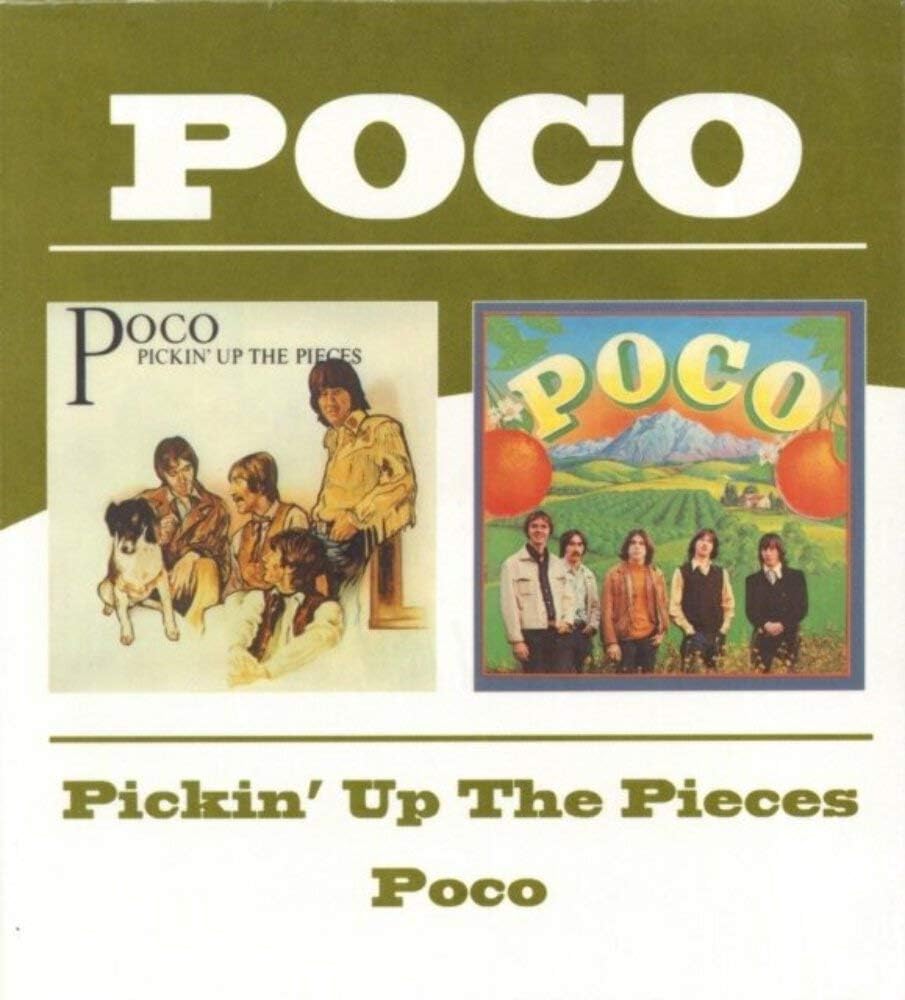
🎵 #1 MUST-OWN: PICKIN’ UP THE PIECES (VINYL)
The five-star masterpiece that launched the country rock revolution
Poco’s 1969 debut album is widely regarded as one of the foundational records of the country rock genre. The Rolling Stone Record Guide awarded it a perfect five-star rating.
Richie Furay’s soaring lead vocals and heartfelt songwriting drive every track, from the iconic title song to deep cuts that reward repeated listening.
Featuring Rusty Young’s pioneering pedal steel guitar work alongside Jim Messina’s production, this album created a template that the Eagles and dozens of other bands would follow.
The vinyl pressing captures the warmth and organic energy of these groundbreaking sessions in a way digital formats simply cannot replicate.
An essential cornerstone for any serious classic rock or country rock collection.

🎵 THE CLASSIC: BUFFALO SPRINGFIELD (VINYL)
The legendary debut featuring “For What It’s Worth” that defined a generation
Buffalo Springfield’s 1966 self-titled debut introduced the world to the explosive chemistry between Richie Furay, Stephen Stills, and Neil Young.
The album features “For What It’s Worth,” one of the most iconic protest anthems ever recorded, reaching #7 on the Billboard Hot 100.
Richie Furay’s powerful vocals anchor tracks like “Go and Say Goodbye” and “Nowadays Clancy Can’t Even Sing,” showcasing his remarkable range.
This pressing delivers the raw Sunset Strip energy that made Buffalo Springfield the hottest band on the LA scene.
A must-have artifact from the birth of folk rock and the 1960s counterculture.

🏆 CRITICALLY ACCLAIMED: BUFFALO SPRINGFIELD AGAIN
The masterwork featuring Richie Furay’s breakthrough as a songwriter with “A Child’s Claim to Fame”
Buffalo Springfield Again (1967) is considered by many critics to be the band’s finest achievement, a dazzling display of three singular songwriters at their peak.
Richie Furay steps forward as a composer with “A Child’s Claim to Fame,” a joyful country rock gem featuring James Burton on dobro.
The album showcases the band’s extraordinary range, from psychedelic experimentation to folk-country balladry.
Stills’ “Bluebird” and Young’s “Mr. Soul” share space with Furay’s warm, inviting compositions, creating a uniquely American masterpiece.
An essential document of the creative explosion happening on the Sunset Strip in the late 1960s.

🎵 POCO ANTHEM: A GOOD FEELIN’ TO KNOW (1972)
The album that delivered Poco’s most beloved anthem and Richie Furay’s finest country rock writing
Released in 1972, A Good Feelin’ to Know captures Richie Furay and Poco at their most confident and creative.
The title track became one of the most enduring songs in Richie Furay’s catalog, a joyous celebration of musical connection that still closes his live shows today.
With Paul Cotton now settled in as Jim Messina’s replacement, the band had found a powerful new chemistry that pushed their sound forward.
The album blends rock energy with country warmth in ways that pointed directly toward the sound that would dominate 1970s radio.
A hidden gem that rewards deep listening and captures Poco’s creative peak under Richie Furay’s leadership.

🎵 SUPERGROUP HIT: THE SOUTHER-HILLMAN-FURAY BAND (1974)
The #11 Billboard album featuring “Fallin’ in Love” – Richie Furay’s biggest chart hit
David Geffen’s dream pairing of Richie Furay, J.D. Souther, and Chris Hillman produced a debut that peaked at #11 on the Billboard 200.
Richie Furay’s “Fallin’ in Love” reached #27 on the Hot 100, delivering the commercial success that had eluded him throughout his Poco years.
The album blends three distinct songwriting voices from the Byrds, Buffalo Springfield, and Poco lineages into a cohesive West Coast rock statement.
Al Perkins’ pedal steel and Jim Gordon’s drumming provide a world-class foundation for these legendary voices.
A fascinating snapshot of the 1970s LA rock scene at its peak, bringing together musicians from nearly every major country rock band of the era.

🎵 THE FAREWELL: LAST TIME AROUND (1968)
Features “Kind Woman” – the song that planted the seeds of country rock
Buffalo Springfield’s final album contains “Kind Woman,” the beautiful ballad Richie Furay wrote for his wife Nancy that directly foreshadowed the birth of Poco and the country rock movement.
Featuring pedal steel by future Poco member Rusty Young and bass by future partner Jim Messina, the song is a bridge between two musical eras.
The album also showcases Richie Furay’s growing confidence as a songwriter alongside the formidable output of Stills and Young.
Recorded during a period of intense creative tension, the album captures three singular talents at a crossroads that would reshape American music.
An essential piece of the Buffalo Springfield story and the origin point for everything Richie Furay would build next.
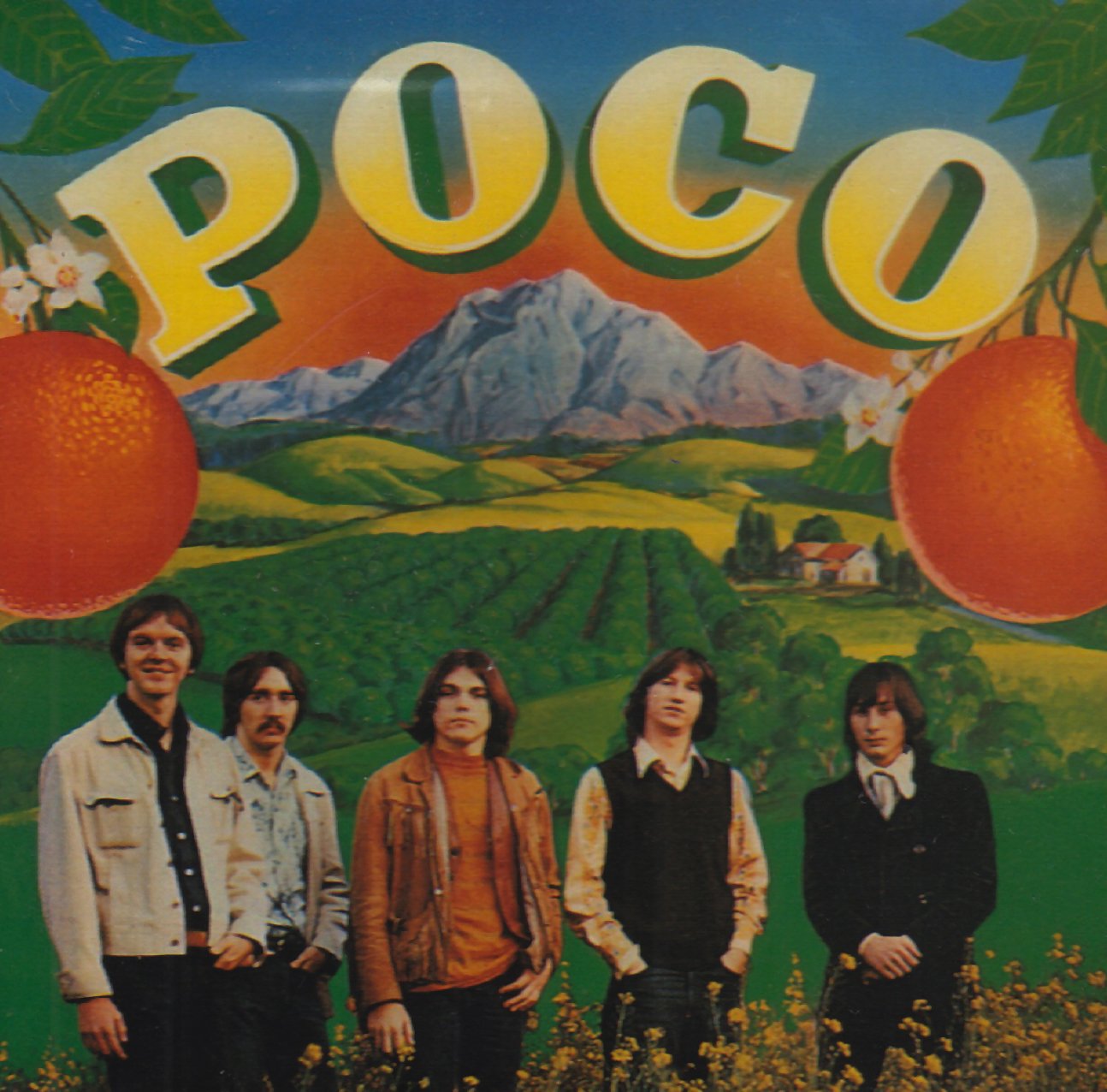
🎵 THE FOLLOW-UP: POCO (1970)
Poco’s sophomore effort deepening the country rock blueprint with Timothy B. Schmit on bass
Poco’s 1970 self-titled second album marked the arrival of Timothy B. Schmit, who would later join the Eagles, replacing the departed Randy Meisner.
Richie Furay’s songwriting continued to evolve as the band refined their signature blend of rock energy and country warmth.
The album features tighter arrangements and more confident performances as the band settled into its creative identity.
Schmit’s harmonies with Richie Furay created a vocal blend that became one of the defining sounds of early 1970s West Coast rock.
A crucial chapter in the Poco story that cemented the band’s reputation as country rock innovators.
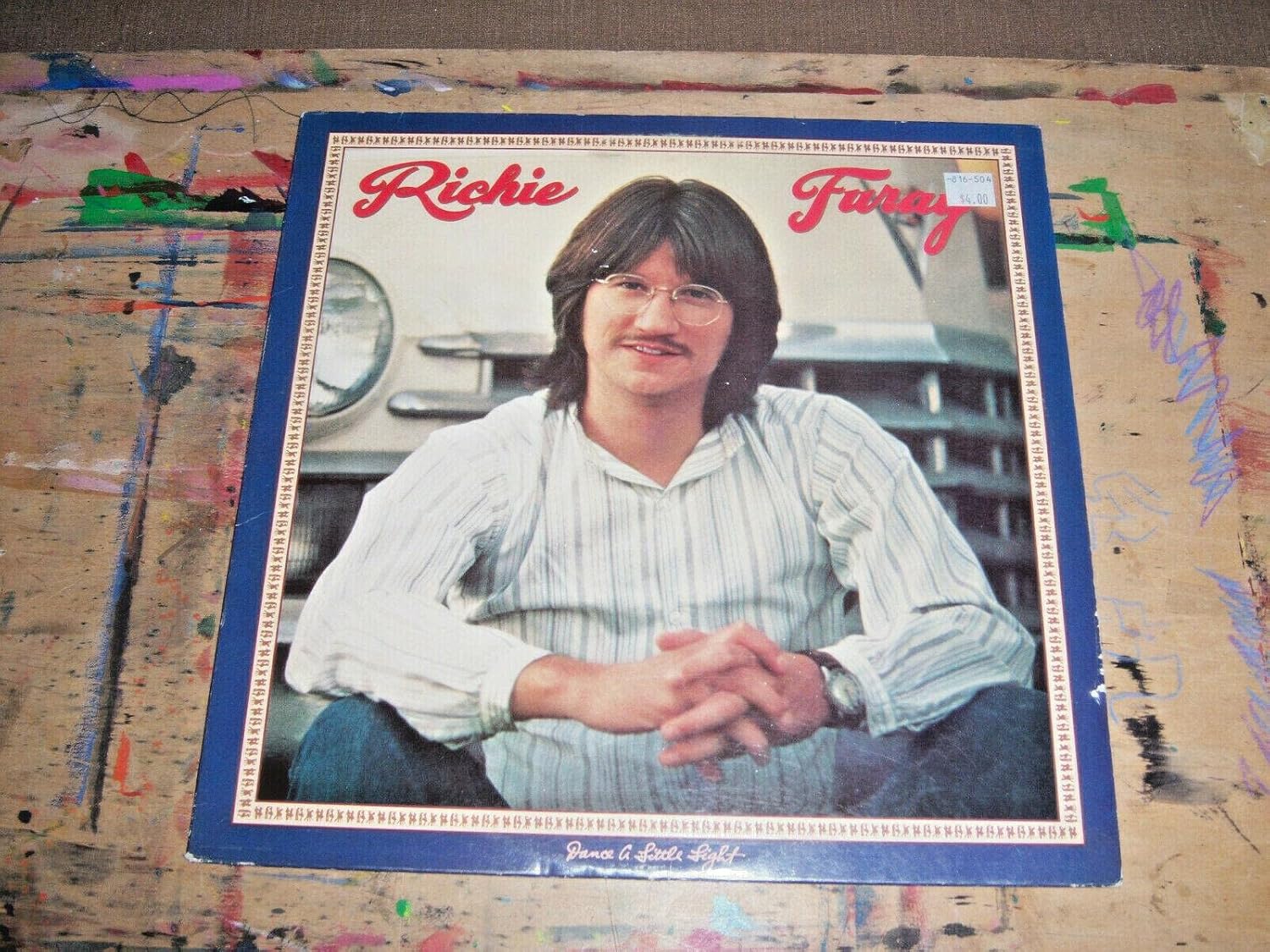
💎 SOLO GEM: DANCE A LITTLE LIGHT (1978)
Richie Furay’s solo artistry bridging his rock legacy with his spiritual awakening
Released in 1978 on Asylum Records, Dance a Little Light captures Richie Furay during a fascinating personal transition between his rock career and his calling to the ministry.
The album showcases Richie Furay’s pure songwriting talent stripped of the band dynamics that sometimes overshadowed his contributions.
Warm, melodic, and deeply personal, the songs reflect a man finding peace after years of chasing commercial success.
A bridge between the country rock pioneer and the spiritual artist Richie Furay would become.
An underappreciated gem in Richie Furay’s catalog that rewards patient, open-minded listening.
Affiliate Disclosure: This site contains affiliate links to products. I may receive a commission for purchases made through these links at no additional cost to you. As an Amazon Associate, I earn from qualifying purchases. This helps support the site and allows me to continue creating content about Richie Furay and classic rock music.
💪 Faith, Family, and the Ministry: Richie Furay’s Spiritual Transformation
Richie Furay’s conversion to Christianity during the Souther-Hillman-Furay Band era in 1974 represented one of the most dramatic personal transformations in rock history. The decision came at a moment of personal crisis. Years of relentless touring with Poco, an extramarital affair, and growing emotional disconnection had pushed his wife Nancy to the brink of divorce. Remarkably, Nancy had independently converted to Christianity on her own, and his newfound faith challenged her to consider reconciliation.
The couple endured seven months of separation before reconciling after the birth of their second daughter on June 25, 1975. Unlike the vast majority of his rock contemporaries whose marriages crumbled under the pressures of fame, Richie and Nancy chose each other. They have now been married for over 57 years, raising four daughters together and becoming grandparents to 13 grandchildren. One of their daughters, Jesse Furay Lynch, followed her father into music and currently performs alongside him as a vocalist in the Richie Furay Band.
After moving from Los Angeles to Sugarloaf Mountain near Boulder, Colorado, he formed the Richie Furay Band with Jay Truax, John Mehler, and Tom Stipe. His 1976 album I’ve Got a Reason on Asylum Records reflected his newfound beliefs and established Richie Furay as a pioneer in Christian rock, years before the genre became a mainstream movement. The band toured extensively, opening for the Beach Boys, the Band, Leon Russell, Hot Tuna, and the Marshall Tucker Band.
Richie released two more solo albums for Asylum: Dance a Little Light (1978) and I Still Have Dreams (1979). The title track of I Still Have Dreams became his only Top 40 solo hit, peaking at #39 on the Billboard Hot 100. In 1982, he released Seasons of Change on Myrrh Records, a Christian label. But the commercial disappointments and the toll of touring on his family ultimately led Richie Furay to a crossroads. He chose the path less traveled by rock stars: he hung up his rock and roll shoes and became a full-time pastor.
Since the early 1980s, Furay served as senior pastor of the Calvary Chapel in Broomfield, Colorado, a non-sectarian Christian church in the Denver area. He shepherded his congregation for an extraordinary 35 years before retiring from the ministry in December 2017. His pastoral career represents one of the longest second acts in rock music, a testament to the sincerity of his spiritual commitment and his dedication to serving others beyond the stage.
🏆 Is Richie Furay Still Performing? Later Career Revival and Reunions
Richie Furay never truly abandoned music, even during his decades in the ministry. He began recording again in 1997 and over the following decades released both Christian and secular albums, including the inspirational works In My Father’s House and I Am Sure. In 2006, Heartbeat of Love marked Furay’s return to the general market for the first time in nearly three decades. The album featured an extraordinary roster of guests, including former bandmates Neil Young, Stephen Stills, Rusty Young, Paul Cotton, and Timothy B. Schmit, alongside Kenny Loggins and the Turtles’ Mark Volman.
In 2007, Richie toured with a new formation of the Richie Furay Band, recording a double live album, ALIVE, at the Boulder and Bluebird Theatres in Colorado. The 29-song set spanned his entire career, from Buffalo Springfield through Poco, the Souther-Hillman-Furay Band, and his solo work. The album confirmed that Richie Furay’s voice had lost none of its warmth or power.
A landmark reunion moment came on October 23, 2010, when Richie Furay reunited with Stephen Stills and Neil Young for a set at the 24th annual Bridge School Benefit at Shoreline Amphitheater in Mountain View, California. The reunion extended into a 2011 tour of California, culminating with Buffalo Springfield headlining the prestigious Bonnaroo Festival. The band continued with additional dates in early 2012, giving fans a rare opportunity to witness the legendary chemistry between Furay, Stills, and Young.
Richie Furay also reconnected with Poco on multiple occasions. At the 2009 Stagecoach Festival in Indio, California, Furay and the current Poco lineup were joined onstage by original members Jim Messina and George Grantham, along with former bassist Timothy B. Schmit, reuniting the lineup that achieved the most critical acclaim. In 2015, the founding members gathered again for Poco’s induction into the Colorado Music Hall of Fame at the Paramount Theatre in Denver.
In 2018, the Richie Furay Band launched the Deliverin’ Tour, performing the classic 1971 Poco live album DeLIVErin’ in its entirety. Longtime Eagles and former Poco bassist Timothy B. Schmit joined Furay for two songs at the tour’s debut. In 2022, Richie released In the Country, an album of classic country covers featuring songs originally recorded by Keith Urban, John Denver, Garth Brooks, George Strait, and others. The album also included guest vocal appearances from Timothy B. Schmit, Vince Gill, John Berry, and Jason Scheff.
🏆 Own the albums that changed American music: Browse Richie Furay’s essential collection above ↑
🎸 What Is Richie Furay’s Legacy? Musical Innovations and Influence
Richie Furay’s influence on American popular music is vast, even if his name recognition has never matched that of his more famous bandmates. As Timothy B. Schmit of the Eagles has said: “Richie Furay really took me to another level. Richie mentored me. I watched how he worked as a songwriter and a singer and a performer, and I really learned a lot just by being around him. I consider him one of my best friends, on many levels.”
Graham Nash of Crosby, Stills and Nash has stated plainly: “Richie Furay deserves his place in the Rock and Roll Hall of Fame. His contribution to American music is truly appreciated by his millions of fans.” And perhaps most tellingly, Glenn Frey of the Eagles publicly acknowledged Richie Furay’s foundational role at a concert in Denver, pointing him out in the audience and declaring, “If it wasn’t for you, we wouldn’t be here.”
That acknowledgment from the Eagles is not hyperbole. The family tree that grew from Buffalo Springfield’s roots is staggering. Richie Furay and Jim Messina took the country rock seeds from “Kind Woman” and grew them into Poco. Randy Meisner left Poco to co-found the Eagles. Timothy B. Schmit replaced Meisner in Poco and then replaced Meisner again in the Eagles. Jim Messina left Poco and partnered with Kenny Loggins to form Loggins and Messina, selling over 16 million records. J.D. Souther, Richie Furay’s Souther-Hillman-Furay bandmate, became one of the Eagles’ most important songwriters. Chris Hillman connected the Byrds and Flying Burrito Brothers lineage to Richie Furay’s country rock vision. The entire Southern California country rock movement can trace significant roots back to Richie Furay’s determination to blend rock and country music.
As a vocalist, Richie possessed one of the purest and most expressive tenor voices in rock music. Bob Kramer of the Country Music Hall of Fame and Museum has declared: “Let me be crystal clear: Richie Furay is THE VOICE of Country Rock.” His ability to convey genuine emotion without affectation made him the perfect vessel for the warm, heartfelt songs that defined the genre he helped create.
As a songwriter, his compositions like “Kind Woman,” “A Child’s Claim to Fame,” “Pickin’ Up the Pieces,” “A Good Feelin’ to Know,” and “Fallin’ in Love” represent a body of work that connects folk, country, and rock in ways that remain fresh and influential. Stephen Stills himself has noted that “Kind Woman” and “A Child’s Claim to Fame” are songs he still performs in his own set each night as a tribute to Richie Furay’s writing.
👨👩👧👦 Personal Life and Family
Richie Furay married Nancy in 1967, the same year he wrote “Kind Woman” for her. Their marriage has endured for over 57 years, a remarkable achievement by any standard but especially notable in the rock music world. The couple survived two separations in their early years before their shared Christian faith brought them back together permanently. They have raised four daughters, including Jesse Furay Lynch, who performs alongside her father as a vocalist in the Richie Furay Band.
Richie and his family have called Colorado home since the mid-1970s, when they relocated from Los Angeles to Sugarloaf Mountain near Boulder. The move away from the LA music scene was deliberate, allowing him to build a life centered on family and faith rather than industry politics. The couple are grandparents to 13 grandchildren. In addition to his music career and pastoral work, Richie has been active in community service and charitable causes through his church and music ministry.
🤝 Collaborations with Rock Legends
Throughout his career, Richie Furay has collaborated with some of rock music’s most iconic figures, creating memorable musical moments and expanding his artistic reach.
- Neil Young – Co-founder of Buffalo Springfield (1966-1968); reunited for Bridge School Benefit (2010) and 2011-2012 tour; guest on Heartbeat of Love (2006)
- Stephen Stills – Met in Greenwich Village (1964); co-founded Au Go Go Singers and Buffalo Springfield; guest on Heartbeat of Love (2006); reunited for Buffalo Springfield reunion tours
- Jim Messina – Co-founded Poco (1968); collaborated on Buffalo Springfield’s Last Time Around; reunited at 2009 Stagecoach Festival
- Timothy B. Schmit – Played together in Poco; featured guest on Deliverin’ Tour (2018) and In the Country album (2022)
- Chris Hillman – Co-founded the Souther-Hillman-Furay Band (1974-1975); connecting the Byrds, Flying Burrito Brothers, and Poco lineages
- J.D. Souther – Co-founded the Souther-Hillman-Furay Band; later became a key Eagles songwriter
- Kenny Loggins – Guest appearance on Heartbeat of Love (2006)
- Vince Gill – Guest vocalist on In the Country (2022)
- Carla Olson – Richie Furay appeared on Have Harmony, Will Travel (2013)
- Piedmont Brothers Band – Guest vocalist on PBB III (2011), Back to the Country (2013), and A Piedmont Christmas (2015)
⭐ Awards and Recognition
Over his six-decade career, Richie Furay has received significant recognition for his contributions to rock music.
- Rock and Roll Hall of Fame – Inducted as a member of Buffalo Springfield (1997)
- Colorado Music Hall of Fame – Inducted as a member of Poco (2015), ceremony at the Paramount Theatre in Denver
- Pioneer of Country Rock – Widely credited as a founding architect of the country rock genre through his work with Poco
- Pioneer of Christian Rock – His 1976 album I’ve Got a Reason is recognized as an early landmark of Christian rock
Notably, Poco has yet to receive a Rock and Roll Hall of Fame nomination despite entering eligibility in 1995. Many fans and fellow musicians, including several prominent Eagles members, have campaigned for the band’s induction, citing their foundational role in creating country rock. A documentary currently in post-production, Through It All: The Life and Influence of Richie Furay, narrated by filmmaker Cameron Crowe, aims in part to build momentum for Poco’s Hall of Fame recognition.
📀 Essential Richie Furay Albums
For a complete guide to Richie Furay’s essential recordings across all his bands and solo work, see our dedicated Richie Furay Albums page. These five records represent the core listening experience for understanding Richie Furay’s evolution and influence.
🎵 Buffalo Springfield Again (1967)
The album where Richie Furay emerged as a songwriter alongside Stills and Young.
Often considered the finest Buffalo Springfield album, this 1967 masterpiece features Richie Furay’s “A Child’s Claim to Fame” alongside landmark compositions by all three principal songwriters. The album captures the creative competition and collaboration that made Buffalo Springfield Again one of the most important records of the 1960s. For anyone trying to understand the roots of both folk rock and country rock, this is required listening.
🎵 Pickin’ Up the Pieces (1969)
The five-star debut that launched the country rock revolution.
Poco’s groundbreaking debut earned a perfect five-star rating from the Rolling Stone Record Guide and established the template that bands like the Eagles would follow to massive commercial success. Richie Furay’s vocals and songwriting drive this album from start to finish, creating a joyful, organic blend of rock energy and country warmth. It is the founding document of country rock music.
🎵 A Good Feelin’ to Know (1972)
Poco’s most complete statement and Richie Furay’s finest album as bandleader.
The title track remains one of the most beloved songs in the country rock canon, and the album as a whole captures Poco at their creative zenith. With Paul Cotton now integrated as Jim Messina’s replacement, the band had achieved a chemistry that produced some of the most infectious and emotionally honest music of the early 1970s. The album proved that Richie Furay could lead a band to artistic heights even without the star power of Stills and Young behind him.
🎵 The Souther-Hillman-Furay Band (1974)
The supergroup album that delivered Richie Furay’s biggest commercial success.
Peaking at #11 on the Billboard 200, this David Geffen-produced supergroup effort finally gave Richie Furay the commercial breakthrough he had long deserved. “Fallin’ in Love” became a genuine hit single, and the album represents a fascinating convergence of talent from the Byrds, Buffalo Springfield, and Poco lineages. It captures the LA country rock scene at its peak moment.
🎵 In the Country (2022)
Richie Furay’s full-circle return to his country music roots.
Recorded at Nashville’s legendary Blackbird Studios with producer Val Garay, this album of classic country covers brought Richie Furay full circle to the music his father played in their Yellow Springs home. Featuring guest vocals from Timothy B. Schmit, Vince Gill, and John Berry, the album proved that at 78 years old, Richie Furay’s voice remained a powerful and deeply moving instrument. The inclusion of a remake of “Pickin’ Up the Pieces,” recorded in a single take, ties the entire arc of his career together beautifully.
💡 Want to hear where country rock began? Shop Richie Furay’s essential albums on vinyl and CD below ↓
🎪 2026 Updates: Richie Furay Tour Dates and Documentary
At 81 years old, he continues to perform and captivate audiences. He is currently touring as the Richie Furay Acoustic Trio alongside his daughter Jesse Furay Lynch on vocals and Dan Skarda. The intimate acoustic format allows Richie to connect directly with audiences while performing songs spanning his entire career with Buffalo Springfield, Poco, the Souther-Hillman-Furay Band, and his solo work.
Richie Furay has upcoming 2026 concert dates including performances at the Ludlow Garage in Cincinnati, Ohio and Rams Head On Stage in Annapolis, Maryland. He has also announced what is being billed as his “final farewell concert” at SOPAC (South Orange Performing Arts Center) in New Jersey, where he previously celebrated his 70th birthday with surprise guests including Rusty Young and George Grantham of Poco.
One of the most anticipated developments in Furay’s career is the documentary Through It All: The Life and Influence of Richie Furay, currently in post-production and narrated by acclaimed filmmaker Cameron Crowe. The film uses interviews, rare photos and video clips, vintage recordings, and present-day footage to tell the story of one of rock’s most influential yet underappreciated figures. A partial preview of the documentary will be shown at the SOPAC farewell concert. In a 2024 radio interview, Richie Furay indicated the documentary could see release soon.
Richie Furay is also set to perform aboard a music cruise sailing the East Coast and into Canada, sharing the stage with Justin Hayward of the Moody Blues, Alan Parsons, members of ELO, Al Stewart, and other classic rock legends. For the latest tour dates and ticket information, visit richiefuray.com.
❓ Frequently Asked Questions About Richie Furay
Here are answers to the most common questions fans ask about Richie Furay.
How old is Richie Furay?
Richie Furay was born on May 9, 1944, in Yellow Springs, Ohio, making him 81 years old as of 2026. Despite his age, Richie Furay continues to perform live with the Richie Furay Acoustic Trio, featuring his daughter Jesse Furay Lynch on vocals. Fans consistently praise the power and clarity of Richie Furay’s voice, noting that he has lost remarkably little of his vocal ability over six decades of performing.
Is Richie Furay still performing and touring?
Yes, he is still performing in 2026. He tours as the Richie Furay Acoustic Trio with his daughter Jesse Furay Lynch and guitarist Dan Skarda. Richie Furay has upcoming dates at venues including the Ludlow Garage in Cincinnati and Rams Head On Stage in Annapolis. He has also announced a “final farewell concert” at SOPAC in New Jersey and a classic rock music cruise. Richie Furay’s live shows cover material from Buffalo Springfield, Poco, the Souther-Hillman-Furay Band, and his solo career. Visit richiefuray.com for the latest tour dates.
What is Richie Furay’s most famous song?
Richie Furay’s most famous song is “Kind Woman,” a tender folk-country ballad he wrote for his wife Nancy during his time with Buffalo Springfield. The song appeared on Buffalo Springfield’s final album, Last Time Around (1968), and was later performed by Poco. “Kind Woman” is widely considered a foundational song of the country rock genre. Richie Furay’s other well-known compositions include “A Child’s Claim to Fame” (Buffalo Springfield), “Pickin’ Up the Pieces” and “A Good Feelin’ to Know” (Poco), and “Fallin’ in Love” (Souther-Hillman-Furay Band), which reached #27 on the Billboard Hot 100.
What is Richie Furay’s net worth?
Richie Furay’s net worth is estimated at approximately $5 million. This figure reflects his decades of album sales, touring revenue, and songwriting royalties from his work with Buffalo Springfield, Poco, the Souther-Hillman-Furay Band, and his solo career. While Richie Furay never achieved the massive commercial success of some bandmates like Neil Young or the Eagles members, his consistent touring, enduring catalog, and multiple revenue streams have provided a comfortable financial standing. It is worth noting that exact celebrity net worth figures are always estimates.
What bands was Richie Furay in?
Richie Furay co-founded three major bands during his career. First, he co-founded Buffalo Springfield (1966-1968) with Stephen Stills, Neil Young, Bruce Palmer, and Dewey Martin. Second, Richie Furay co-founded Poco (1968-1973) with Jim Messina, Rusty Young, Randy Meisner, and George Grantham. Third, he formed the Souther-Hillman-Furay Band (1974-1975) with J.D. Souther and Chris Hillman. Earlier in his career, Richie Furay also performed with the Monks folk trio and the Au Go Go Singers in New York City. He has led the Richie Furay Band as a solo act since the mid-1970s.
Is Richie Furay in the Rock and Roll Hall of Fame?
Yes, Richie Furay was inducted into the Rock and Roll Hall of Fame in 1997 as a member of Buffalo Springfield. He was also inducted into the Colorado Music Hall of Fame in 2015 as a member of Poco. However, Poco as a band has not yet received a Rock and Roll Hall of Fame nomination, despite being eligible since 1995. Many fans and fellow musicians, including Eagles members, have advocated for Poco’s induction, arguing that the band’s foundational role in creating country rock warrants recognition.
Is Richie Furay a pastor?
Richie Furay is a retired ordained Christian minister. He converted to Christianity in 1974 during his time with the Souther-Hillman-Furay Band. After releasing several solo albums in the late 1970s, Richie Furay became the senior pastor of Calvary Chapel in Broomfield, Colorado, in the early 1980s. He served the congregation for 35 years before retiring from the ministry in December 2017. Richie Furay’s faith has been a defining aspect of his life, influencing his songwriting and his decision to prioritize family over fame during his career’s peak years.
Did Richie Furay influence the Eagles?
Richie Furay’s influence on the Eagles is well-documented and publicly acknowledged. Eagles co-founder Glenn Frey pointed Richie Furay out at a Denver concert and told the audience, “If it wasn’t for you, we wouldn’t be here.” The connection is direct: Randy Meisner left Poco (founded by Richie Furay) to co-found the Eagles, and Timothy B. Schmit replaced Meisner in both Poco and the Eagles. Poco’s pioneering country rock sound created the template that the Eagles refined into one of the most commercially successful sounds in music history. Richie Furay’s bandmate J.D. Souther also became one of the Eagles’ most important outside songwriters.
Where does Richie Furay live now?
Richie Furay has lived in Colorado since the mid-1970s. He and his wife Nancy relocated from Los Angeles to the Boulder area, where he served as pastor of Calvary Chapel in Broomfield for 35 years. Richie Furay has called Colorado home for nearly five decades, raising his family and building his church community in the state. He was inducted into the Colorado Music Hall of Fame in 2015, cementing his connection to the state.
Is there a Richie Furay documentary?
Yes, a documentary titled Through It All: The Life and Influence of Richie Furay is currently in post-production. The film is narrated by acclaimed filmmaker Cameron Crowe and uses interviews, rare photos, video clips, vintage recordings, and present-day footage to tell the story of Richie Furay’s life and career. The documentary also aims to build support for Poco’s nomination to the Rock and Roll Hall of Fame. Richie Furay indicated in a 2024 radio interview that the film may see release soon, and a partial preview will be shown at his farewell concert at SOPAC in New Jersey.
🎸 Bottom Line
Richie Furay’s career represents one of rock music’s most compelling stories of influence without equivalent fame. From co-founding Buffalo Springfield alongside Stephen Stills and Neil Young to inventing country rock with Poco, from chasing commercial success with the Souther-Hillman-Furay Band to finding spiritual purpose as a pastor for 35 years, Richie Furay has lived a life defined by artistic courage and personal conviction.
His 1997 Rock and Roll Hall of Fame induction with Buffalo Springfield recognized the explosive creative chemistry of one of the 1960s’ most important bands. His songwriting – from “Kind Woman” to “A Good Feelin’ to Know” to “Fallin’ in Love” – represents a body of work that directly shaped the sound of 1970s California rock. Without Richie Furay, there would be no Poco, and without Poco, the Eagles’ path to becoming one of the best-selling bands of all time would have looked dramatically different.
At 81 years old, Richie Furay exemplifies the spirit of an artist who never stopped believing in the power of music and faith. His 57-year marriage to Nancy, his four daughters, his 13 grandchildren, and his decades of pastoral service reveal a man who chose substance over stardom at every critical crossroads. The upcoming Cameron Crowe-narrated documentary Through It All promises to finally give Richie Furay the wider recognition his extraordinary career deserves.
As Richie Furay takes the stage for what may be his final farewell concerts, his legacy continues to grow. His music has touched generations of fans and musicians, his pioneering spirit launched an entire genre of American music, and his personal journey from Ohio small-town kid to Rock and Roll Hall of Famer to Colorado pastor serves as an inspiration far beyond the music world. The voice of country rock shows no signs of going silent.
📋 Affiliate Disclosure
This site contains affiliate links to products. I may receive a commission for purchases made through these links at no additional cost to you. As an Amazon Associate, I earn from qualifying purchases. This helps support the site and allows me to continue creating content about Richie Furay, classic rock artists, and music news. All opinions and recommendations are my own.
📚 Sources
- Wikipedia – Richie Furay
- RichieFuray.com – Official Biography
- AllMusic – Richie Furay Artist Profile
- Penn State University Press – Keep on Believin’: The Life and Music of Richie Furay by Thomas M. Kitts
- American Songwriter – Check Out 5 Great Songs by Richie Furay
- Wikipedia – Poco (band)
- Rock and Roll Hall of Fame – Buffalo Springfield
- Celebrity Net Worth – Richie Furay
🎶 Retired, recharged, and rocking harder than ever – I’m Charlie Gillingham. Founder of Classic Rock Artists, I live for legendary riffs, timeless tracks, and the stories that keep them alive.