

Robert DeLeo stands as one of the most influential bassists in rock music history. His work with Stone Temple Pilots shaped the sound of grunge and alternative rock during the 1990s and beyond. As a founding member of the band, DeLeo’s bass lines became instantly recognizable and helped define the musical identity of one of the most successful rock bands of their generation.
Affiliate Disclosure: This article contains Amazon affiliate links. If you make a purchase, I may earn a small commission at no extra cost to you.
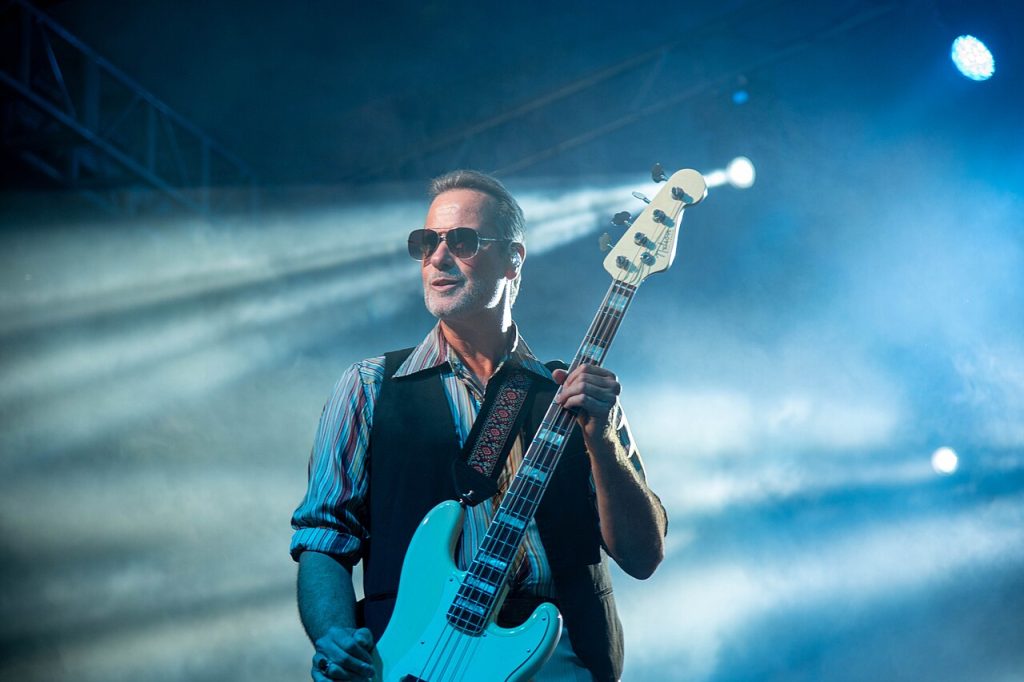
The bassist’s journey began long before Stone Temple Pilots became a household name. Growing up in New Jersey, Robert DeLeo developed a passion for music from an early age. He spent countless hours practicing his instrument, drawing inspiration from funk, rock, and progressive music. This diverse musical foundation would later prove invaluable as he crafted the unique sound that Stone Temple Pilots became famous for. DeLeo’s dedication to his craft set him apart from other musicians in the Los Angeles rock scene during the late 1980s.
The Formation of Stone Temple Pilots
In 1989, Robert DeLeo joined forces with vocalist Scott Weiland, guitarist Dean DeLeo (his brother), and drummer Eric Kretz to form Stone Temple Pilots. The band quickly gained attention in the Los Angeles music scene with their innovative blend of grunge, funk, and hard rock. DeLeo’s bass playing was crucial to this fusion, providing groovy foundations that set the band apart from other grunge acts emerging at the time. His ability to lock in with the rhythm while adding melodic elements made Stone Temple Pilots instantly distinctive.
The chemistry between Robert DeLeo and his bandmates was remarkable. His bass lines complemented Scott Weiland’s powerful vocals and Dean DeLeo’s guitar work perfectly. Together, they created a sound that appealed to both mainstream audiences and critics. The band’s early performances showcased DeLeo’s technical skill and his understanding of how bass could drive a song forward. Unlike some bassists who simply followed the drums, Robert DeLeo often led the groove, creating space and movement within the arrangements.
Breakthrough Success and Musical Innovation
When Stone Temple Pilots released their 1992 debut album, audiences immediately recognized something special about Robert DeLeo’s contributions. Tracks featuring his bass work demonstrated his versatility across different tempos and musical styles. He could deliver thunderous low-end power on heavier songs while simultaneously showing finesse on more melodic material. This range became a signature element of the band’s sound.
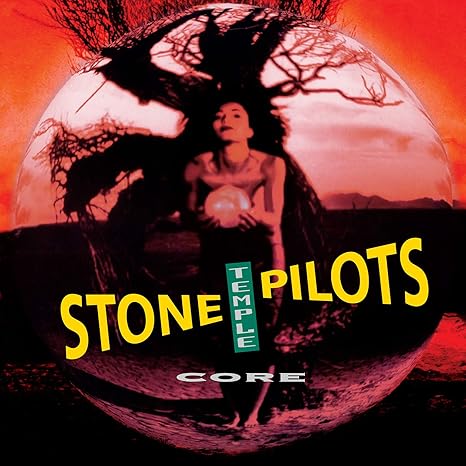
The release of “Core“ marked the beginning of Stone Temple Pilots’ rise to superstardom. Robert DeLeo’s bass lines on songs like “Plush” and “Sex Type Thing” showcased his ability to create memorable, groove-oriented foundations. These tracks proved that a bassist could be a focal point of interest rather than merely supporting the other instruments. DeLeo’s work influenced countless bassists who came after him, demonstrating that funk-influenced bass playing could thrive within a hard rock context.
The follow-up album “Purple,” released in 1994, cemented Stone Temple Pilots’ status as one of the biggest rock bands in the world. Robert DeLeo continued to evolve his bass playing, incorporating more sophisticated harmonic awareness into his lines. Songs like “Interstate Love Song” featured bass work that was both accessible and complex, earning him respect from musicians across different genres. His contributions to “Purple” showed remarkable growth in his songwriting and arrangement skills.

Technical Mastery and Playing Style
Robert DeLeo’s playing style combines several distinct influences into a cohesive approach. His funk background provides rhythmic precision and groove sensibility, while his rock influences bring power and presence to his tone. He frequently employs pick-style playing, which gives his bass a more aggressive, articulate sound compared to fingerstyle players. This technique choice became part of Stone Temple Pilots’ overall sonic signature.
DeLeo’s approach to bass involves creating melodic statements rather than simply outlining chords. He often plays counter-melodies against the main vocal lines, adding depth and interest to arrangements. This approach requires significant understanding of music theory and arrangement principles. His bass lines frequently move independently of the kick drum, creating polyrhythmic textures that give Stone Temple Pilots their distinctive character.
Career Longevity and Legacy
Throughout the 1990s and 2000s, Robert DeLeo remained committed to Stone Temple Pilots despite numerous lineup changes and industry challenges. The band went on hiatus but reunited multiple times, with DeLeo’s bass work remaining as solid and inventive as ever. His consistency demonstrated his professionalism and dedication to the craft of bass playing. Even as musical trends shifted away from grunge, DeLeo’s contributions to the genre remained celebrated.
The impact of Robert DeLeo on bass playing cannot be overstated. He proved that bassists could be interesting, dynamic contributors to rock music. Young musicians studied his lines, learned his techniques, and incorporated his approaches into their own playing. His work with Stone Temple Pilots provided a masterclass in how to balance groove with melody, power with finesse, and individual expression with band unity.
Today, Robert DeLeo continues performing and recording with Stone Temple Pilots. His legacy as a bassist extends beyond just the notes he plays. He represents a particular approach to music that values both technical skill and emotional expression. For anyone interested in bass playing, rock music, or 1990s alternative rock history, understanding Robert DeLeo’s contributions to Stone Temple Pilots is essential. His journey demonstrates how a dedicated musician can help create something timeless that continues to inspire listeners and musicians decades after its creation.
The Musical Evolution and Impact of Stone Temple Pilots on Grunge and Alternative Rock
Robert DeLeo shaped the sound of an entire generation as the bassist and primary songwriter for Stone Temple Pilots. His contributions to the band fundamentally changed how people understood grunge and alternative rock music. You might recognize his deep, melodic bass lines that became the backbone of some of the 1990s’ most iconic songs. DeLeo’s work deserves recognition not just as a musician, but as an architect of alternative rock itself.
Stone Temple Pilots emerged from Los Angeles in the early 1990s at a time when Seattle’s grunge movement dominated rock radio. While many bands tried to replicate the raw, heavy sound coming from the Pacific Northwest, Robert DeLeo brought something different to the table. He understood that grunge didn’t have to sound exactly like Nirvana or Soundgarden. His innovative approach to bass playing showed that you could honor the spirit of alternative rock while creating something uniquely yours. This philosophy became the foundation of Stone Temple Pilots’ breakthrough sound.
The Bass Player Who Changed Everything
Robert DeLeo’s bass work set him apart from other musicians in the alternative rock scene. Rather than simply following the drums or guitar riffs, he created countermelodies that stood as prominent features in Stone Temple Pilots’ songs. When you listen to tracks like “Plush” or “Interstate Love Song,” you immediately notice how the bass drives the emotional core of the music. DeLeo proved that the bass guitar could be a lead instrument in its own right.
His technique combined elements from funk, rock, and progressive music. DeLeo wasn’t afraid to use effects, create intricate patterns, and push the boundaries of what a bassist could do in a rock band. This approach influenced countless musicians who came after him. Young bassists studying grunge and alternative rock learned that their instrument could carry melodies and create textures that enhanced the overall sound. Stone Temple Pilots’ Robert DeLeo demonstrated this principle on every album.
Songwriting That Defined a Generation
Beyond his bass playing, Robert DeLeo co-wrote most of Stone Temple Pilots’ material alongside vocalist Scott Weiland. You’ll find his fingerprints on the band’s biggest hits and deepest album cuts. DeLeo understood song structure, melody, and what made listeners connect emotionally with music. His songwriting contributions helped Stone Temple Pilots achieve something remarkable: they created albums that worked both as radio-friendly rock records and as deep artistic statements.
The songs that Robert DeLeo helped write addressed real human experiences. Whether dealing with addiction, heartbreak, or personal struggle, the lyrics combined with his musical arrangements created powerful moments. This balance between accessibility and artistic depth attracted fans from different backgrounds. You didn’t need to be a die-hard alternative rock fan to appreciate Stone Temple Pilots’ music because DeLeo’s songwriting made it universally relatable.
Stone Temple Pilots and the Grunge Legacy
Stone Temple Pilots often faced criticism for being a grunge band that came from Los Angeles rather than Seattle. Some purists believed the band was trying too hard to capitalize on grunge’s popularity. However, Robert DeLeo understood that grunge as a musical movement wasn’t limited by geography. Instead, it represented an attitude and an approach to rock music that could exist anywhere. His bass lines and songwriting helped prove this point.
When you examine the band’s discography, you see how they evolved beyond simple grunge imitation. Albums like “Purple” showed sophistication and range that went beyond the typical grunge blueprint. DeLeo’s contributions were essential to this evolution. He created music that satisfied longtime rock fans while introducing new listeners to alternative rock. This broader appeal helped extend Stone Temple Pilots’ career and influence well into the 2000s and beyond.
Technical Innovation in Alternative Rock
Robert DeLeo’s technical abilities on bass represented something relatively new in grunge and alternative rock during the 1990s. Many bands in the genre emphasized rawness and emotion over technical skill. DeLeo managed to balance both. He showed you that being technically proficient didn’t mean sacrificing the raw power and honesty that made alternative rock special.
His use of tone shaping, different playing techniques, and thoughtful arrangement choices created depth in Stone Temple Pilots’ music. When you listen to how he interacted with guitarist Dean DeLeo, you hear a conversation between two musicians who understood each other’s artistic vision. This dynamic created music that felt both spontaneous and carefully constructed, a quality that resonates with listeners even today.

Enduring Influence on Bass Players
Musicians who picked up bass after hearing Stone Temple Pilots often cite Robert DeLeo as a major inspiration. His approach showed that being a great bassist in a rock band meant more than keeping time. It meant contributing to songwriting, creating memorable parts, and pushing the instrument’s capabilities. Young musicians learned from his example that you could be both a team player and a creative force within a band.
The influence of Robert DeLeo extends beyond just bass players. Songwriters and producers took note of how he structured songs and arranged instruments. His work demonstrated that alternative rock could be both commercially successful and artistically ambitious. This lesson continues to influence musicians across many genres today.
The Lasting Impact of Stone Temple Pilots
Stone Temple Pilots’ place in rock history remains secure partly because of Robert DeLeo’s contributions. The band created music that defined the 1990s alternative rock scene while maintaining enough originality to stand apart from their contemporaries. DeLeo’s bass lines became instantly recognizable, and his songwriting crafted narratives that still resonate with listeners today.
You can trace the influence of Robert DeLeo and Stone Temple Pilots through countless rock and alternative bands that emerged in the years following their breakthrough. The approach DeLeo took to his instrument and songwriting opened new possibilities for how rock music could sound. His legacy proves that sometimes the most important contributions come from players willing to innovate while respecting the traditions of their genre.
Robert DeLeo’s Songwriting Contributions and Creative Process with the Band
Robert DeLeo stands as one of the most influential bass players and songwriters in rock music history. As a founding member of Stone Temple Pilots, he shaped the sound of grunge and alternative rock throughout the 1990s and beyond. His creative fingerprints are all over some of the biggest hits from the band, and understanding his songwriting process reveals much about what made Stone Temple Pilots so distinctive and successful.
When Stone Temple Pilots formed in Los Angeles during the late 1980s, Robert DeLeo brought something special to the table. Unlike many bassists who simply follow the guitar lines, DeLeo treated the bass as a lead instrument capable of carrying melodies and defining the emotional core of a song. This approach became fundamental to Stone Temple Pilots’ identity. His bass work wasn’t just rhythmic support—it was often the foundation upon which entire songs were built.
The Foundation of Stone Temple Pilots’ Sound
DeLeo’s songwriting contributions extended far beyond his bass playing. He co-wrote many of Stone Temple Pilots’ most memorable tracks, working closely with lead singer Scott Weiland to develop the band’s signature sound. This partnership was crucial because it combined Weiland’s vocal presence and lyrical sensibilities with DeLeo’s melodic bass lines and structural ideas. Together, they created songs that balanced heavy rock elements with surprising melodic hooks that caught listeners off guard.
The creative process within Stone Temple Pilots involved all band members, but DeLeo’s role was especially pivotal. He often came to the table with bass melodies that would inspire the overall direction of a song. Rather than waiting for the guitars and drums to be finalized, DeLeo would propose fundamental ideas that the rest of the band would build upon. This bottom-up approach to songwriting created a unique dynamic that separated Stone Temple Pilots from their contemporaries.
One of the most striking aspects of DeLeo’s creative process is his ability to blend different musical influences. He drew inspiration from funk, jazz, and progressive rock while working within the alternative rock framework. This eclecticism gave Stone Temple Pilots songs a complexity that rewarded repeated listening. Fans often discovered new layers in familiar tracks because of the intricate bass work and harmonic choices that DeLeo championed.
Collaboration and Musical Chemistry
Working with guitarist Dean DeLeo, his brother, created a natural chemistry that enhanced the songwriting process. The two brothers understood each other’s musical language intuitively. When one brother presented an idea, the other could immediately grasp the intention and add complementary elements. This brotherly connection meant that disagreements about musical direction were handled with a deeper understanding than might occur between unrelated musicians.
The collaboration between the DeLeo brothers and Scott Weiland produced some of rock music’s most enduring songs. Tracks like “Plush,” “Interstate Love Song,” and “Vasoline” showcase how effectively DeLeo’s bass lines could anchor a song while allowing space for Weiland’s powerful vocals. These songs demonstrate a songwriter who understood that great music requires balance. Too much complexity obscures the message, while too much simplicity fails to engage sophisticated listeners.
DeLeo’s approach to songwriting also reflected his understanding of what made music resonate emotionally. He recognized that the most powerful songs combine accessibility with depth. The bass lines he wrote were memorable enough that casual listeners would hum them, yet complex enough that musicians and dedicated fans would continue discovering new nuances years after first hearing the tracks.
Evolution of Creative Expression
Throughout Stone Temple Pilots’ career, DeLeo’s songwriting evolved while maintaining its core identity. Early albums showcased raw energy and heavier influences, while later work incorporated more sophisticated arrangements and diverse musical textures. This evolution showed DeLeo’s willingness to grow as a songwriter while staying true to the fundamental principles that made his work distinctive.
His creative process typically began with a bass melody or riff that captured an emotional feeling. Rather than forcing this idea into a predetermined structure, DeLeo allowed the music to develop organically. He would present his ideas to the band, and through discussion and experimentation, the song would take shape. This collaborative approach meant that songs often surprised everyone involved, including the DeLeo brothers themselves.
Robert DeLeo’s contributions to Stone Temple Pilots extended the possibilities of what a bassist and bassist-songwriter could achieve in rock music. His work proved that bass players could be primary creative forces, not just supporting players. For anyone interested in understanding how great rock songs come together, studying DeLeo’s creative process with Stone Temple Pilots offers invaluable lessons in collaboration, musicality, and artistic vision.
The Band’s Most Iconic Albums and DeLeo’s Role in Their Commercial Success
Robert DeLeo’s Foundational Impact on Stone Temple Pilots
Robert DeLeo stands as the creative backbone of Stone Temple Pilots, serving as the band’s bassist and a primary songwriter throughout their career. When you examine the commercial trajectory of this influential rock band, DeLeo’s contributions become impossible to overlook. His bass lines didn’t just support melodies—they defined them. The way he constructed rhythmic foundations gave the band its distinctive sound that resonated with millions of listeners worldwide.
DeLeo’s approach to bass playing brought a level of musicianship that elevated Stone Temple Pilots beyond typical grunge contemporaries. He treated the bass as a lead instrument rather than a background element. This philosophy meant that his work was immediately recognizable across radio stations and concert venues. Listeners could identify a Stone Temple Pilots track within seconds, largely due to DeLeo’s sonic signature. His technical proficiency combined with melodic sensibility created a blueprint that influenced countless musicians in rock and alternative genres.
Core Albums That Defined a Generation
The band’s debut album showcased DeLeo’s ability to craft songs that balanced commercial appeal with artistic depth. This release established Stone Temple Pilots as a major force in rock music during the early 1990s. The album featured hooks that stuck in your head while maintaining the musical complexity that critics respected. DeLeo co-wrote several standout tracks that became staples of rock radio, proving that commercial success and musical integrity weren’t mutually exclusive.
Their follow-up effort cemented the band’s position as leaders in their genre. DeLeo’s bass work became even more prominent on this album, with tracks showcasing his ability to create memorable melodies that drove songs forward. The chemistry between DeLeo and his bandmates reached new heights, resulting in an album that achieved both platinum status and critical acclaim. You could hear maturity in the songwriting, with DeLeo contributing compositions that explored new emotional territory while maintaining the accessibility that made the band popular.
Commercial Success Through Musical Innovation
What made Stone Temple Pilots commercially successful was their refusal to follow formulas. DeLeo played a crucial role in this innovation. He constantly experimented with his bass tone, sometimes using effects that were unusual for rock music at the time. His willingness to take risks paid off, creating songs that sounded fresh and exciting to listeners tired of predictable rock structures.

The band’s third major album demonstrated how DeLeo’s songwriting had evolved into something more sophisticated. He worked alongside vocalist Scott Weiland to create compositions that tackled complex themes while remaining accessible to mainstream audiences. This balance kept the band relevant and commercially viable through changing musical trends. DeLeo understood what made people want to buy albums and attend concerts, and he channeled that understanding into every bass line and song he helped create.
Live Performance and Album Legacy
Beyond studio recordings, DeLeo’s performance abilities translated perfectly to live settings. Fans attending concerts experienced the full power of his musical vision. When you watched him perform, you understood why Stone Temple Pilots sold millions of records. His energy and technical mastery during shows reinforced the quality captured on albums. This connection between studio perfection and live performance created devoted fans who purchased multiple albums and merchandise.
DeLeo’s catalog with Stone Temple Pilots includes songs that have aged remarkably well. Nearly three decades after initial release, these tracks continue attracting new listeners while maintaining popularity with longtime fans. The timeless quality of his compositions speaks to his abilities as both a musician and songwriter. He knew how to write songs with staying power, melodies that felt fresh on the hundredth listen.
Robert DeLeo’s influence on Stone Temple Pilots’ commercial success cannot be separated from the band’s musical excellence. He created an environment where artistic expression and commercial viability coexisted naturally. Through iconic albums and unforgettable performances, DeLeo solidified Stone Temple Pilots’ place in rock music history while proving that depth and popularity aren’t opposing forces.
Stone Temple Pilots’ Reunions and Robert DeLeo’s Lasting Legacy in Rock Music
Robert DeLeo stands as one of the most influential bass players in rock music history, and his work with Stone Temple Pilots has shaped the sound of grunge and alternative rock for generations. The bassist’s creative contributions extend far beyond simple rhythm-keeping—he’s been instrumental in crafting the band’s signature sound and has played a crucial role in their multiple reunions over the years.
When you think about Stone Temple Pilots, you’re thinking about a band that emerged from the Seattle grunge scene in the early 1990s. Robert DeLeo’s bass work was essential to making the band stand out among their peers. His melodic approach to the bass guitar transformed how people listened to the instrument in the alternative rock genre. Unlike traditional bass players who focused solely on keeping time, DeLeo created intricate bass lines that became memorable parts of the band’s songs, often serving as the foundation that tied the entire composition together.
The Foundation of Stone Temple Pilots’ Sound
Robert DeLeo’s bass playing became the backbone of Stone Temple Pilots’ most iconic tracks. Songs like “Plush,” “Interstate Love Song,” and “Vasoline” showcase his ability to blend technical skill with melodic sensibility. His bass lines weren’t just background elements—they were front-and-center components that fans could recognize and sing along to. This approach influenced countless musicians and helped define what alternative rock bass playing could be in the 1990s.
The chemistry between DeLeo and the rest of Stone Temple Pilots created a sonic landscape that was both heavy and sophisticated. While vocalist Scott Weiland grabbed most of the headlines, DeLeo’s contributions were equally vital to the band’s success. His understanding of how to balance power and melody gave the band their distinctive character, setting them apart from other grunge and alternative acts that dominated the airwaves during that era.
Reunion Efforts and Band Continuity
Stone Temple Pilots experienced several breakups and reunions throughout their career, and Robert DeLeo remained a constant presence through most of these changes. The band first disbanded in 2002, leaving fans wondering if they’d ever hear new material again. However, DeLeo’s commitment to the band’s legacy helped pave the way for their return.
When Stone Temple Pilots reunited in 2008, it marked a significant moment for rock fans everywhere. Robert DeLeo’s return to the bass was a signal that the band remained intact creatively and spiritually. The reunion tours and subsequent studio work demonstrated that the chemistry between band members had never truly faded. DeLeo’s bass lines retained all their power and precision, reminding audiences why Stone Temple Pilots had been so important to their lives.
The band continued to navigate changes in their lineup, most notably with vocal duties, but DeLeo remained a stabilizing force. His presence ensured that the band’s core identity stayed true to its roots while allowing room for evolution and growth. Fans appreciated that DeLeo never compromised on the quality of his playing, maintaining the same level of dedication that made Stone Temple Pilots special in the first place.
Robert DeLeo’s Impact on Rock Music
Beyond his work with Stone Temple Pilots, Robert DeLeo’s legacy extends throughout the broader rock music landscape. His influence can be heard in the work of countless bass players who came after him. Young musicians studying the bass guitar often look to DeLeo as a prime example of how to play with both technical ability and musical heart.
The bass player’s approach to composition and arrangement helped redefine what rock bass playing could accomplish. He proved that the bass didn’t have to stay in the background and that a skilled bassist could carry melodies and create memorable hooks. This mindset shifted how rock bands thought about the bass guitar’s role in their music, leading to a generation of more creative and expressive bass playing throughout the industry.
Rock music fans recognize DeLeo as someone who elevated his instrument to new heights. His work demonstrated that patience and precision in bass playing could create emotional connections with listeners. Whether you’re a longtime fan of Stone Temple Pilots or someone new to the band’s music, you can hear the artistry and dedication that Robert DeLeo brings to every note he plays.
The Enduring Relevance of Stone Temple Pilots
What makes Stone Temple Pilots’ story so compelling is their ability to remain relevant across different eras. Robert DeLeo’s contributions have been central to this longevity. The band’s songs continue to resonate with both longtime fans and newer listeners who discover their music through streaming services and digital platforms.
The reunions of Stone Temple Pilots with Robert DeLeo solidified their place in rock history. These comeback efforts weren’t desperate attempts to relive past glory, they were genuine artistic endeavors that showed the band still had something meaningful to offer. DeLeo’s bass playing in these later performances proved that great musicianship doesn’t diminish with time. If anything, his experience and maturity as a musician made his performances even more nuanced and powerful.
Robert DeLeo’s lasting legacy in rock music is ultimately about authenticity, skill, and artistic integrity. His work with Stone Temple Pilots created a blueprint for how alternative rock could sound, and his presence through the band’s reunions ensured that their music remained vital and relevant. For anyone interested in understanding the evolution of rock music in the late twentieth and early twenty-first centuries, paying attention to Robert DeLeo and Stone Temple Pilots is absolutely essential.
Conclusion
Robert DeLeo’s story with Stone Temple Pilots stands as a testament to the power of musical vision and creative partnership. From his early days as a founding member to his present role in the band’s continued evolution, DeLeo has proven himself indispensable to the group’s identity and sound.
The bassist’s contributions extend far beyond holding down the low end. His songwriting skills and innovative approach to bass playing have shaped some of rock music’s most memorable moments. Whether you’re discovering the band for the first time or rediscovering their catalog, you’ll find DeLeo’s fingerprints on tracks that defined a generation of music lovers.
Stone Temple Pilots achieved what many bands only dream of accomplishing. They helped reshape the grunge and alternative rock landscape while maintaining their own distinctive voice. DeLeo played a crucial role in this success, crafting bass lines that became instantly recognizable and co-writing songs that connected with millions of people worldwide.
The band’s various reunions have reminded us why their music still matters today. Each comeback brought renewed energy and allowed DeLeo to reconnect with fans who grew up with the band’s soundtrack to their lives. His presence in these reunion efforts demonstrates his commitment to the legacy he helped build.
Looking forward, Robert DeLeo’s impact on rock music will continue to resonate. His influence extends to countless musicians who have studied his techniques and learned from his creative approach. Stone Temple Pilots may have evolved over the decades, but DeLeo’s fundamental contribution to their success remains timeless. For anyone interested in understanding alternative rock’s golden era, understanding Robert DeLeo’s role is essential.