
Rory Gallagher: The Irish Blues Rock Warrior Who Never Compromised
Rory Gallagher stands as one of rock music’s most authentic and uncompromising figures. From his explosive performances with Taste to his legendary solo career that spanned two decades, Rory Gallagher’s journey has been a testament to pure musical integrity. Even decades after his untimely death in 1995, this Irish blues rock virtuoso continues to inspire millions with his blistering guitar work, raw emotional power, and absolute dedication to his craft. Rory Gallagher never chased commercial success or compromised his vision-he simply played with his soul, creating a legacy that ranks him among the greatest guitarists in rock history.
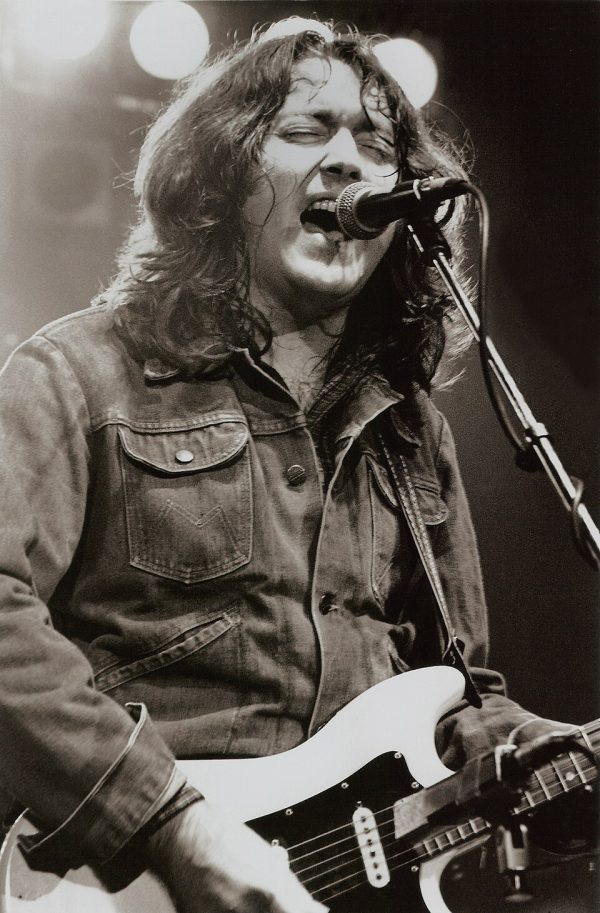
Image credit: Wikimedia Commons
Early Life and Musical Beginnings
Rory Gallagher was born William Rory Gallagher on March 2, 1948, in Ballyshannon, County Donegal, Ireland. His path to musical greatness began in the vibrant musical atmosphere of post-war Ireland, where traditional folk music mixed with the exciting new sounds of American rock and roll. When Rory Gallagher was just two years old, his family moved to Cork City, where his father worked as a clerk for the Electricity Supply Board. It was in Cork that young Rory would discover his lifelong passion.
His musical awakening came at age nine when he received his first guitar-a cheap acoustic instrument that sparked an obsession. By age twelve, Rory Gallagher had already taught himself to play by listening to records by Muddy Waters, Leadbelly, and Woody Guthrie. His older brother Dónal became his closest confidant and eventual manager, recognizing early on that Rory Gallagher possessed extraordinary talent. The blues records that came through Cork’s shops became Rory Gallagher’s education, and he absorbed every note with fierce dedication.
At age fifteen, Rory Gallagher joined his first professional band, the Fontana Showband, playing at local dances throughout Ireland. Though showbands typically played popular covers, the teenage guitarist was already pushing to include blues and rock numbers in the setlist. His talent was undeniable-he could mimic the styles of Buddy Guy, Muddy Waters, and Chuck Berry with frightening accuracy. By 1963, Rory Gallagher had moved on to a more rock-oriented group called the Impact, where he could finally play the music he loved.
The Impact gave Rory Gallagher his first taste of recording, laying down tracks at a local Cork studio. Though these recordings were primitive, they captured the raw power of his guitar playing. More importantly, the Impact’s residency at Cork’s City Hall Ballroom allowed Rory Gallagher to develop his stage presence and guitar technique before crowds that grew larger with each performance. By age eighteen, Rory Gallagher had already logged thousands of hours on stage, developing the work ethic and performance intensity that would define his entire career.
Taste: The Power Trio Years (1966-1970)
In 1966, Rory Gallagher took his most significant career step yet by forming Taste, a blues rock power trio that would put him on the international map. Originally formed in Cork with bassist Eric Kitteringham and drummer Norman Damery, Taste relocated to Belfast and then to London as he pursued bigger opportunities. The lineup that would achieve fame featured Rory Gallagher on guitar and vocals, Richard McCracken on bass, and John Wilson on drums-a stripped-down format that allowed his guitar work to explode with maximum impact.
Taste quickly gained a reputation as one of the most exciting live acts in Britain. His guitar playing was unlike anything audiences had experienced-his fingers flew across the fretboard with impossible speed, his bends were vocal and crying, and his energy was absolutely relentless. Taste’s blues rock sound combined the rawness of Chicago blues with the power of British rock, creating something uniquely compelling. The band’s self-titled debut album in 1969 showcased his compositional skills alongside covers of blues classics.
Taste’s second album, “On the Boards” (1970), demonstrated his growing ambition and versatility. The album incorporated jazz influences, progressive rock elements, and even folk touches, all filtered through his blues sensibility. Tracks like “What’s Going On” and “Morning Sun” showed that Rory Gallagher could write compelling original material that matched the emotional depth of the traditional blues he loved. The album reached number 18 on the UK charts, confirming Taste’s commercial viability.
The crowning achievement of Taste’s career came at the Isle of Wight Festival in August 1970, where the band delivered a blistering performance before 600,000 fans. Sharing the bill with Jimi Hendrix, The Who, and The Doors, Rory Gallagher held his own, earning standing ovations and critical acclaim. Many who attended cite Taste’s set as one of the festival’s highlights. Yet despite this triumph, tensions within the band-particularly regarding management and creative control-led to Taste’s dissolution in late 1970. Rory Gallagher wanted complete artistic freedom, and he was willing to start over to get it.
💡 Did You Know?
During the height of the Troubles in Northern Ireland, when most international acts refused to tour there due to safety concerns, Rory Gallagher insisted on playing for Irish fans on both sides of the divide. His 1974 Irish tour, which resulted in the legendary “Irish Tour ’74” album, included performances in Belfast and other conflict zones. Rory believed music could transcend political and religious divisions, and his courage in performing during this dangerous period earned him deep respect throughout Ireland.
Solo Career: Breaking Free (1971)
In 1971, Rory Gallagher launched his solo career with a self-titled album that established the template for everything that followed. Released in May 1971, “Rory Gallagher” featured Gerry McAvoy on bass and Wilgar Campbell on drums-the beginning of a working relationship with McAvoy that would last throughout his career. The album was recorded quickly and cheaply, capturing the raw, unpolished sound that he preferred over studio perfection. Songs like “Laundromat” and “I Fall Apart” showcased his ability to write blues-based rock that felt both traditional and contemporary.
What set Rory Gallagher apart from other blues rock guitarists of the era was his absolute refusal to compromise. While peers like Eric Clapton and Peter Frampton were exploring pop production and mainstream success, he remained stubbornly committed to raw blues rock. He avoided trendy musical fashions, rejected elaborate stage productions, and never wore anything fancier than jeans and a flannel shirt. This authenticity resonated deeply with fans who were tired of rock star pretension. Rory Gallagher was one of them-a working-class musician who happened to be touched by genius.
Rory Gallagher’s second solo album, “Deuce” (November 1971), came just six months after his debut. The album peaked at number 39 on the UK charts and included “Used to Be,” which became a concert staple. The rapid release schedule reflected his incredible work ethic-he was constantly writing, recording, and touring. Where other artists might release one album every two years, he averaged nearly an album per year throughout the 1970s. This prolific output was possible because he lived and breathed music with single-minded intensity.
By the end of 1971, Rory Gallagher had established himself as a solo artist with a devoted following. His relentless touring schedule-often 200+ shows per year-built a grassroots fanbase that spread across Europe and eventually to America. Rory Gallagher’s concerts were marathons of blues rock intensity, often running two and a half hours without a break. He played until his fingers bled, his shirts were soaked with sweat, and his audiences were exhausted from dancing and cheering. This was Rory Gallagher’s mission: to give everything he had, every single night, without exception.
Irish Tour ’74: The Live Album That Defined Him
In January 1974, Rory Gallagher undertook a tour of Ireland that would result in his most celebrated album and the documentary that immortalized his approach to music. “Irish Tour ’74” captured him at the peak of his powers, performing in venues from Cork to Belfast during one of Ireland’s most troubled periods. While most international acts avoided Ireland due to the Troubles, he insisted on playing for his home country, viewing music as something that could transcend political and religious divisions.
The live album, recorded at various Irish venues, became his highest-charting release, reaching number 9 on the UK charts. The raw energy and spontaneity captured on “Irish Tour ’74” set a new standard for live rock albums. His guitar work on tracks like “Cradle Rock,” “I Wonder Who,” and “Tattoo’d Lady” demonstrated why musicians from Jimi Hendrix to The Edge consider him one of the greatest guitarists ever. Every solo was a conversation between the guitarist and his battered Fender Stratocaster, the instrument he’d bought in 1963 and played for his entire career.
Director Tony Palmer’s accompanying documentary showed a side of the artist that studio albums couldn’t capture. The film revealed his connection with his audience, his humble demeanor offstage, and the sheer physical and emotional commitment he brought to every performance. Watching the documentary, viewers understood what made him special-he wasn’t playing for stardom or wealth; he was playing because he had to, because the music demanded it. This purity of purpose made his performances transcendent experiences rather than mere concerts.
The success of “Irish Tour ’74” solidified his reputation as one of rock’s great live performers. Critics who had sometimes found his studio albums too raw now understood that he was fundamentally a live artist-the stage was where his gift fully revealed itself. The album remained a touchstone throughout Rory Gallagher’s career, the standard against which all his other live releases would be measured. For many fans, “Irish Tour ’74” is simply the definitive Rory Gallagher album, capturing everything essential about his artistry in 48 minutes of incendiary blues rock.
💡 Did You Know?
When the Rolling Stones were auditioning guitarists to replace Mick Taylor in 1975, Rory Gallagher was seriously considered for the position. He impressed the band during auditions, but ultimately chose to maintain his independence rather than become a sideman. His brother Dónal later confirmed that Rory preferred complete artistic control over commercial success, even turning down one of rock’s most prestigious gigs to stay true to his vision.
Peak Years and Global Recognition (1970s)
The mid-1970s represented his commercial and critical peak. Following the success of “Irish Tour ’74,” Rory Gallagher released “Against the Grain” (1975), which reached number 15 on the UK charts-his highest-charting studio album. The album showed him expanding his sonic palette with more sophisticated arrangements while maintaining his blues rock foundation. Songs like “Souped-Up Ford” and “Cross Me Off Your List” demonstrated that he could write memorable hooks without sacrificing his artistic integrity.
In 1975, Rory Gallagher was considered for the vacant guitarist position in the Rolling Stones following Mick Taylor’s departure. Though he auditioned and impressed the band, he ultimately wasn’t selected-a decision that probably suited him fine, as joining the Stones would have meant compromising the independence he valued above all else. His brother and manager Dónal later confirmed that Rory preferred leading his own band to being a sideman, no matter how prestigious the gig.
The album “Calling Card” (1976) brought him some of his finest songwriting and production. Recorded with Deep Purple bassist Roger Glover producing, the album showcased a slightly more polished sound without losing his essential rawness. The title track became a concert favorite, with its Chuck Berry-influenced riff and his singing and guitar work perfectly balanced. Despite critical acclaim, “Calling Card” only reached number 32 on the UK charts-a reminder that Rory Gallagher’s uncompromising approach limited his commercial ceiling.
Throughout the late 1970s, Rory Gallagher maintained his punishing tour schedule, playing everywhere from small clubs to major festivals. His work ethic was legendary-260 shows in 1976, with performances from this era on Check Shirt Wizard, alone. While other rock stars traveled in luxury, he preferred driving himself to gigs in a battered van, staying in modest hotels, and keeping expenses minimal. This blue-collar approach endeared him to fans but frustrated those who thought he could have achieved greater commercial success with better marketing and management. But for him, the music was always the priority, and everything else was just distraction.
Later Career and Final Albums (1980s-1990s)
The 1980s brought new challenges as musical tastes shifted toward synthesizer-based pop and slick production. His raw blues rock sound suddenly seemed out of fashion, and his album sales declined accordingly. “Top Priority” (1979) and “Stage Struck” (1980) received positive reviews. Photo-Finish (1978) and Top Priority both failed to chart significantly. Yet he refused to change his approach or chase trends. He continued making the music he believed in, even as the commercial rewards diminished.
During this period, his personal struggles began affecting his career. He developed severe anxiety and health issues, partly stemming from his exhausting lifestyle. The musician who had once played 200+ shows annually now struggled to maintain that pace. Rory Gallagher became increasingly reclusive between tours, avoiding interviews and public appearances. Despite these difficulties, he continued creating powerful music. Albums like “Jinx” (1982) and “Defender” (1987) showed his songwriting remained strong even as the industry changed around him.
His final studio album, “Fresh Evidence” (1990), proved he could still produce compelling music. The album received excellent reviews, with critics praising his return to form after the less-successful “Defender.” Songs like “Kid Gloves” and “The King of Zydeco” demonstrated that his creativity hadn’t diminished-he was exploring new influences while staying true to his blues roots. Unfortunately, “Fresh Evidence” would be his last statement as his health continued deteriorating.
By the early 1990s, His touring had become sporadic as his health problems worsened. He continued playing whenever possible, driven by the same compulsion that had powered his entire career. But the physical toll of decades of constant touring, combined with increasing prescription medication use, was catching up with him. Those close to him worried about his condition, but he remained intensely private about his struggles. The guitarist who had given everything to his audience for three decades was now fighting just to maintain his ability to perform.
Health Decline and Tragic Death (1995)
In 1995, his health crisis reached a critical point. He had developed a severe infection and required emergency hospitalization in London. Doctors discovered that he needed a liver transplant-his years of anxiety-driven prescription medication use, combined with the physical stress of his lifestyle, had caused severe liver damage. After waiting months for a donor organ, he finally received a transplant on March 14, 1995, at King’s College Hospital in London.
The surgery initially appeared successful, and there was hope that he would recover and return to music. However, complications developed in the days following the transplant. His body struggled with the new organ, and despite aggressive medical intervention, his condition continued deteriorating. On June 14, 1995, at just 47 years old, Rory Gallagher died from complications related to the transplant and subsequent infection. The news shocked the music world-one of rock’s purest spirits had been silenced far too soon.
His funeral in Cork drew thousands of mourners, including famous musicians who came to pay respects to a man they considered a master of the guitar and a model of artistic integrity. The streets of Cork were lined with fans who wanted to say goodbye to their hometown hero. Musicians from The Edge to Johnny Marr to Gary Moore, who appears on Peter Green tribute albums alongside Rory, (himself an Irish guitar legend) spoke about his influence on their playing and his unfailing kindness and humility despite his immense talent.
The circumstances of his death sparked conversations about the physical and psychological toll of life as a working musician. His brother Dónal, who had managed Rory Gallagher’s career from the beginning, later spoke about the anxiety and stress that had plagued the guitarist despite his confident stage presence. He had given everything to his music, literally sacrificing his health in pursuit of his art. His death at such a relatively young age made clear the price he had paid for his uncompromising dedication to blues rock.
💡 Did You Know?
During the height of the Troubles in Northern Ireland, when most international acts refused to tour there due to safety concerns, Rory Gallagher insisted on playing for Irish fans on both sides of the divide. His 1974 Irish tour, which resulted in the legendary “Irish Tour ’74” album, included performances in Belfast and other conflict zones. Rory believed music could transcend political and religious divisions, and his courage in performing during this dangerous period earned him deep respect throughout Ireland.
Legacy and Posthumous Recognition
Since his death, his reputation has only grown. Musicians across genres cite him as a major influence-from Slash to The Edge to Joe Bonamassa, guitarists consistently name Rory Gallagher as one of their heroes. What makes his influence so profound is that he wasn’t just technically brilliant; he represented an approach to music-making that valued authenticity over commercial success, substance over style, and pure emotion over technical flash. In an era of increasing musical commercialization, he stood as a reminder of what rock music could be at its most honest and direct.
His estate, managed by his brother Dónal and later his nephew Daniel, has worked to preserve and expand his legacy. Numerous posthumous live albums have been released, drawn from his extensive archive of concert recordings. These releases-including “BBC Sessions” (1999), “Wheels Within Wheels” (2003), and various concert recordings-have introduced new generations to his extraordinary live performances. Each release demonstrates the consistent excellence of his playing across different venues, years, and circumstances.
In his hometown of Cork, Rory Gallagher is honored with a statue on Rory Gallagher Place, a permanent reminder of the city’s most famous musical son. The annual Rory Gallagher International Tribute Festival brings musicians and fans from around the world to celebrate his music and legacy. These tributes reflect how deeply he touched people-not just with his guitar playing but with his humanity and humility. Unlike many rock stars, he never lost touch with his roots or developed an inflated ego. He remained, to the end, a working musician who happened to possess genius-level talent.
Perhaps most importantly, His music continues to resonate with listeners discovering it for the first time. His albums haven’t aged or dated-the raw emotion and authentic blues feeling in his playing transcends era and fashion. Young guitarists still pick up his albums and marvel at his technique, his tone, and his ability to make a guitar sing, cry, and roar. In a music industry increasingly dominated by digital production and auto-tuned perfection, His unvarnished, human, and intensely emotional music offers something increasingly rare: absolute honesty and authenticity. That’s a legacy that will endure for generations.
Essential Rory Gallagher Albums
🎵 Irish Tour ’74 (1974)
The live album that captures Rory Gallagher at the absolute peak of his powers.
Recorded during a historic tour of Ireland during the Troubles, “Irish Tour ’74” represents everything essential about Rory Gallagher. The raw energy of his guitar work on “Cradle Rock,” the emotional depth of “As the Crow Flies,” and the sheer stamina required to deliver 48 minutes of blistering blues rock without a single weak moment-it’s all here. Rory Gallagher’s 1961 Fender Stratocaster, famously worn down to bare wood from years of playing, screams, weeps, and roars through every track. The album reached number 9 on UK charts and earned gold certification.
What makes “Irish Tour ’74” transcendent isn’t just Rory Gallagher’s virtuosic playing-it’s the palpable connection between artist and audience. You can hear the Irish crowds responding to their hometown hero, feel the electricity in venues from Cork to Belfast, and sense Rory Gallagher rising to the occasion with performances that defined his career. The accompanying documentary by Tony Palmer shows a musician completely devoted to his craft, humble offstage but transformed into a blues rock warrior once the spotlights hit. Critics consistently rank “Irish Tour ’74” among the greatest live albums in rock history, placing it alongside “Live at Leeds” and “Get Yer Ya-Ya’s Out.”
For anyone wanting to understand what made Rory Gallagher special, this album is the essential starting point. It captures not just great playing but a great spirit-an artist giving absolutely everything for the love of music.
🎵 Rory Gallagher (1971)
The solo debut that established Rory Gallagher as a force independent of Taste.
After the dissolution of Taste, Rory Gallagher needed to prove he could succeed as a solo artist. This self-titled debut made that case emphatically. Recorded with new collaborators Gerry McAvoy on bass and Wilgar Campbell on drums, the album showcased Rory Gallagher’s development as a songwriter alongside his already-established guitar mastery. Tracks like “Laundromat” and “I Fall Apart” demonstrated that he could craft memorable songs, not just impressive solos.
What distinguished this album from other blues rock releases of 1971 was its authentic rawness. While contemporaries were moving toward more polished production, Rory Gallagher deliberately chose a garage-like sound that emphasized feeling over technical perfection. His guitar tone-achieved through simple gear setups and captured with minimal studio trickery-became his signature. Songs like “Sinner Boy” and “For the Last Time” showed Rory Gallagher’s deep blues knowledge while proving he could make that tradition feel vital and contemporary.
This debut announced that Rory Gallagher would follow his own path, commercial concerns be damned. It remains the blueprint for everything that followed-honest, raw, and completely uncompromising.
🎵 Against the Grain (1975)
Rory Gallagher’s highest-charting studio album, blending blues with broader rock influences.
Released at the height of Rory Gallagher’s commercial success, “Against the Grain” reached number 15 on UK charts-his best studio album performance. The album found Rory Gallagher incorporating more diverse influences while maintaining his blues foundation. “Souped-Up Ford” became a concert staple with its driving rhythm and explosive solos, while “Cross Me Off Your List” showed Rory Gallagher could write catchy hooks when he chose to. The production was slightly more polished than previous efforts, though still far from slick by 1975 standards.
What makes “Against the Grain” significant is how it demonstrated Rory Gallagher’s evolution without compromise. He was expanding his musical vocabulary, experimenting with different song structures and arrangements, yet never sacrificing the raw emotional core of his music. The guitar work on tracks like “Ain’t Too Good” showed technical advancement-Rory Gallagher’s playing had become even more fluid and expressive through constant touring. Critics noted that Rory Gallagher was maturing as an artist, growing beyond pure blues into a more personal style.
For listeners who find earlier Rory Gallagher albums too raw, “Against the Grain” offers a more accessible entry point while still delivering the authentic passion that defined his work.
🎵 Fresh Evidence (1990)
Rory Gallagher’s final studio statement and a return to form after a difficult decade.
After the relative commercial failure of “Defender” and years of personal struggles, many wondered if Rory Gallagher could recapture his earlier magic. “Fresh Evidence” answered definitively: yes. The album showed Rory Gallagher exploring new influences (particularly zydeco and Cajun music) while staying true to his blues rock core. “The King of Zydeco” paid tribute to Clifton Chenier with authentic enthusiasm, while “Kid Gloves” featured some of Rory Gallagher’s most sophisticated guitar work. The production was cleaner than his 1970s albums but still emphasized live performance feel over studio perfection.
Critics praised “Fresh Evidence” as a creative renaissance, with many calling it Rory Gallagher’s best album since the 1970s. The guitar playing demonstrated that decades of constant performance had only deepened his expressive capabilities-every note felt earned and meaningful. Songs like “Empire State Express” showed Rory Gallagher could still deliver electrifying blues rock, while “Heaven’s Gate” revealed a more introspective side. Tragically, this would be His final studio album-he died just five years after its release.
“Fresh Evidence” stands as testament to Rory Gallagher’s enduring talent and commitment to his art, a fitting final chapter to his studio discography that proved his creativity never diminished.
🎵 Live! In Europe (1972)
Rory Gallagher’s first solo live album captured the intensity that made him legendary.
Just one year into his solo career, Rory Gallagher released “Live! In Europe,” documenting performances across the continent where he was building a devoted following. The double album showcased the marathon sets Rory Gallagher was delivering nightly-nearly 80 minutes of blues rock intensity without a wasted moment. Tracks like “Messin’ with the Kid” and “Laundromat” stretched beyond their studio versions, allowing Rory Gallagher space for extended improvisation that demonstrated his deep blues vocabulary and inexhaustible energy.
What separated Rory Gallagher from other guitarists was evident on “Live! In Europe”-he wasn’t showing off technical ability for its own sake but using every technique in service of emotional expression. His guitar wasn’t just an instrument; it was a voice communicating directly with audiences. The album reached number 9 on UK charts, establishing that Rory Gallagher’s live performances were commercial propositions, not just critical favorites. European audiences, particularly in Germany (captured on The Beat Club Sessions) and the Netherlands, embraced him with fervor, though his American performances like Notes From San Francisco showed he could captivate audiences there too. They embraced Rory Gallagher with fervor that sometimes exceeded his UK reception.
While “Irish Tour ’74” would later eclipse it in reputation, “Live! In Europe” remains essential listening for understanding Rory Gallagher’s development and the relentless work ethic that built his career.
🎸 The Ultimate Rory Gallagher Music Collection 🎵
🛒 RORY GALLAGHER: ESSENTIAL ALBUMS & LIVE RECORDINGS 🎸
Essential Albums, Legendary Live Recordings & Rare Collaborations from Ireland’s Blues Rock Master
🎵 Rory Gallagher (1971)
The Solo Debut That Started It All
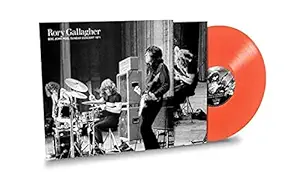
The album that established Rory Gallagher as a solo force in blues rock.
Features classics like “Laundromat” and “I Fall Apart” that showcase his raw guitar mastery.
Recorded with Gerry McAvoy and Wilgar Campbell, beginning a legendary musical partnership.
Essential listening for understanding the foundation of Rory Gallagher’s uncompromising approach.
A testament to pure, authentic blues rock without studio polish or commercial compromise.
🎵 Deuce (50th Anniversary) [2 CD]
The Sophomore Album Expanded
![🎵 Deuce (50th Anniversary) [2 CD] album cover](https://m.media-amazon.com/images/I/71mV2-jHolL._SY355_.jpg "Rory Gallagher - Biography, Albums & Latest News 2026 3")
Rory Gallagher’s second solo album remastered for its 50th anniversary with bonus tracks.
Includes “Used to Be” and “Don’t Know Where I’m Going” featuring Rory’s blistering guitar work.
Released just six months after his debut, demonstrating his incredible work ethic and creativity.
The expanded edition features previously unreleased material from the sessions.
Essential for serious Rory Gallagher collectors wanting the complete picture of this era.
🎵 Tattoo
The Blues Rock Masterpiece
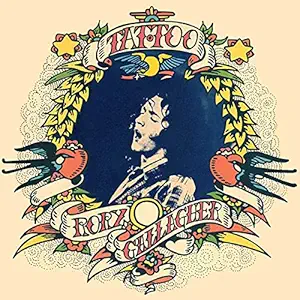
One of Rory Gallagher’s most acclaimed studio albums from 1973.
Features the iconic title track “Tattoo’d Lady” that became a concert staple.
Showcases Rory’s expansion beyond straight blues into more complex arrangements.
Includes acoustic moments alongside electric fury, revealing his versatility.
Critics consider this among his finest studio achievements for its consistency and ambition.
🎵 Against the Grain
Rory’s Highest-Charting Studio Album
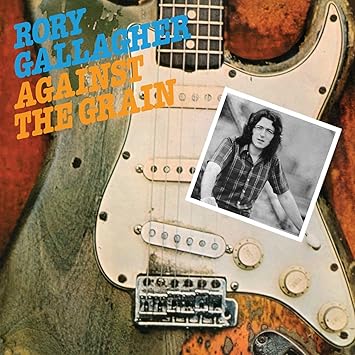
Reached #15 on UK charts, Rory Gallagher’s best commercial studio performance.
Features “Souped-Up Ford” and “Cross Me Off Your List” with unforgettable hooks.
Captures Rory at his creative peak in 1975, blending blues with broader rock influences.
More polished production without sacrificing the raw emotion that defined his sound.
The perfect entry point for new listeners seeking accessible yet authentic Rory Gallagher.
🎵 Calling Card
Deep Purple’s Roger Glover Produces
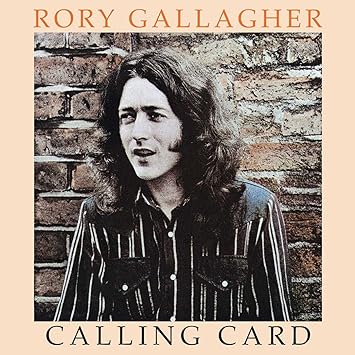
Produced by Roger Glover, bringing slightly slicker production to Rory’s raw sound.
The title track features Chuck Berry-influenced riffing and became a live favorite.
Demonstrates Rory Gallagher’s ability to maintain authenticity even with major rock production.
Includes “Moonchild” and “Edged in Blue” showcasing his songwriting maturity.
A perfect balance between Rory’s blues roots and mid-70s rock ambitions.
🎵 Irish Tour ’74
The Definitive Live Album
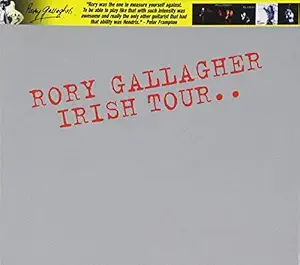
Widely considered one of the greatest live albums in rock history.
Recorded during historic Ireland tour amidst the Troubles, capturing Rory at absolute peak.
Features “Cradle Rock,” “Tattoo’d Lady,” and “A Million Miles Away” in explosive versions.
Reached #9 UK charts and earned gold certification for exceptional sales.
The essential Rory Gallagher album that captures everything special about his artistry.
🎵 Fresh Evidence
The Final Studio Statement
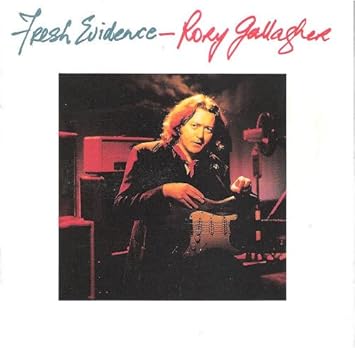
His final studio album from 1990, a triumphant return to form.
Features “The King of Zydeco” and “Kid Gloves” showcasing evolved musical interests.
Critics hailed it as Rory’s best work since the 1970s, proving his talent remained sharp.
Incorporates zydeco and Cajun influences while maintaining blues rock core.
A bittersweet masterpiece serving as Rory’s artistic farewell.
🎵 Live! In Europe
The First Live Solo Album

Rory Gallagher’s 1972 double live album documenting his European dominance.
Nearly 80 minutes of blues rock intensity captured at the peak of his touring prowess.
Reached #9 on UK charts, establishing Rory as a live performance legend.
Extended versions showcase improvisational genius and inexhaustible energy.
Essential for understanding why Rory was considered one of rock’s greatest live performers.
🎵 Taste – Self-Titled (1969)
The Power Trio Debut
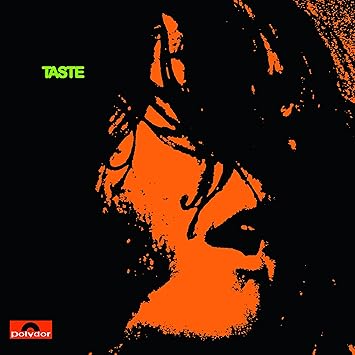
Taste’s explosive debut album that put Rory on the international map.
Features power trio blues rock that influenced countless bands.
Includes “Blister on the Moon” showcasing raw energy and guitar mastery.
Essential for understanding Rory’s pre-solo career and development.
The beginning of the journey that would lead to his legendary solo career.
🎵 On The Boards (Taste)
Taste’s Experimental Second Album
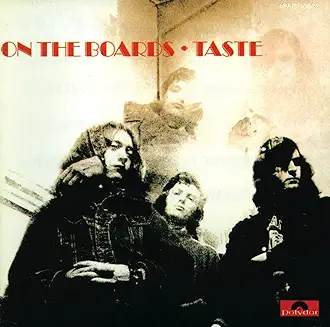
Taste’s 1970 sophomore album showing Rory’s expanding musical vision.
Incorporates jazz, progressive rock, and folk alongside blues foundation.
Reached #18 UK charts, Taste’s highest commercial achievement.
Features “What’s Going On” with adventurous arrangements.
Shows the ambition that would characterize Rory’s solo career exploration.
🎵 The Best of Rory Gallagher
Career-Spanning Anthology

Comprehensive compilation covering Rory’s entire solo career.
Features hit tracks and fan favorites from all studio albums.
Perfect entry point for new listeners discovering Rory’s music.
Demonstrates the consistency and quality across his catalog.
Essential purchase for those wanting overview before diving into full albums.
🎵 BBC Sessions (1999)
Posthumous BBC Collection
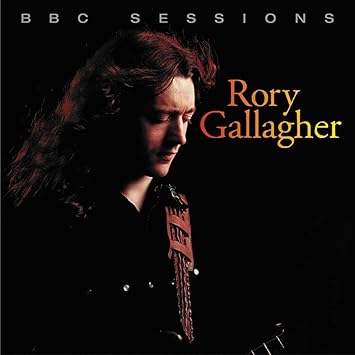
First major posthumous release featuring BBC recordings from 1971-1978.
Double CD set documenting Rory’s evolution through his peak years.
Features performances from John Peel sessions and In Concert broadcasts.
Excellent sound quality showcasing Rory’s guitar tone and technique.
Essential collection introducing 1990s audiences to Rory’s BBC legacy.
💡 Did You Know?
Rory Gallagher played over 260 concerts in 1976 alone, often performing marathon sets lasting two and a half hours without breaks. His work ethic was so legendary that he would play until his fingers bled, his shirts were soaked with sweat, and audiences were exhausted from dancing. Unlike stadium rock stars who traveled in luxury tour buses, Rory preferred driving himself to gigs in a modest van and staying in budget hotels to keep his music affordable for working-class fans.
Musical Style and Innovations
His musical style defied easy categorization. While critics labeled him a blues rock guitarist, his playing incorporated traditional Irish folk, jazz improvisation, rock and roll energy, and deep Chicago blues knowledge into something uniquely his own. His approach to the guitar was fundamentally different from flashy showmen like Jimmy Page or technical virtuosos like Steve Vai. Rory Gallagher played with raw emotional honesty, every note serving the song rather than showcasing technique for its own sake.
The centerpiece of his sound was his 1961 Fender Stratocaster, a guitar he purchased as a teenager and played for his entire career until the finish literally wore off from his hands. That battered Stratocaster became synonymous with his image-the worn wood symbolized his work ethic and authenticity. Unlike guitarists who collected dozens of instruments, he remained faithful to that single guitar (though he used others for slide work and acoustic numbers). He achieved his distinctive tone through relatively simple gear: a Fender Stratocaster into a Vox AC30 amplifier, with minimal effects.
His guitar playing combined technical precision with emotional spontaneity. His vibrato was vocal and expressive, his bends perfectly pitched, and his speed was dazzling without being self-indulgent. His solos told stories-they had beginnings, middles, and ends, building tension and releasing it with the logic of great narrative. He could play at breakneck speeds when the song demanded it or stretch a single note into a moment of pure feeling. This musicality, combined with his blues authenticity, made him a guitarist’s guitarist-respected by peers even when commercial success proved elusive.
Beyond his electric work, he was an accomplished acoustic player, equally at home with traditional Irish folk tunes and acoustic blues, as documented on Rory Gallagher Acoustic Sessions. His slide guitar work, played on National and Dobro guitars (featured on Acoustic Sessions), showed deep understanding of blues tradition. He worked with traditional jazz and blues musicians like Chris Barber and skiffle pioneer Lonnie Donegan and other British roots musicians from Son House to Robert Johnson. His acoustic work is featured on Acoustic Sessions. His vocals were straightforward and honest, never overpowering the music but serving the songs with conviction. He was primarily self-taught, learning by obsessively studying blues records and translating what he heard onto the guitar through hours of daily practice that continued throughout his career.
Frequently Asked Questions About Rory Gallagher
Is Rory Gallagher still alive?
No, Rory Gallagher died on June 14, 1995, at age 47 from complications following a liver transplant. He had suffered from severe health issues related to years of prescription medication use and the physical toll of his relentless touring schedule. Rory Gallagher underwent a liver transplant in March 1995, but his body rejected the organ and complications developed. Despite aggressive medical intervention at King’s College Hospital in London, Rory Gallagher succumbed to infection just three months after the transplant surgery. His death shocked the music world, as many believed he was recovering from the operation. Rory Gallagher’s funeral in Cork, Ireland, drew thousands of mourners who came to honor one of rock’s most authentic spirits.
What was Rory Gallagher’s most famous song?
While Rory Gallagher never had a major hit single, “Tattoo’d Lady” from Irish Tour ’74 is perhaps his most recognized song, along with “A Million Miles Away” and “Cradle Rock.” Unlike many rock artists, Rory Gallagher’s reputation was built on albums and live performances rather than singles. Songs like “Moonchild,” “Follow Me,” and “Shadow Play” are beloved by fans but never received significant radio airplay. Rory Gallagher’s music existed outside the singles-driven commercial system-his fans appreciated album-length listening experiences and marathon concerts. The live version of “I Wonder Who” from Irish Tour ’74 showcases everything essential about Rory Gallagher’s artistry. His most commercially successful release was the Irish Tour ’74 album, which reached number 9 on UK charts and earned gold certification, proving Rory Gallagher’s appeal even without hit singles.
What is Rory Gallagher’s net worth?
At his death in 1995, Rory Gallagher’s estate was valued at approximately £600,000 (roughly $900,000 USD at the time), far less than many of his contemporaries. Unlike rock stars who pursued maximum commercial success, Rory Gallagher prioritized artistic integrity over wealth accumulation. He lived modestly, avoided extravagant spending, and reinvested earnings into touring and recording. Rory Gallagher’s estate has likely increased in value through posthumous album releases, licensing, and continued sales of his catalog. His brother Dónal Gallagher managed the estate until his own death in 2021, when Rory’s nephew Daniel Gallagher took over. The relatively modest financial legacy reflects Rory Gallagher’s values-he measured success in artistic terms rather than commercial ones. Rory Gallagher could have earned far more by compromising his vision or joining more commercially successful bands, but he consistently chose independence and authenticity over money.
What happened to Rory Gallagher’s famous guitar?
Rory Gallagher’s iconic 1961 Fender Stratocaster-the guitar worn down to bare wood from decades of playing-is carefully preserved as part of his estate. After his death, the guitar remained with his family and has occasionally been displayed at special exhibitions honoring Rory Gallagher’s legacy. The instrument is one of rock’s most famous guitars, instantly recognizable by its worn finish that resulted from Rory Gallagher’s sweaty hands and intense playing style removing all the original sunburst paint. Rory Gallagher bought the Stratocaster in 1963 at Crowley’s Music Store in Cork for £100, making it one of the first Stratocasters in Ireland. He played it on virtually every recording and concert throughout his career. Unlike collectors who treat vintage guitars as investments, Rory Gallagher used his Stratocaster as a working tool, playing it until it became an extension of his body. The guitar’s battle-scarred appearance symbolizes Rory Gallagher’s approach to music-functional, authentic, and earned through years of dedication.
Did Rory Gallagher ever join the Rolling Stones?
No, although Rory Gallagher auditioned for the Rolling Stones in 1975 when they sought a replacement for departing guitarist Mick Taylor. Rory Gallagher impressed the band during auditions, and there was serious consideration of him joining. However, the Rolling Stones ultimately selected Ron Wood instead. Rory Gallagher’s brother and manager Dónal later confirmed that Rory wasn’t disappointed by this outcome-he preferred leading his own band to being a sideman, regardless of the band’s prestige. Joining the Rolling Stones would have meant compromising the complete creative control and independence Rory Gallagher valued above all else. The Stones wanted a guitarist who would serve the band’s vision; Rory Gallagher needed to follow his own artistic path. This decision perfectly exemplified Rory Gallagher’s priorities-he chose artistic freedom over commercial success and fame, maintaining his integrity even when offered one of rock’s most coveted positions.
What bands was Rory Gallagher in before going solo?
Before launching his solo career in 1971, Rory Gallagher was the leader and primary creative force behind Taste, a blues rock power trio that achieved significant success in Europe from 1966 to 1970. The classic Taste lineup featured Rory Gallagher on guitar and vocals, Richard McCracken on bass, and John Wilson on drums. Prior to Taste, the teenage Rory Gallagher played with the Fontana Showband (an Irish dance band) and the Impact, a more rock-oriented Cork group that gave him early performing experience. Taste released two studio albums-the self-titled “Taste” (1969) and “On the Boards” (1970)-plus the live album “Live Taste.” The band’s performance at the 1970 Isle of Wight Festival before 600,000 fans was their crowning achievement. However, management conflicts and Rory Gallagher’s desire for complete artistic control led to Taste’s dissolution at the end of 1970, setting the stage for his solo career.
Is Rory Gallagher in the Rock and Roll Hall of Fame?
Surprisingly, no-Rory Gallagher has not been inducted into the Rock and Roll Hall of Fame despite his enormous influence on generations of guitarists. This omission is considered one of the Hall of Fame’s most glaring oversights by music critics and fans. Rory Gallagher’s impact on blues rock and his influence on guitarists from Slash to The Edge to Joe Bonamassa makes his absence from the Hall of Fame puzzling. The Hall of Fame has historically favored commercially successful artists over those with primarily critical and peer recognition, which may explain why Rory Gallagher hasn’t been inducted. His relatively modest album sales in America compared to his massive European following may have worked against him. There are ongoing campaigns by fans and musicians to have Rory Gallagher inducted posthumously. His legacy continues growing as new generations discover his music, making eventual induction seem increasingly likely, though it comes too late for Rory Gallagher himself to receive the recognition he deserved.
Where can I find Rory Gallagher’s music today?
Rory Gallagher’s entire catalog is available through major streaming services including Spotify, Apple Music, and Amazon Music. His albums have been remastered and reissued multiple times, often with bonus tracks and expanded liner notes. Physical formats (CDs and vinyl) can be purchased through Amazon, specialist music retailers, and Rory Gallagher’s official website. The Rory Gallagher estate has released numerous posthumous live albums drawn from his extensive archive, giving fans access to performances from throughout his career. Documentary films, including Tony Palmer’s “Irish Tour ’74,” and BBC performances are available on DVD and streaming platforms. YouTube features extensive footage of his performances, including recordings from The Beat Club Sessions, from festival appearances to television broadcasts. His official website (rorygallagher.com) provides comprehensive information about releases, upcoming reissues, and the annual Rory Gallagher Festival in Cork, Ireland. For serious collectors, specialist vinyl reissues and box sets offer the highest quality presentations of Rory Gallagher’s music.
What made Rory Gallagher’s playing style unique?
Rory Gallagher’s playing style was characterized by emotional honesty, technical precision, and absolute refusal to showboat. Unlike guitarists who played to impress, Rory Gallagher played to communicate-every note served the song’s emotional needs. His vibrato was vocal and expressive, his bends were perfectly pitched, and his solos told coherent musical stories rather than being random displays of technique. Rory Gallagher achieved his distinctive tone through simple gear: his worn 1961 Fender Stratocaster, a Vox AC30 amplifier, and minimal effects. He drew from deep wells of blues knowledge while incorporating Irish folk, rock and roll, and jazz influences into a uniquely personal style. Rory Gallagher’s approach combined restraint with explosive power-he could play at blistering speeds or wring maximum emotion from a single sustained note. What made Rory Gallagher truly unique was his authenticity-he never tried to be anything other than himself, never chased trends, and never compromised his artistic vision for commercial considerations.
Why is Rory Gallagher so respected by other guitarists?
Rory Gallagher earned universal respect among guitarists because he represented everything admirable about musicianship-technical excellence, emotional depth, and complete authenticity. Musicians from The Edge to Slash to Johnny Marr cite Rory Gallagher as a major influence, not just for his playing but for his approach to music as a calling rather than a career. Rory Gallagher never played to show off; he played to serve the music and connect with audiences. His work ethic was legendary-260 shows in a single year, constant practice, and absolute dedication to his craft. He also collaborated with legends including Jerry Lee Lewis on The Session (1973). Unlike many guitar heroes, he remained humble and accessible, never developing an inflated ego despite his immense talent. He represented blues rock authenticity in an era of increasing commercialization. Rory Gallagher proved that artistic integrity and commercial success weren’t necessarily linked-he achieved lasting influence and respect without hit singles or stadium tours. For guitarists seeking models of how to approach their instrument with honesty and dedication, Rory Gallagher stands as an ideal example.
Bottom Line
Rory Gallagher’s career represents one of rock music’s most authentic stories of talent, dedication, and uncompromising artistic integrity. From his teenage years with Taste to his explosive solo career spanning two decades, from 200+ annual concerts to albums that prioritized feeling over commercial polish, Rory Gallagher gave everything to his art without reservation or compromise.
His Irish Tour ’74 remains one of rock’s greatest live albums, capturing not just virtuosic guitar playing but the pure spirit of an artist completely devoted to his craft. Despite never achieving the commercial success of peers like Eric Clapton or Jimmy Page, Rory Gallagher’s influence on generations of guitarists is undeniable. His tragic death in 1995 at just 47 years old robbed the music world of one of its most authentic voices. Yet Rory Gallagher’s posthumous recognition-through archival releases, tribute festivals, and growing critical appreciation-has finally acknowledged his immense contributions to blues rock and guitar music.
At 47 years old when he died, Rory Gallagher exemplified absolute dedication to musical authenticity over commercial success. His work ethic was legendary, his talent was undeniable, and his influence continues spreading to new generations of musicians. He proved that true artists never compromise their vision, regardless of commercial pressures or changing fashions.
As posthumous releases continue introducing new audiences to his catalog, Rory Gallagher’s legacy continues growing. His music has touched millions across the globe, his guitar innovations influenced countless players, and his personal integrity serves as inspiration far beyond the music world. The Irish blues rock warrior shows no signs of being forgotten-if anything, Rory Gallagher’s reputation grows stronger with each passing year as people discover an artist who gave absolutely everything for the love of music.
📋 Affiliate Disclosure
This site contains affiliate links to products. I may receive a commission for purchases made through these links at no additional cost to you. As an Amazon Associate, I earn from qualifying purchases. This helps support the site and allows me to continue creating content about Rory Gallagher, classic rock artists, and music news. All opinions and recommendations are my own.
📚 Sources
- Wikipedia – Rory Gallagher Biography
- Official Rory Gallagher Website
- Rolling Stone Magazine – Rory Gallagher Features
- AllMusic – Rory Gallagher Discography
- The Guardian – Rory Gallagher Retrospectives
- Billboard – Chart History and Analysis
- NHS – Liver Transplant Information
- Irish Examiner – Cork Music History