

Scott Weiland was a name that echoed through the rock music scene for decades. Known for his unique voice and stage presence, he fronted some of the biggest bands of his time. From the grunge-infused sounds of Stone Temple Pilots to the supergroup power of Velvet Revolver, his music left a mark. This article looks at the life and career of Scott Weiland, exploring his musical journey, personal struggles, and lasting impact.
Table of Content
Key Takeaways
- Scott Weiland, born Scott Richard Kline, was an American singer and songwriter, most famous as the frontman for Stone Temple Pilots and Velvet Revolver.
- He achieved significant commercial success with Stone Temple Pilots, selling millions of albums and earning a Grammy Award for “Plush”.
- Beyond STP, Weiland explored other musical avenues, including a solo career, the supergroup Velvet Revolver, and Art of Anarchy.
- His career was often overshadowed by personal struggles with substance abuse, which led to legal issues and departures from his bands.
- Scott Weiland’s distinctive vocal style, charismatic stage persona, and influential music continue to be remembered and honored by fellow musicians and fans.
Scott Weiland’s Early Life and Musical Beginnings

Birth and Family Background
Scott Richard Weiland was born Scott Richard Kline on October 27, 1967, in San Jose, California. His parents, Sharon Williams and Kent Kline, divorced when he was young. Around the age of five, Scott was adopted by his stepfather, David Weiland, and took on his new last name.
The family later moved to Bainbridge Township, Ohio. It was here that Scott attended Kenston High School. He later moved back to California as a teenager, finishing his schooling in Huntington Beach and attending Orange Coast College.
Early Influences and Musical Aspirations
Even from a young age, music seemed to be a big part of Scott’s life. Some accounts mention him being in choir when he was younger. Before he really got into rock music, he even worked for a legal newspaper in Los Angeles as a paste-up artist. But the pull of music was strong.
He met bassist Robert DeLeo and guitarist Dean DeLeo, and drummer Eric Kretz, and something clicked. They started jamming, initially under the name Mighty Joe Young, and eventually landed on Stone Temple Pilots.
This early period was about finding his voice, both literally and figuratively, and laying the groundwork for a career that would define a generation of alternative rock. He was drawn to the energy and raw emotion that music could convey, a feeling he would later channel into his performances.
The path to becoming a rock star wasn’t always clear. It involved moving between states, changing family dynamics, and eventually finding the right group of musicians to share a vision with. It was a journey that started with simple aspirations and grew into something much bigger.
The Rise of Stone Temple Pilots
Formation and Debut Album Success
Scott Weiland met bassist Robert DeLeo back in 1985, and after hitting it off, they decided to form a band. With Dean DeLeo on guitar and Eric Kretz on drums rounding out the lineup, they eventually settled on the name Stone Temple Pilots.
It wasn’t long before they were making waves. Their debut album, Core, dropped in 1992, and it was a massive success. Tracks like “Plush” and “Creep” became instant hits, really putting the band on the map.
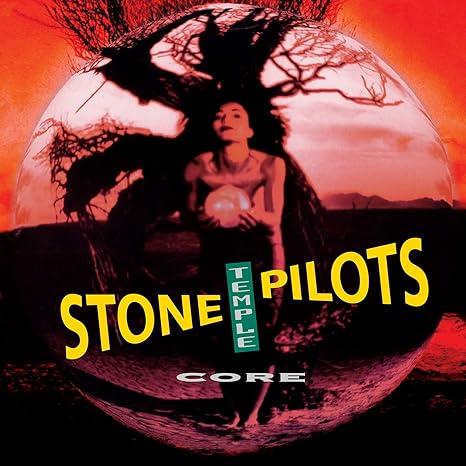
It felt like they had arrived overnight, capturing the grunge-era zeitgeist. The album went on to sell millions, proving that this new band had serious staying power.
Evolution of Sound and Vocal Style
While Core established their sound, Stone Temple Pilots didn’t just rest on their laurels. Their second album, Purple (1994), showed a clear evolution. It debuted at number one on the charts and featured hits like “Interstate Love Song” and “Vasoline.” This album really showcased Weiland’s versatile vocal approach, moving from raw power to more melodic and even slightly psychedelic tones. They weren’t afraid to experiment, incorporating glam-rock and Beatles-esque influences into their music on later albums like Tiny Music. This willingness to change kept them interesting and relevant.
Critical Reception and Commercial Impact
The band’s commercial success was undeniable. Core became their best-selling album, eventually shifting millions of copies. Purple also sold incredibly well, cementing their status as a major force in 90s rock. However, critical reception was a bit more mixed. While fans loved them, some critics found Weiland’s vocal style derivative at times.
Despite this, the band’s impact was huge. They were voted best new band by Rolling Stone‘s readers, even as the magazine’s writers had a different take. Their music was everywhere, defining a significant part of the alternative rock landscape of the decade. It’s hard to overstate how much Stone Temple Pilots dominated the airwaves and MTV during their peak.
Here’s a look at their early album performance:
| Album Title | Release Year | US Chart Peak | Estimated Sales (US) |
|---|---|---|---|
| Core | 1992 | 3 | 8 million+ |
| Purple | 1994 | 1 | 3 million+ |
| Tiny Music… | 1996 | 6 | 1 million+ |
The band’s ability to blend heavy riffs with catchy melodies, all fronted by Weiland’s distinctive voice, made them a standout act. They managed to appeal to a wide audience, from hard rock fans to those who just loved a good song.
Venturing Beyond Stone Temple Pilots
Formation of Velvet Revolver
After the initial split of Stone Temple Pilots around 2003, Scott Weiland found himself looking for a new musical outlet. He connected with former Guns N’ Roses members Slash, Duff McKagan, and Matt Sorum, who were also seeking a vocalist for their new project.
They had already brought guitarist Dave Kushner into the fold. Weiland had crossed paths with McKagan at a gym, and the connection was made. He was sent some demos, and the material reminded him of the early days of STP. When STP officially dissolved, the band sent him more music, and he laid down vocals for what would become the song “Set Me Free.”
This collaboration solidified his decision to join them. The band settled on the name Velvet Revolver, a name Weiland felt captured a blend of intimacy and danger. Their debut album, Contraband, dropped in June 2004 and was a massive success, hitting number one on the Billboard charts and selling over three million copies.

Hit singles like “Slither” and “Fall to Pieces” dominated the airwaves, with “Slither” even snagging a Grammy Award in 2005. It was a powerful statement that Weiland could thrive outside the STP umbrella.
Solo Career Explorations
While Velvet Revolver was making waves, Weiland also continued to explore his own artistic path. In 1998, he released his first solo album, “12 Bar Blues.” This record, while not a huge commercial hit, showcased a more experimental and introspective side of his songwriting. It was a departure from the arena-rock sound of STP, featuring a diverse range of musical styles and lyrical themes.
He followed this up with other solo projects, demonstrating his commitment to artistic freedom and his desire to push his creative boundaries. These solo ventures allowed him to experiment with different sounds and lyrical content, often reflecting his personal experiences and struggles. His solo work provided a space for him to express himself without the constraints of a band dynamic, offering a different perspective on his musical talent.
Art of Anarchy and Other Collaborations
Weiland’s musical journey was marked by a willingness to collaborate and experiment. He was involved in various other projects, including a stint with the band Art of Anarchy. This group, formed by former Guns N’ Roses drummer Matt Sorum and guitarist John Vester, saw Weiland lending his distinctive vocals to their sound. Although his time with them was relatively brief, it added another layer to his diverse career.
He also participated in tribute projects and guest appearances, always open to new musical challenges. These collaborations highlighted his versatility and his enduring passion for making music across different genres and with different artists. His involvement in projects like Art of Anarchy showed he was still actively creating and contributing to the music scene, even as his career evolved.
Weiland’s ventures outside of Stone Temple Pilots were not just about finding new bands; they were about rediscovering his own voice and artistic direction. Each project offered a different canvas for his unique talents, from the raw energy of Velvet Revolver to the personal reflections in his solo work.
Scott Weiland’s Distinctive Musicality
Scott Weiland wasn’t just a singer; he was a chameleon of sound. His voice could shift and morph, adapting to whatever musical landscape he found himself in. Early on with Stone Temple Pilots, his deep, resonant baritone often drew comparisons to Eddie Vedder, a solid foundation for their grunge-infused hits. But he didn’t stay in that lane.
Versatile Vocal Approach
As Stone Temple Pilots evolved, so did Weiland’s vocal delivery. On albums like Tiny Music… Songs from the Vatican Gift Shop, he embraced a higher, raspier tone that perfectly matched the band’s more adventurous, 60s rock vibe. This willingness to experiment wasn’t limited to STP. His solo work and collaborations showcased an even wider range, touching on everything from bossa nova and blues rock to glam rock and even Christmas carols. He wasn’t afraid to try different styles, and that’s what made him interesting.
Stage Persona and Performance Style
On stage, Weiland was a force. He had this captivating, sometimes unpredictable energy that drew audiences in. His look changed often, adding to his mystique. One of his signature moves was using a megaphone, which gave his vocals a unique, almost otherworldly effect during live performances. It was a visual and auditory statement that set him apart.
Influence on Contemporary Artists
It’s hard to overstate Weiland’s impact. Many singers who came up in the alternative and hard rock scenes cite him as an inspiration. His ability to blend raw emotion with technical skill, and his fearless exploration of different vocal styles, opened doors for others. He showed that a frontman could be both a powerful vocalist and an intriguing performer.
Weiland’s career was marked by a constant push and pull between commercial success and artistic exploration. He could deliver anthems that topped the charts, but he also had a deep well of creativity that led him down less conventional paths, always with his distinctive voice at the forefront.
Personal Life and Challenges
Marriages and Family
Scott Weiland’s personal life was marked by significant relationships and the joys and strains of family. He first married Janina Castaneda in 1994, but they divorced in 2000. Shortly after, on May 20, 2000, he married Mary Forsberg. Together, they had two children: a son named Noah, born in 2000, and a daughter, Lucy, born in 2002.
Their marriage ended in divorce in 2007. Weiland later found love again, becoming engaged to Jamie Wachtel in 2012, whom he had met while filming a music video. They married in June 2013 at their home in Los Angeles. His children also ventured into music, with Noah forming a band that drew comparisons to early Stone Temple Pilots.
Struggles with Substance Abuse
Throughout his career, Weiland openly battled with substance abuse, a challenge that deeply impacted his life and work. His struggles began early, with his drinking escalating during his teenage years and leading to his first experiences with cocaine. By 1995, he was convicted of buying crack cocaine and received probation. Despite efforts to overcome his addiction, including periods of sobriety and rehab stints, the battle continued.
He spoke about being diagnosed with bipolar disorder in 2001, which he felt complicated his struggles. The pressures of fame and personal loss, including the death of his younger brother Michael in 2007, often seemed to exacerbate these issues. Despite claims of being drug-free for extended periods, his health and performance were sometimes called into question.
Autobiographical Reflections
Weiland offered his own perspective on his life and struggles through his autobiography, “Not Dead & Not for Sale,” released in 2011. Co-written with David Ritz, the book provided a candid look at his journey, from his early days and rise to fame with Stone Temple Pilots to his personal battles. It touched upon his childhood, his creative process, and the intense highs and lows of his life in the public eye. The book served as a way for him to share his story directly, offering insights into the man behind the music and the challenges he faced.
| Event | Year | Notes |
|---|---|---|
| Marriage to Janina | 1994 | Divorced in 2000 |
| Marriage to Mary Forsberg | 2000 | Children Noah and Lucy born; divorced 2007 |
| Autobiography Released | 2011 | “Not Dead & Not for Sale” |
| Marriage to Jamie Wachtel | 2013 |
Later Career and Final Years
Scott Weiland’s later career was a period marked by continued musical exploration, entrepreneurial ventures, and unfortunately, ongoing personal struggles. After his departure from Stone Temple Pilots in 2013, he focused more intensely on his solo work and collaborations.
Solo Projects and The Wildabouts
Weiland formed Scott Weiland and the Wildabouts, a band that became his primary vehicle for new music. Their debut album, Blaster, was released in March 2015. This album showcased a more raw, rock-and-roll sound, a departure from some of his earlier, more polished work. The release was tragically overshadowed by the death of guitarist Jeremy Brown just days before the album dropped.
Despite these setbacks, Weiland continued to tour with the band, though reports from the time often highlighted his deteriorating health and performance inconsistencies. His commitment to performing, even when facing significant challenges, was a testament to his dedication to his craft.
Clothing Line and Record Label Ventures
Beyond music, Weiland also ventured into business. In 2009, he launched a clothing line called Weiland for English Laundry, collaborating with designer Christopher Wicks. This showed a desire to express his creativity in different forms. Earlier, in 2006, he had established his own record label, Softdrive Records, aiming to support new artists and projects. These business endeavors demonstrated a multifaceted ambition, extending his influence beyond just songwriting and performing.
The Final Tour and Passing
Scott Weiland’s final tour with The Wildabouts began in early 2015. The tour was plagued by issues, with Weiland’s health and performance frequently becoming a topic of discussion. There were concerns about his substance use, which he had battled for years. Despite these difficulties, he continued to perform. Sadly, on December 3, 2015, Scott Weiland was found dead on his tour bus in Bloomington, Minnesota.
His passing marked the end of a complex and influential career. The official cause of death was later attributed to a combination of factors, including heart disease and substance abuse. His death was a shock to the music world, and the just past 10-year anniversary in December 2025 serves as a somber reminder of his loss.
The music community mourned the loss of a unique voice in rock, remembering his contributions to Stone Temple Pilots, Velvet Revolver, and his solo work. His legacy continues to be celebrated, with many looking back at his extensive discography and impact on alternative rock.
Weiland’s later years were a difficult chapter, characterized by a public battle with addiction and health issues that often impacted his performances. Yet, through it all, his drive to create and perform music remained evident, even as the toll of his struggles became increasingly apparent to fans and observers alike.
Enduring Legacy of Scott Weiland
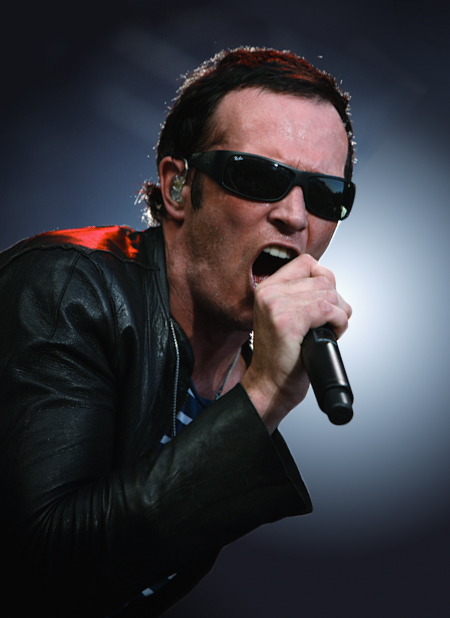
Scott Weiland left an imprint on American rock, and even now, his music still gets noticed by new listeners who might not have even been around when “Plush” first hit the radio. From raw performances on stage to his unique voice, Weiland’s influence has stuck around, and others keep finding new reasons to return to his body of work. Below, we explore the many ways his impact continues.
Tributes from Fellow Musicians
- Bands like Halestorm and Pop Evil have covered Stone Temple Pilots songs in tribute, often choosing “Interstate Love Song” as a crowd favorite.
- At major concerts shortly after his passing, musicians such as Chris Cornell honored Weiland by performing songs associated with him.
- Both Stone Temple Pilots and Velvet Revolver bandmates shared stories and memories at private gatherings, showing a genuine sense of loss among peers.
- In recent years, Weiland’s own son Noah has organized tribute events and started new bands, keeping his father’s spirit alive for fans and musicians alike.
Without intending to, Scott Weiland’s music keeps connecting people. Whether at tribute concerts or through playlists passed down, the emotional pull of his work is still real.
Critical Re-evaluation of His Work
Scott Weiland’s discography has seen a lot more attention in the years since his death. Critics who once dismissed early Stone Temple Pilots records now find nuance in the songwriting and appreciate the risk Weiland took in every album. Here’s a quick look at some shifts in opinion:
| Album Title | Year | Initial Critical Reception | Recent Assessments |
|---|---|---|---|
| Core | 1992 | Mixed; some harsh reviews | Praised as influential |
| Purple | 1994 | More positive; growing respect | Seen as a standout of era |
| Tiny Music… | 1996 | Divisive | Noted for experimentation |
| 12 Bar Blues (Solo) | 1998 | Overlooked | Now seen as underrated |
- More fans and critics point out his willingness to switch genres and moods across projects.
- Many musicians cite Weiland’s bravery in facing both success and failure as inspirational.
- Streaming platforms report upticks in Stone Temple Pilots and Velvet Revolver plays every anniversary of his passing.
Impact on Alternative Rock
- Weiland’s style helped shape the direction of alternative and hard rock during the 1990s and early 2000s.
- His stage presence and flair for the dramatic inspired several frontmen, many of whom openly mention his influence.
- New rock artists often point to his vocal delivery and willingness to be vulnerable in lyrics as a guide for their own songwriting.
- Bands continue to cover his songs, especially around tribute dates and anniversaries.
Looking back, it’s hard to ignore how many moments in modern rock culture include a bit of Scott Weiland, whether that’s a covered song, a vocal quirk, or just bands borrowing moves from his live performances. His legacy is alive in small ways every day, not just in the headlines right after he passed.
A Lasting Echo
Scott Weiland left a big mark on rock music. He fronted Stone Temple Pilots and Velvet Revolver, putting out songs that many people still listen to. His voice and stage presence were really something else. Even with the struggles he faced, his music continues to be heard and remembered by fans and other artists alike. He was a unique talent, and his songs will likely stick around for a long time.
Frequently Asked Questions
Who was Scott Weiland?
Scott Weiland was an American singer and songwriter. He was the main singer for the popular rock band Stone Temple Pilots for many years. He also sang with another big band called Velvet Revolver.
What were Stone Temple Pilots known for?
Stone Temple Pilots became famous in the 1990s with hit songs like ‘Plush,’ ‘Interstate Love Song,’ and ‘Vasoline.’ Their first album, ‘Core,’ was a huge success and sold millions of copies. Scott Weiland’s unique voice and style were a big part of their sound.
Did Scott Weiland have other bands besides Stone Temple Pilots?
Yes, he did! He was the lead singer for the supergroup Velvet Revolver, which included members from Guns N’ Roses. He also worked on solo projects and was part of a band called Art of Anarchy.
What was Scott Weiland’s singing style like?
Scott Weiland had a very flexible voice. Early on, it was deep and strong, like Eddie Vedder’s. But he could also sing in a higher, rougher way, and he experimented with many different sounds throughout his career. He was also known for using a megaphone on stage for a cool effect.
What personal struggles did Scott Weiland face?
Scott Weiland had a very public battle with drug and alcohol addiction. These problems affected his life and career, leading to him being fired from his bands at times. He wrote a book about his experiences called ‘Not Dead & Not for Sale’.
How is Scott Weiland remembered today?
Many musicians and fans remember Scott Weiland as a talented and influential singer. Artists have performed tributes to him, playing his songs. He’s seen as an important figure in alternative rock music, known for his powerful voice and stage presence.