

Stevie Nicks Leather and Lace stands as one of the most tender and emotionally resonant duets in rock history, pairing the Fleetwood Mac icon with country legend Don Henley in a delicate exploration of romantic vulnerability.
Released as the second single from her groundbreaking 1981 solo debut Bella Donna, the track showcased a softer side of the artist who had already captivated audiences with Edge of Seventeen (1981), proving her range extended far beyond mystical rock anthems.
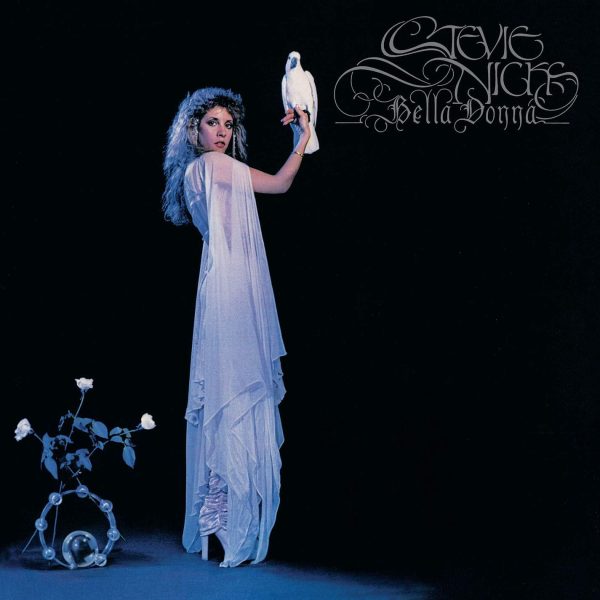
Stevie Nicks Leather and Lace – Available on Amazon
Get Why Stevie Nicks Leather and Lace is 1 Essential Masterpiece on Vinyl or CD at Amazon
Affiliate Disclosure: I am an Amazon affiliate and if you purchase through any Amazon links on this site I may earn a small commission at no extra charge to you. This helps support classicrockartists.com. Thank you for your support!
Quick Navigation
What is the meaning of Stevie Nicks Leather and Lace?
The song explores the complementary nature of masculine and feminine energies in romantic relationships, with leather representing strength and toughness while lace symbolizes delicacy and vulnerability, suggesting that true love requires both partners to embrace their contrasting qualities and find balance together.
The Vibe: Genre, Mood, and Sound of Stevie Nicks Leather and Lace
This intimate duet blends soft rock with country influences, creating a warm acoustic soundscape that feels like a private conversation between lovers.
- Genre: Soft rock, country rock, adult contemporary
- Mood: Tender, romantic, vulnerable, intimate
- Tempo: Slow to moderate ballad (approximately 76 BPM)
- Best For: Quiet evenings, romantic dinners, reflective moments, wedding playlists
- Similar To: Linda Ronstadt and Aaron Neville duets, early Eagles ballads, James Taylor’s softer work
Behind the Lyrics: The Story of Stevie Nicks Leather and Lace
The song was originally written by Stevie Nicks for Waylon Jennings and his wife Jessi Colter as a country duet in the late 1970s.
Jennings ultimately passed on the track, leaving it in Nicks’ hands as she prepared material for her first solo album outside of Fleetwood Mac.
When producer Jimmy Iovine suggested she record it as a duet for Bella Donna, Nicks initially considered several male vocalists before landing on Don Henley of the Eagles.
Henley and Nicks were romantically involved at the time, which added an authentic layer of intimacy to their vocal interplay.
The chemistry between the two artists was palpable, with their voices weaving together in a way that felt both natural and deeply personal.
According to Wikipedia, the song was recorded during the Bella Donna sessions at Record Plant Studios in Los Angeles in 1981.
The lyrics reflect Nicks’ fascination with duality and contrast, themes she explored throughout her career in songs like Fleetwood Mac Sara (1979).
The leather and lace metaphor represents the balance between strength and softness that Nicks believed was essential in any meaningful relationship.
Nicks has stated in interviews that she wanted to capture the feeling of two people who are different but complementary, each bringing something unique to the partnership.
The song’s gentle arrangement was a deliberate choice to let the vocals and lyrics take center stage without overwhelming production.
Released in October 1981, the track became the second single from Bella Donna, following the massive success of Stop Draggin’ My Heart Around with Tom Petty.
The timing was perfect, as Nicks was establishing herself as a solo artist while still maintaining her role in Fleetwood Mac.
The song’s success helped cement Bella Donna as one of the most successful debut solo albums by a female rock artist.
Technical Corner: The Gear Behind Stevie Nicks Leather and Lace
Producer Jimmy Iovine brought his signature clean, radio-friendly production style to the track, having previously worked with Bruce Springsteen and Tom Petty.
The song was recorded at Record Plant Studios in Los Angeles, one of the premier recording facilities of the early 1980s.
Waddy Wachtel, a frequent collaborator with Nicks and Linda Ronstadt, played acoustic guitar on the track with his characteristic tasteful restraint.
The arrangement features primarily acoustic instruments, including steel-string acoustic guitars that provide the song’s warm foundation.
Subtle electric guitar fills add texture without overpowering the intimate vocal performances.
The rhythm section remains deliberately understated, with gentle bass lines and minimal percussion allowing the duet to breathe.
Benmont Tench of Tom Petty and the Heartbreakers contributed keyboards, adding delicate piano touches that enhance the song’s romantic atmosphere.
The vocal recording captured both Nicks’ distinctive raspy tone and Henley’s smooth, controlled delivery in perfect balance.
Iovine used minimal reverb and effects, keeping the vocals dry and present to maintain the song’s conversational intimacy.
The mix places both voices equally in the stereo field, creating a sense of two people singing directly to each other.
String arrangements were added sparingly, providing emotional swells without becoming overly sentimental.
The production philosophy mirrored the approach Nicks had experienced with Fleetwood Mac Landslide (1975), where simplicity served the emotional core of the song.
Legacy and Charts: Why Stevie Nicks Leather and Lace Still Matters
The song peaked at number six on the Billboard Hot 100 in early 1982, becoming Nicks’ second consecutive top ten solo hit.
It reached number one on the Billboard Adult Contemporary chart, where it remained for two weeks.
In Canada, the track climbed to number seven on the RPM Top Singles chart.
The song helped propel Bella Donna to multi-platinum status, with the album eventually selling over four million copies in the United States alone.
The duet format became a template for future Nicks collaborations, proving her ability to create magic with male vocal partners.
The song has been covered by numerous artists over the decades, though none have matched the chemistry of the original.
Country artists in particular have gravitated toward the song, recognizing its roots in the genre Nicks originally intended it for.
The track has appeared in several film and television soundtracks, often used to underscore romantic or nostalgic moments.
A live performance video can be viewed on YouTube, showcasing the undeniable chemistry between Nicks and Henley.
The song remains a staple of classic rock and soft rock radio formats, continuing to attract new listeners decades after its release.
It demonstrated that Nicks could succeed in multiple musical contexts, from the hard-edged rock of Fleetwood Mac Gold Dust Woman (1977) to this tender acoustic ballad.
The song’s enduring popularity has made it a frequent request at Nicks’ solo concerts, though she rarely performs it due to the difficulty of replacing Henley’s vocal contribution.
Listener’s Note: A Personal Take on Stevie Nicks Leather and Lace
When I first heard this on vinyl in the early eighties, I was struck by how different it sounded from everything else on rock radio at the time.
The moment that always gets me is when Nicks and Henley’s voices first blend together on the chorus, creating a harmony that feels effortless and inevitable.
There’s a vulnerability in Nicks’ delivery that contrasts beautifully with the mystical persona she cultivated in songs like Fleetwood Mac Rhiannon (1975).
Henley’s vocal restraint is masterful, never overpowering Nicks but providing the perfect masculine counterpoint to her feminine energy.
The acoustic guitar work creates an intimate space that feels like eavesdropping on a private moment between two people deeply connected.
What makes this song essential is its honesty, the way it acknowledges that love requires both strength and softness from both partners.
Unlike the more produced duets that would dominate the charts later in the decade, this track feels organic and unforced.
The simplicity of the arrangement allows every word and every note to carry weight and meaning.
It’s a song that rewards repeated listening, revealing new emotional layers each time you return to it.
Affiliate Disclosure: I am an Amazon affiliate and if you purchase through any Amazon links on this site I may earn a small commission at no extra charge to you. This helps support classicrockartists.com and allows me to keep providing deep-dive content on the legends of rock. Thank you for your support!
Collector’s Corner: Own Stevie Nicks Leather and Lace on Vinyl or CD
The original Bella Donna vinyl pressing offers the warmest sound for this intimate duet, with the analog format perfectly capturing the nuances of both voices.
Remastered CD editions provide crystal-clear fidelity while maintaining the song’s organic feel.
Get Why Stevie Nicks Leather and Lace is 1 Essential Masterpiece on Vinyl or CD at Amazon
Frequently Asked Questions About Stevie Nicks Leather and Lace
Who originally sang Leather and Lace with Stevie Nicks?
Don Henley of the Eagles sang the duet with Stevie Nicks on the original 1981 recording.
The two were romantically involved at the time, which added authentic chemistry to their vocal performance.
Henley’s smooth vocal style perfectly complemented Nicks’ distinctive raspy tone.
Was Leather and Lace written for Waylon Jennings?
Yes, Stevie Nicks originally wrote the song for country legend Waylon Jennings and his wife Jessi Colter to record as a duet.
Jennings decided not to record the song, which allowed Nicks to reclaim it for her own solo debut album.
The country influence remains evident in the song’s acoustic arrangement and lyrical themes.
What album is Leather and Lace on?
Leather and Lace appears on Stevie Nicks’ debut solo album Bella Donna, released in July 1981.
The album was a massive commercial success, reaching number one on the Billboard 200 chart.
It featured several hit singles and established Nicks as a solo artist independent of Fleetwood Mac.
Did Stevie Nicks and Don Henley date?
Yes, Stevie Nicks and Don Henley were in a romantic relationship during the early 1980s when they recorded Leather and Lace.
Their relationship was relatively brief but intense, and the genuine affection between them is audible in the recording.
Nicks has spoken fondly of Henley in interviews over the years, crediting him as an important figure in her life during that period.
You Might Also Like
This Rumours classic showcases the same emotional vulnerability that makes Leather and Lace so compelling.
Stevie Nicks Stand Back (1983)
This Prince-influenced track demonstrates the more energetic side of Nicks’ solo career just two years after Bella Donna.
Released just months after Leather and Lace, this Mirage single explores similar themes of identity and romantic longing.
Whether you’re discovering it for the first time or revisiting a cherished memory, Stevie Nicks Leather and Lace remains an essential masterpiece that captures the delicate balance between strength and vulnerability in love.