

Stevie Nicks Rooms On Fire emerged in 1989 as the lead single from her fourth solo album, The Other Side of the Mirror, marking a creative renaissance for the rock icon.
The track showcased a matured sound that built upon the foundation she established with Edge of Seventeen (1981), blending mystical imagery with radio-ready production.
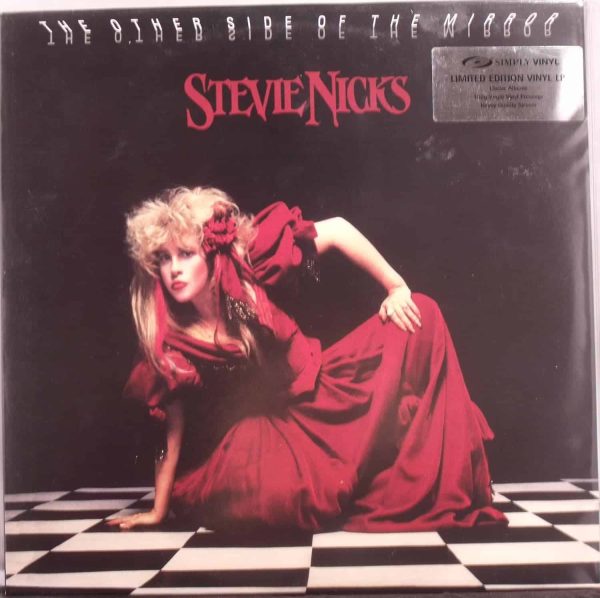
Stevie Nicks Rooms On Fire – Available on Amazon
Get Stevie Nicks Rooms on Fire (1989) on Vinyl or CD at Amazon
Affiliate Disclosure: I am an Amazon affiliate and if you purchase through any Amazon links on this site I may earn a small commission at no extra charge to you. This helps support classicrockartists.com. Thank you for your support!
Quick Navigation
What is the meaning of Stevie Nicks Rooms On Fire?
Rooms On Fire explores the intensity of passionate love and creative inspiration, with Nicks describing a relationship that ignites everything around it like flames consuming a house, transforming ordinary spaces into something magical and dangerous.
The Vibe: Genre, Mood, and Sound of Stevie Nicks Rooms On Fire
The song delivers a polished late-eighties rock sound with shimmering production and driving rhythms.
It captures the optimistic energy of the era while maintaining Nicks’ signature mystical edge.
- Genre: Pop rock with adult contemporary elements
- Mood: Passionate, uplifting, romantic with an undercurrent of urgency
- Tempo: Moderate to uptempo (approximately 120 BPM)
- Best For: Road trips, romantic evenings, or rediscovering classic rock radio hits
- Similar To: Heart’s “These Dreams” or Pat Benatar’s “We Belong”
Behind the Lyrics: The Story of Stevie Nicks Rooms On Fire
Stevie Nicks wrote Rooms On Fire during a period of personal and professional renewal in the late 1980s.
The song was inspired by her relationship with Rupert Hine, the British producer who helmed The Other Side of the Mirror album.
Nicks has described the creative partnership with Hine as transformative, sparking both romantic feelings and artistic rejuvenation.
The lyrics paint vivid imagery of rooms literally catching fire, a metaphor for how love and passion can consume and transform everything in their path.
This theme of transformative love echoed throughout her solo work, connecting to earlier explorations found in Fleetwood Mac Sara (1979), where mystery and emotion intertwined.
The album arrived at a crucial moment in Nicks’ career, following the commercial disappointment of 1985’s Rock a Little.
She needed a hit to reassert her relevance in a rapidly changing musical landscape dominated by synthesizers and drum machines.
Working with Hine brought a contemporary sheen to her sound without sacrificing the poetic mysticism that defined her artistry.
According to Wikipedia, the song was released as the lead single in March 1989 and quickly became a radio staple.
The accompanying music video featured Nicks in flowing black garments, dancing through smoke-filled rooms with dramatic lighting.
The visual aesthetic reinforced her image as rock’s reigning enchantress, a persona she cultivated since her breakthrough with Fleetwood Mac Rhiannon (1975).
Nicks performed the song extensively during her 1989 tour, often introducing it with stories about creative inspiration and the power of artistic collaboration.
The track represented a bridge between her classic seventies work and the demands of late-eighties commercial radio.
Technical Corner: The Gear Behind Stevie Nicks Rooms On Fire
Rupert Hine produced Rooms On Fire at his own studio, Farmyard Studios in Buckinghamshire, England.
Hine was known for his meticulous production style, layering synthesizers with traditional rock instrumentation to create a lush sonic landscape.
The song features a prominent Yamaha DX7 synthesizer, the defining keyboard sound of the late eighties.
Rick Vito, who was simultaneously serving as guitarist for Fleetwood Mac, contributed guitar work to the track.
His playing added a rock edge that balanced the polished production, preventing the song from becoming too slick.
The drum sound was achieved using a combination of acoustic drums and electronic samples, typical of the era’s hybrid approach.
Hine employed a Linn Drum machine to reinforce the backbeat, giving the track its radio-friendly punch.
Nicks recorded her vocals using a Neumann U87 microphone, her preferred choice for capturing the breathy quality of her voice.
The production featured extensive use of reverb and delay, creating the atmospheric quality that became synonymous with late-eighties rock.
Hine’s background in progressive rock informed his arrangement choices, adding unexpected chord changes and dynamic shifts.
The mix emphasized clarity and separation, allowing each element to occupy its own sonic space.
This approach contrasted with the denser, more organic production of her earlier work like Gold Dust Woman (1977).
Legacy and Charts: Why Stevie Nicks Rooms On Fire Still Matters
Rooms On Fire peaked at number 16 on the Billboard Hot 100 in the United States, becoming Nicks’ highest-charting solo single since 1983.
The song performed even better on the Billboard Mainstream Rock chart, reaching number two.
In Canada, the track climbed to number 13, demonstrating strong international appeal.
The Other Side of the Mirror album achieved platinum certification in the United States, selling over one million copies.
The success of Rooms On Fire revitalized Nicks’ solo career and proved she could adapt to changing musical trends without compromising her artistic identity.
The song has been featured in various television retrospectives about eighties music and Nicks’ career.
While not as frequently covered as her Fleetwood Mac classics, several tribute artists have recorded versions of the track.
The official music video has accumulated millions of views on YouTube, introducing the song to new generations of listeners.
Nicks continues to perform Rooms On Fire in her live shows, as documented in recent Stevie Nicks Tour 2025 setlists.
The track represents a specific moment in rock history when veteran artists successfully navigated the transition from analog to digital production.
Music critics have retrospectively praised the song for maintaining Nicks’ poetic sensibility while embracing contemporary production values.
The song’s enduring popularity on classic rock radio stations ensures its continued relevance decades after its release.
Listener’s Note: A Personal Take on Stevie Nicks Rooms On Fire
When I first heard this on vinyl in 1989, I was struck by how different it sounded from Nicks’ earlier work.
The production was unmistakably modern, yet her voice carried that same haunting quality that made songs like Fleetwood Mac Landslide (1975) so affecting.
The moment that always gets me is the bridge, where the instrumentation drops away and Nicks’ voice soars over a sparse arrangement.
It’s a reminder that beneath all the eighties production gloss, her core artistry remained intact.
The synthesizer work, which could have dated the track terribly, somehow enhances rather than distracts from the emotional core.
I’ve played this song countless times during long drives, and it never fails to lift my spirits.
There’s an optimism in Rooms On Fire that contrasts with some of Nicks’ darker material, making it a perfect entry point for new listeners.
The guitar solo, brief but effective, adds a rock credibility that prevents the song from becoming too soft.
Listening to it now, I appreciate how Nicks managed to sound contemporary without chasing trends.
The song captures a specific moment in time while remaining timeless in its emotional resonance.
Affiliate Disclosure: I am an Amazon affiliate and if you purchase through any Amazon links on this site I may earn a small commission at no extra charge to you. This helps support classicrockartists.com and allows me to keep providing deep-dive content on the legends of rock. Thank you for your support!
Collector’s Corner: Own Stevie Nicks Rooms On Fire on Vinyl or CD
The Other Side of the Mirror remains available in multiple formats, with original vinyl pressings becoming increasingly collectible.
CD reissues often include bonus tracks and remastered audio that enhances the listening experience.
Get Stevie Nicks Rooms on Fire (1989) on Vinyl or CD at Amazon
Frequently Asked Questions About Stevie Nicks Rooms On Fire
Who wrote Rooms On Fire?
Stevie Nicks wrote Rooms On Fire with Rick Nowels and Billy Steinberg, the successful songwriting team behind hits for Madonna and Heart.
The collaboration brought a pop sensibility to Nicks’ poetic lyrics, creating a perfect balance between commercial appeal and artistic integrity.
Nicks contributed the core concept and imagery, while Nowels and Steinberg helped structure the song for radio success.
What album is Rooms On Fire on?
Rooms On Fire appears on The Other Side of the Mirror, Stevie Nicks’ fourth solo studio album released in May 1989.
The album marked a creative comeback for Nicks after several years of personal and professional challenges.
It featured production by Rupert Hine throughout, giving the entire record a cohesive sonic identity.
Did Rooms On Fire win any awards?
While Rooms On Fire didn’t win major awards, it received significant radio airplay and critical acclaim upon release.
The song helped The Other Side of the Mirror achieve platinum certification, a commercial success that validated Nicks’ artistic choices.
The track’s performance on rock radio charts demonstrated its appeal to Nicks’ core audience.
Is Rooms On Fire about a real relationship?
Stevie Nicks has confirmed that Rooms On Fire was inspired by her relationship with producer Rupert Hine during the album sessions.
The creative and romantic connection between them fueled the passionate imagery in the lyrics.
Nicks has described the experience as both professionally fulfilling and personally intense, which comes through in the song’s emotional delivery.
You Might Also Like
This Mirage-era single shares the same mystical imagery and polished production that defined Nicks’ late-career renaissance.
Nicks’ most successful song demonstrates the timeless quality of her songwriting across different production eras.
Why Stevie Nicks Leather and Lace is 1 Essential Masterpiece
This duet showcases Nicks’ ability to craft romantic narratives with the same passion found in Rooms On Fire.
Stevie Nicks Rooms On Fire remains a testament to her ability to evolve with changing musical landscapes while maintaining the poetic mysticism that made her a rock icon.