

The Doors Roadhouse Blues (1970): The Ultimate Rock Anthem
Listening to the doors roadhouse blues feels like grabbing a cold beer in a room full of cigarette smoke and tube amplifiers.
It is the definitive statement of a band returning to their gritty roots after the orchestral experiments of their previous record.
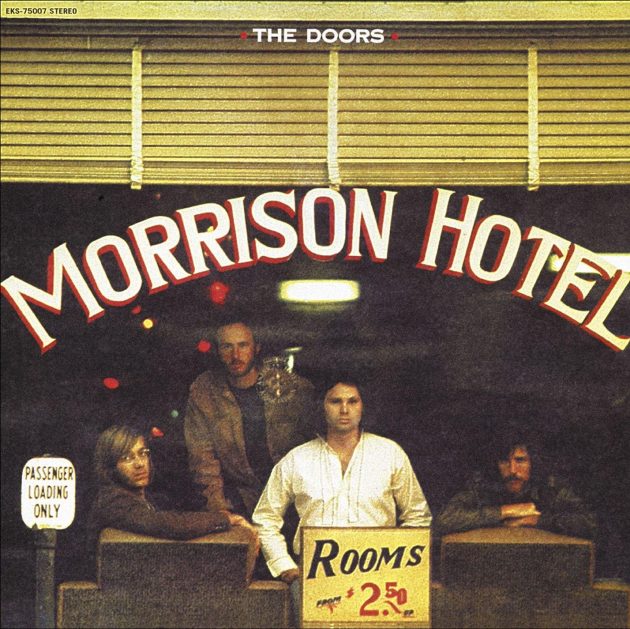
Get Morrison Hotel on Vinyl at Amazon
Affiliate Disclosure: I am an Amazon affiliate and if you purchase through any amazon links on this site i may earn a small commission at no extra charge to you.
Quick Navigation
- What is the meaning of the doors roadhouse blues?
- The Vibe: the doors roadhouse blues Genre and Mood
- Behind the Lyrics
- Technical Corner: The Gear
- Legacy and Charts: Why the doors roadhouse blues Still Matters
- Listener’s Note
- Collector’s Corner
- Frequently Asked Questions About the doors roadhouse blues
- You Might Also Like
What is the meaning of the doors roadhouse blues by The Doors?
The Doors Roadhouse Blues is a gritty blues rock anthem about living for the moment and the uncertainties of the future. Jim Morrison wrote the lyrics while traveling to a remote cabin. It celebrates the wild nature of roadside bars and the necessity of focusing on the present journey.
The Vibe: the doors roadhouse blues Genre and Mood
This track serves as the ultimate reset button for the four Members of The Doors as they ditched the brass sections for pure grit.
The rhythm section creates a hypnotic chug that feels like a heavy truck gaining speed on a midnight highway.
- Genre: Blues Rock
- Mood: Rowdy, Stoic, Gritty
- Tempo: Mid-tempo driving shuffle
- Best For: Road trips, Dive bars, Late-night revelry
- Similar To: Rolling Stones – Honky Tonk Women
- Fans of The Doors also search: best driving songs 1970, gritty blues rock classics, Jim Morrison vocal style
Behind the Lyrics: The Story of Roadhouse Blues
The track opens the legendary Morrison Hotel album with a statement of intent.
Jim Morrison famously improvised the “Keep your eyes on the road, your hand upon the wheel” line while riding to a cabin in Topanga Canyon.
The lyrics reflect a man who knew his time was moving fast: “The future’s uncertain and the end is always near.”
He was transitioning from the “Lizard King” persona into a more grounded: bearded blues shouter.
You can hear his raw energy in the official video which captures the band in a loose and dangerous state.
The sessions were legendary for their intensity as the band recorded take after take to find that perfect pocket.
This was the era where Jim Morrison began to lean heavily into the persona of an old school bluesman.
Technical Corner: The Gear Behind Roadhouse Blues
The production by Bruce Botnick at Elektra Sound Recorders is remarkably dry and punchy.
To get that specific low-end drive: the band hired legendary guitar player Lonnie Mack to play bass.
John Sebastian of The Lovin’ Spoonful played the harmonica under the pseudonym G. Puglese because of contractual issues.
The guitar work from Robby Krieger features his signature Gibson SG and a small cranked amp for that biting tone.
Ray Manzarek played a tack piano: which gave the song its honky-tonk percussive edge.
The drum sound is tight with very little room reverb: putting the listener right in the center of the barroom floor.
Legacy and Charts: Why the doors roadhouse blues Still Matters
While it was originally the B-side to “You Make Me Real”: it quickly became the bigger hit in the hearts of fans.
The track peaked at number 50 on the US Billboard Hot 100 but reached number 22 on the Canadian charts.
It remains their most played song on classic rock radio: surpassing even their chart-topping psychedelic hits.
Status Quo famously covered the track: turning it into a staple of the boogie rock scene in the UK.
The song has appeared in countless films and television shows to instantly signify a “wild west” or “rough bar” atmosphere.
Its endurance is a testament to the fact that simple blues played with conviction never goes out of style.
Listener’s Note: A Personal Take on Roadhouse Blues
The texture of that opening E-chord feels like a greasy engine turning over for the first time in a decade.
There is a moment right before the solo where Morrison yells “Do it: Robby: do it!” and the whole track feels like it might fly off the rails.
That tension is what makes this song superior to almost every other blues imitation from the late sixties.
When you hear this on a good pair of speakers: you can almost smell the floor wax and the stale beer of the roadhouse itself.
Collector’s Corner: Own Roadhouse Blues on Vinyl or CD
This is a track that absolutely requires the warmth of a physical pressing to hear the grit in the harmonica.
Get Morrison Hotel on Vinyl at Amazon
Affiliate Disclosure: I am an Amazon affiliate and if you purchase through any amazon links on this site i may earn a small commission at no extra charge to you. This helps support classicrockartists.com and allows me to keep providing deep-dive content on the legends of rock. Thank you for your support!
Frequently Asked Questions About the doors roadhouse blues
Who wrote the doors roadhouse blues?
The song is credited to all four members of the band: though Jim Morrison wrote the majority of the lyrics during a car ride. The musical arrangement was a collaborative effort in the studio during the Morrison Hotel sessions.
What album is the doors roadhouse blues from?
The track serves as the opening song on the 1970 album Morrison Hotel. It signaled a major shift away from the soft rock and orchestral sounds found on The Soft Parade.
Did the doors roadhouse blues win any awards?
While the song did not win a Grammy: it is widely considered one of the greatest rock songs of all time. It has been inducted into the Grammy Hall of Fame as part of the Morrison Hotel album.
You Might Also Like
Riders on the Storm – Story & Meaning (1971)
This late-era masterpiece shares the same moody: travel-heavy atmosphere as the roadhouse sessions.
Light My Fire – Story & Meaning (1967)
Contrast the raw blues of 1970 with the organ-driven psychedelic pop that first made them stars.
L.A. Woman (1971) – Album Review
If you love the barroom grit of this track: you need to explore their final blues-drenched studio effort.
There is truly nothing quite like the swagger and the drive found within the doors roadhouse blues.