

The Doors The Soft Parade Album: The Definitive Review and History
The Doors The Soft Parade album represents the most experimental chapter in the legendary career of the Los Angeles quartet.
This 1969 release remains a fascinating point of debate for fans and critics alike. By incorporating brass and string arrangements, the band moved beyond their psychedelic roots into a lush orchestral sound.
This article explores the recording, reception, and lasting impact of this unique musical journey.
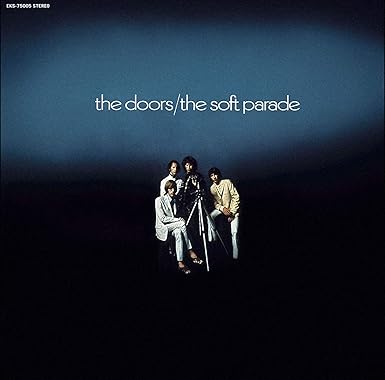
Table of Contents
- 1. The Doors The Soft Parade Album: An Overview
- 2. Recording Sessions at Elektra Sound Recorders
- 3. Musicians and Personnel on The Doors The Soft Parade Album
- 4. A Track-by-Track Analysis of The Doors The Soft Parade Album
- 5. Experimental Strings and Horn Arrangements
- 6. Singles and Chart Performance
- 7. Controversial Critical Reception
- 8. The Artistic Vision of the Album Artwork
- 9. The Lasting Legacy of The Doors The Soft Parade Album
- 10. Conclusion and Final Verdict
Own a Piece of Psychedelic History
Experience the high-fidelity remaster of this experimental masterpiece today.
Buy on AmazonThe Doors The Soft Parade Album: An Overview
The Doors The Soft Parade album hit the shelves on July 18, 1969.
It was the fourth studio effort from the group in just two years.
At the time, the band was riding high on the success of Light My Fire and other massive hits.
However, the internal dynamics were shifting rapidly within the studio walls.
Jim Morrison was becoming increasingly distracted by his poetry and personal struggles.
Consequently, guitarist Robby Krieger stepped up as a primary songwriter for this project.
The result was a collection of songs that felt more pop-oriented than their earlier 1960s classic rock records.
The album served as a bridge between their dark psychedelic era and their later blues roots.
Recording Sessions at Elektra Sound Recorders
The recording took place at Elektra Sound Recorders in West Hollywood.
Sessions were notoriously long and expensive for the era.
Producer Paul A. Rothchild pushed the band for perfection on every track.
He wanted to expand their sonic palette to compete with the likes of The Beatles.
This led to the inclusion of complex arrangements that required numerous takes.
The band spent months crafting the intricate layers heard throughout the record.
Some tracks were born from fragmented ideas during long studio jams.
Engineer Bruce Botnick worked tirelessly to capture the new orchestral depth.
Musicians and Personnel on The Doors The Soft Parade Album
The core lineup featured the classic members of The Doors at the height of their fame.
Jim Morrison provided his iconic baritone vocals and wrote the ambitious title suite.
Robby Krieger contributed essential songs like “Touch Me” and “Tell All the People.”
Ray Manzarek utilized various keyboards to provide a foundation for the orchestral swells.
John Densmore delivered jazz-influenced drumming that held the complex pieces together.
A host of talented session musicians joined the band for these recordings.
Saxophonist Curtis Amy provided the famous solo on the lead single.
Bassist Harvey Brooks and Doug Lubahn handled the low-end duties on different tracks.
Paul Harris crafted the string and horn arrangements that define the sound of The Doors The Soft Parade album.
A Track-by-Track Analysis of The Doors The Soft Parade Album
The album opens with “Tell All the People,” a song that invites listeners into a new world.
This track features a bold brass section and a dramatic delivery from Morrison.
“Touch Me” follows, serving as the commercial centerpiece of the record.
It remains one of their most recognizable hits with its soaring sax and strings.
“Shaman’s Blues” offers a return to the darker, more rhythmic style fans expected.
The middle of the record includes experimental pieces like “Do It” and “Easy Ride.”
“Wild Child” stands out as a gritty rock track that recalls their debut sound.
“Runnin’ Blue” introduces a surprising bluegrass element with Robby Krieger sharing vocals.
“Wishful Sinful” provides a beautiful, melodic break with a lush orchestral backing.
Finally, the nine-minute title track concludes the doors the soft parade album with a multi-part epic.
Experimental Strings and Horn Arrangements
The use of an orchestra was a radical departure for a band known for a four-piece sound.
Paul Rothchild believed the band needed to evolve to stay relevant in the late 1960s.
This decision was met with immediate resistance from the band’s underground following.
Many fans felt the addition of horns made the music too commercial.
However, the arrangements allowed the band to explore jazz and classical influences.
The intricate woodwinds and brass created a wall of sound that was entirely new for them.
Critics often pointed to “Touch Me” as the prime example of this sonic shift.
Despite the controversy, the arrangements showed a high level of musical sophistication.
Singles and Chart Performance
“Touch Me” was the biggest hit from the record, reaching number three on the charts.
It spent several weeks near the top of the Billboard Hot 100.
Other singles like “Wishful Sinful” and “Tell All the People” saw moderate success.
The album itself peaked at number six on the Billboard 200.
It eventually earned a platinum certification from the RIAA.
Interestingly, the record failed to make a significant impact on the UK charts.
This discrepancy highlighted the different tastes of the American and British audiences.
Still, the singles ensured that The Doors remained a dominant force on the radio.
Controversial Critical Reception
Upon its release, the record received some of the harshest reviews of the band’s career.
Rolling Stone magazine was particularly critical of the new direction.
They suggested the album lacked the bite and danger of their previous works.
Some writers labeled the orchestral sound as “over-produced” and “pretentious.”
However, modern reassessments have been much kinder to the project.
Contemporary critics often praise the band for their willingness to take risks.
They see it as an essential transitional phase before the return to blues on Morrison Hotel.
The album proves that The Doors were never afraid to challenge their own formula.
The Artistic Vision of the Album Artwork
The cover of the album features a striking photograph by Joel Brodsky.
It depicts the four band members looking through a camera lens at the viewer.
This design choice was meant to represent the art “staring back” at the audience.
It reflected the self-conscious nature of the band’s fame during that period.
The gatefold sleeve included detailed lyrics and an illustration by Peter Schaumann.
Morrison’s image on the cover showed him with a fuller beard and a more mature look.
This visual shift mirrored the internal changes occurring within the group.
The artwork remains an iconic example of late sixties graphic design.
The Lasting Legacy of The Doors The Soft Parade Album
Decades later, the legacy of the record continues to grow among classic rock enthusiasts.
The 50th-anniversary deluxe edition provided fans with “Doors-only” mixes of the songs.
These versions stripped away the strings to reveal the raw power of the quartet.
Songs like “Wild Child” and “Shaman’s Blues” have become cult favorites.
The title track is often cited as one of Morrison’s most brilliant lyrical achievements.
Many musicians today look to the album as a pioneer of the “art-rock” subgenre.
It serves as a testament to the incredible musicianship of Krieger, Manzarek, and Densmore.
The Doors The Soft Parade album remains a vital piece of the 1960s musical puzzle.
Conclusion and Final Verdict
While it may not be their most popular work, it is certainly their most ambitious.
The Doors dared to defy expectations and created something entirely unique.
Whether you love the horns or prefer the raw blues, the quality of songwriting is undeniable.
It offers a glimpse into a band that was constantly pushing boundaries.
I highly recommend listening to the 2019 remasters for the best experience.
You might find hidden depths that were previously overshadowed by the lush arrangements.
For more about the band, check out our guide on the members of the Doors.
Every fan of psychedelic rock should take the time to rediscover the complex magic found within the doors the soft parade album.