

The Rolling Stones Beggars Banquet: The Raw Return to Roots
The Rolling Stones Beggars Banquet remains the definitive turning point for the greatest rock band in the world.
It was the moment Mick and Keith stopped playing with psychedelia.
They looked back to the blues to find their future.
You can feel the grit in every single groove of this record.
This transition started by looking at the members of the Rolling Stones and their internal chemistry.
The band moved away from the colorful fuzz of their previous year.
They traded wizard hats for acoustic guitars and switchblades.
It was a dangerous time for the world and for the band.
This 1968 masterpiece redefined what a rock album could achieve.
The record feels as fresh today as it did decades ago.
If you loved the Rolling Stones self titled debut, you understood this return.
It was a homecoming to the mud of the Mississippi delta.
The album is a essential part of our 60s rock history archive.
We see this era as the peak of creative rebellion.
Our team keeps this at the top of our album reviews list for a reason.
It is the blueprint for every “back to basics” move in history.
Quick Navigation
The Earthy Shift of The Rolling Stones Beggars Banquet
The year 1968 was a chaotic mess of riots and war.
The Stones captured that tension better than anyone else.
They dropped the pretension of Their Satanic Majesties Request entirely.
Keith Richards discovered the power of the open tuning.
This changed the way he approached the guitar forever.
It gave the songs a droning and primitive power.
According to the official Beggars Banquet history, the recording was tense.
Brian Jones was fading into the background of the group.
His contributions were sparse but remained hauntingly beautiful.
You can hear his slide guitar crying on No Expectations.
That track is a lonely funeral for the hippie dream.
The band was becoming a leaner and meaner machine.
They focused on the swing rather than just the volume.
Charlie Watts provided the heartbeat of the entire session.
Bill Wyman kept the bottom end thick and steady.
This was the birth of the classic Stones sound.
Production Genius of Jimmy Miller
The band needed a new spark in the studio booth.
They found that spark in a man named Jimmy Miller.
Miller understood how to capture the groove of a room.
He encouraged the band to play as a single unit.
He brought a percussive energy that the band lacked before.
The drums became more prominent and physical in the mix.
Miller pushed them to explore darker and more rhythmic territories.
He was the secret weapon for their next four albums.
The sessions took place at Olympic Studios in London.
The atmosphere was thick with smoke and creative tension.
Engineers like Glyn Johns helped shape the raw audio.
They kept the recording honest and remarkably direct.
There was no room for studio trickery on this record.
Everything feels like it was recorded in a basement late at night.
It has a smell of stale beer and expensive cigarettes.
This production style defined the sound of the late sixties.
The Diabolical Genius of Sympathy for the Devil
The opening track is a masterclass in building suspense.
It starts with a simple samba beat and some shouting.
Mick Jagger adopts the persona of a polite gentleman of wealth.
The lyrics walk through the darkest moments of human history.
It is not a song about devil worship at all.
It is a song about the darkness inside every man.
You can watch the iconic Sympathy for the Devil performance to see the energy.
Keith Richards plays a biting and legendary guitar solo.
It cuts through the percussion like a jagged blade.
The backing vocals provide a ghostly and hypnotic chant.
Those “woo-woo” vocals were inspired by Anita Pallenberg.
The song caused massive controversy upon its initial release.
Religious groups were terrified of the band’s new image.
The Stones leaned into the danger with a smirk.
It remains one of the most recognizable songs in history.
The track sets the tone for the entire banquet.
Acoustic Mastery and Blues Roots
Most of the album relies on acoustic instruments and textures.
Parachute Woman is a dirty blues stomp with harmonica.
Jigsaw Puzzle echoes the sprawling poetry of Bob Dylan.
The lyrics are dense and filled with strange characters.
Dear Doctor is a comical country blues track about marriage.
It shows that the band still had a sense of humor.
Prodigal Son covers the Robert Wilkins classic with great respect.
They were paying their debts to the masters of the past.
The piano work by Nicky Hopkins is elegant and vital.
He was essentially the sixth member during these sessions.
His playing on Salt of the Earth is particularly moving.
That song serves as a tribute to the working class.
It ends the album with a sense of weary solidarity.
Street Fighting Man captures the political heat of the streets.
The guitar sound was achieved by overloading a cassette recorder.
It is a revolutionary sound created with humble tools.
Why The Rolling Stones Beggars Banquet Remains Essential
This album saved the band from becoming a psychedelic relic.
It gave them the identity they would carry for decades.
Critics at the time knew they were hearing something special.
A classic Rolling Stone review noted the band’s renewed vigor.
They were no longer following the heels of the Beatles.
The Stones had carved out their own dark kingdom.
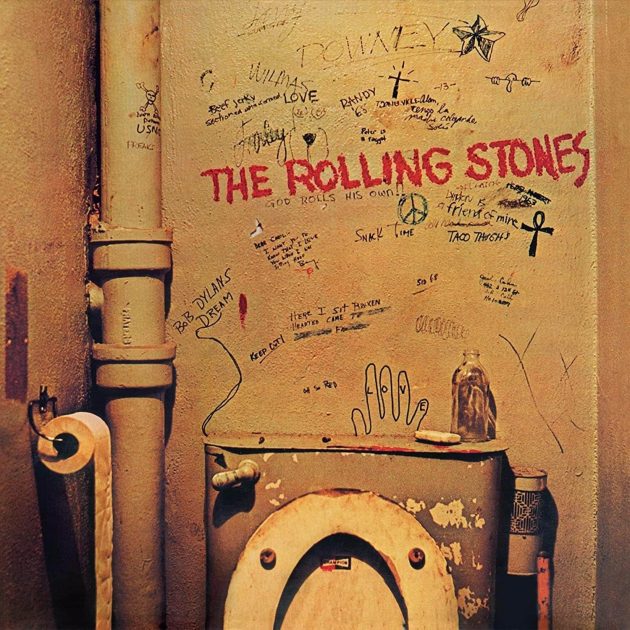
The original cover art was a bathroom wall covered in graffiti.
The record company initially banned the controversial image.
They replaced it with a plain white invitation cover.
The band eventually won the fight for their original vision.
This stubbornness is a core part of their legend.
Beggars Banquet led directly into their golden era of albums.
It is the first chapter of the greatest run in rock.
You can still feel the heat coming off these tracks.
It is a mandatory listen for any fan of music.
You cannot understand rock history without owning The Rolling Stones Beggars Banquet.
Affiliate Disclosure: I am an Amazon affiliate and if you purchase through any amazon links on this site i may earn a small commission at no extra charge to you. This helps support classicrockartists.com and allows me to keep providing deep-dive content on the legends of rock. Thank you for your support!
Check out the latest Rolling Stones vinyl and merch on Amazon!