

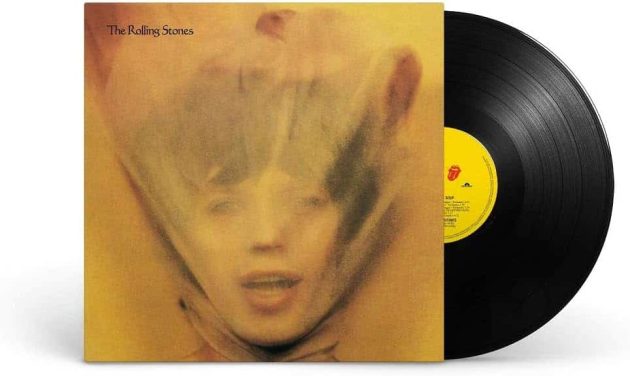
Goats Head Soup: The Rolling Stones Album That Changed Everything
Goats Head Soup is the moment the Rolling Stones stepped off the highest peak they had ever climbed, and the music world has been arguing about it ever since.
Released on August 31, 1973, it followed one of the most celebrated runs of albums in rock history.
Half the critics loved it at the time, and half felt let down, and none of them could fully explain why.
More than 50 years later, this album deserves your full, undivided attention.
Quick Navigation
- Born in Jamaica: The Making of Goats Head Soup
- Track by Track: Dancing Through Darkness
- Angie: The Number One Single That Divided Critics
- The Band and Session Players Behind the Sound
- Goats Head Soup: Chart Performance and Critical Reception
- The 2020 Reissue: New Mix and Buried Treasures
- Goats Head Soup: Legacy and Where It Stands Today
- Full Track Listing
- Frequently Asked Questions
Born in Jamaica: The Making of Goats Head Soup
By November 1972, the Rolling Stones were tax exiles with very few countries willing to take them in.
Keith Richards once quipped that nine countries had kicked him out, leaving Jamaica as one of the only places that would let the whole band through the door.
The band booked Dynamic Sounds studio in Kingston for a full month, running sessions 24 hours a day.
They arrived without a finished album in mind, building songs from raw rhythms and half-written lyrics in their classic free-form way.
Marshall Chess, then president of Rolling Stones Records, recalled that even after six or eight months apart, the band would lock into their groove within an hour of playing together.
The island left a real mark on the music, with Jamaican and Guyanese percussionists joining the sessions and adding a warmth that sets this record apart from the sprawling double album that preceded it, Exile on Main St.
Recording wrapped in January 1973 in Los Angeles and again in May 1973 at Island Studios in London.
The album title itself is believed to reference a traditional Jamaican dish called mannish water, made from goat offal, a fittingly strange name for a fittingly strange record.
This was also the final album produced by Jimmy Miller, the man who had shaped the Stones’ sound since Beggars Banquet in 1968.
Miller was struggling badly with addiction by this point, and that exhaustion seeps into the grooves whether the band intended it or not.
The album was also the first Rolling Stones record consisting entirely of original compositions since Their Satanic Majesties Request in 1967, no small feat for a band still defining what it meant to write their own material.
Track by Track: Dancing Through Darkness
The album opens with “Dancing with Mr. D,” and it announces itself like a slow, deliberate fever dream.
Mick Jagger’s vocal is sleazy and almost taunting, riding a coiled groove that Mick Taylor and Richards have wound to a sinister tightness.
From there the record stretches into territory the band had never quite explored before.
“100 Years Ago” carries a jaunty, almost playful energy before dissolving into a gorgeous mid-song breakdown that feels like the afternoon light going golden.
“Coming Down Again” puts Richards at the microphone for a rare, devastatingly raw lead vocal over spare piano, and it lands like a confession rather than a performance.
“Doo Doo Doo Doo Doo (Heartbreaker)” tackles police violence with a funk-inflected groove that was genuinely ahead of its time in 1973.
Compare that track to the loose, shuffling swagger of Tumbling Dice from the previous record and you begin to understand just how much the band had shifted.
“Winter” is one of the most hauntingly beautiful things the Stones ever committed to tape, with Jagger on rhythm guitar and Taylor’s lead floating above the track like something reluctant to leave.
“Hide Your Love” delivers a piano-bar shuffle, “Can You Hear the Music” drifts into something almost psychedelic, and “Star Star” closes everything out with a snarling, unrepentant rock and roll roar that got the BBC ban it was probably looking for.
These ten tracks cover more emotional ground than any other Stones album, and they do it quietly, without the fanfare you might expect from the world’s greatest rock and roll band.
Angie: The Number One Single That Divided Critics
Atlantic Records did not want “Angie” as the lead single, reportedly pushing for something closer in energy and attitude to Brown Sugar.
The label was overruled, and the decision was vindicated when the song went to number one in the United States and became a massive worldwide hit.
The song’s origins have always been murky in the best possible way.
Rumours long circulated that it was written about Angela Bowie, wife of David Bowie, but both Jagger and Richards have consistently denied this.
Richards stated the name came to him before he even knew the sex of his expected child, while some writers have suggested Jagger drew on his ended relationship with Marianne Faithfull for the lyrics.
Whatever its inspiration, Angie is one of the most emotionally honest ballads the Stones ever put to tape, with acoustic guitar, sparse piano, and Jagger’s genuine ache carrying it across every generation.
You can hear and see exactly what made it connect by watching the track on YouTube and understanding immediately why it still lands so hard.
That a band famous for danger and swagger could write something this tender in 1973 says everything about the range Goats Head Soup was quietly reaching for.
The Band and Session Players Behind the Sound
Mick Jagger appears on every track except “Coming Down Again,” where Richards steps into the spotlight in a rare and revealing moment.
Taylor plays on nine of the album’s ten tracks and handles bass duties on several, filling for Bill Wyman who appears on only three songs across the whole record.
Charlie Watts is the foundation throughout, intuitive and steady as ever, the pulse the band has always built around.
Session pianist Nicky Hopkins contributes to five tracks, adding the kind of elegant, slightly world-weary piano touches that no one else could quite deliver.
Billy Preston plays clavinet and piano on several key tracks, threading funk and soul directly into the band’s DNA.
Saxophonist Bobby Keys is present across multiple tracks, with Jim Horn adding flute and alto saxophone for texture and depth.
Together, these regulars and session players created a sound that is warm, dense, and deeply human, far more intimate in its ambition than the sprawling excess that came before it.
Goats Head Soup: Chart Performance and Critical Reception
Goats Head Soup reached number one in the UK, the US, and numerous other markets worldwide within weeks of its August 1973 release.
Rolling Stone’s Bud Scoppa called it one of the year’s richest musical experiences.
Billboard praised the superb guitar work and highlighted the album’s ballads as its most impressive achievements.
Lester Bangs wrote in Creem that the Stones had become an enormous “So what?” compared to what they once meant, and his frustration was shared by critics who had been electrified by songs like Gimme Shelter and expected more of that fire.
The full scope of critical reactions, chart positions across more than a dozen countries, and the album’s complicated reception history are documented on the Goats Head Soup Wikipedia page, which is worth reading alongside the record itself.
AllMusic’s Stephen Thomas Erlewine later captured the moment precisely, writing that this is where the band’s image began to eclipse their accomplishments, and where Jagger’s celebrity and Richards’ addiction first became part of the narrative surrounding the music.
Time softened those judgments considerably.
When the years that followed produced records that genuinely disappointed, including the era explored in the Rolling Stones Black and Blue reissue, this album began to look far more vital and assured by comparison.
The critical consensus has shifted steadily toward reassessment, and the 2020 reissue sealed that shift for good.
The Goats Head Soup 2020 Reissue: New Mix and Buried Treasures
On September 4, 2020, Polydor Records released a comprehensive reissue of the album, remixed by Giles Martin with clarity and separation the original 1973 mix had never quite achieved.
The deluxe editions added previously unreleased tracks that genuinely rewrote the album’s legacy.
“Criss Cross,” released first as a music video in July 2020, would have been a standout on the original record, and most critics agreed it should have been there from the start.
“Scarlet” featured Jimmy Page on guitar, a collaboration buried in the vaults for nearly five decades that sounds absolutely electric when you finally hear it.
“All the Rage” rounded out the outtakes, adding further weight to the argument that the Goats Head Soup sessions produced far more strong material than the original ten-track lineup revealed.
Two more outtakes from these same sessions, “Tops” and “Waiting on a Friend,” had already found a home on the 1981 Tattoo You album, best known for the classic song explored in the Start Me Up article.
The reissue returned the album to number one in the UK charts 47 years after it first reached the top in September 1973.
That return to the summit said something important: the album had finally found the audience it always deserved, without the weight of 1973’s impossible expectations pressing down on it.
Goats Head Soup: Legacy and Where It Stands Today
Goats Head Soup sits in a genuinely complicated place in the Rolling Stones catalogue, and that complexity is precisely what makes it worth returning to again and again.
It ended the five-album golden streak that began with Beggars Banquet in 1968, and no serious listener disputes that fact.
But ending a golden streak does not make an album a failure, and this album is not a failure.
It is a band at its most human: tired, reflective, still capable of breathtaking brilliance, and honest enough to let all of that show.
“Winter” alone justifies the album’s existence, and “Coming Down Again,” “Doo Doo Doo Doo Doo (Heartbreaker),” and “100 Years Ago” are as strong as almost anything in the Stones’ sprawling back catalogue.
Fans who came to the band through Sympathy for the Devil and the era-defining hits of the 1960s sometimes skip this chapter entirely, and that is a genuine mistake.
The 2020 reissue has helped correct that oversight, bringing in younger listeners who can hear it fresh, without the baggage of what came before.
If you have only ever known “Angie” from the radio and moved on without exploring the rest, sit with Goats Head Soup from track one to ten and you will find one of the most underrated, most rewarding, and most emotionally complex albums in the entire classic rock canon.
Full Track Listing: Goats Head Soup (1973)
All tracks written by Mick Jagger and Keith Richards.
- Dancing with Mr. D (4:53)
- 100 Years Ago (3:59)
- Coming Down Again (5:55)
- Doo Doo Doo Doo Doo (Heartbreaker) (3:26)
- Angie (4:33)
- Silver Train (4:27)
- Hide Your Love (4:12)
- Winter (5:31)
- Can You Hear the Music (5:31)
- Star Star (4:24)
Frequently Asked Questions About Goats Head Soup
When was Goats Head Soup released?
The album was released on August 31, 1973, on Rolling Stones Records.
Did Goats Head Soup reach number one?
Yes. It hit number one in the UK, the United States, and multiple other markets on its original release, and returned to number one in the UK when the 2020 Giles Martin reissue came out 47 years later.
Where was Goats Head Soup recorded?
The album was recorded primarily at Dynamic Sounds studio in Kingston, Jamaica in late 1972, with additional sessions in Los Angeles and London completing the record into 1973.
Who produced Goats Head Soup?
Jimmy Miller produced the album, making it his final project with the Rolling Stones after a landmark run that began with Beggars Banquet in 1968.
Is there a deluxe edition of Goats Head Soup?
Yes. The 2020 deluxe reissue includes a new remix by Giles Martin plus previously unreleased tracks including Criss Cross, Scarlet (featuring Jimmy Page), and All the Rage.
Who is the song Angie about?
Rumours suggested Angela Bowie, but both Jagger and Richards denied this. Richards has pointed to his daughter’s name as an inspiration, while some writers link the lyrics to Jagger’s relationship with Marianne Faithfull. The band has never given a definitive answer.
Affiliate Disclosure: I am an Amazon Associate, and if you purchase through any Amazon links on this site, I may earn a small commission at no extra cost to you. This helps keep the lights on at ClassicRockArtists.com and allows me to keep going deep on the albums and artists that matter. Thank you for your support.
Explore Rolling Stones Albums and Merch on Amazon: Vinyl, CDs, and Collector Editions Available Now