

Let It Bleed: The Rolling Stones’ Most Dangerous Album
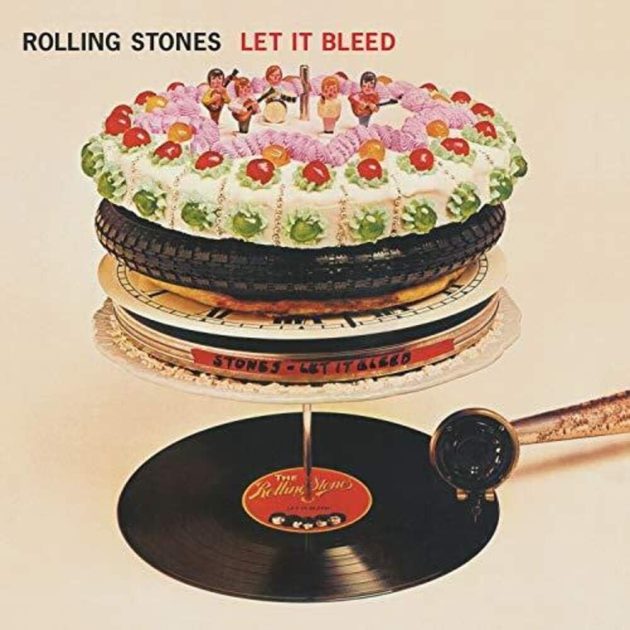
Let It Bleed is one of the most electrifying, uncompromising albums in the history of rock and roll, and more than five decades on, it still sounds like a lit fuse about to blow.
Released November 28, 1969, it dropped into a world coming apart at every seam, arriving mid-tour and landing harder than anything the band had put out before.
The members of the Rolling Stones were living through internal collapse at the time of recording, and every second of that chaos bled through the speakers.
For more coverage of the band’s essential catalog, browse our archive of classic rock album reviews.
Quick Navigation
The Making of Let It Bleed
Recording began in earnest in February 1969 at Olympic Studios in London, the same room where so much of British rock history had already been made.
Producer Jimmy Miller, who had also helmed Beggars Banquet the previous year, brought the same stripped-back philosophy to these sessions, letting the rawness breathe rather than polishing it away.
Additional recording took place at Elektra Sound Recorders in Los Angeles as the band prepared for their 1969 American tour.
The full documented history of the sessions, personnel, and chart data is captured on the Let It Bleed Wikipedia page and is worth reading alongside this review.
By this point the band had grown well beyond the freewheeling, loose energy of earlier singles like Jumpin’ Jack Flash.
The new record would be darker, heavier, and rooted even deeper in American blues and gospel tradition.
It draws from Chicago blues, country blues, gospel, and hard rock without ever losing its identity as a Rolling Stones album.
There are no manufactured radio singles here, yet almost every track became a rock staple within years of its release.
A Band in Freefall: Brian Jones, Mick Taylor, and 1969
Brian Jones, the band’s founding guitarist and original leader, had become a ghost in the studio long before these sessions began.
Heavy drug use had left him unable to contribute meaningfully, and his appearances at recording grew fewer and further between.
He plays on only two tracks here: autoharp on “You Got the Silver” and percussion on “Midnight Rambler.”
Jones was fired mid-recording, and died just one month later, found at the bottom of his swimming pool at age 27.
His replacement, Mick Taylor, was hired after principal recording on many tracks was already complete, appearing on just “Country Honk” and “Live with Me.”
Taylor also plays on stand-alone single Honky Tonk Women, recorded during these same 1969 sessions.
Keith Richards carried the entire guitar workload through most of the album, responsible for nearly every rhythm and lead part on the record.
The same band that had delivered the darkly magnetic groove of Sympathy for the Devil was now held together by Richards’s guitar and sheer collective will.
What they produced under those conditions is nothing short of extraordinary.
Let It Bleed Track by Track: Side One
Side One opens with Gimme Shelter, which stands among the most powerful opening tracks any rock album has ever produced.
Mick Jagger‘s vocal is cold and coiled, which makes what follows even more explosive.
Merry Clayton was called to the studio at 1 AM, woken from sleep, driven in with her hair still in rollers, and delivered one of the greatest single vocal performances ever committed to tape.
You can watch the full official lyric video and hear that performance for yourself in the official Rolling Stones YouTube upload, and it never loses a single volt of power.
“Love in Vain” follows, a Robert Johnson Delta blues cover delivered with such restraint it sounds more like a confession than a cover version.
“Country Honk” is the album’s most unexpected track, a fiddle-and-acoustic reimagining of Honky Tonk Women, with fiddle player Byron Berline reportedly overdubbing his part on the pavement outside a studio on Wilshire Boulevard in Los Angeles.
“Live with Me” brings the swagger back with horn-driven, mid-tempo muscle that feels like the best bad decision you’ve ever made.
The title track closes the side with rolling gospel energy that builds and builds until the whole thing feels ready to split at the seams.
Side Two: Darkness, Blues, and Redemption
Midnight Rambler opens Side Two as the album’s most theatrical piece, running nearly seven minutes from a quiet harmonica intro to a full-throttle Chicago blues stomp.
It sounds completely different at midnight at full volume, and even better when you know the Stones stretched it to fifteen minutes in concert.
“You Got the Silver” gives Richards his first-ever solo lead vocal on a Stones studio recording, and it is a genuinely moving performance: tender, worn-in, and unpretentious.
“Monkey Man” is the album’s most underrated moment, a dark, cinematic rocker with a locked groove and a propulsive intensity that sounds like the band playing for their lives.
You Can’t Always Get What You Want closes the record at seven and a half minutes and earns every second of its runtime.
The London Bach Choir provides the now-iconic choral opening, though the choir reportedly distanced themselves from the album afterward, citing what one author described as its “relentless drug ambience.”
From that choral grace, the song rises through gospel and rock before landing on a note of weary, hard-won wisdom.
It is one of the greatest album-closing tracks ever recorded, full stop.
Critical Reception and Lasting Legacy
The album hit number one in the UK and number three in the US, competing head-to-head in the charts with Abbey Road and Led Zeppelin II.
The Rolling Stone critical review of Let It Bleed recognized its importance early, and the consensus has only grown stronger with each passing decade.
Rolling Stone magazine ranked it number 32 on its 500 Greatest Albums of All Time in 2003, and it sits at number 41 on the most recent 2020 revised edition of that list.
Q magazine placed it at number 28 on their list of the 100 Greatest British Albums Ever in 2000.
VH1 ranked it 24th on their 100 Greatest Albums of Rock survey in 2001, and The Guardian voted it the 27th-best album ever in 1997.
In 2005, the album was formally inducted into the Grammy Hall of Fame.
The shadow it cast over the Stones’ subsequent work was long, from the blues-drenched heaviness of Goats Head Soup in 1973 to the aching acoustic beauty of Wild Horses on Sticky Fingers.
The UK release date, December 5, 1969, was the same day as the Altamont Free Concert, and the connection felt less like coincidence and more like prophecy.
The album had already warned, in the opening minutes of “Gimme Shelter,” about exactly the kind of violence that unfolded at Altamont that night.
The Rolling Stones Studio Discography
Placing this record in the full Stones catalog makes its importance even clearer.
- The Rolling Stones (1964)
- The Rolling Stones No. 2 (1965)
- Out of Our Heads (1965)
- Aftermath (1966)
- Between the Buttons (1967)
- Their Satanic Majesties Request (1967)
- Beggars Banquet (1968)
- Let It Bleed (1969)
- Sticky Fingers (1971)
- Exile on Main St. (1972)
- Goats Head Soup (1973)
- It’s Only Rock ‘n Roll (1974)
- Black and Blue (1976)
- Some Girls (1978)
- Emotional Rescue (1980)
- Tattoo You (1981)
- Undercover (1983)
- Dirty Work (1986)
- Steel Wheels (1989)
- Voodoo Lounge (1994)
- Bridges to Babylon (1997)
- A Bigger Bang (2005)
- Hackney Diamonds (2023)
FAQ: Your Let It Bleed Questions Answered
When was Let It Bleed released?
It was released on November 28, 1969, in the United States on London Records, and December 5, 1969, in the United Kingdom on Decca Records.
Who produced Let It Bleed?
Jimmy Miller produced the album, the second consecutive Stones record he helmed after Beggars Banquet, and he went on to produce Sticky Fingers and Exile on Main St. as well.
What are the most famous songs on the album?
“Gimme Shelter” and “You Can’t Always Get What You Want” are the two most celebrated tracks and consistently appear on lists of the greatest songs ever recorded.
How did Let It Bleed chart?
It reached number one in the United Kingdom and number three in the United States, competing directly against Abbey Road by the Beatles and Led Zeppelin II in the same chart cycle.
Is Let It Bleed in the Grammy Hall of Fame?
Yes, the album was inducted into the Grammy Hall of Fame in 2005, a formal recognition of what most rock fans had known since it dropped.
What number is Let It Bleed on Rolling Stone’s 500 Greatest Albums list?
Rolling Stone ranked it number 32 in 2003, and it settled at number 41 on the 2020 revised edition of that list, one of the most enduring positions in the publication’s history.
Whether you are hearing Let It Bleed for the first time or returning to it for the hundredth, it rewards every single listen with something new, urgent, and essential from the greatest rock band that ever lived.
Affiliate Disclosure: I am an Amazon Associate, and if you purchase through any Amazon links on this site, I may earn a small commission at no extra cost to you. This helps support ClassicRockArtists.com and allows me to keep writing in-depth content on the legends of rock.